
Archery Blog
Bowhunting Public Land: 7 Tactics That Actually Work
Jul
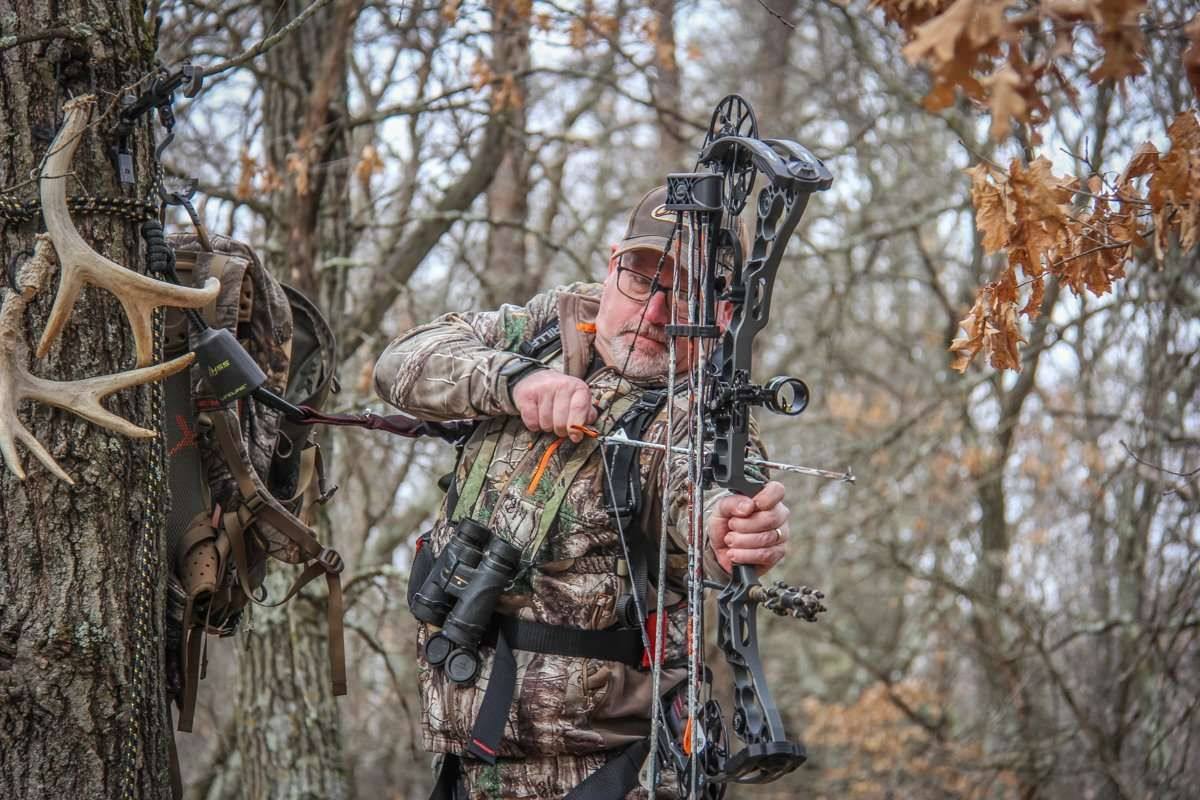
Forty-five years ago, if you held a deer tag you held a hunting spot. The land was there, the deer were there, and the competition was thin. That math has shifted. Today, prime states like Iowa and Kansas draw applicants from across the country, and easily accessible public parcels get walked by multiple hunter groups before 7 AM on opening morning. The deer know it. A whitetail that survives one full archery season on a pressured public tract has an education money can’t buy. These seven tactics are built around that reality.
Why Public Land Bowhunting Demands a Different Playbook
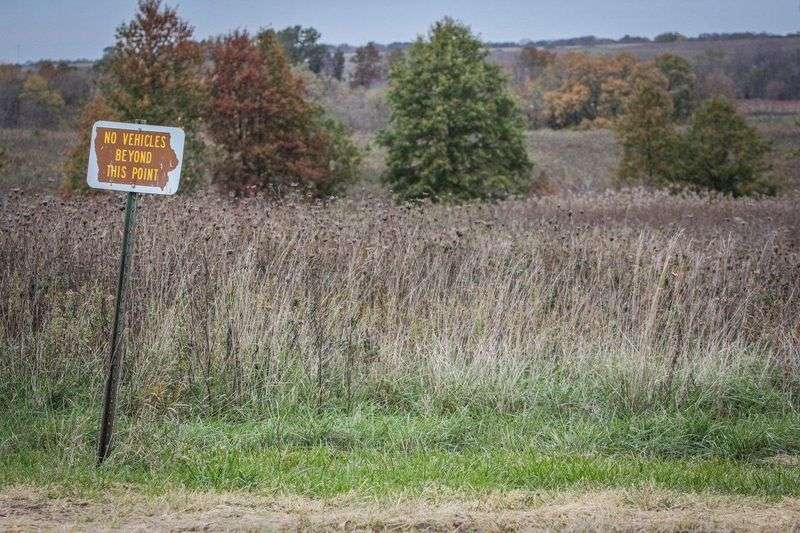
On private land, a mature buck might tolerate a stand hung 400 yards from his bedding area. On public land, that same deer has learned to avoid entire drainages because six different hunters drove past them in October. Food is secondary to security on public ground — deer will skip a prime white oak flat if the access route smells like a parking lot. That single insight changes everything about how you approach a public parcel.
The federal government controls roughly 640 million acres, or 28% of U.S. landmass. Most of those acres hold deer. The deer don’t distribute evenly — they concentrate in whatever corner feels safest. Your job is finding that corner before someone else does, and getting there quietly enough to close the distance.
Tactic 1: Go Where Legs Quit
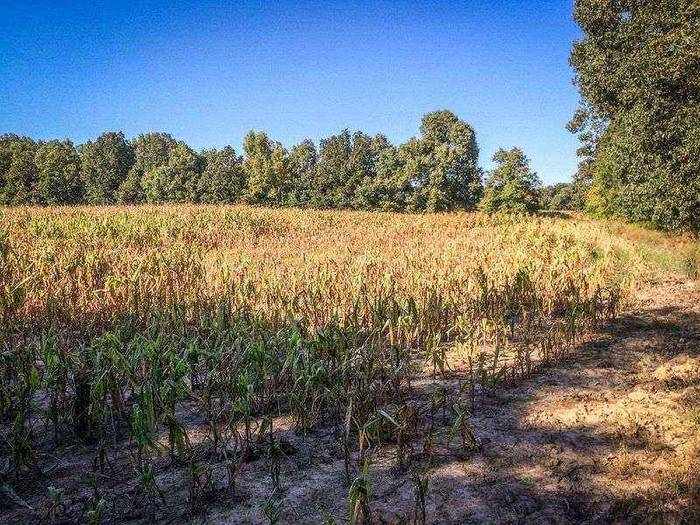
The most reliable predictor of deer pressure on public land is parking lot proximity. Walk 200 yards from a trailhead and you’ll find boot prints, scent, and flattened grass where someone set up last weekend. Walk a mile and you leave 90% of the competition behind. Walk a mile and a half and you’re hunting deer that haven’t felt human pressure since last season.
Ask any experienced public-land bowhunter where they’ve killed mature bucks and nearly every answer involves a long hike or a punishing obstacle — a creek crossing, a marsh, a ridge with no trail. The effort is a natural filter. If a hunter with bad knees or an hour to spare can reach your spot, it’s not your spot anymore.
Use topographic maps to find terrain that funnels deer movement but punishes casual access: long ridges with no roads, creek bottoms with muddy crossings, thick second-growth clear-cuts that tear up brush pants. Mark those locations before you ever leave the truck. The hike that discourages everyone else is the hike worth taking.
Tactic 2: Treat Wind Control as a Hard Rule, Not a Suggestion
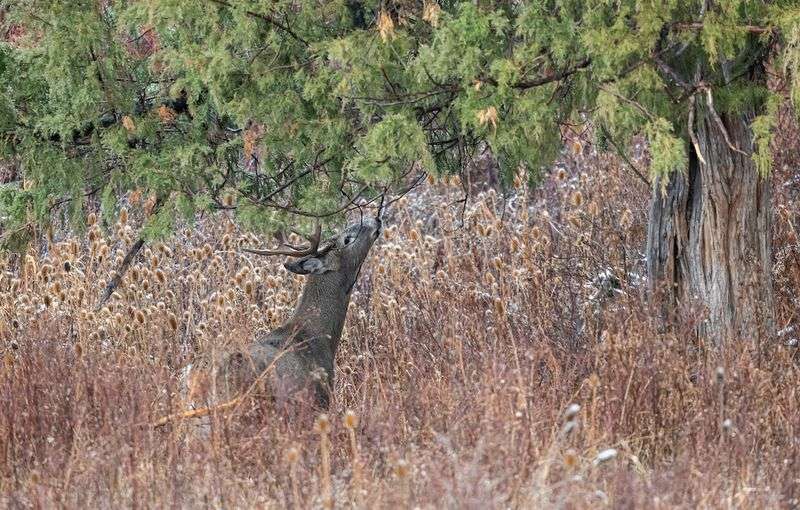
Private land bucks sometimes let hunters slide on marginal wind calls. Public land bucks don’t. They’ve been educated by enough close calls that any human scent in the wrong spot sends them off the property for days. A mature whitetail that’s survived multiple archery seasons on a pressured public parcel has essentially earned a PhD in scent detection.
Wind management on public ground covers three phases: your entry route, your stand position, and your exit. A perfect morning blown on the walk out at 9 AM ruins the stand for a week. Run your access routes downwind of expected deer movement, even if it adds 20 minutes to the hike. The extra time is cheap compared to blowing out a spot you spent three months scouting. Our full breakdown of scent control strategies for bowhunting covers the complete protocol before your first sit.
Tactic 3: Find the Micro-Habitats Other Hunters Drive Past
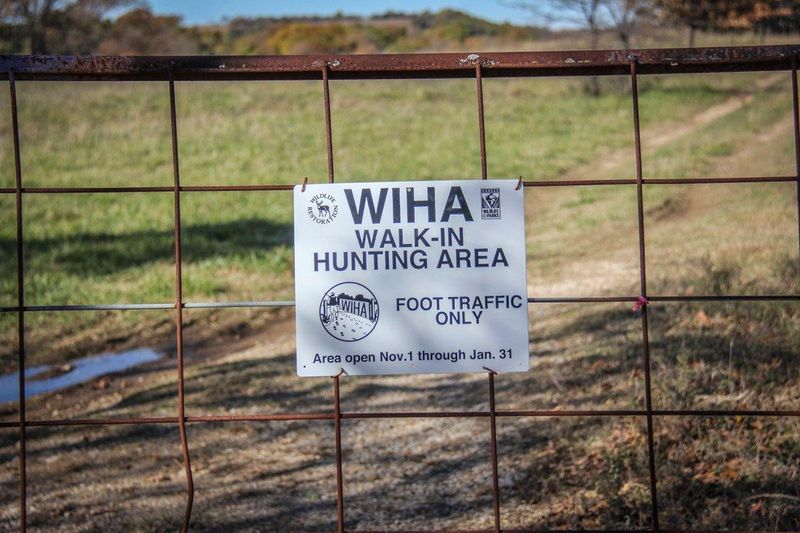
Most hunters target obvious habitat — the main food edges, the classic oak ridgeline, the creek bend on the kiosk map. The deer that survive pressure aren’t living in those spots. They’re using micro-features most hunters drive past without a second look.
Leeward ridge points are one example. A mature buck will bed on the downwind side of a ridge where thermal currents and wind collide, letting him monitor scent from two directions at once. Realtree’s breakdown of overlooked public land hotspots identifies oxbows — river bends that curl back on themselves — as isolated bedding areas with a single dry entry the buck can monitor. Swamp islands surrounded by even shin-deep water are avoided by nearly every hunter who encounters them, which is exactly why mature deer use them.
Road-adjacent strips are another counter-intuitive option. Some of the biggest documented public-land whitetails have come from marginal cover between parking areas — ground everyone assumes is shot out but nobody actually checks. The deer hide in plain sight because the human pressure flows around them instead of into them.
Tactic 4: Let Hunting Pressure Work for You
When other hunters push into the woods at first light, deer move. Not randomly — they push toward the edges of the pressure, toward sanctuary cover, toward anywhere the noise and smell isn’t coming from. If you’ve identified where that sanctuary is before the season opens, the weekend crowd becomes your unpaid beaters.
Weekend mornings on pressured public land are often more productive than quiet weekday sits because there are more boots in the woods pushing deer out of their comfort zones. Position yourself between where the other trucks park and the deep cover deer use as refuge. Let the 5 AM arrivals do the work, then intercept the displaced deer as they head for safety.
The key is being in position before the pressure starts. If you can access your stand without crossing the same trail other hunters use, you maintain your advantage even as the rest of the parcel gets worked over.
Tactic 5: E-Scout Before Your Boots Hit the Ground
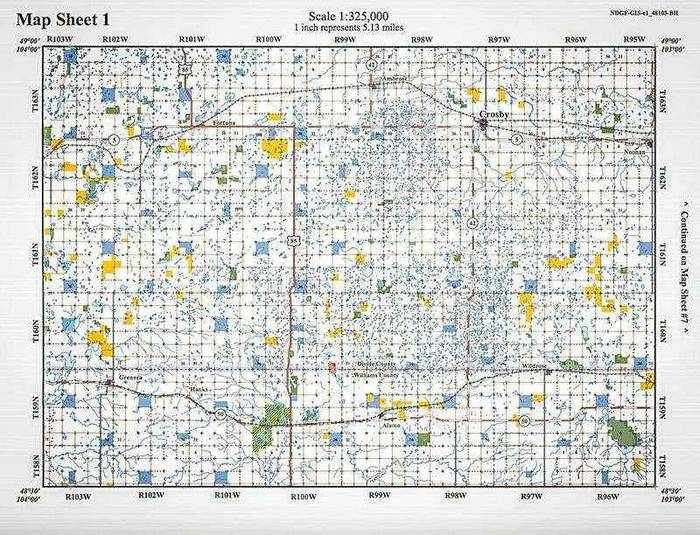
Mapping apps like onX Hunt and BaseMap have changed public-land bowhunting more than any single piece of gear in the past decade. Layer public/private boundaries, topo lines, and aerial imagery over the same screen — then scout 10 parcels from your kitchen table and narrow to three candidates before you drive anywhere.
When you’re studying terrain, look for pinch points between bedding and food, obstacles that create natural funnels, and south-facing slopes where deer bed in cold weather because the sun hits them first. Then cross-reference satellite imagery from multiple seasons to see how the habitat has changed. A clear-cut from 8 years ago is turning into prime whitetail cover right now. A 20-year-old cut is maturing out of its peak window. The habitat age matters more than most hunters realize.
Thorough e-scouting also protects you from trespassing. Public-land boundaries on the ground rarely match what your eyes expect — they run along survey lines that ignore terrain. Boundary layer visibility before you walk keeps you legal and saves a very bad conversation with a private landowner.
Tactic 6: Go Mobile or Plan to Get Beat
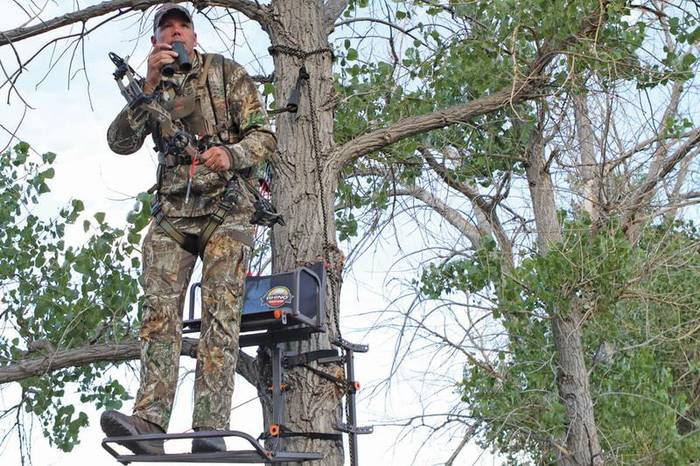
A permanent hang-on stand on public land is a sign that says “someone hunts here.” Other hunters find it, hunt it, and blow it out. Deer pattern it and adjust. Fixed setups work on private land because you control access and limit total pressure. On public ground, they’re a liability within a few weeks of season.
The move to mobile hunting — saddle systems, lightweight climbing sticks, compact hang-ons that fit in a pack — lets bowhunters respond to real deer sign instead of committing to a location weeks before the season. Find fresh sign the evening before. Hang above it that morning. Hunt it once, pull everything down, and move. Deer on pressured public land are not accustomed to that pattern and they’re not prepared for it.
The trade-off is conditioning and speed. Mobile setups require more fitness and faster tree-reading than permanent stands. But they also mean you’re in the right location on any given morning rather than hoping deer come to a spot you chose in July. Our comparison of treestands vs ground blinds walks through when each platform makes the most sense.
Tactic 7: Shot Discipline Is Non-Negotiable
Public land hunting means working harder for fewer opportunities. When a mature buck finally steps into range after two weeks of 4 AM wake-ups, the temptation to rush the shot is real. That’s exactly when composure wins or loses the season.
Mobile setups introduce variables a manicured food plot edge doesn’t — trees you didn’t scout months ago, limbs you didn’t account for, shooting lanes that are tighter than expected. Those variables demand higher shot standards, not lower ones. Wait for a clean, ethical angle. A wounded deer that crosses onto private ground or disappears into unhuntable swamp is a loss that outweighs the tag by a mile.
Practice every possible angle before the season: tight quartering-away shots, steep downward angles from 25 feet, close shots under 15 yards where the target is straight below you. Study our bowhunting shot placement guide so you know exactly where to aim under any condition. When a mature public-land buck is standing 20 yards out, you want zero uncertainty in that moment.
The Deer Are There — You Have to Go Get Them
640 million acres of public land and 14.4 million licensed hunters means the math still favors anyone willing to do the work competitors skip. The bowhunters who tag out consistently on public ground aren’t smarter — they hike farther, move faster when sign changes, and obsess over wind in a way that private-land hunters rarely need to. Every tactic above costs something: miles, early mornings, lighter gear, off-season scouting hours. That’s the price of hunting deer nobody else can reach. It’s also why those deer are still there.
Sources
- onX Maps — Public Land Hunting Tips and Tricks — Acreage statistics and public land access strategies for hunters
- Realtree — 5 Overlooked Public Land Deer Hunting Hotspots — Micro-habitat research including oxbows and leeward ridges
- Bowhunting.com — Public Land Deer Hunting Tactics — Pressure management and decoy tactics for public land
- Outdoor Life — How to Beat Public-Land Crowds — Water access and small parcel hunting strategies
