
Archery Blog
Tree Stand vs Ground Blind: 7 Factors to Pick the Right Bowhunting Setup
Jun
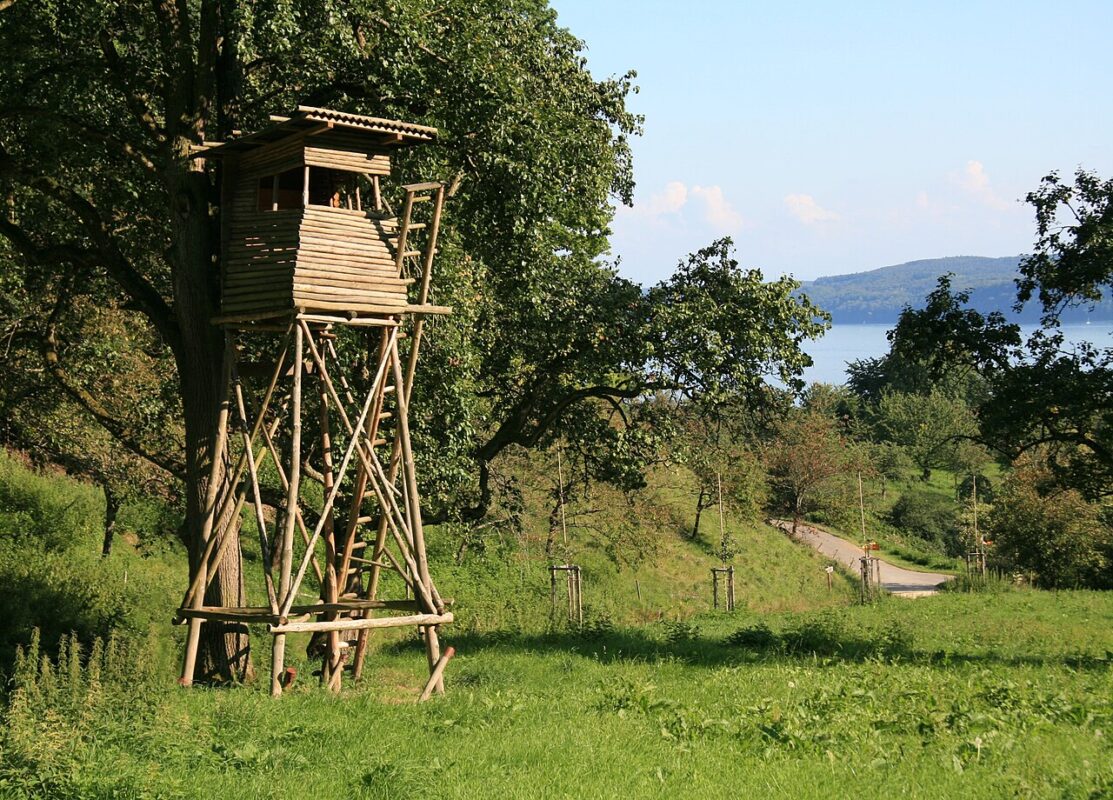
Tree stand vs ground blind is one of the oldest debates in bowhunting—and the answer changes with terrain, species, weather, and what your knees can still tolerate. Both setups solve the same problem (getting within 30 yards of a wary animal without being detected) using opposite philosophies. A tree stand lifts you above the scent cone and the line of sight. A ground blind hides you behind opaque walls at eye level. Picking the wrong one for the situation is the difference between filling a tag and watching a buck stop at 60 yards, stare straight at you, and trot off.
This guide walks through seven decision factors—elevation advantage, scent control, shot angles, comfort during long sits, cost, safety, and species behavior—so you can match the setup to the hunt instead of forcing the hunt to fit the setup you already own.
Quick Comparison: Tree Stand vs Ground Blind at a Glance
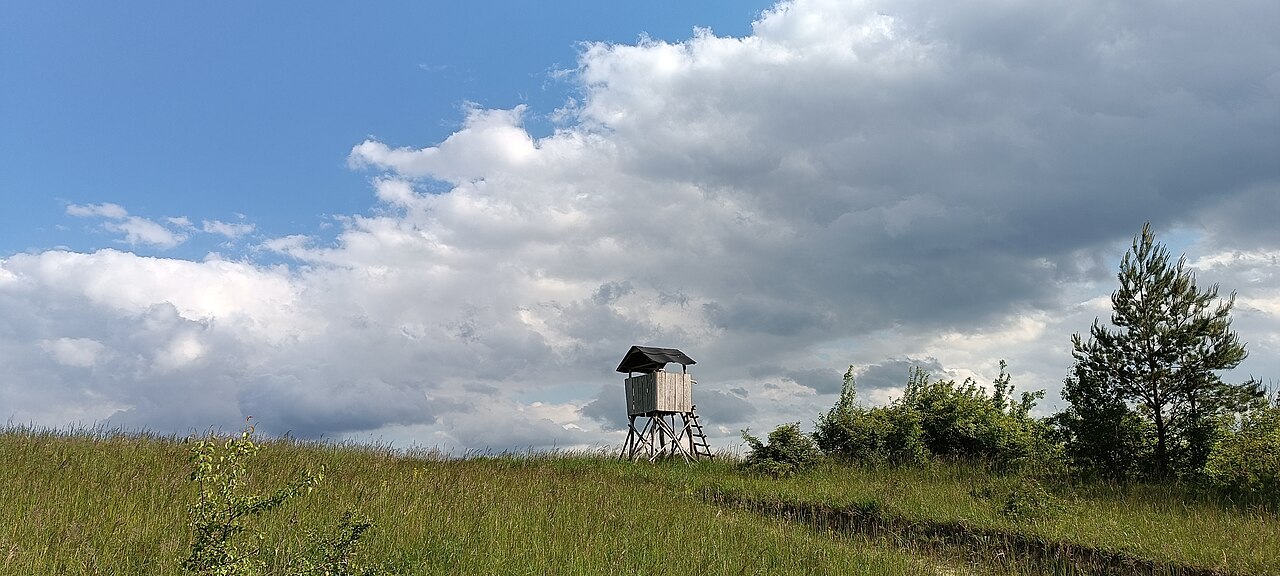
Before diving into the details, here is the short version. Tree stands win on visibility, scent dispersal, and shot opportunities in mature timber. Ground blinds win on weather protection, comfort during all-day sits, accessibility for hunters who cannot or should not climb, and concealment in open terrain like fields, food plots, and turkey strut zones.
- Tree stand strengths: 360-degree visibility, scent rises away from the animal, smaller silhouette against the sky, easier broadside shots
- Ground blind strengths: warmth and weather protection, room for gear and a chair, kid-and-spouse friendly, works in flat terrain with no climbable trees
- Tree stand weaknesses: fall risk, limited movement, requires climbable mature trees, steeper shot angles
- Ground blind weaknesses: limited shooting lanes, scent pools inside, deer notice new blinds, must clear sticks and brush from the floor
Factor 1: Elevation and Visibility
The single biggest advantage of a tree stand is being 15 to 25 feet above the deer’s eyeline. Whitetails evolved to scan for ground-based predators—coyotes, bobcats, wolves—so their threat-detection wiring is calibrated for movement at their own level. Lifting yourself above that plane shrinks the cone of detection dramatically. You can draw, anchor, and shoot while the deer is broadside at 20 yards, and as long as you move slowly the animal often never looks up.
A ground blind takes the opposite approach. Instead of getting above the deer, you become invisible at its level by hiding behind black-walled fabric. The trick is that deer pattern blinds as solid, harmless objects only after the blind has been in place long enough to become part of the landscape. Drop a brand-new blind on a heavily pressured property and mature does will give it the same suspicious circle they give a strange stump. Most bowhunters set ground blinds at least two weeks before opening day, brush them in with local vegetation, and avoid moving them between sits.
Factor 2: Scent Control
A whitetail’s nose has roughly 297 million olfactory receptors, compared to about 5 million in a human. Scent control is not optional—it is the entire game. Tree stands win this round on physics alone. Warm air carrying your scent rises off your body, and if the wind has any vertical component your scent cone moves up and over the deer rather than straight into its nose. The higher you sit, the more dispersal happens before the scent reaches ground level.
Ground blinds trap scent. Every breath, every sip of coffee, every shift of your boot soles on the floor releases molecules that pool inside the fabric walls and leak out the windows. The fix is rigorous scent control: rubber boots, scent-free wash on clothes, an ozone generator if your budget allows, and obsessive attention to wind direction relative to the blind’s shooting windows. Hunt the blind with the wind blowing from the expected deer travel route toward you, never the reverse.
Factor 3: Shot Angles and Arrow Penetration
Shot geometry changes dramatically between the two setups. From a tree stand, you are shooting down at a steep angle. A 20-yard horizontal shot from a 20-foot stand is closer to 22 actual yards but the vital zone is presented as a narrow band on the deer’s back. Arrows entering steeply often clip only one lung if the animal is quartering away, and the exit wound may be low on the off-side ribs, complicating blood trails. The fix is bending at the waist to keep your shoulder alignment vertical, and waiting for the deer to be slightly past broadside before drawing.
Ground blind shots are flat and broadside, which is the easiest angle for clean double-lung pass-throughs. The catch is the shooting window. You are restricted to whatever lanes you cleared and whatever windows you opened, and you must draw inside the blind without bumping the walls or hitting your top cam on the ceiling. Most bowhunters check their draw cycle on a chair, inside the blind, in their full hunting clothes, before opening day—not from the driveway in a t-shirt.
Factor 4: Comfort During Long Sits
The November rut rewards hunters who can sit dawn to dusk. This is where ground blinds quietly outperform tree stands for most people. A chair with a back, room to stretch your legs, a small heater, a thermos that does not need to be clipped to a hook—the difference between a four-hour sit and a ten-hour sit is comfort. A tree stand with a thin foam seat in 28-degree wind is a four-hour proposition for most hunters, regardless of what they tell themselves at the truck.
Ground blinds also block wind and rain almost completely. You can wear lighter clothing because you are not exposed to the elements, which means quieter draw cycles and less restricted shoulder movement. Hunters who take their kids, spouses, or aging parents along almost always default to a blind for these reasons.
Factor 5: Cost and Setup Time
Tree stands span a wide price range. A basic hang-on stand with steps runs around $80 to $150. A quality climbing stand from Summit or Lone Wolf is $300 to $500. A ladder stand with a shooting rail and roof is $200 to $400. Climbing sticks and a lifeline add another $100 to $200 to the system, and most serious bowhunters consider both non-negotiable.
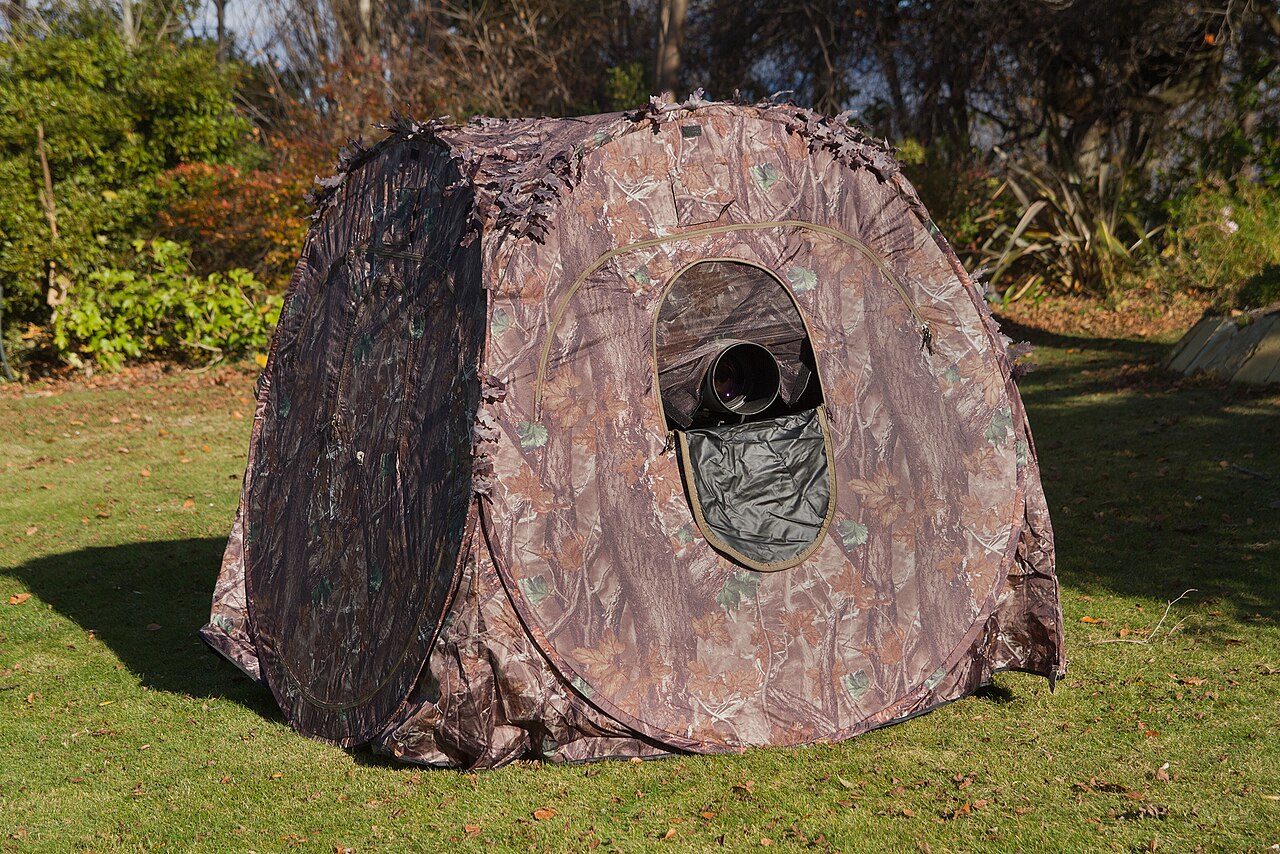
Pop-up ground blinds start around $100 for entry-level models like the Ameristep Care Taker and climb to $400 to $600 for premium hub-style blinds with shoot-through mesh windows from Primos, Rhino, or Barronett. Setup is faster—a hub blind goes from bag to brushed-in spot in under ten minutes—but you trade portability for less stealth on the approach, since a fully erected blind cannot be carried through brush.
Factor 6: Safety
This is the conversation nobody wants to have, but the numbers are unambiguous. Tree stand falls are the leading cause of hunting injuries in the United States. The Tree Stand Safety Awareness Foundation estimates that one in three hunters who use tree stands will fall at some point in their careers. Most falls happen during the climb up or down—not while sitting—and most could be prevented by a full-body harness with a lifeline that keeps the hunter attached from the moment their feet leave the ground.
Ground blinds have effectively zero fall risk. The trade-off is that you must clear shooting lanes without exposing your silhouette, and you must make sure the blind cannot be mistaken for game by other hunters on shared land—orange tape on the roof and the back wall is standard practice. For hunters returning from injury, hunters over 60, or anyone hunting with kids in tow, the safety calculus tips heavily toward ground blinds.
Harness and Lifeline Are Not Optional
If you hunt from a tree stand without a harness and lifeline, stop reading and order both before your next sit. The harness keeps you tethered while seated; the lifeline keeps you tethered during the climb and descent, which is when the overwhelming majority of falls occur. A $60 harness and a $40 lifeline is the cheapest insurance in hunting.
Factor 7: Species and Terrain Match
Different game and different terrain push the decision in opposite directions. Whitetails in mature hardwoods almost always favor tree stands—the trees are tall and straight, the deer scan low, and pinch points like saddles and benches funnel travel into predictable lanes. Western mule deer, elk in open parks, antelope on prairie edges, and spring turkeys all favor ground blinds because the terrain offers few climbable trees and the species pattern movement that brings them within point-blank range of a fixed ambush.
Hog hunting at night, predator calling, and feral pig control around feeders are also classic ground blind scenarios. The animals come in unpredictable directions, often at close range, and a blind lets you swivel a chair without being silhouetted against the sky.
When to Choose a Tree Stand
- Hunting mature hardwoods with climbable trees at 12-inch-plus diameter
- Hunting heavily pressured whitetail public land where every advantage matters
- Mobile hunting—relocating every few days based on fresh sign
- Early season when leaves still provide back-cover at height
- Hunting saddles, benches, and pinch points where deer movement is predictable
When to Choose a Ground Blind
- Hunting fields, food plots, and open terrain with no climbable trees
- Late-season cold-weather sits when warmth makes the difference between staying and quitting
- Turkey hunting—nothing else hides movement during the strut and approach
- Hunting with kids, spouses, or anyone who would benefit from a more relaxed setup
- Recovery from injury or any season your knees are not up to climbing sticks
- Long all-day rut sits where comfort directly impacts success
Hybrid Strategy: Use Both
Most experienced bowhunters do not pick one—they run a system. A climbing stand for mobile mid-season hunts in fresh sign, a pre-hung set on a known scrape line, and a brushed-in ground blind on the food plot for late-season cold snaps. Each tool covers a scenario the others cannot. Building this kit over two or three seasons is more cost-effective than buying one of everything in a single year, and it lets you learn how each setup actually behaves on your property before committing to expensive premium gear.
Practice Before Opening Day
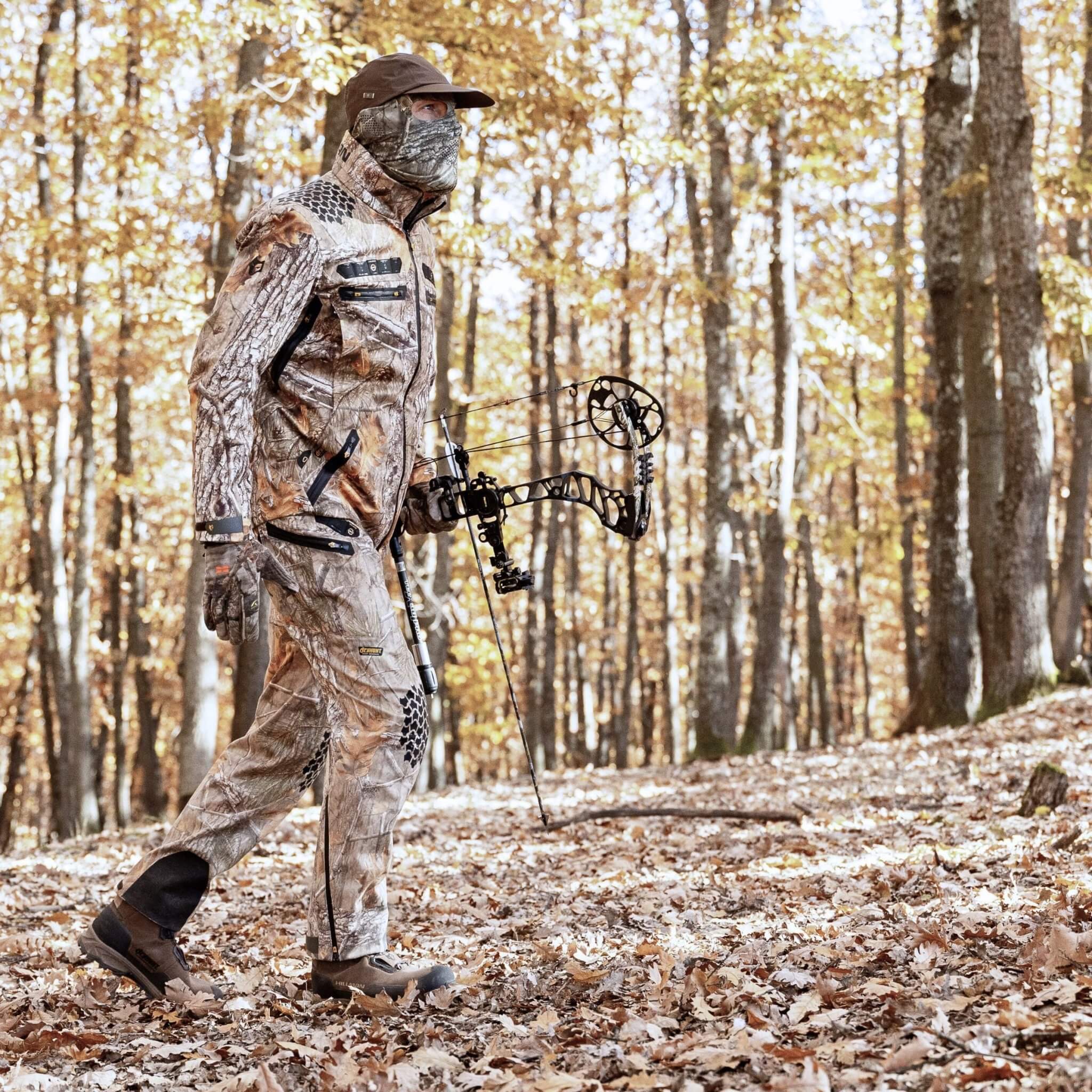
Whichever setup you choose, the shot is different from flat-ground 3D practice. Tree stand shooters need to rehearse bending at the waist on a steep downward angle—shoot from a deck, a balcony, or an elevated platform at the range. Ground blind shooters need to rehearse the full draw cycle while seated in a chair, in their hunting clothes, inside the blind. Both scenarios surface problems—a low cam clearance, a bowstring catching on a jacket, a back wall too close to the elbow—that you absolutely do not want to discover when the buck of the season is at 18 yards.
Final Verdict
There is no universal winner in tree stand vs ground blind—the right answer depends on your terrain, your species, your physical condition, and how many hours you can comfortably sit. Tree stands give you the elevation edge against whitetails in timber. Ground blinds give you comfort, weather protection, and the only viable setup for open terrain and turkey hunting. Most hunters who tag mature animals year after year own both, and they pick the tool that fits the hunt instead of forcing the hunt to fit the tool.
Match the setup to the situation, wear your harness every climb, brush in your blind weeks before the season, and the rest is just shooting straight when the moment comes.
Sources
- Tree Stand Safety Awareness Foundation
- National Deer Association
- National Wild Turkey Federation
- Pope and Young Club
Browse archery bows, arrows, and accessories at the Archery Supplier shop →
