
Uncategorized
3D Archery Scoring: How to Shoot a Course, Understand IBO vs ASA Rules, and Improve
Jul
The first time most archers walk onto a 3D course, they’re shocked by one thing: there are no yardage markers at the shooting stake. You walk up, look downrange at a foam deer or elk crouched in the brush, and guess. Get the distance wrong by five yards and even a mechanically perfect shot hits the wrong ring. That single variable — unknown distance — is what separates 3D archery from punching dots at 20 yards in a gym, and it’s exactly why so many competitive archers and bowhunters treat 3D shooting as their most important off-season training.
What Is 3D Archery?
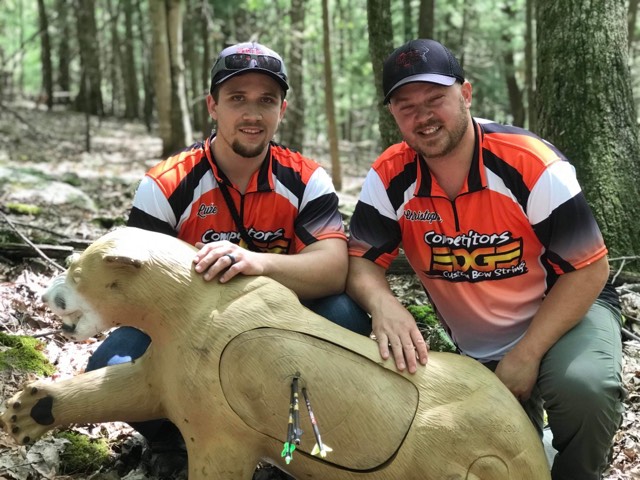
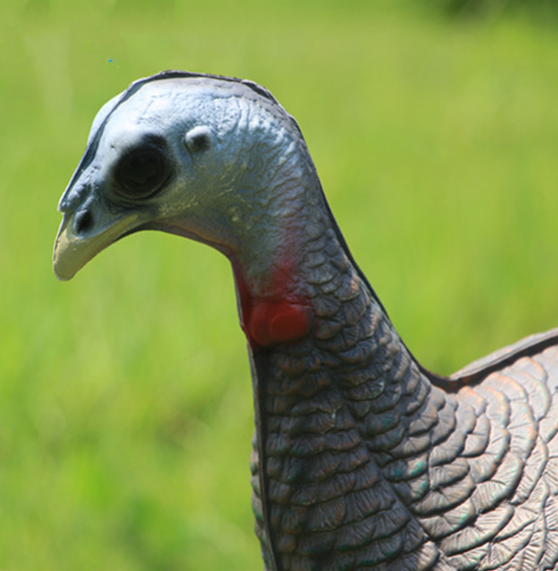
3D archery is a competitive shooting discipline where archers walk a preset outdoor course and shoot one arrow at each foam-rubber animal target — a whitetail deer, a black bear, a turkey, a coyote, an elk, or any number of other species depending on who supplied the targets and where you’re shooting. Most courses run 20 to 40 targets, laid out along trails that weave through trees, fields, and uneven terrain. The targets are set at varying, unmarked distances ranging from about 10 yards to well over 60 for open-class shooters.
Unlike a traditional target range, 3D archery builds in the variables that actually matter for hunters: uphill and downhill shots, shadows that compress apparent distance, targets partially screened by brush. It was designed to keep bowhunters sharp in the off-season, but it’s grown into a serious competitive sport in its own right, with the IBO and ASA running national circuits with professional divisions and real prize money.
How a 3D Course Works
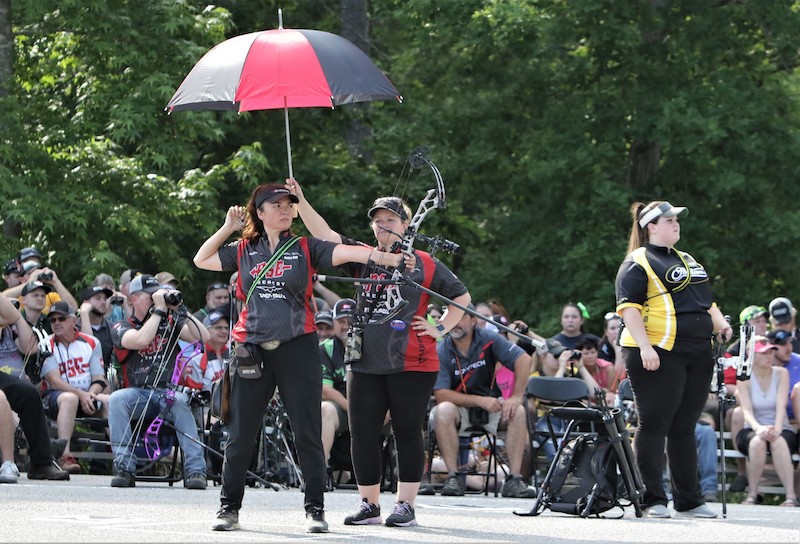
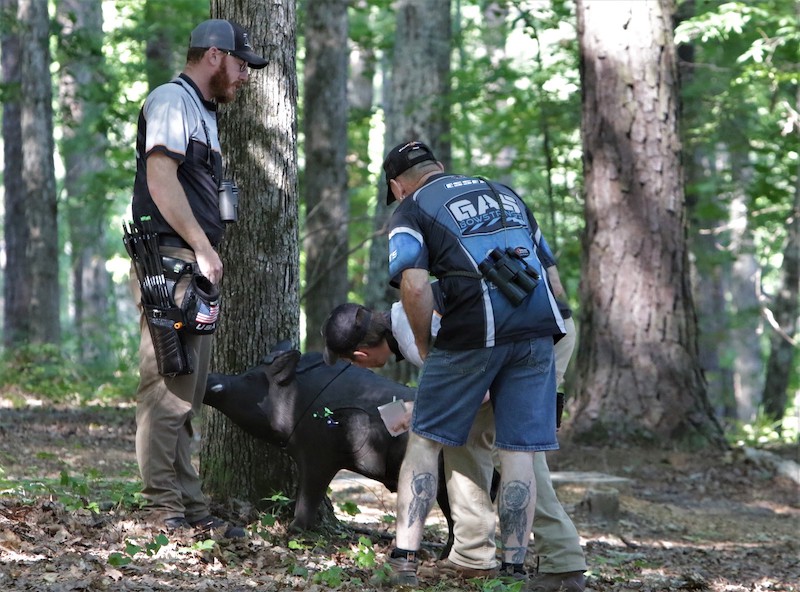
Each target station has one or two shooting pegs — front and back — and archers choose based on their division (open, hunter, senior, youth, traditional). Groups of three or four archers move through the course together. One archer shoots at a time while everyone else watches; after all arrows fly, the group walks to the target to score, pull arrows, and record the results before moving to the next station.
The social element is part of the appeal. You spend most of the round walking through the woods with whoever you’re grouped with, discussing the last shot or estimating the distance on the next one. At a recreational club shoot, the atmosphere is casual and forgiving. At an ASA or IBO sanctioned event, it’s still friendly — but the scoring is taken seriously and the etiquette expectations are real.
IBO Scoring: Understanding the 11-10-8-5 System
The International Bowhunting Organization (IBO) runs the most widely used 3D scoring format in the United States. Each target has three concentric scoring zones within the kill area: the smallest innermost ring scores 11 points, the next scores 10, and the outer kill-zone ring scores 8. Any arrow that hits the body of the animal outside those rings scores 5 points. A complete miss scores zero.
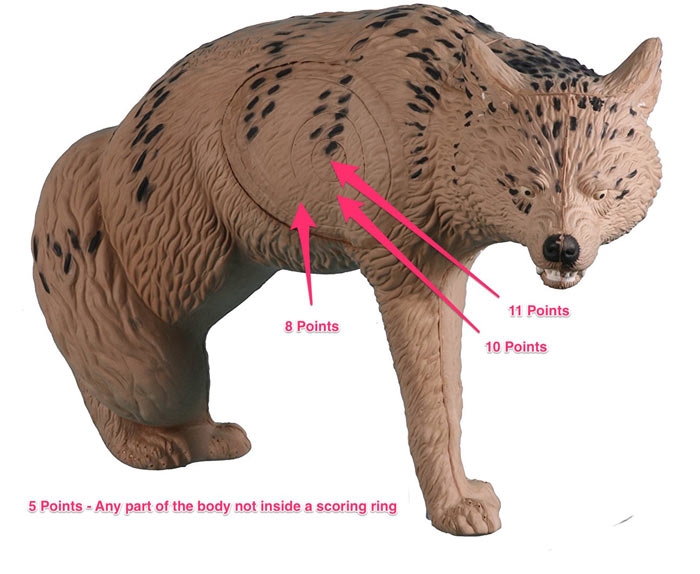
For a 20-target IBO round, a perfect score is 220 (all 11s). At most club shoots, breaking 180 is competitive and breaking 200 puts you near the top of the recreational division. The 11-ring is smaller than most beginners expect — often no larger than a softball when you’re looking at it from 45 yards — which is why 3D archery scoring comes down to distance judgment more than raw shooting skill for most archers. You can have a technically sound shot and still land in the 8-ring if your yardage call is off by more than a few yards.
ASA Scoring: The 12-Point System Explained
The Archery Shooters Association (ASA) operates its own national circuit and uses a slightly different scoring system. The main difference is the addition of a 12-point inner ring at the very center of the kill zone. The rings then step down through 10, 8, and 5, with the same body-hit/miss structure as IBO. The 12-ring is tiny — on some targets it’s barely larger than a silver dollar — and it’s designed specifically to reward archers who can control precision at distance.
On a 20-target ASA round, a perfect score is 240 (all 12s). Professional ASA competitors routinely average above 220 per round, which means they’re hitting the 12 and 10 rings consistently from marked and unmarked yardages throughout a full course. If you plan to compete at the ASA circuit level, understand from day one that the 12-ring is the only number that matters at the top of the leaderboard.
Distance Judging: The Skill That Defines Your Score
At most recreational 3D shoots, electronic rangefinders are banned or restricted to an open class where everyone uses them. In hunter, traditional, and most competitive divisions, you estimate. A 5-yard error on a 40-yard shot moves your arrow from the 10-ring to a 5 in many scenarios — and that’s on a clean shot with perfect form. Distance judgment is a learnable skill, not an innate talent, and it sharpens fastest through repetition outside of formal practice sessions.
The most effective training method: pick random objects in your yard, field, or parking lot, call the distance out loud, then confirm with a tape measure or rangefinder. Do this daily, using varied targets at varied sizes (a post, a stump, a parked car), and your eye calibrates over two to three weeks. At actual 3D targets, the species matters: a life-size deer at 25 yards looks different from the same target at 45 yards, and an elk target looks different from a turkey at identical distances. The more species variety you practice on, the better.
The mental pressure of unknown-distance shots is also worth preparing for deliberately. Archers who manage uncertainty well tend to commit fully to their distance call and shoot their process — those who second-guess themselves stall mid-draw, change their aiming pin, and scatter arrows across ring values. Building your archery mental focus to handle that in-the-moment uncertainty is as trainable as any physical skill.
Essential Gear for 3D Archery
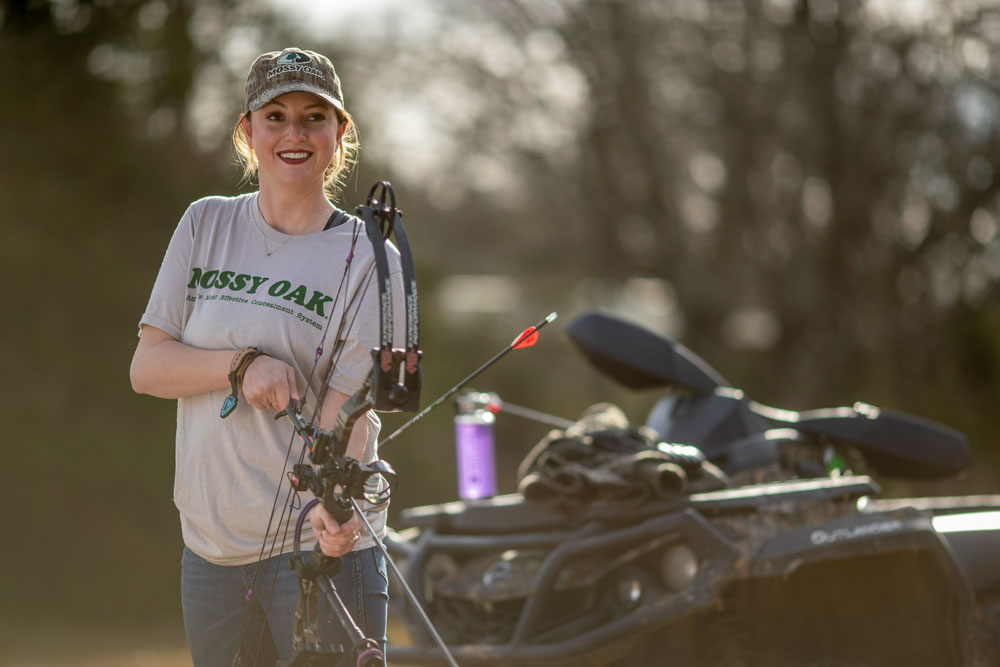
Most 3D competition is dominated by compound bows, though recurve and traditional classes exist at virtually every sanctioned event. For 3D, you don’t need the newest or most expensive bow — you need one that’s been tuned and shot enough that you know how it behaves at every distance in your range. Changing any component before a tournament is a mistake. The bow and arrow combination that groups tightly at 40 yards in practice is the one you shoot on course.
Arrow selection matters more in 3D than most beginners expect. A well-tuned arrow that groups at 30 yards may open up noticeably at 50 yards if the spine doesn’t match your draw weight and length. Have someone qualified tune your arrows to your bow before shooting a 3D event, and then practice extensively at home with that exact combination. Sessions built around archery practice drills at home that simulate unknown-distance shooting — picking random targets from varied positions — transfer directly to course performance in ways that flat-range practice does not.
6 Ways to Lower Your 3D Score
These adjustments produce the most consistent score improvements across skill levels, in order of impact:
- Commit to your distance call before you draw. Say it out loud if you have to: “This is 38 yards, I’m aiming with my 40-yard pin, I’m holding low.” Changing your distance estimate mid-draw is how arrows end up in the 5-ring.
- Keep your shot routine identical under pressure. The shot you rush at a tournament peg is the one you’ve been skipping steps on during practice. Your archery follow-through should look the same on shot 1 and shot 40 of a round.
- Study the kill zone before you step to the peg. Walk up, identify the scoring rings relative to the animal’s anatomy — shoulder blade, heart area, spine — before you nock an arrow. This takes ten seconds and eliminates the hesitation that causes rushed shots.
- Practice on 3D animals at home, not just paper faces. An hour on a foam animal target trains your eye to locate the kill zone on unfamiliar presentations far better than 50 shots at a paper bullseye.
- Track which target species you consistently score low on. Turkey and bear targets are common trouble spots because the kill zone anatomy is less intuitive than a deer. Identify your weak target and drill it specifically.
- Slow down in tight shooting lanes. The shots archers are most likely to rush are the ones with physical constraints — a narrow gap in brush, a steep uphill angle, a target angled away from the stake. The instinct is to hurry; the correct move is to pause an extra two seconds before drawing.
What to Expect at Your First 3D Tournament
Arrive at least 30 minutes before your assigned wave. Most events have a practice target near registration — use it to check your sight marks and settle your nerves. When you’re placed in a group, introduce yourself; the group dynamic shapes your whole round. A quiet competitive group shoots efficiently and gets out of your space; a friendly recreational group will be chatty and may shoot slower. Both are normal.
On the course, if you’re unsure whether your arrow broke the ring line at a target, the standard rule is that the arrow must clearly break the line (cut it) to score the higher value. When you genuinely can’t tell, call the lower score — it’s the expected etiquette at every level of the sport. Arguing over borderline arrows slows down every group behind you and marks you immediately as someone who doesn’t know the culture.
After the round, most events have a check-in area where you hand in your scorecard. First-timers almost always end the day wanting to go again — 3D archery has a way of hooking people quickly. The combination of outdoor movement, judgment-based shooting, and competition without the pressure of a range line makes it one of the most repeatable forms of practice there is.
Sources
- Scoring 3D Targets — Archery360 breakdown of IBO and ASA scoring rings and how to read them on foam animal targets.
- 3D Archery Demystified: Platforms, Rules, and Scoring — ShootingTime guide covering the major 3D organizations and their formats.
- A Guide to 3D Archery Tournaments — Mossy Oak overview of tournament format, group procedures, and competitive divisions.
- 3D Archery | World Archery — Official World Archery coverage of international 3D competitions and rule sets.
