Archery Blog
Arrow Rests Compared: Drop-Away, Whisker Biscuit & Launcher
Jul
The arrow rest is the smallest, cheapest-looking component on your compound bow, and it quietly decides whether every shot flies true or wobbles off target. It is the last thing your arrow touches before it leaves the bow, which means any contact, timing error, or fletching clearance problem gets multiplied all the way downrange. Understanding how the major rest designs behave is the difference between a bow that groups tightly and one that fights you no matter how good your form is.
This is not a ranked list of “best” rests, because the right answer depends entirely on how and where you shoot. Instead, we are going to break down the three families of arrow rest side by side, look at the physics behind each, and give you a clear way to match a design to your setup.
What an Arrow Rest Actually Does
An arrow rest supports the shaft at the exact height and horizontal position where the arrow can leave the bow cleanly. On a modern compound bow, the goal is for the arrow to fly straight off the string with minimal contact and zero interference from the fletching. Every rest design is really just a different answer to one problem: how do you hold the arrow steady while you draw and aim, then get completely out of the way the instant the string is released?
That tension between containment (keeping the arrow put) and clearance (releasing it cleanly) is the entire story. The more securely a rest cradles your arrow, the more material sits in the path of the fletching at the shot. The more aggressively a rest drops away, the more it relies on precise timing. The three main designs each pick a different point on that spectrum.
Full-Containment Rests: The Whisker Biscuit Approach
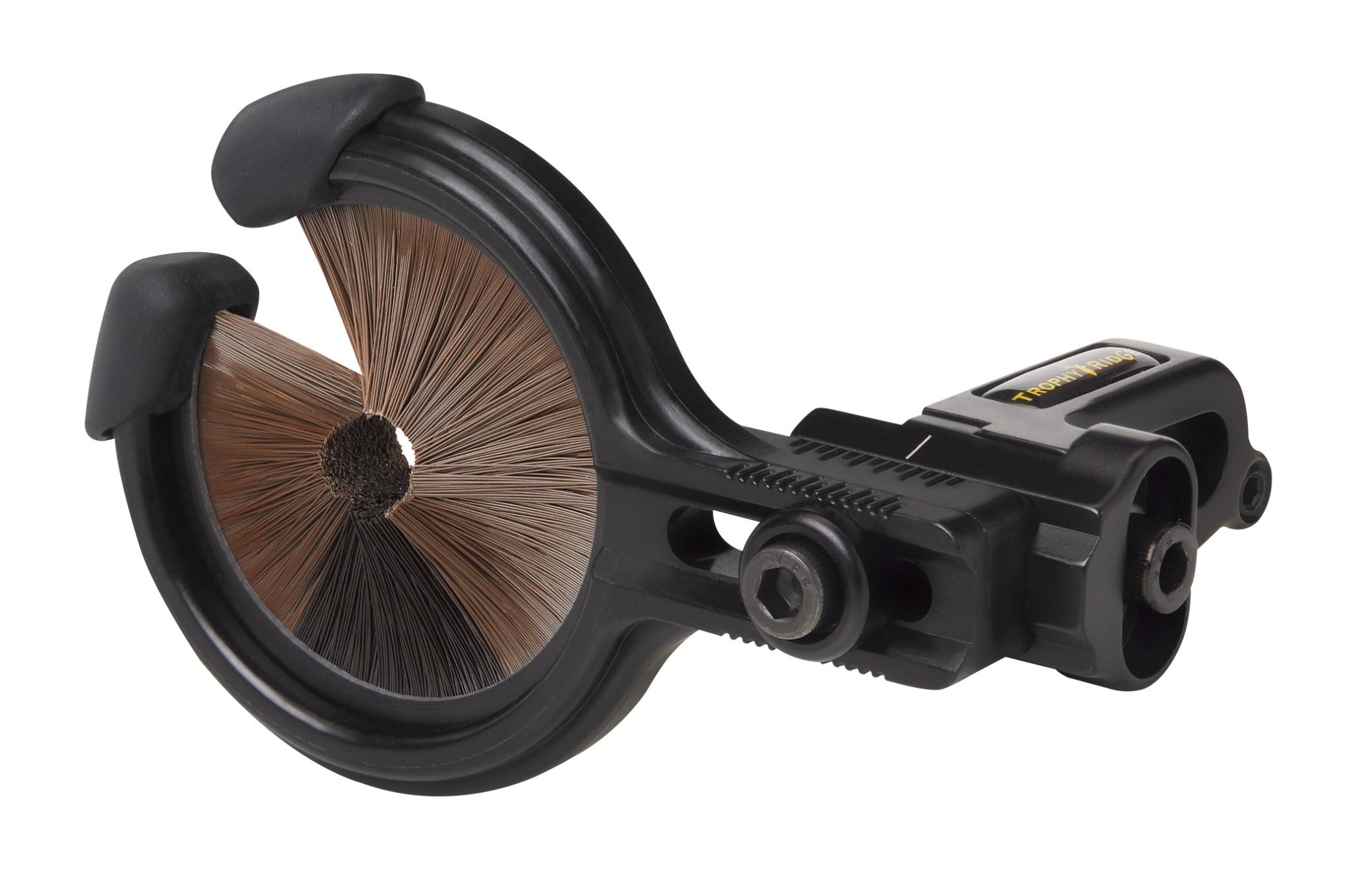
A full-containment rest surrounds the arrow shaft on all sides. The most recognizable example is the Whisker Biscuit, which uses a ring of stiff bristles to hold the arrow in a fixed circle. The shaft passes through the center, the fletching brushes through the bristles at the shot, and the arrow is captured whether you are pointing straight up a tree or hanging upside down out of a ground blind.
The appeal is bulletproof security. Your arrow simply cannot fall off, no matter how you move, which makes containment rests the default recommendation for new archers and for hunters who draw slowly on a live animal. There are no moving parts to fail, nothing to time, and setup is about as forgiving as archery gear gets.
The trade-off is contact. Because the bristles touch the fletching at launch, they scrub a small amount of speed and can accelerate vane wear over hundreds of shots. In practice the velocity loss is minor — usually a few feet per second — but target archers chasing the last sliver of consistency tend to look elsewhere. For a hunting bow that lives in a truck and gets used under pressure, that reliability is often worth more than the speed.
Shop Whisker Biscuit Full-Containment Rests on Amazon →
Drop-Away Rests: Clearance Above All
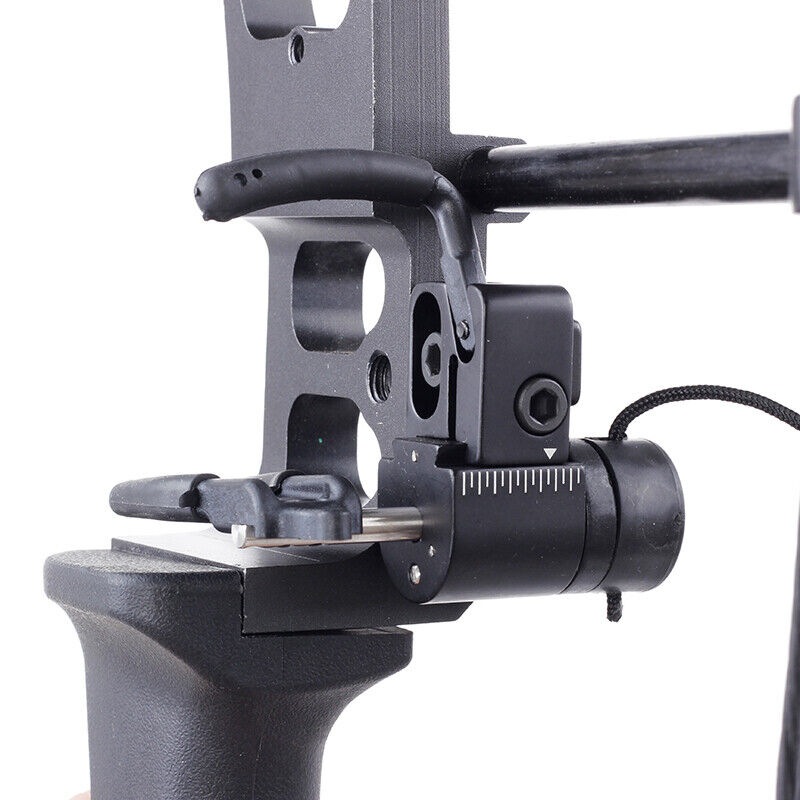
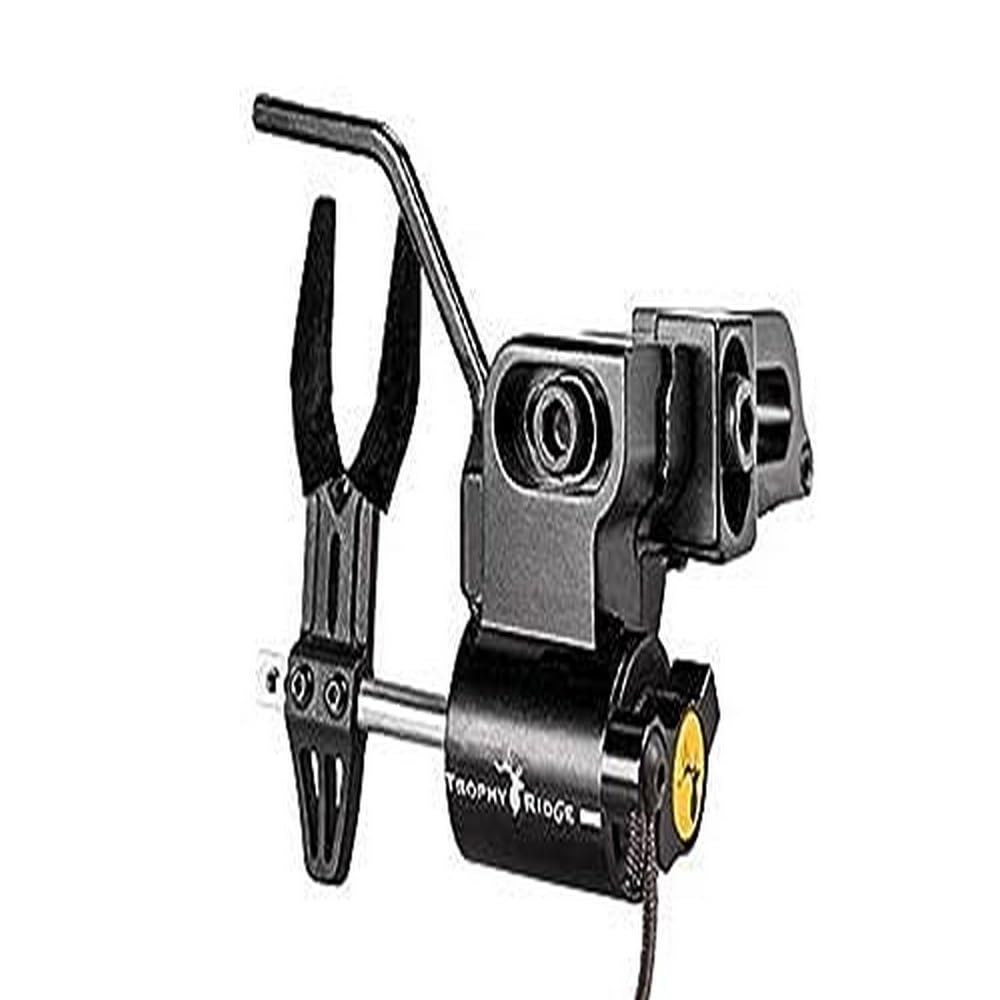
A drop-away rest supports the arrow only while you draw and aim, then falls flat out of the way the moment you fire. It is usually driven by a cord tied to the buss cable or the downward-moving part of the bow, so the rest arm rises to cradle the arrow during the draw cycle and collapses during the shot. When it is timed correctly, the fletching passes over completely empty space.
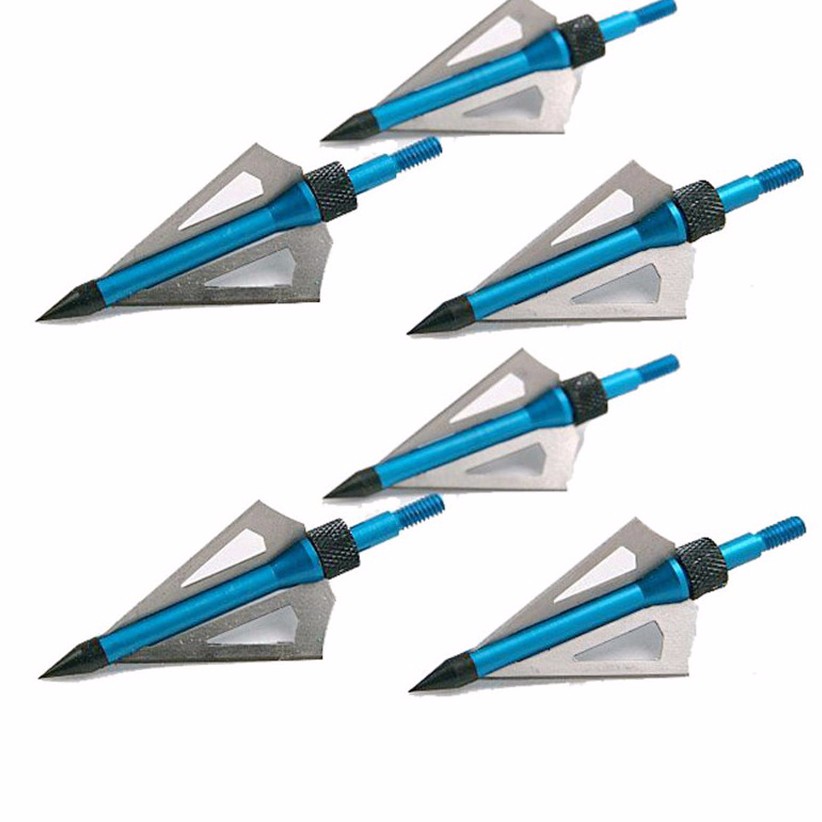
This is why drop-aways dominate serious hunting and target rigs. Zero fletching contact means the cleanest possible arrow flight, complete freedom in the vanes and helical you choose, and no speed penalty from brushing bristles. For anyone shooting fixed-blade broadheads or large steering vanes, the total clearance is a genuine accuracy advantage, not marketing.
The Catch: Timing
A drop-away only works if it drops at the right instant. Set the timing so the rest falls too early and the arrow loses support before it clears the shelf; too late and the fletching clips a rest arm that has not finished moving. Dialing in that cord length and drop point is the main setup task, and it is where a lot of frustration lives for people new to the design. There is also a small window during a slow draw where a poorly designed drop-away can let the arrow slip — though modern rests solve this with a launcher that holds the arrow captive until full draw.
If you are willing to invest ten minutes in tuning and want the flattest, cleanest arrow flight available, a quality drop-away is hard to beat. Pair it with proper arrow flight fundamentals and it rewards good form generously.
Shop Drop-Away Arrow Rests on Amazon →
Launcher and Blade Rests: The Target Purist’s Choice
The third family holds the arrow on a thin blade or a pair of prongs with no containment at all. These launcher-style rests are the traditional choice for indoor target and 3D competition, where every shot is fired from a stable, deliberate stance and the arrow is never in danger of falling off. A single flexible blade under the shaft flexes on release and provides an extremely clean, repeatable launch.
Blade rests reward meticulous tuning. Blade thickness, height, and center-shot position can all be adjusted to a fine degree, and because the contact area is tiny, arrow flight is exceptionally consistent when everything is set right. This is the rest you see on the bows of archers who shoot the same distance, in the same conditions, thousands of times a year.
The downside is obvious: there is nothing holding the arrow in place. Tip the bow, bump the shaft, or draw on a moving target and the arrow can slide off entirely. That makes blade and prong rests a poor fit for hunting, but a superb one for the controlled world of paper and foam.
Head to Head: How the Designs Stack Up

Line the three families up against the qualities that actually matter and the picture gets clear fast:
- Containment: Full-containment wins outright; drop-aways vary by model; blade rests offer none.
- Fletching clearance: Drop-aways and blades are best; containment rests always touch the vanes.
- Setup difficulty: Containment is easiest, blades are moderate, drop-aways require timing.
- Forgiveness of shot angle: Containment handles any angle; drop-aways are good; blades demand a level bow.
- Speed and arrow flight: Drop-aways and blades edge out containment thanks to zero or minimal contact.
Notice there is no single winner. Each design trades one virtue for another, and your job is to decide which virtues your kind of shooting actually needs.
Matching a Rest to How You Shoot
If you are new to the compound bow, or you hunt from tree stands, ground blinds, or any position where the arrow gets jostled, start with a full-containment rest. The peace of mind of knowing your arrow will never fall off is worth far more than a couple of feet per second, and the near-zero setup lets you focus on form instead of gear.
If you are a dedicated bowhunter who wants the cleanest flight for broadheads and does not mind tuning, move to a quality drop-away. It gives you containment during the draw and total clearance at the shot — the best of both worlds, provided you set the timing correctly and check it periodically.
If you shoot target or 3D from a stable stance and chase the tightest possible groups, a blade or launcher rest gives you the finest adjustment and the most repeatable launch. Just accept that it demands a level bow and a controlled shot every time.

Whichever family you choose, remember that the rest is only one link in the chain. Center-shot alignment, arrow spine, nocking point height, and vane clearance all interact with the rest to produce the flight you see downrange. A cheap rest set up perfectly will out-shoot an expensive one that is mistuned every single time.
Compare Top-Rated Arrow Rests on Amazon →
Paper Tuning: How to Prove the Rest Is Right
Buying the correct rest is half the job. Proving it works takes a sheet of paper and about fifteen minutes. Stretch a piece of newspaper across a frame, stand roughly six feet back, and shoot a single arrow through it into a target behind. The tear the arrow leaves tells you exactly what the rest and the rest of your setup are doing at the shot.
A clean bullet hole — a round point with three or four evenly spaced slits — means the arrow is leaving straight and the rest is doing its job. Any tail-high, tail-low, or side tear points to a specific fix. A tail-left tear (for a right-handed shooter) usually means the rest needs to move right a hair, or the arrow is too weak. A high tear points to nocking-point height, not the rest itself. Move in small steps, about 1/32 of an inch at a time, and shoot again after every adjustment.
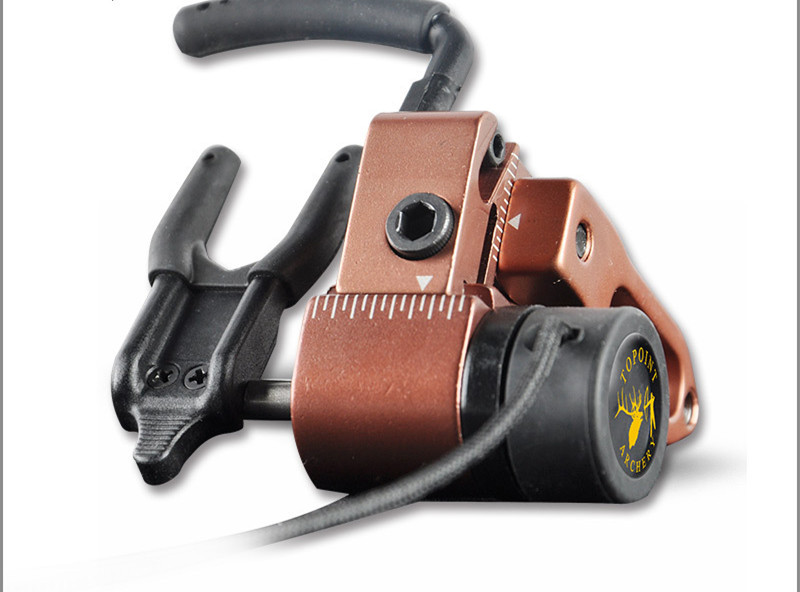
Drop-away rests get one extra check that containment rests skip: timing. Mark the launcher arm with a dot of paint or a paper clip, draw the bow slowly, and watch when the arm rises. It should reach full support well before you hit the wall, and it should stay up until the string is nearly home. If it collapses early, shorten the cord; if it rises late, lengthen it. Ten minutes here saves you a season of unexplained fliers.
Run this test again once you switch to hunting arrows. Field points and broadheads fly differently, and a rest tuned for bare shafts can throw a fixed-blade head an inch off at 30 yards. Tune with the broadheads you actually hunt with, not the practice points you sighted in on.
Common Mistakes When Choosing and Installing a Rest
Most rest problems have nothing to do with the rest. The first mistake is buying above your skill level. A brand-new archer who drops $150 on a micro-adjust drop-away and never learns to time it will shoot worse than the same person on a $30 containment rest set up correctly. Match the rest to where you are today, not where you imagine you will be in two years.
The second mistake is ignoring center shot. The rest has to sit so the arrow points straight down the middle of the riser and lines up with the string and the berger hole. Bolt a rest on without setting center shot and no amount of sight adjustment will fix the wandering groups that follow. Set it with the arrow, a straightedge, and the string before you ever touch the sight.
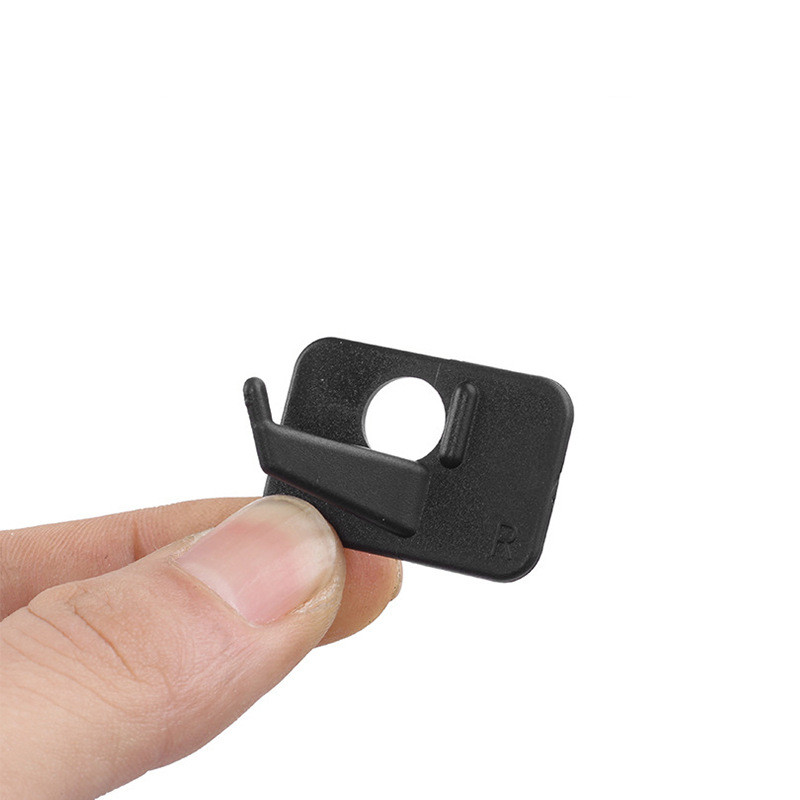
The third is forgetting fletching clearance. On containment and blade rests especially, the vanes have to pass without smacking a launcher arm or a cage wall. Spray the rest and the first few inches of the arrow with foot powder or lipstick, shoot one arrow, and look for a wipe mark. A clean rest means clean clearance; a scuff means you rotate the nock a few degrees and try again. It is a two-minute check that catches the single most common cause of mystery fliers.
Last, people mount a rest and never touch it again. Cords stretch, screws back out under vibration, and a launcher that was perfect in spring can drift by fall. Check the mounting bolts and, on a drop-away, the timing every few dozen shots. A rest is a moving part on a machine that fires 300 times an hour — treat it like one.
The Bottom Line
There is no universally best arrow rest — only the best rest for your discipline, your patience for tuning, and the conditions you shoot in. Full-containment rests trade a whisper of speed for absolute reliability. Drop-aways deliver the cleanest hunting flight if you respect the timing. Blade rests offer surgical precision for the archer who never lets the bow wobble. Decide what matters most for your shooting, set the rest up meticulously, and the rest of your accuracy follows.
Sources
