Archery Blog
Nocking Point and D-Loop Wear: When to Replace Them on Your Compound

May

Your nocking point sits where every shot begins, and your d-loop transmits release energy directly into the arrow. When either piece of string hardware drifts, frays, or shifts even a fraction of a millimeter, your groups open up before you understand why. Compound archers tend to obsess over cams, draw modules, and rest position while ignoring two of the most failure-prone components on the bow. This guide skips the basic install walkthrough and focuses on diagnosis: how to spot wear, what symptoms point to which problem, and when string hardware is the actual cause of the accuracy issue you’ve been chasing for weeks.
How Nocking Points and D-Loops Fail Under Load
A compound bow at 70 pounds of holding weight loads its string with several hundred pounds of peak force at full draw, and that force concentrates at exactly two points: the nocking point and the d-loop knots. Every shot subjects these components to a violent acceleration cycle, then a sudden stop as the string returns to brace. Over thousands of cycles, the materials creep, fibers degrade, and serving threads abrade.
Brass nocking points loosen as the serving underneath compresses. Tied nocking points (whether thread serving or dental floss) work loose if the original archer used too few wraps or didn’t burn the tag ends properly. Polyester d-loop material stretches under heat and UV, and the inner fibers can fail before the outer jacket shows any visible damage. Cold weather exposes brittleness that warm-weather shooting masks. By the time most archers notice a problem, the hardware has been compromised for weeks.
Six Warning Signs Your String Hardware Needs Attention
Vertical group shift you can’t tune out
If your arrows started hitting two inches low last week and your sight, rest, cam timing, and arrow weight all check out, look at the nocking point. Even a 1/32-inch shift in nocking point height moves point of impact at 30 yards more than most shooters expect. Brass nocks creep over time. Tied nocking points migrate after heat exposure or if the serving underneath has compressed.
Inconsistent release feel
A d-loop that has stretched asymmetrically, with one leg longer than the other, pulls your release aid off-center at the shot. The result feels like a release malfunction, but the hardware is the cause. If you’ve cleaned and oiled your release and the inconsistency remains, measure the d-loop legs.
Visible fuzz, fraying, or color change
Black or olive d-loops fade to gray-brown as polyester degrades from UV. Fuzziness on the working surface where the release jaws contact is a warning that the material is two or three weeks from a catastrophic break. Replace immediately, not later.
Serving separation around the nocking point
The serving thread that wraps your string under the nocking point should sit tight and uniform. If you see gaps, peel-back, or the brass nock spinning freely on the string, the serving is finished. Continuing to shoot risks the string itself.
Sudden left-right group changes
Less common but real: if your d-loop knots have rotated around the string, your nocking angle changes and the arrow leaves the string differently. Look at your knots; they should sit in the same orientation they did when first tied.
Audible string slap or release snap-back
A frayed d-loop microseconds from failure often produces an unusual sound at release. Trust your ears. Stop shooting and inspect.
A 60-Second Pre-Session Inspection Routine
Before stringing up at the range, run this quick check. It takes less time than nocking your first arrow.
- Visually scan the d-loop top-to-bottom: any fuzz, color change, or asymmetry?
- Pinch each d-loop knot: should be hard and immobile, not soft or sliding.
- Check nocking point: brass nocks should not spin on the serving. Tied nocks should not feel mushy.
- Look at the serving above and below the nock: smooth and tight, no gaps.
- Flex the string lightly: any wax pulling away in clumps signals serving problems below.
If anything fails this check, replace before shooting. The hardware is cheap. A dry-fire from a snapped d-loop is not.
Replacement Materials That Actually Last
Material selection determines how often you’ll be doing this. The cheapest spool of unbranded d-loop material on a marketplace listing is usually a regret.
- BCY Power Grip d-loop material is the industry default for a reason: consistent diameter, good knot retention, predictable lifespan around 6 to 12 months of regular use.
- BCY .024 Halo serving for nocking points holds up under heat better than older 3D serving.
- A small butane or jet lighter for melting tag ends. Cheap disposables sometimes carbonize the material instead of fusing it cleanly.

Replacing the D-Loop Without a Press
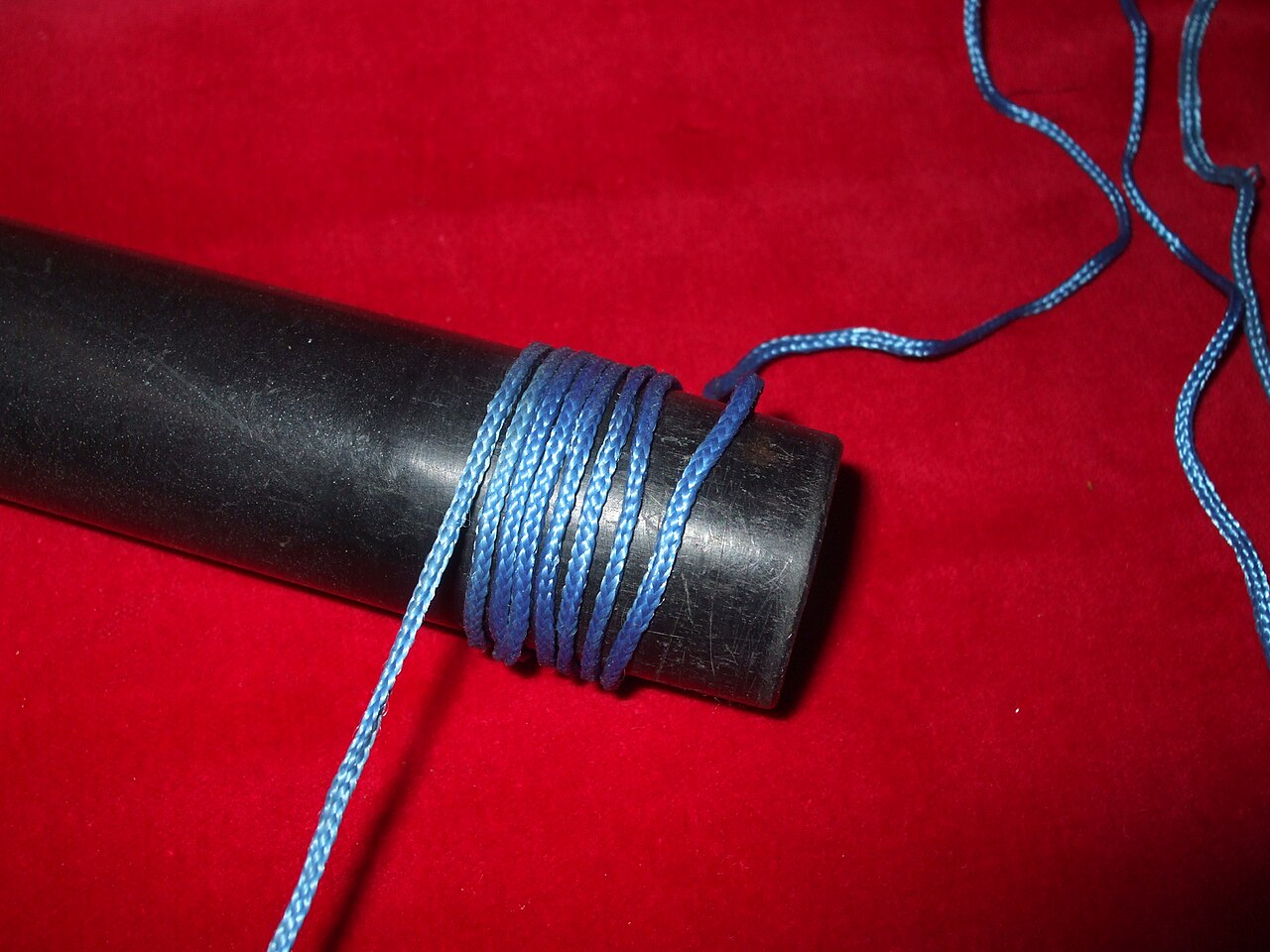
Most archers can swap a d-loop on the string without removing tension, using the bow’s brace tension to hold the loop in place during tying. Cut the old loop, leaving the existing serving intact. Cut a 4.5-inch piece of fresh d-loop material. Sear both ends to a small mushroom. Tie the standard double overhand knot above and below the nocking point, with the loop opening toward the cable side. Burn each tag tight against the knot, but not so close you scorch the knot itself.
If you’ve never tied a d-loop, the video below from a working pro shop walks through the full process at a pace you can pause and follow.
How Worn Hardware Actually Affects Your Groups
The numbers matter here. Independent testing at multiple US pro shops has documented predictable patterns:
- 1/16-inch nocking point shift = roughly 1.5 to 2 inches of vertical change at 30 yards.
- Asymmetric d-loop leg lengths greater than 1/16-inch difference = release torque visible as horizontal flier patterns.
- Worn serving under brass nocks = inconsistent arrow nock fit, which shows as random vertical fliers.
If you’re trying to chase a tuning issue and one or more of these conditions exists, you’re tuning around the wrong variable. Fix the hardware first, then tune.
Lifespan Expectations by Use
A reasonable replacement schedule for a compound shooter:
- Tournament shooter, 300+ arrows per week: d-loop every 3 to 4 months, nocking point inspected weekly, served fresh every 6 months.
- Recreational or league shooter, 50 to 100 arrows per week: d-loop every 6 to 9 months, nocking point inspected monthly.
- Hunter, sighting-in season plus practice: d-loop annually, nocking point annually, both replaced any time the bow takes a hard fall.
UV exposure in vehicles or south-facing windows triples the wear rate. Store the bow in a case when it isn’t in use.

Tools That Make Replacement Easier
You don’t need a full pro shop, but a few items earn their keep:
- Serving jig (Cartel or AAE basic models work fine for nocking point work).
- Razor blade or precision knife.
- Calipers for measuring d-loop leg length symmetry.
- Bow square for nocking point height. Non-negotiable.
- Lighter, jet or butane preferred.
When to hand it to a pro shop
DIY makes sense for d-loop swaps and basic nocking point retie. Hand it to a pro shop when the serving under the nocking point has separated (full re-serve is a press job), when you’re replacing the string itself, or when cam timing has shifted alongside the nocking point migration. Mixing those issues at home is how strings get destroyed.
Common Mistakes Even Experienced Archers Make
Reusing the old nocking point position blindly
When you replace serving, the old marks disappear. Don’t guess. Set with a bow square to your tuned reference, typically 1/8-inch above square depending on rest and arrow combination.
Tying d-loop knots too tight on the first pull
Snug them progressively over 10 to 15 arrows. Pulling them bone-tight cold can deform the string serving permanently and cost you a re-serve.
Buying the cheapest d-loop material online
The savings are pennies. The cost of a snapped loop dry-firing your bow is hundreds in cams, modules, and limbs.
Skipping the symmetry check
Both d-loop legs should be the same length within 1/32-inch. Calipers don’t lie, eyeballing does.
Ignoring storage temperature
A bow left in a hot vehicle for one summer afternoon ages the d-loop material more than a month of regular use.
A Quarterly Maintenance Cadence
Every three months, regardless of shot count, run through a structured check:
- Inspect d-loop and serving with magnification.
- Measure nocking point height against your tuned reference.
- Compare d-loop leg lengths with calipers.
- Check brass nock for spin.
- Note shot count in your log so you can spot drift over time.
If nothing fails the check, shoot another quarter. If anything is borderline, replace it. Hardware that’s good enough right now becomes a problem at the worst possible moment, usually mid-tournament or on the morning of opening day.


A Word on Custom and Hybrid Setups
If your bow uses a hybrid d-loop system (BowMar Nose Button, integrated nock fingers, kisser-button-and-loop combinations, or any of the speed-bow integrated systems), the inspection checklist above still applies but the replacement process changes. Reference the manufacturer’s instructions for those systems and don’t extrapolate from a standard d-loop tutorial. A miscut on a Nose Button setup can require an entire re-string, and that’s a paid pro shop visit.
The two cheapest parts of your compound bow are the two parts most likely to ruin your week. Treat them accordingly.
Bottom Line
Nocking points and d-loops are the two cheapest, most replaceable, most failure-prone components on your compound bow, and they get the least attention. Build a 60-second pre-session check into your range routine and a quarterly replacement window into your calendar. Most accuracy mysteries that survive sight tuning, rest tuning, and arrow tuning are hardware mysteries hiding in plain sight. Look at the string first, the cams second, everything else after.
Sources
- BCY Fibers product specifications and material data
- Lancaster Archery Supply technical resources
- Easton Archery tuning and maintenance guides
- Archery Trade Association maintenance recommendations
