
Archery Blog
How to Group Arrows Tighter: 9 Proven Fixes
Jul
A three-inch group at 20 yards is not a talent problem. It is a repeatability problem. The archers who stack arrows into a fist-sized cluster are not stronger or more gifted than you are — they have simply removed the variables that move the arrow around the target. To group arrows tighter you have to hunt down those variables one at a time, and most of them live in your form, not your gear. This guide walks through the causes in the order they actually matter, so you spend your practice time where it pays.
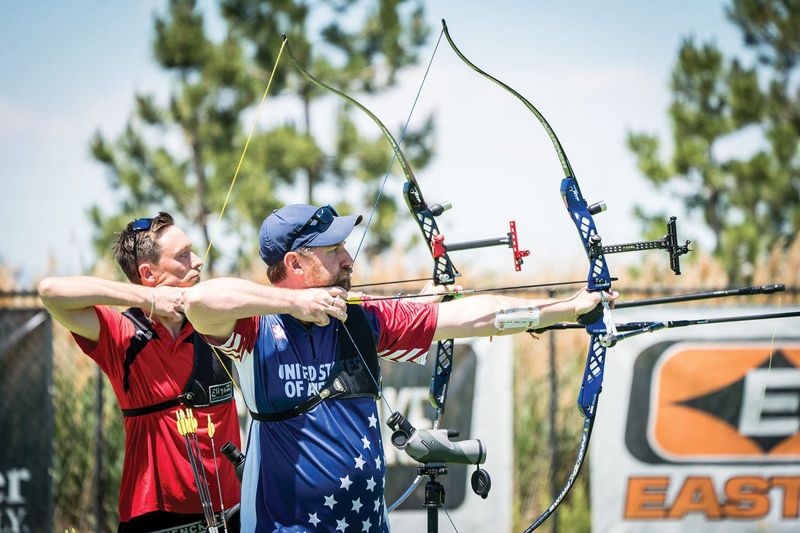
Elite archers group tightly because they repeat the same anchor and release on every shot — not because they aim harder.
What Arrow Grouping Actually Measures
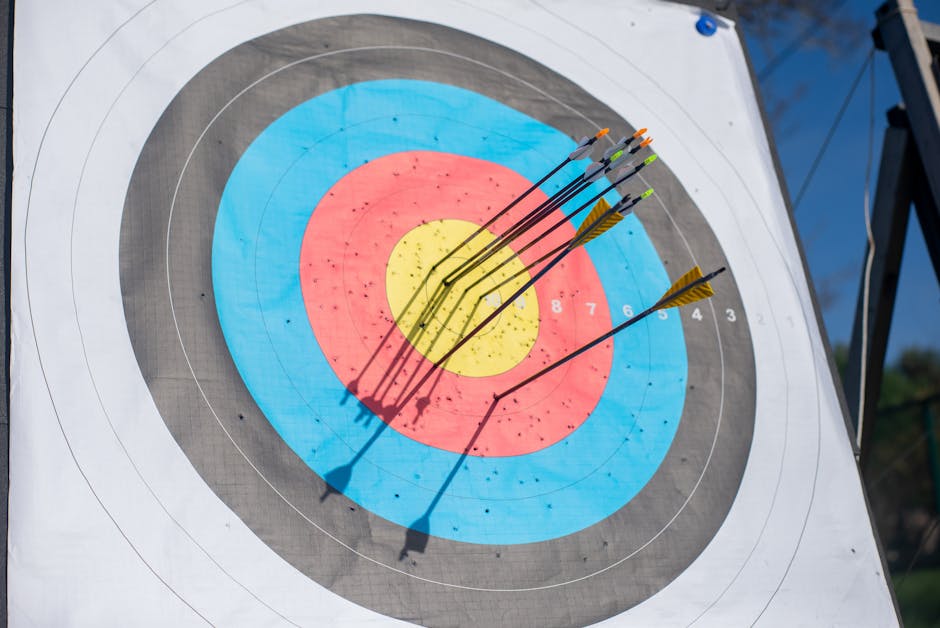
Grouping is the diameter of the smallest circle that contains every arrow you shot at a single aiming point. It is a measure of consistency, not accuracy — a tight cluster in the wrong spot is a grouping win and a sighting problem, and those are two separate fixes. Get the group tight first, then move it to center by adjusting your sight or point of aim. Chasing the bullseye before your groups shrink just burns arrows.
Here is the mental model worth keeping: your sight tells the arrow where to go, but your form decides whether every arrow agrees. A one-inch group that lands low is a five-minute sight tweak away from perfect. A six-inch group centered on the X is still a six-inch group, and no sight adjustment shrinks it.
Why Your Arrows Aren’t Grouping
Most scattered groups trace back to a short list of culprits, and they stack. A little inconsistency in your anchor plus a little hand torque plus a slightly weak arrow spine compounds into a group three times wider than any single fault would produce. The fastest way to tighten up is to isolate and eliminate them in order of impact.
- Inconsistent anchor point — your string hand lands in a slightly different spot each shot, changing your draw length and the arrow’s launch angle.
- Bow-hand torque — gripping the riser twists the bow at the shot, throwing arrows left and right.
- Punching or plucking the release — a grabbed release or a string hand that flies off sideways sends the arrow off before the bow settles.
- Mismatched arrow spine — arrows too stiff or too weak for your draw weight flex unpredictably out of the bow.
- An untuned rest or nocking point — even perfect form can’t fix an arrow that leaves the bow at a bad angle.
Notice that four of those five are the archer, not the equipment. That ratio holds for almost everyone shooting groups wider than they’d like. If your arrows keep drifting to one side specifically, our breakdown of why arrows go left and how to fix it isolates the directional causes in detail.
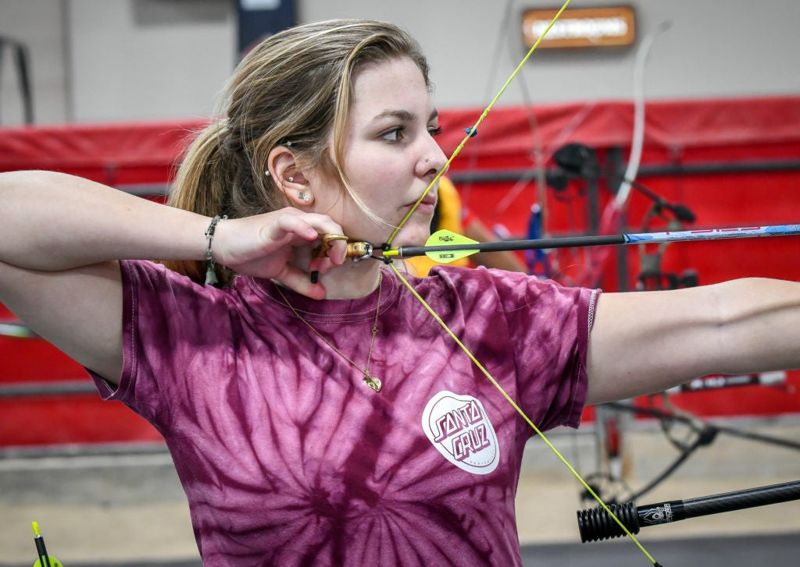
Two or three hard anchor references — nose, chin, jawbone — turn your face into a reliable rear sight.
Fix Your Form First to Group Arrows Tighter
If you change only one thing after reading this, make it your shot sequence. A repeatable form is the single biggest lever you have to group arrows tighter, and it costs nothing. The goal is boring: every shot should feel identical, from how your feet sit to how the string leaves your fingers.
Lock In One Anchor Point
Your anchor is the rear sight of your bow. If your string hand touches your face in a slightly different place each time, your draw length changes and every arrow launches from a different starting position. Pick two or three hard reference points — the string touching the tip of your nose, your index finger tucked under your jawbone, the corner of your mouth — and check all of them on every draw. Olympic recurve archers anchor to the same millimeter thousands of times; that repeatability is exactly why their groups are tiny.
Relax the Bow Hand
The single most common group-widener among developing archers is squeezing the grip. When you grab the riser, the bow torques at the moment of release and the arrow squirts sideways. Let the bow sit in the web of your thumb with a relaxed, open hand — a wrist sling or finger sling keeps it from jumping out after the shot so you never feel the need to hold on. A dead-relaxed bow hand alone will noticeably shrink most people’s horizontal spread.
Follow Through Every Shot
The arrow is still on the string for a few milliseconds after release, and anything your body does in that window steers it. Dropping your bow arm to peek at the target, collapsing your draw, or snapping your head all move the arrow before it’s clear. Hold your form until the arrow hits. Our walkthrough of the full archery shot cycle from stance to follow-through breaks down each phase, and it pairs well with learning to shoot with back tension for a cleaner, more surprising release.
Tune the Bow So It Shoots a Clean Arrow
Once your form repeats, tuning is what closes the last inch. A well-tuned bow launches the arrow straight off the string with minimal flex and no fishtailing, and that is where consistent form finally shows up as a tight cluster on the target.
Start with your nocking point and rest. The nock should sit level or a hair above square to the arrow rest so the arrow flies flat rather than porpoising up and down. Your rest should center the arrow so it clears the riser cleanly. From there, bare shaft tuning — shooting un-fletched arrows alongside fletched ones and adjusting until they group together — is the most reliable way to confirm your setup is sending arrows out straight. A stabilizer also helps here: it dampens hand-shock and steadies your aim so the sight floats less at full draw.
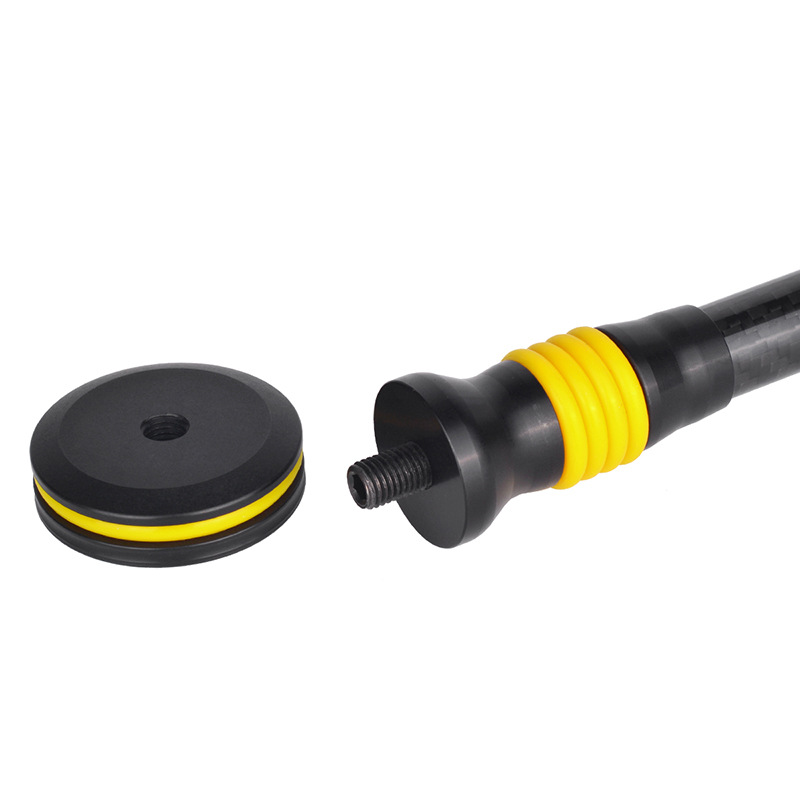
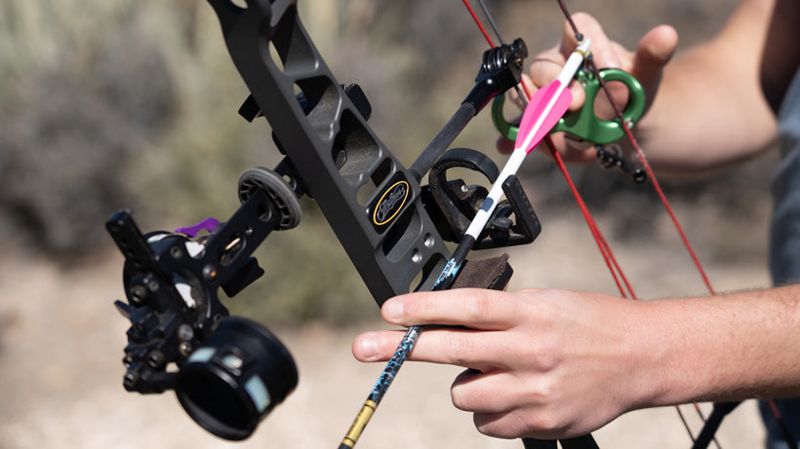
A level nocking point and a clean-clearing rest send the arrow out straight — the setup that turns good form into a tight group.
Match Your Arrows to Your Bow
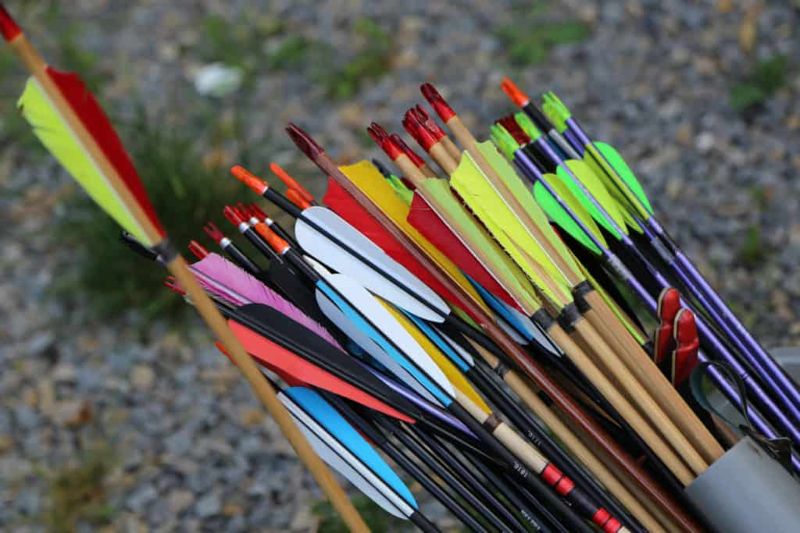
Mismatched spine or inconsistent shaft weight will scatter arrows no matter how clean your form is.
You can have flawless form and a perfectly tuned bow and still throw fliers if your arrows fight you. Arrow spine — the stiffness of the shaft — has to match your draw weight and arrow length. Too weak and the shaft over-flexes and paradoxes around the riser; too stiff and it won’t clear cleanly. An arrow off by two spine sizes will refuse to group no matter how well you shoot. Our guide to why arrow spine matters for accuracy covers how to read a spine chart against your setup.
Weight consistency matters just as much. Arrows that vary by more than a few grains launch at slightly different speeds and land in slightly different spots — a real source of vertical scatter at distance. Weighing a set on a grain scale and shooting only the matched shafts is a cheap way to eliminate a variable. And straightness is non-negotiable: a bent or high-tolerance shaft will never group with a straight one, so retire any arrow that’s taken a hard hit.
Practice Drills That Actually Tighten Groups
Shooting more arrows doesn’t tighten your groups. Shooting the same arrow repeatedly does. These three drills build the consistency that mindless volume never will.
Blank bale. Stand three feet from a large target butt, close your eyes, and shoot with no aiming at all. Because you’re not thinking about the bullseye, your whole brain is free to feel the shot — the anchor, the relaxed hand, the clean release. Ten minutes of blank bale before every session hard-wires the motion. This is the drill Olympic coaches assign more than any other, and it’s the fastest route to a repeatable shot.
One-arrow rounds. Shoot a single arrow, walk to the target, pull it, walk back, and shoot again. It sounds tedious, but it forces every shot to be a fresh, deliberate first shot instead of a rushed member of a group. Your consistency under a real, one-at-a-time cadence improves fast.
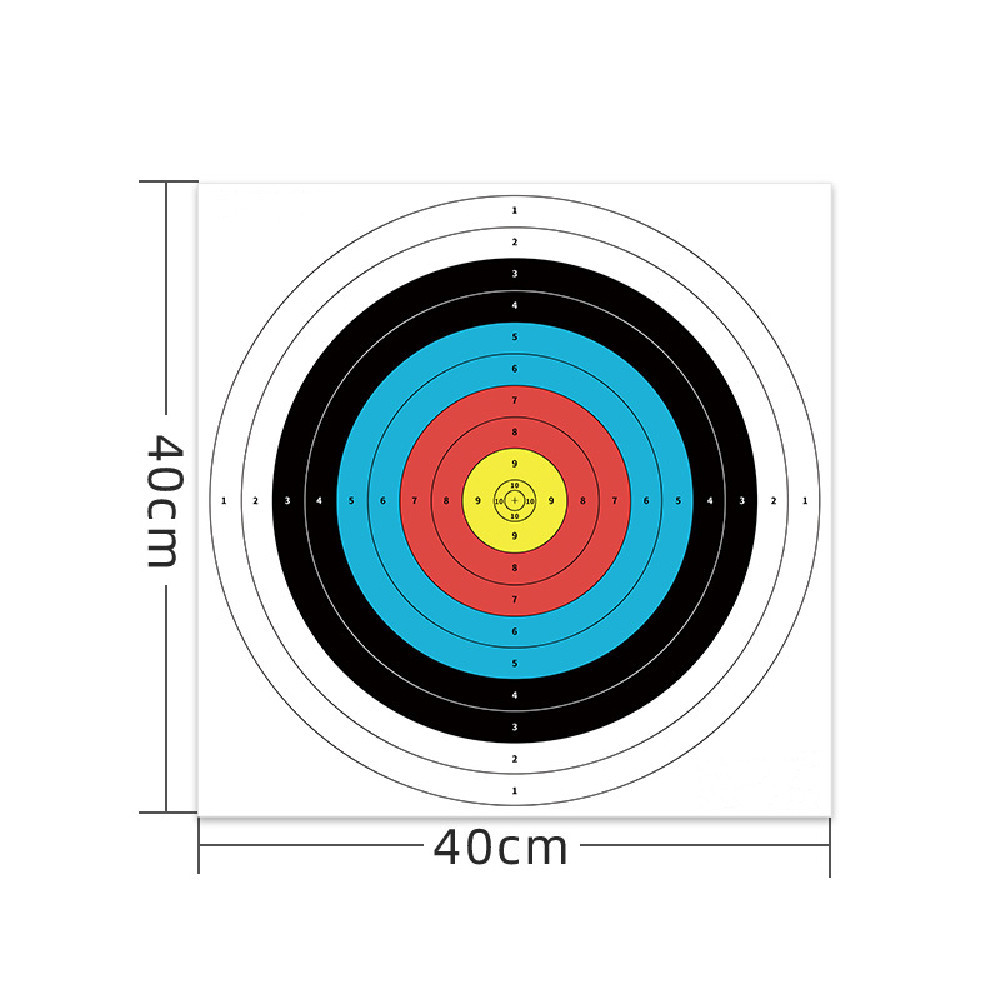
Group-tracking. Shoot ends of three to six arrows and photograph or measure each group. Watching the number shrink week over week keeps you honest and shows you which changes actually worked. A fresh paper face for each end makes the groups easy to read.
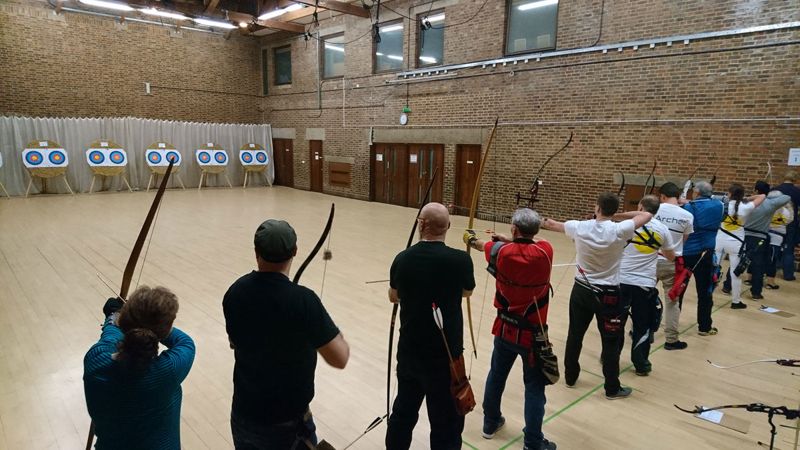
Deliberate, structured practice — not sheer volume — is what shrinks a group week over week.
How Tight Should Your Groups Be?
Benchmarks keep you honest, but treat them as guideposts, not verdicts. A recreational archer shooting a fist-sized group (roughly 4–5 inches) at 20 yards is doing well. A committed hobbyist with tuned gear should aim for a group that fits inside a 3-inch circle at that distance. Competitive compound shooters routinely put every arrow inside two inches at 20 yards and touch nocks at close range.
For bowhunters the standard is practical rather than pretty: every arrow inside a pie-plate-sized circle (about 8 inches) at your maximum hunting distance, cold, on the first shot. If you can’t do that consistently, that distance isn’t yet your ethical shot. The truth most gear ads won’t tell you is that going from a 5-inch group to a 3-inch group is almost never about a new bow — it’s about a hundred more deliberate shots and one variable eliminated.
Mistakes That Quietly Widen Your Groups
A few habits sabotage groups even after the fundamentals are in place. Target panic — flinching or punching the release as the pin drifts near center — is the most destructive and the hardest to unlearn; back-tension release and blank-bale work are the standard cures. Overbowing is next: a draw weight you can’t hold steady for ten seconds wrecks your form on every shot, and dropping poundage almost always tightens groups immediately. Fatigue counts too — the last ends of a long session scatter because your muscles are done, not because your form failed, so quit while you’re still shooting clean. Finally, don’t judge a group in a crosswind and blame yourself for what the weather did.
Tightening your groups is the most satisfying progress in archery because it’s measurable and it’s earned. Pick one variable from this list, drill it until it’s automatic, then move to the next. Six weeks of that and the fist-sized cluster becomes the group you’re embarrassed by. For the mental side of holding steady under pressure, our archery mental focus techniques pair perfectly with the physical work here.
Sources
- World Archery — Full Draw Faces: How Six International Archers Anchor — reference on elite anchor-point consistency.
- Archery 360 — Shrink Your Groups — tuning and practice fundamentals for tighter grouping.
- Shot Grouping — definition and measurement — how grouping is measured across shooting sports.
