
Archery Blog
Compound Bow Peep Sight Guide: Size, Install & Align
Aug
Most new compound bow shooters spend hundreds on a quality front sight and zero time thinking about the rear aperture sitting in their string. That’s backwards. The peep sight is the missing half of the aiming equation — without it aligned properly, even a $400 scope sight will shoot inconsistently. A misaligned or wrong-sized compound bow peep sight is responsible for more unexplained group sizes opening up than any other single piece of hardware on the bow.
This guide covers everything you need to know: how to pick the right size, how peep sights get installed, how to verify alignment, and how to fix the most common problems that develop over seasons of shooting.
What a Compound Bow Peep Sight Actually Does
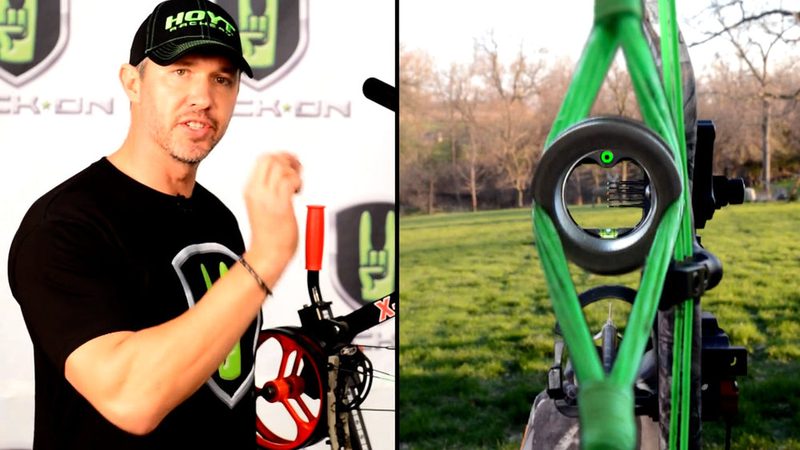
A peep sight works on the same principle as the rear aperture on a rifle: it forces your eye to naturally center itself in the ring, which in turn lines up with your front sight pin and the target. Without a peep, you’re aiming with only a front reference point, which means slight variations in your anchor position shift your point of aim more than you’d expect at 30, 40, or 50 yards.
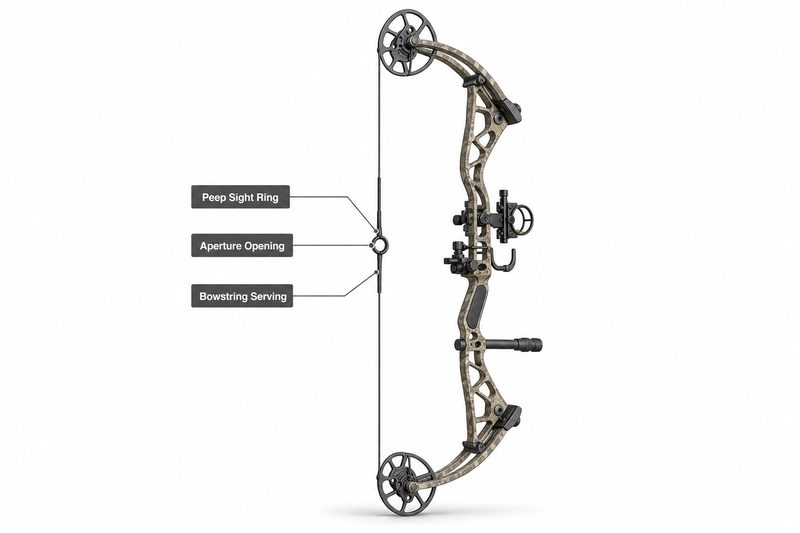
The ring sits between the strands of your bowstring and rotates as you draw. At full draw, when everything is set up correctly, the hole faces your eye exactly. The diameter of that hole determines how much light enters and how precisely you can align the front sight — smaller holes give you a cleaner reference, larger holes give you a brighter picture. That tradeoff is the core decision you’ll make when choosing a peep.
Most modern peep sights are made from aluminum alloy or high-density polymer. Some come with a rubber tube that attaches to the cable and pulls the peep into alignment at full draw. Tube-style peeps fell out of favor with most serious archers because the tube adds noise and can snap at the worst possible moment in the field. Tubeless peeps — where alignment is achieved by adjusting string twist — are the standard on any properly tuned compound setup today.
How to Choose the Right Peep Sight Size
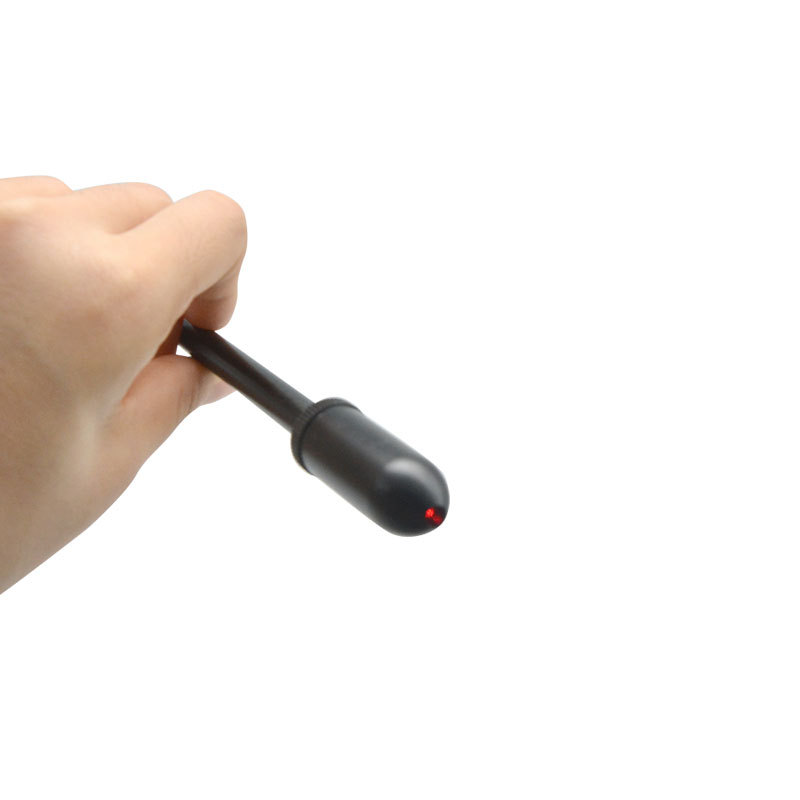
Peep sights are sold by their aperture diameter, not their outer diameter. The three most common sizes are 3/16 inch (4.8mm), 1/4 inch (6.4mm), and 1/8 inch (3.2mm). Each serves a different purpose, and getting this decision wrong will cost you accuracy regardless of how well everything else is tuned.
The 3/16 inch is the most popular hunting size. It’s bright enough to use in low light — during the first and last 20 minutes of legal shooting light — while still giving you a clean enough reference to place your pin accurately to 50 yards. If you hunt whitetail from a tree stand, this is the size to buy without much deliberation. The 1/8 inch is the target shooter’s choice. The smaller aperture creates a cleaner, darker frame around your front sight, making it easier to see daylight around the pin and detect if you’re slightly off center. In good light conditions on a marked-distance course, the precision improvement is real. In dim conditions at hunting camp, this size becomes a liability.
The 1/4 inch is the beginner-friendly option. The wide opening is forgiving of slight variations in anchor point and easy to look through without hunting for the hole. Many factory bows ship with this size installed. It works fine for close-range shooting and casual practice, but most experienced archers size down once their form becomes consistent enough to notice the difference.
| Aperture Size | Best For | Light Performance | Effective Range |
|---|---|---|---|
| 3/16″ (4.8mm) | Bowhunting | Low-light capable | Up to 50 yards |
| 1/8″ (3.2mm) | Target / 3D archery | Full daylight only | 50–80+ yards |
| 1/4″ (6.4mm) | Beginners / close range | Any conditions | 20–30 yards |
How Peep Sights Get Installed in a Bowstring
Peep sight installation is not a casual DIY job for someone who’s never worked on a bowstring. At minimum, you need a bow press to safely separate the string strands and serving thread to lock the peep in place. Most pro shops charge $15–$25 for a peep install including string serving, which is money well spent if you’ve never handled a live-string compound bow before.
Understanding the process helps you troubleshoot when something goes wrong later. Here’s what actually happens when a bow technician installs a peep:
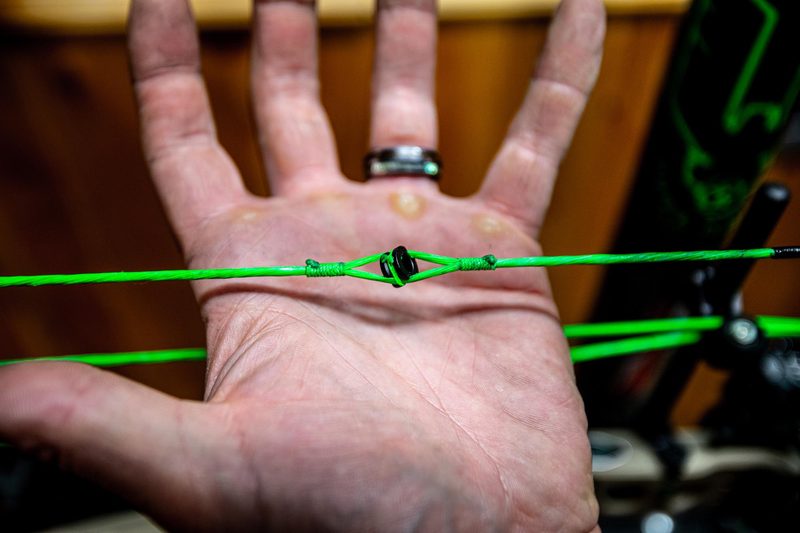
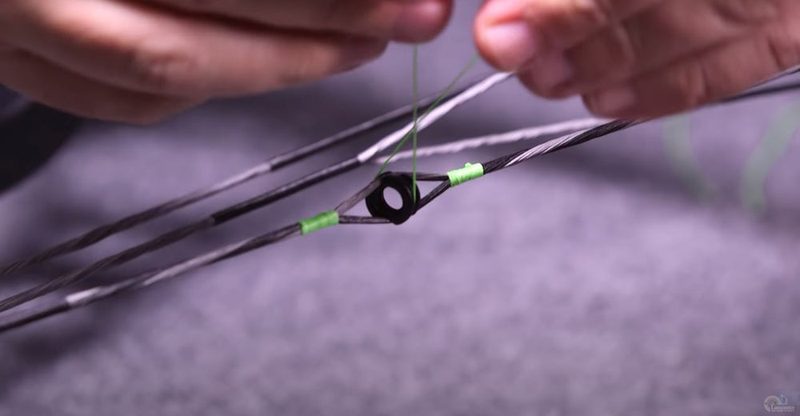
The bow goes into a press to relieve string tension, which allows the string to be separated without the strands snapping under load. The technician finds the correct vertical position — at eye level when the archer is at full draw at their normal anchor point. This is set by having the archer draw the bow (in the press, so it’s safe) and marking where the string meets eye level. Then the string strands are separated and the peep is threaded between them, positioned so the gap between strands is centered left-to-right. Off-center placement torques the string and causes rotation problems at full draw.
Once positioned, the peep is served into place using two short sections of serving thread tied above and below it, locking it from sliding up or down the string. The bow comes out of the press, the archer draws to check alignment, and if the peep is rotated off-center, the technician adds or removes string twists until the hole faces the eye perfectly at anchor.
Peep Sight Height: Getting It Right the First Time
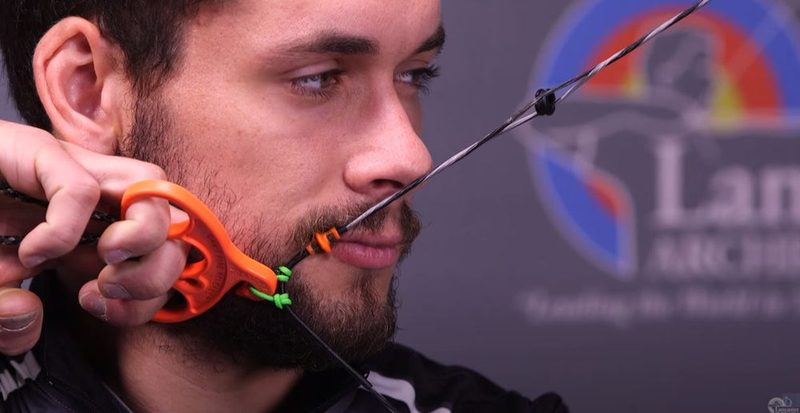
Peep sight height is set once when the peep is installed, and changing it later requires re-serving — don’t rush this step. The correct height is determined by your anchor point, not by where you think the peep should sit on the string.
The process works like this: stand at your normal shooting position with proper posture, draw the bow with your eyes closed, settle into your anchor point, then open your eyes. Wherever your eye naturally falls on the string is exactly where the peep should be. This eliminates the tendency to stretch your neck or drop your head to look through the peep — habits that introduce inconsistency into every shot and are nearly impossible to diagnose without slow-motion video.
If you change your draw length — even half an inch — your peep height will need to be rechecked. A quarter-inch shift in draw length moves where the string meets your eye enough to require repositioning. This is why experienced compound shooters never change draw length casually. It’s not just a cam adjustment; it’s a complete front-to-rear aiming system recalibration. Your sight, your peep, and your anchor point all shift together, and they all need to be verified together after any draw length change.
How to Align Your Peep Sight
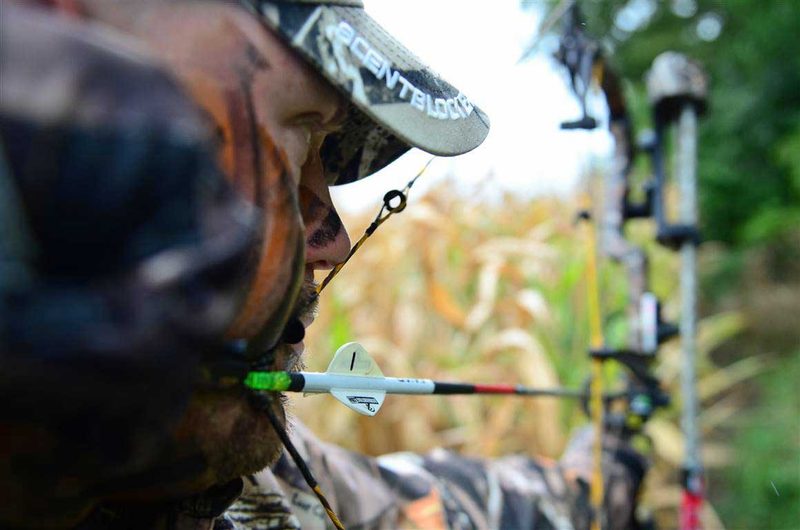
Alignment means: at full draw at your anchor point, the hole in the peep faces your eye squarely, without you having to tilt your head or squint through an off-angle aperture. When it’s correct, you see a clean, centered circle and your front sight sits inside it without any shadow on one side.
The most common alignment problem is a peep that’s rotated off-axis — you can see through it, but there’s a thin crescent of shadow on one side of the ring. This happens because the string’s built-in twist pulls the peep in one direction as the bow is drawn. The fix is adjusting the twist count in your string or cables. Adding twists to the string rotates the peep in one direction; removing twists rotates it the other way. A single half-twist is often enough to dial in a peep that’s just slightly off.
A useful self-check: draw your bow in front of a full-length mirror. If the peep hole appears as a perfect circle, you’re aligned. If it looks like an oval, or you can see the side wall of the peep tube rather than cleanly through the hole, the rotation is off. Note which direction and take the bow back to your pro shop — this isn’t a fix to guess at with live string tension and a cam under load.
There’s also the question of peep-to-scope alignment. Your peep hole should be large enough that when you settle into your anchor, your scope housing sits comfortably inside the peep circle with a thin ring of light visible all the way around. If the scope is touching the edge of the peep circle, your peep is too small for your sight. If you have to search for the scope inside a big ring, your peep is too large for the precision work you’re doing.
Common Peep Sight Problems and Their Fixes
Most peep problems fall into three categories: rotation, slippage, and physical damage. Each has a distinct cause and a specific fix — knowing the difference saves you a wasted trip to the pro shop with the wrong diagnosis.
Rotation at full draw is a string twist count issue. The peep turns as you draw so you can’t see through it cleanly, or you have to cant your head to find the hole. Take the bow to a pro shop rather than trying to add or remove string twists yourself, because an incorrect twist count affects cam timing and can throw your entire bow out of tune — a problem that then requires a full paper-tuning session to correct.
Sliding means the peep drifts up or down the string between shooting sessions. This indicates the serving that holds the peep in place has loosened. Common causes are thin serving thread that doesn’t grip the string well, or serving that was tied without sufficient tension during installation. The fix is re-serving: both sections of serving thread need to be replaced and tied with appropriate tension. This is a $10–$15 shop job, not a self-repair project if you’ve never served a string before.
Cracked or deformed aperture is most often caused by a dry-fire, a direct impact, or prolonged UV exposure on polymer peeps. A cracked peep is non-functional and potentially dangerous — a fragment can hit your face at close range. Replace it immediately, and use the replacement as an opportunity to inspect your string condition while the bow is in the press anyway. A bow that’s produced a cracked peep from a dry-fire needs a full string and cable inspection before it goes back into the field.
There’s also the problem of inconsistent peep acquisition — sometimes you find it, sometimes you don’t. Before adjusting anything mechanical, rule out form issues first. Film your anchor from the side during 10 consecutive shots and see how much variation actually exists. If your anchor moves an inch shot to shot, no peep adjustment will fix that.
When to Replace Your Peep Sight
A well-served peep in a healthy string can last the life of the string — typically 2,000–3,000 shots for a quality string, or about two to three seasons of serious shooting. The peep itself rarely wears out before the string does, but certain conditions call for earlier replacement.
Replace your peep if you see any cracks or chips in the aperture ring, if the peep slides despite fresh serving, if a dry-fire occurred (the sudden uncontrolled release of string energy can deform both the peep and the serving), or if you’re upgrading string materials and the new string’s twist characteristics require a different serving setup to achieve the alignment you had before.
When you replace your bowstring — and you should replace it on schedule, not just when it looks visibly bad — always replace the peep at the same time. String replacement runs $80–$150 at a pro shop; adding a fresh peep at the same time costs another $10–$15 and eliminates one variable from your tuning equation going forward. The peep you just removed served its purpose. Start the new string clean.
The peep sight is the rear anchor for your entire aiming system, and it’s the component archers most often set up once and never revisit — until something is clearly wrong. The right size, correct height, and confirmed alignment at full draw are the three things that actually matter. Get those right and the peep becomes invisible; get any one of them wrong and it becomes the source of every frustrating open group you shoot.
For a full picture of how the compound bow peep sight fits into the broader setup, see our guides on compound bow tuning and cam timing and choosing the right bow sight. Your front sight and rear aperture need to be matched and verified in the same session. If you’re just starting out, our compound bow shooting fundamentals guide covers the full shot sequence and how a properly aligned peep fits into every shot you take.
Sources
- Archery 360 — Beginner’s Guide to Peep Sights — Overview of peep sight types, sizing, and selection for compound bow archers.
- Lancaster Archery Supply — Peep Sight Learning Center — Technical specifications, aperture sizing guide, and installation notes from North America’s largest archery retailer.
- World Archery Rulebook — Equipment regulations governing peep sight aperture sizes in competitive compound and recurve disciplines.
- Bowhunting.com — Peep Sight Tips for Hunters — Field-tested guidance on peep sight selection and alignment for low-light hunting conditions.
