
Archery Blog
Barebow vs Recurve: 7 Essential Differences
Apr
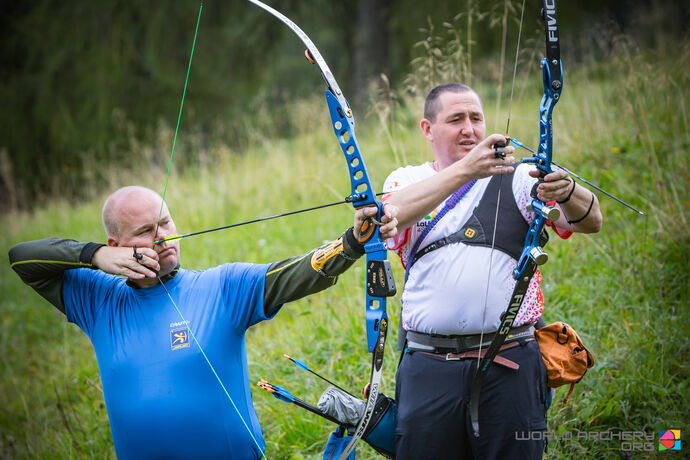
If you are comparing barebow vs recurve, the short answer is this: both use the same basic bow platform, but recurve adds aiming and stabilizing accessories while barebow strips them away and asks the archer to do more with body awareness, string walking, and repeatable form. That makes barebow feel simpler in the hand, but it does not make it easier to master.
For new archers, the choice usually comes down to goals. If you want an Olympic-style sight picture, a clicker, and stabilizers that calm the bow after the shot, recurve is the more structured path. If you want a cleaner setup that rewards instinct, feel, and exact consistency, barebow has a strong appeal. The two styles overlap, but they train different habits and ask different questions from the shooter.
Barebow vs recurve: the biggest equipment difference
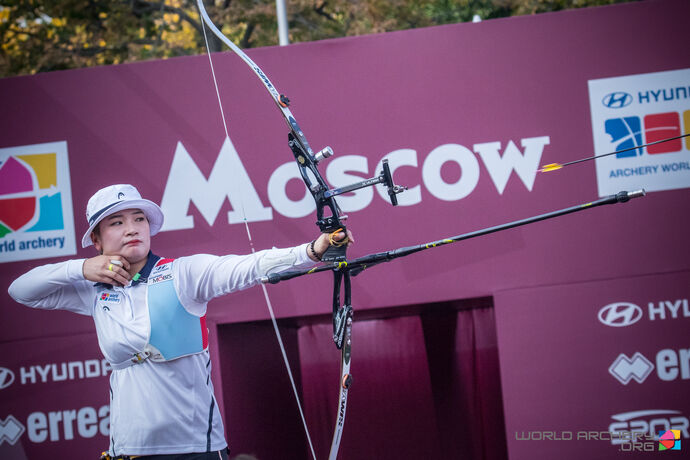
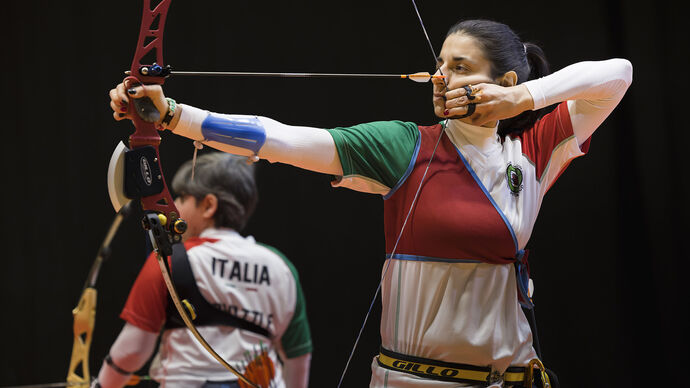
The biggest difference in barebow vs recurve is not the limbs or riser. It is the accessory package. According to World Archery’s barebow equipment rules, barebows can use the same modern materials as recurve bows, but they cannot use sights or stabilizers that assist aiming. In contrast, World Archery’s recurve equipment overview shows the classic Olympic-style setup, including a sight, long rod, side rods, clicker, pressure button, and other tuning aids.
That changes the experience immediately. A recurve setup gives you more reference points. You draw, settle the sight pin, expand through the clicker, and let the system help you reproduce a consistent shot. A barebow setup removes that scaffolding. You still need a clean hook, alignment, and release, but you aim using the arrow and the way you crawl the string for different distances.
Because barebow removes accessories, many beginners assume it is the cheaper and easier option forever. The cheaper part is often true at first. The easier part is usually false. Barebow is wonderfully direct, but it exposes every small form mistake. Recurve can be more technical to set up, yet it gives you more tools to stabilize your execution.
How aiming works in each style
In recurve, aiming is visually explicit. You use a sight pin, and your shot cycle is often built around strong anchor reference, sight movement management, and expansion through the clicker. That is one reason the style dominates Olympic target archery. At 70 meters, the system is built for precision and repeatability.
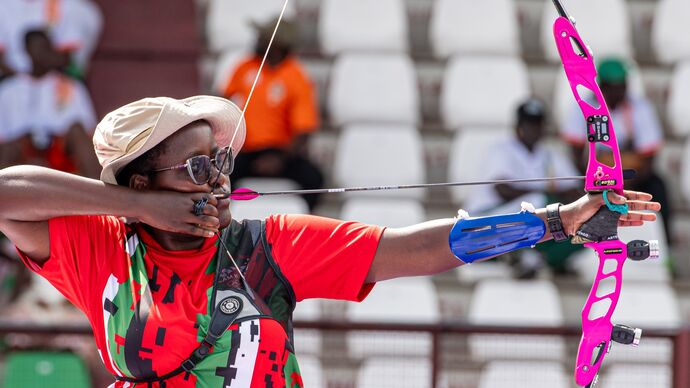
In barebow, aiming is more dynamic. World Archery notes that barebow archers often use string walking, moving the fingers lower or higher on the string depending on distance. The point of the arrow becomes a key aiming reference. That means your tab marks, crawl consistency, anchor position, and even how upright your posture stays all matter.
For some archers, that makes barebow more intuitive. For others, it feels less forgiving. If you like mechanical clarity and visible aiming references, recurve usually feels easier to progress with. If you enjoy solving distances and developing a very personal shot process, barebow can be deeply satisfying.
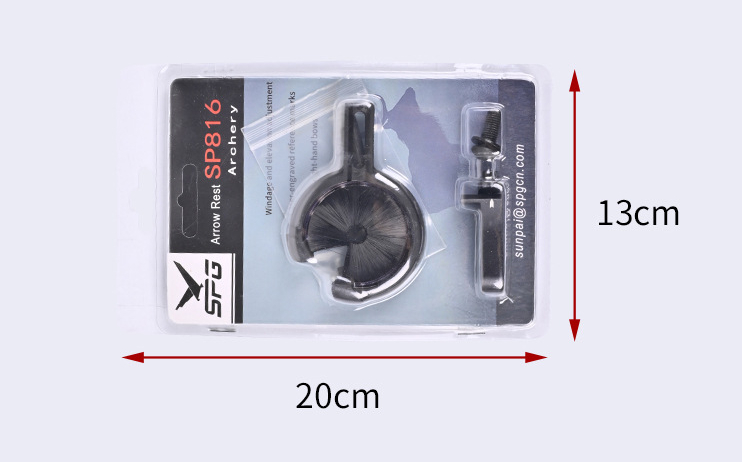
Shop a replacement bowstring for recurve and barebow practice
Is barebow harder than recurve?
For most target archers, yes, barebow is harder to shoot at a high level, especially as distance increases. The reason is simple. You must create consistency without the sight picture and stabilizer system that recurve archers rely on. Every inconsistency in crawl, draw length, or anchor shows up on the target.
That does not mean recurve is easy. High-level recurve is brutally demanding. Tiny aiming errors can send an arrow far from center, and the clicker punishes hesitation. But when someone asks which style is harder for an average club archer to become competitive with quickly, barebow usually wins that argument.
World Archery’s explanation of barebow competition also helps frame this. Barebow target archers shoot at 50 meters, while recurve target archers shoot at 70 meters in the Olympic discipline. Even at the shorter distance, barebow requires exceptional control because the archer is working with fewer aids. It is a purer test of body repeatability and distance management.
Which style is better for beginners?
The better beginner choice depends on what kind of archer you want to become. If you plan to shoot Olympic recurve, join structured target sessions, and eventually compete in standard target rounds, start with recurve. It aligns with club coaching systems and gives you a more familiar progression through sight setup, anchor control, and tuning. Our guide to choosing a recurve bow for beginners is a good next step if that sounds like you.
If you are drawn to simplicity, field archery, 3D, or a more stripped-down target style, barebow may keep you more engaged. A lot of archers love the immediate feedback. You can feel what the shot did without wondering whether the stabilizer balance or sight setting hid the issue. That honesty is part of the charm.
A practical rule works well here. Start with recurve if you want the most coaching support and the clearest competitive ladder. Start with barebow if you love minimal gear and you are willing to spend more time building your own aiming system.
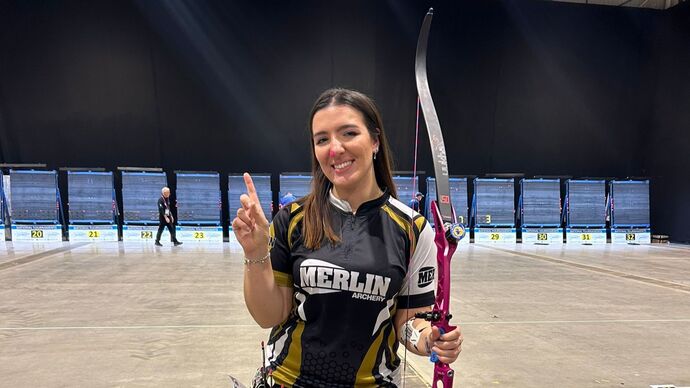
What does barebow teach better than recurve?
Barebow tends to teach distance judgment, crawl discipline, and honest release quality better than recurve. Because you aim so directly off the arrow system, poor execution shows up fast. Many archers feel their awareness improves when they spend time in barebow, even if they eventually return to recurve competition.
Barebow also encourages archers to think carefully about anchor placement and tune. Small setup issues become obvious. That makes accessories like a reliable tab, a well-set nocking point, and clean string condition more important than many beginners realize. If you need to refine your baseline setup, our archery nocking point guide covers one of the core variables that affects both styles.
Recurve, by comparison, teaches visual aim management and expansion through a more structured shot sequence. It usually builds stronger familiarity with formal target competition, sight adjustment, and the rhythm needed for long rounds. Neither style is better at everything. They just sharpen different parts of your game.
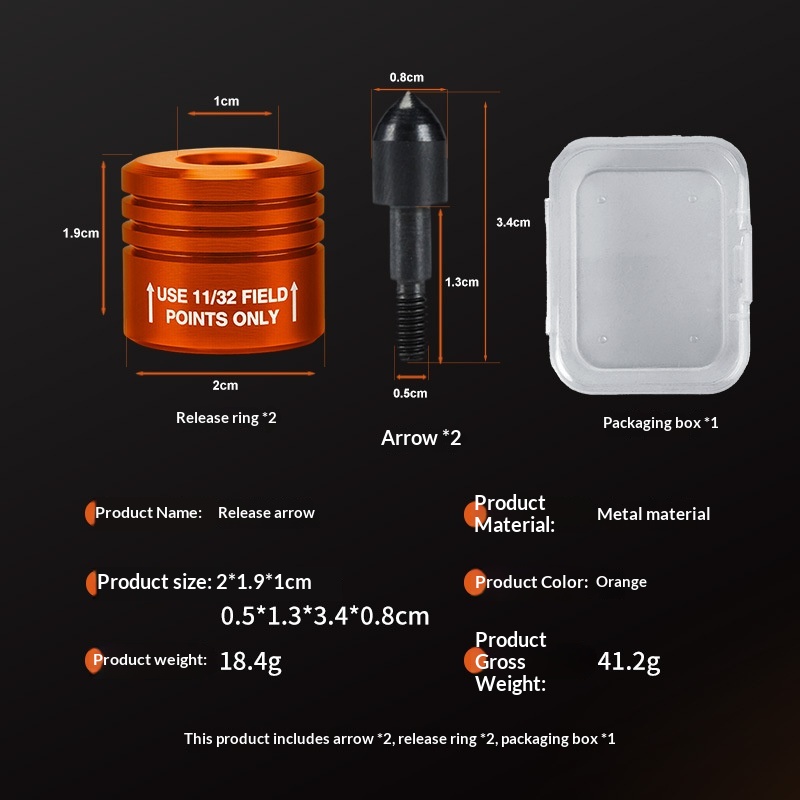
Add an archery arm guard for safer barebow and recurve training
What does recurve do better than barebow?
Recurve does a better job supporting long-distance precision. The sight, clicker, and stabilizers are not gimmicks. They exist because they help elite archers repeat world-class shots under pressure. If your goal is target scores, Olympic-style technique, or a pathway that mirrors international recurve competition, recurve is the more logical choice.
Recurve also scales well with coaching. A coach can look at sight movement, clicker timing, shoulder alignment, and follow-through in very standardized ways. That makes progress easier to measure. Barebow coaching exists too, of course, but the style leaves more room for personal solutions, especially around crawl patterns and aiming references.
If you like systems, repeatable equipment adjustments, and measurable aiming changes, recurve usually feels more satisfying. If you like solving the shot yourself with fewer aids, barebow will likely keep your attention longer.
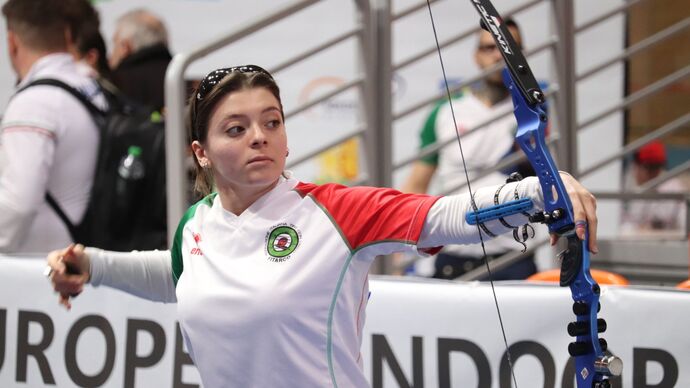
Competition differences that matter
Competition format matters because it shapes how each style feels in practice. Recurve target archery is tightly linked to the Olympic model, 70-meter rounds, and head-to-head set play. Barebow competition is increasingly visible in target archery, but it remains especially strong in field and indoor settings. That broader variety is part of why many archers describe barebow as more flexible and more rooted in practical shooting skills.
Recent World Archery coverage also shows how much momentum barebow has right now. Features on archers like Gloria Kitali, Illaria Knibb, and Linda Grezzani show a discipline that is growing fast and producing recognizable names. That is good news for archers who want a serious competitive lane without committing to the full Olympic recurve equipment stack.
So if you are choosing based on community and event options, check your local clubs first. Some clubs have strong recurve coaching and almost no barebow scene. Others have indoor leagues where barebow is thriving. The right answer on paper still has to fit the range you can actually access.
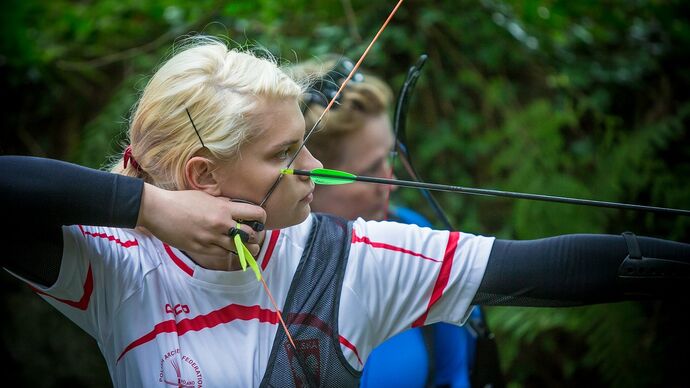
How to choose between barebow and recurve
Choose barebow if you want a cleaner bow, fewer accessories, and a style that rewards feel, distance management, and stripped-down execution. Choose recurve if you want formal target structure, a sighted aiming system, and the clearest route into Olympic-style archery.
There is also a smart middle ground. Many archers begin with a recurve platform and experiment both ways. Because barebow and recurve share the same basic bow family, you can often start with equipment that lets you explore before fully specializing. A protective case helps if you are moving gear between practice sessions, home storage, and tournaments, which is why a dedicated bow bag becomes useful sooner than many new archers expect.
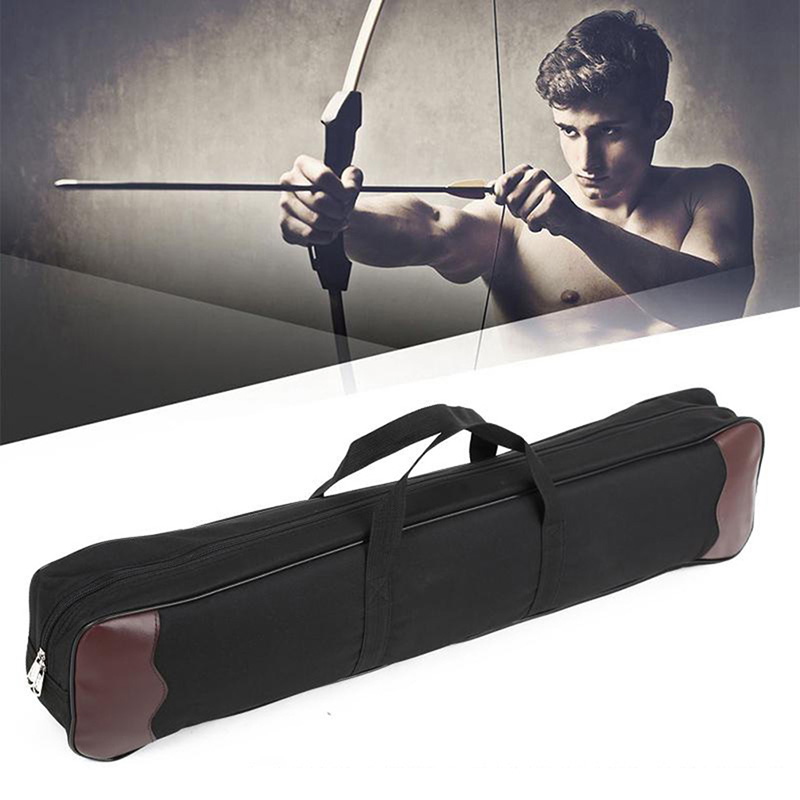
Carry your barebow or recurve setup with this recurve bow bag
If you are still undecided, ask yourself a simpler question than “Which one is better?” Ask, “Which shot process do I want to practice for the next year?” If the answer is sight picture, clicker timing, and structured target scoring, pick recurve. If the answer is clean execution, string walking, and a more intuitive aiming style, pick barebow. Either path can make you a better archer if you commit to it.
FAQ: barebow vs recurve
Can you turn a recurve into a barebow?
Yes. Barebow is essentially a stripped-down recurve setup that follows barebow equipment rules. The same riser and limbs can often work, provided the final setup remains legal for barebow competition.
Is barebow more accurate than recurve?
At the elite target level, recurve is usually more accurate at long distance because the sight and stabilizers support repeatable aiming. Barebow can still be extremely accurate, but it demands more from the archer and gives fewer mechanical aids.
Is barebow cheaper than recurve?
Usually yes at entry level, because you are not buying a sight and full stabilizer set right away. Over time, both styles can become expensive as you upgrade limbs, tabs, arrows, and tuning accessories.
Should a beginner start with barebow or recurve?
Start with recurve if you want the most standardized coaching path. Start with barebow if you prefer minimal gear and like the idea of learning to aim with the arrow and crawl system.
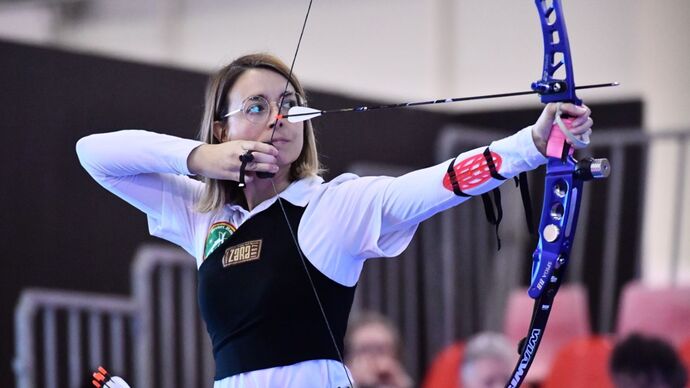
Watch: barebow vs recurve in action
Sources
- World Archery, Barebow Equipment — official overview of barebow equipment, technique, and competition.
- World Archery, Recurve Equipment — official overview of recurve accessories, skill demands, and competition format.
- World Archery, 5 things you should know about barebow — background on how barebow is practiced and why it keeps growing.
- World Archery, Gloria Kitali feature — current example of barebow development and crossover from recurve equipment basics.
- World Archery, Illaria Knibb feature — recent reporting on the rising profile of competitive barebow.
- World Archery, Linda Grezzani feature — recent barebow competition context and athlete development.
Browse archery bows, arrows, and accessories at the Archery Supplier shop →
