
Archery Blog
Arrow Weight Calculator: 5 Essential Steps to Get It Right

Apr
If you search for an arrow weight calculator, you usually want the same answer every experienced archer wants: how heavy will this finished arrow actually be, and will that number help or hurt the way my bow shoots? The calculator matters because arrow weight is not just a spec sheet detail. It changes speed, tune, sight marks, forgiveness, and the overall feel of the bow on release.
The short version is simple. Add the shaft weight, point, insert, nock, vanes, wrap, and any added internal or external weights, and you get total arrow weight in grains. The useful version is more detailed. You also need to understand what that finished number means for your specific purpose. A target archer, bowhunter, and indoor shooter can all end up with very different ideal builds.
If you have ever built arrows by memory and then wondered why the finished setup felt sluggish, noisy, or strangely weak-spined, this is where the mistake usually started. The right calculator does not replace shooting, but it gives you a clean starting point before you cut shafts or buy more components.
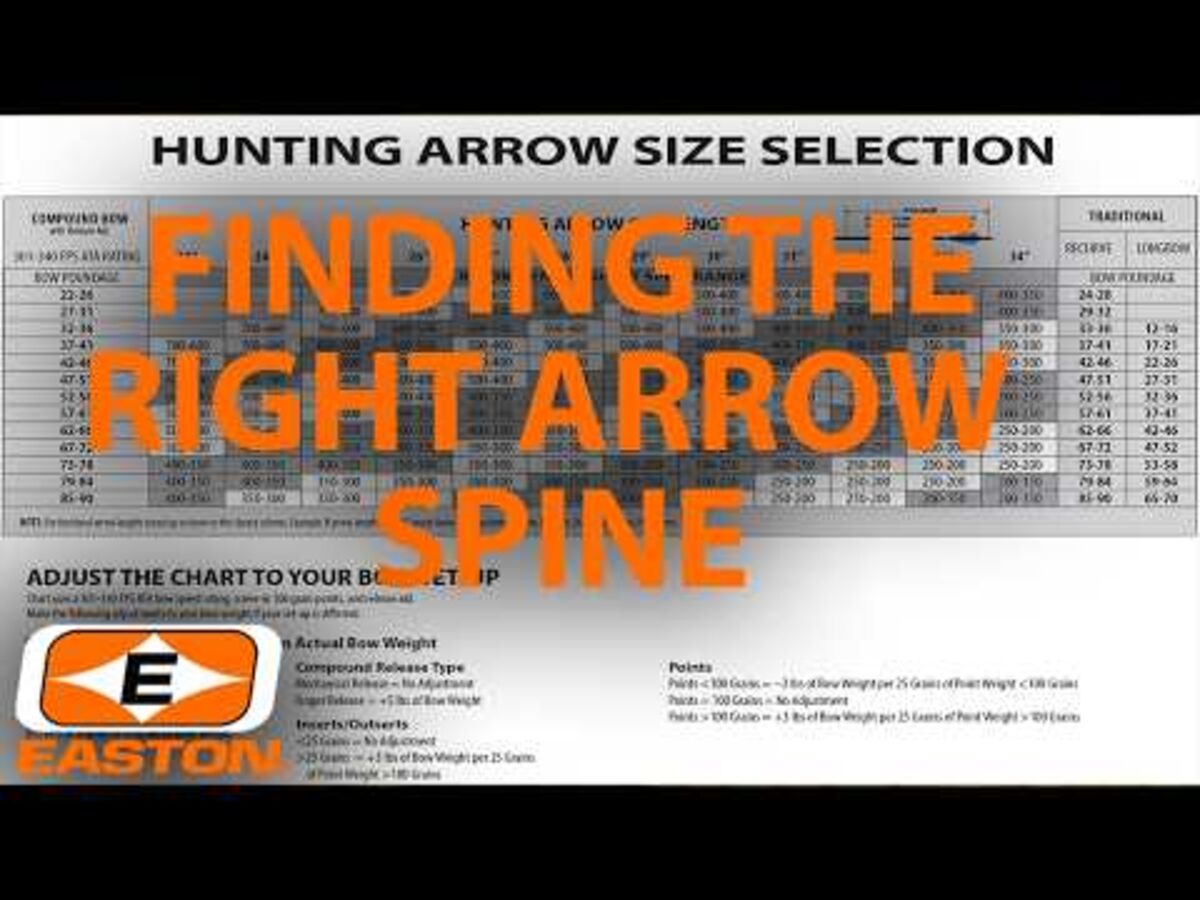
Arrow weight calculator formula, the fast version
The standard formula is straightforward: (shaft grains per inch × finished arrow length) + point weight + insert weight + nock weight + vane weight + wrap weight + any added weights. That gives you the finished arrow weight in grains.
So if your shaft weighs 8.2 grains per inch and your cut arrow measures 29 inches, the shaft itself contributes 237.8 grains. Add a 100-grain point, a 16-grain insert, a 9-grain nock, three vanes at 6 grains each, and a 10-grain wrap, and your total lands around 391 grains. If you add a 20-grain internal weight later, the same arrow becomes roughly 411 grains. That one small change can affect both front balance and dynamic spine.
Gold Tip’s official calculator is useful because it forces you to count those smaller parts. That is exactly where many archers drift off course. They remember point weight and shaft GPI, but forget collars, lighted nocks, heavier vanes, or the glue and hardware that come with a more serious hunting build.
Why total arrow weight matters in the real world
Total arrow weight changes more than speed. A lighter arrow usually gives you a flatter trajectory, which can help with distance gaps and sight marks. A heavier arrow often feels calmer, carries momentum better, and can make the bow less harsh at the shot. Neither option is universally better. The right answer depends on what kind of shooting you actually do.
For target archery, an arrow that is too heavy may cost you sight clearance or useful speed at longer distances. For hunting, an arrow that is too light may leave you with a setup that feels twitchy, loud, or less forgiving than you want. The point of using an arrow weight calculator is to stop treating arrow builds like guesswork.
This is also why arrow weight should never be separated from spine choice. If you start adding point weight or internal weighting, the arrow can react weaker on release. Easton and Gold Tip both make this clear in their selection resources. Changing mass is often also changing behavior.

How to use an arrow weight calculator correctly
The best process is simple and boring, which is usually a good sign in archery. Use the exact shaft model you plan to shoot. Use the true grains-per-inch number from the manufacturer. Measure finished arrow length the way the brand specifies, usually from the throat of the nock to the end of the shaft or insert system. Then add every component honestly.
- Confirm shaft GPI from the manufacturer, not from memory.
- Measure your finished arrow length accurately.
- Add the real point and insert weights together.
- Include vanes, wraps, nocks, collars, bushings, and added weights.
- Weigh one completed arrow on a grain scale to verify the calculator.
The fifth step matters more than people think. The calculator gives you the theory. The scale gives you the truth. If your completed arrow is noticeably off, something in your build sheet is wrong, and it is better to catch that before you fletch a dozen shafts.
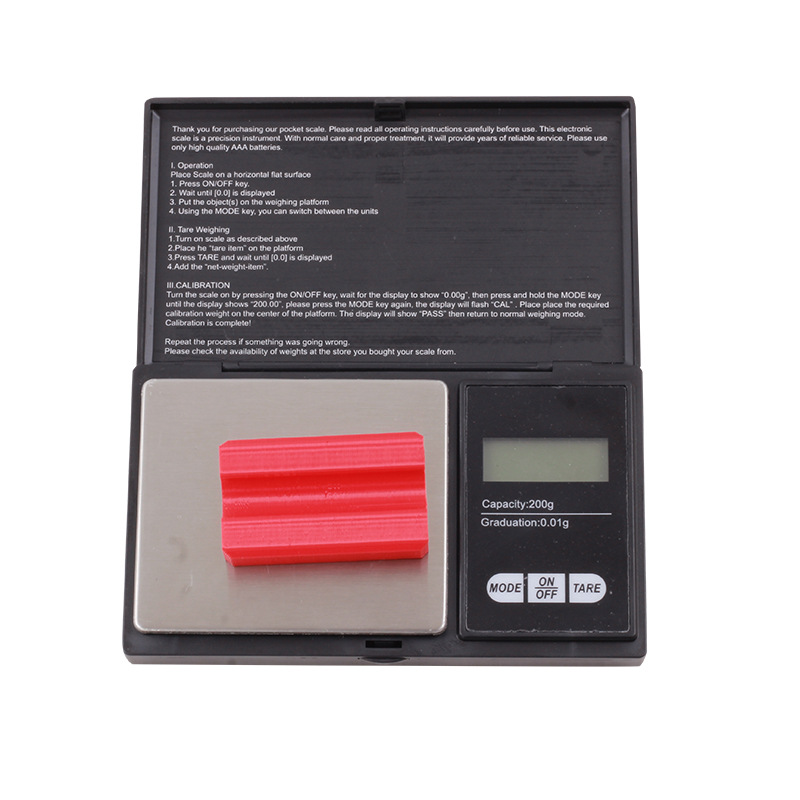
Check finished grains accurately with this arrow grain weight scale
Manual example, building one arrow from scratch
Imagine you are building a general-purpose compound setup with a 300-spine shaft rated at 9.5 GPI. Your finished length is 28.5 inches. The shaft contributes 270.75 grains. Add a 100-grain field point, 50 grains of insert and collar hardware combined, a 9-grain nock, and three 7-grain vanes, and the arrow is already at 450.75 grains. Add a small wrap and you are closer to 460 grains than many archers expect.
That matters because plenty of shooters think they are building a 400-grain arrow when they are really approaching the mid-450s. Nothing is automatically wrong with that. The mistake is not knowing. If you are comparing a lighter 100-grain practice setup and a heavier broadhead build, the calculator helps you understand where the difference comes from before you start blaming your rest, sight, or release.
For recurve archers, the same discipline applies. A few changes in point weight, shaft length, and fletching can move the build far enough that tune and bare shaft results change noticeably. Finished weight is not a side note. It is part of the shot.
What is a good arrow weight for target archery?
There is no single perfect answer, but most target archers want a setup that balances stability with usable trajectory. Outdoor target shooters usually care about wind drift, clean tune, and sight marks at longer distances. Indoor shooters often accept more weight because speed matters less at short distance and line-cutting or stability may matter more.
If you are still building around a newer recurve or compound setup, revisit fundamentals like draw weight and arrow match before obsessing over tiny component changes. Our guide to arrow spine charts and our piece on bow draw weight are both helpful because they frame weight as part of a full system, not as an isolated number.
A practical rule is to avoid chasing the lightest arrow you can possibly shoot. Aim for the lightest arrow that still tunes well, groups well, and gives you the kind of forgiveness you want over a full session.

How heavy should hunting arrows be?
Hunters usually think about arrow weight differently because momentum, durability, and broadhead behavior matter more than a perfectly flat target trajectory. A hunting build often includes a stronger insert system, heavier point options, and sometimes internal weighting to push more mass forward. Gold Tip’s FACT weight system exists because many hunters want a way to increase finished arrow weight and front balance without abandoning an otherwise good shaft.
That does not mean every hunter needs the heaviest arrow possible. An overly heavy setup can shrink your effective distance window and make ranging errors matter more. The smart question is not “What is the heaviest arrow I can shoot?” It is “What arrow weight gives me the best mix of tune, penetration, trajectory, and confidence for my actual hunting conditions?”
If you test multiple builds, the calculator becomes a planning tool. You can compare a 100-grain point build against a 125-grain point build, or compare a standard insert against a weighted insert, without rebuilding every arrow blindly.
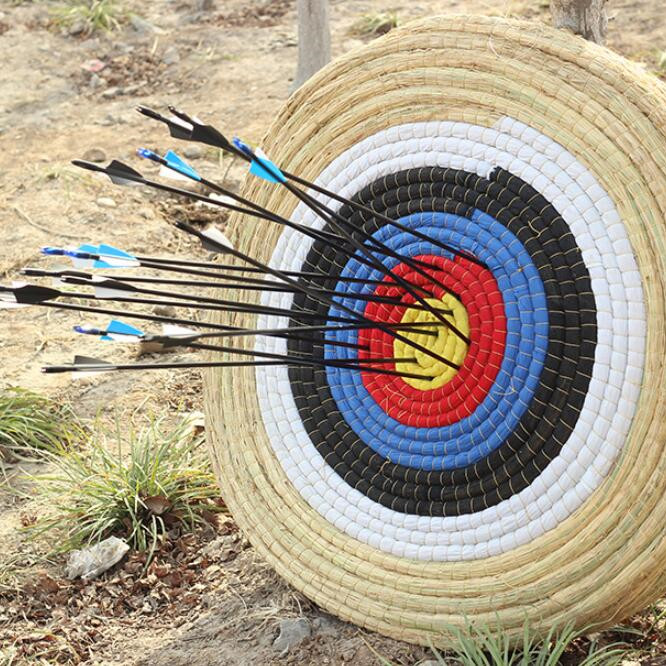
Pair your setup work with 6mm practice arrows for repeatable testing
Arrow weight calculator vs spine chart, which matters first?
Spine usually comes first, but finished weight refines the build. Start with the shaft family that fits your bow type, draw weight, draw length, and expected point weight. Then use the calculator to see where the real build lands. If you keep adding front weight and your arrow starts reacting weak, you may need to move to a stiffer shaft rather than keep compensating elsewhere.
This is where a lot of frustrating tuning sessions begin. An archer chooses a shaft that looked correct on the chart, then adds a heavier point, longer insert, four large vanes, a wrap, and maybe a collar. The finished build is no longer the same setup the chart assumed. The math changed, so the behavior changed too.
That is also why keeping your bow measurements accurate matters. If draw weight drifts or was estimated badly in the first place, your shaft choice and finished weight decisions can both be skewed from the start.
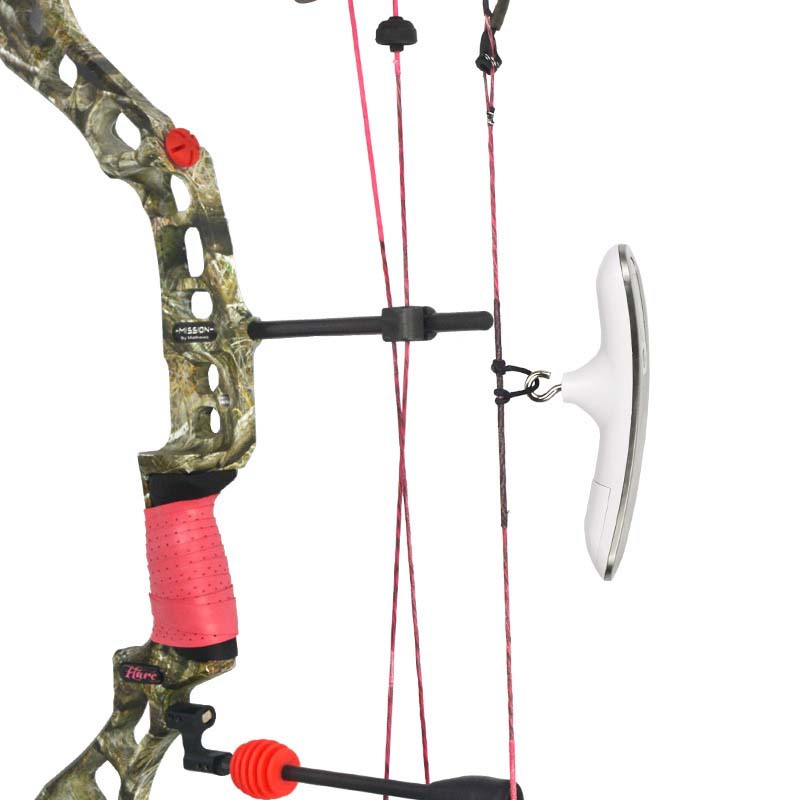
Use a digital bow scale to confirm draw weight during arrow setup changes
Common arrow weight calculator mistakes
The first mistake is forgetting small parts. Ten grains here and twelve grains there adds up quickly. The second is using the wrong shaft length measurement. The third is trusting the calculator without weighing a finished sample. The fourth is focusing on total grains and ignoring where the weight sits. Two arrows with the same finished weight can behave very differently if one carries far more mass at the front.
Another common mistake is copying someone else’s finished weight number without copying their bow, draw length, arrow diameter, and use case. A 460-grain hunting arrow that works beautifully on one compound may not be the right answer for your shorter draw or lower poundage setup. The calculator gives you a personal baseline, which is exactly why it is more useful than internet folklore.

FAQ: arrow weight calculator
What is the easiest arrow weight calculator formula?
Multiply shaft grains per inch by arrow length, then add every component in grains, including point, insert, nock, vanes, wrap, and added weights.
Does point weight affect arrow spine?
Yes. Heavier point weight can weaken dynamic spine, which is why point changes and shaft selection should be considered together.
Should I weigh every finished arrow?
Yes, if consistency matters to you. A grain scale confirms whether the calculator matches the real build and whether all arrows in the set are close enough for your purpose.
Is a heavier arrow always better?
No. Heavier arrows can feel calmer and carry momentum well, but they also reduce speed and may change sight marks or distance forgiveness. Better depends on the job.
If you want the cleanest next step, run the numbers for one build, assemble one finished arrow, weigh it, and compare the result against how the bow actually behaves. The best arrow weight calculator is the one that helps you make smarter decisions, not just bigger numbers.
Sources
- Gold Tip Calculator — official calculator showing how finished arrow weight and FOC are built from each component.
- Gold Tip Arrow Spine Selector — official selector notes on point weight, arrow length, and shaft choice.
- Easton Archery Experts, Arrow Selection Chart — official Easton guidance on choosing the right shaft.
- Easton, Choosing the Right Arrow Spine — official explanation of how spine choice affects performance.
- Lancaster Archery Supply, How Do I Add Weight To My Arrow? — official video on adding arrow mass and why it matters.
- Easton Archery Experts, Arrow Diameter — official context on how arrow build choices change performance.
Browse archery bows, arrows, and accessories at the Archery Supplier shop →
