
Archery Blog
Archery Arm Guard: 7 Smart Buying Tips
Apr
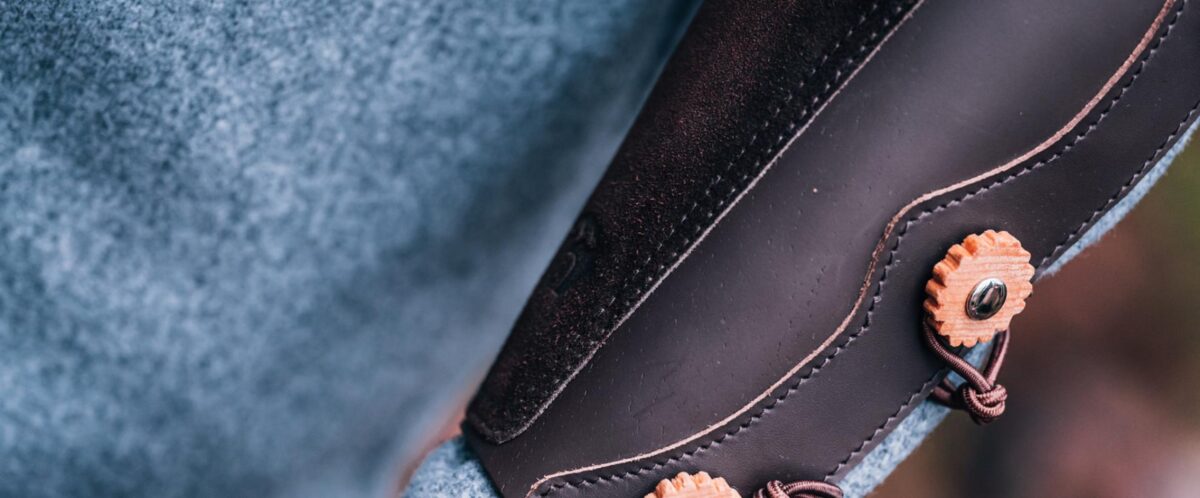
If you keep getting slapped on the inside of your bow arm, an archery arm guard is not optional, it is part of a clean, repeatable setup. The right guard protects your forearm, keeps loose sleeves away from the string, and lets you focus on form instead of bracing for pain. For most beginners, a longer guard with easy closures is the safest place to start, while experienced archers often prefer a shorter, lower-profile model once their alignment is consistent.
That sounds simple, but arm guards get ignored all the time because they are not as flashy as a bow, sight, or release. The problem is that one bad string hit can turn a good practice session into a lesson in bruises, flinching, and bad habits. A properly fitted arm guard removes that distraction. It also helps archers who shoot in jackets, hoodies, or layered hunting clothing, because fabric contact with the string can change arrow flight just enough to wreck consistency.
At the elite level, you still see protective gear everywhere. World Archery’s equipment guidance for recurve competition shows how detail-oriented high-level shooting is, and arm protection stays relevant because small setup errors become big misses downrange. In other words, arm guards are not just “beginner gear.” They are practical insurance for anyone who wants a smoother shot cycle.
Table of Contents
- What is an archery arm guard?
- Why archers use arm guards
- How to choose an arm guard
- What length works best?
- How to wear an arm guard correctly
- Common mistakes to avoid
- Beginner and bowhunting tips
- What to fix if you still get string slap
What is an archery arm guard?
An archery arm guard is a protective shield worn on the inside of the bow arm forearm. Its main job is to stop the bowstring from hitting skin or catching loose clothing during the shot. Depending on the design, it may be made from leather, molded plastic, synthetic fabric, mesh, or a combination of those materials.
Some models are long and cover most of the forearm, sometimes reaching toward the bicep for youth shooters or raw beginners. Others are compact and minimalist, designed for archers with refined alignment who want protection without bulk. Bearpaw Products, for example, separates beginner-friendly longer arm guards from shorter options aimed at experienced archers, which is a useful way to think about the category in general.
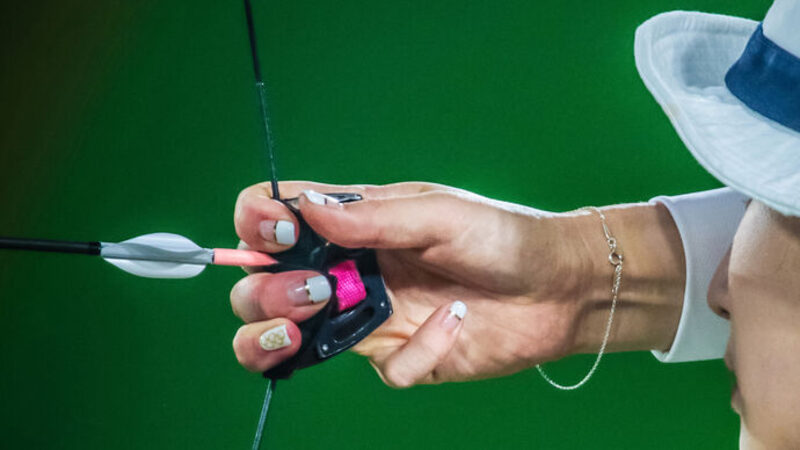
Even top-level archers use forearm protection when the setup calls for it.
Why archers use arm guards
The first reason is obvious: pain prevention. A bowstring traveling forward under tension can leave a painful welt if it clips the forearm. The second reason matters just as much: consistency. Once an archer starts anticipating string slap, the body begins to tense up before release. That tension bleeds into grip pressure, shoulder position, and follow-through. One small discomfort turns into a bigger shooting problem.
Arm guards also help manage clothing. A jacket cuff, fleece sleeve, or loose rain layer can brush the string just enough to change the shot. That matters for target archers chasing tighter groups and for bowhunters shooting from awkward positions in heavier clothing. Lancaster Archery notes that arm guards help keep clothing from contacting the string, and that alone makes them useful beyond simple impact protection.
There is also a confidence factor. New archers learn faster when they can focus on stance, hook, anchor, and release without worrying about getting hit. If you are working on posture, grip, or alignment, taking one physical distraction off the table is a smart move. That is especially true if you are already rebuilding your form after reading our guides on archery posture and how to hold a bow correctly.
How to choose an arm guard
The best archery arm guard is the one that solves your actual problem without creating a new one. That means looking at four things first: coverage, material, closure system, and ventilation.
1. Coverage
If you are brand new, shooting with heavy sleeves, or getting hit often, choose more coverage. Longer guards give you a larger margin for error. If your form is stable and you just need occasional protection or sleeve control, a shorter guard may feel better and move less during the shot.
2. Material
Leather arm guards are durable, traditional-looking, and often comfortable once broken in. Molded or vented synthetic guards feel lighter and may dry faster in hot weather. Arizona Archery Enterprises describes its arm guard as thin, tough, vented, and shaped for string clearance, which is exactly what many recurve and target shooters want.
3. Closure system
You will usually see one of three systems:
- Laces and eyelets for a traditional fit and precise adjustment.
- Elastic straps and buckles for quick setup and a secure hold.
- Velcro or slip-on designs for convenience, especially with youth shooters and beginners.
Bearpaw’s category guide breaks these styles down well. None is universally “best.” The right choice depends on how often you shoot, whether you share gear, and how fast you want to get on the line.

Outdoor shooting adds wind, sleeves, and movement, which makes clean forearm protection even more useful.
4. Ventilation and profile
Hot-weather practice can make a thick guard miserable. Vented designs help. At the same time, you do not want something so bulky that it snags clothing or feels unstable. Thin guards with enough rigidity to deflect the string usually feel better over long practice blocks.
What length works best?
The short answer is this: longer is safer for beginners, shorter is often better once technique improves. A long arm guard covers more of the danger zone and helps when your elbow rotation is inconsistent. That is why beginner recommendations from manufacturers often lean toward extended models.
For experienced target archers, especially those shooting in warm weather with fitted sleeves, a shorter guard is often enough. It protects the key contact area without adding unnecessary bulk. Traditional archers sometimes prefer longer leather guards because they fit the style of the setup and provide broad coverage. Bowhunters often choose something in the middle, enough protection for layered clothing, but not so much that it becomes one more thing to catch on gear.
If you are unsure, start slightly longer than you think you need. A guard that feels a little generous is far better than one that leaves the exact impact point exposed.
Shop pick: Archery Arm Guard
Simple adjustable forearm protection for beginners, coaches, and everyday range sessions.
How to wear an arm guard correctly
An arm guard should sit on the inside of your bow arm forearm, covering the area most likely to get clipped by the string. It should be snug enough that it does not rotate or slide, but not so tight that it pinches circulation or changes how you hold the bow.
- Put the guard on your bow arm, not your release arm.
- Center the main protective section over the inner forearm.
- Tighten from wrist toward elbow so the guard lies flat.
- Make sure no jacket cuff or shirt fold bunches under the straps.
- Draw the bow a few times without releasing and check that the string path clears the guard cleanly.
If you shoot recurve, pay attention to elbow rotation and shoulder alignment while fitting the guard. A guard can protect you, but it should not hide a major form issue forever. If your bowstring is smashing the same spot every session, you probably need to review stance, grip pressure, and elbow position too.

A good fit stays flat, does not twist, and gives the string a clean path past the forearm.
Common mistakes to avoid
Buying too little coverage too soon. New archers often buy a tiny minimalist guard because it looks sleek. Then they discover they are still hitting exposed skin. There is nothing wrong with starting with more protection.
Wearing it too loose. If the guard slides around, it will leave gaps and become annoying. Most people need the top strap slightly firmer than they expect.
Ignoring sleeve interference. Sometimes the guard is fine, but the shirt cuff bunches up around it. Smooth the clothing first, then secure the straps.
Using the arm guard as a substitute for form work. Protection helps, but repeated string slap usually points to a mechanical issue. Review your alignment, especially if you are also dialing in basics like anchor point consistency or bow sight setup.
Choosing fashion over ventilation. If you shoot in heat, a heavy non-vented guard may end up living in your bag instead of on your arm. Comfortable gear gets used. Uncomfortable gear gets ignored.
Arm guard tips for beginners and bowhunters
Beginners should think of the arm guard as part of the base kit, right beside arrows and a finger tab or release aid. It is cheap insurance while you build repeatable form. If you are starting with a recurve setup, pair a protective guard with manageable draw weight and consistent practice arrows. That will help you learn without developing a fear of the string.
Beginner setup idea: 60-Inch Recurve Bow Kit 35lb
A practical starter pairing if you want a safer recurve setup with manageable draw weight.
Bowhunters have a different problem. Their issue is not only skin contact, it is layered clothing. Rain shells, fleece, and bulky cuffs can all affect string travel. A secure, low-profile arm guard can keep the shot clean when temperatures drop and clothing gets thicker. This is also where pre-season practice matters. If your hunting jacket changes how the string leaves the bow, you need to find that out before opening day.
Target archers, meanwhile, often move toward lighter guards once technique improves, but they still benefit from sleeve management and psychological confidence. That is why even elite competition photos frequently show some version of forearm protection in use.
Training add-on: 6mm Practice Arrows for Beginners
Useful for early sessions when you are cleaning up posture, release, and bow-arm position.
What to fix if you still get string slap
If you are wearing a good arm guard and still getting hit, do not assume you simply need thicker protection. Start with the basics:
- Check elbow rotation. Many archers need to rotate the bow arm elbow slightly out of the string path.
- Relax the grip. A death grip can torque the bow and change string travel.
- Review shoulder alignment. A collapsed front shoulder changes the geometry of the shot.
- Look at clothing. Puffy sleeves may be the real culprit.
- Confirm bow fit. Draw length that is too long can pull your front side into a bad position.
This is where a simple accessory becomes a diagnostic tool. If the guard shows frequent string contact in the same place, it is telling you something about your setup. Use that feedback. Fixing the cause will improve comfort and tighten groups at the same time.
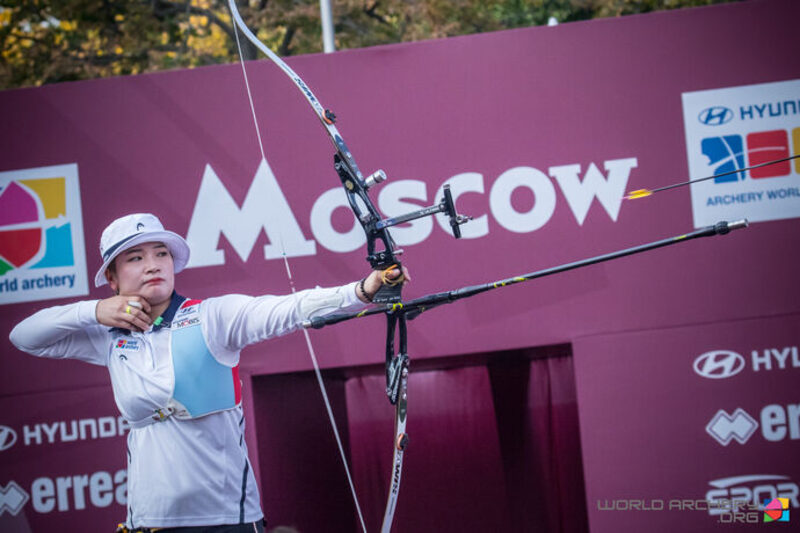
Protection is useful, but the long-term goal is always a cleaner string path and calmer bow arm.
Should you wear an archery arm guard every time?
For most archers, yes, especially during practice, cold-weather shooting, beginner coaching sessions, and any time clothing layers are involved. There is little downside to wearing one if it fits properly. The upside is less pain, less flinch, better clothing control, and more confidence in the shot.
If you are experienced and only want one piece of advice, it is this: choose the least bulky guard that still solves the problem you actually have. If you are a beginner, go the other way. Choose coverage first, then streamline later.
The best archery arm guard is not the most expensive one or the most traditional-looking one. It is the one that lets you shoot without fear of string slap and without interference from your sleeves. That makes it one of the smartest low-cost upgrades in archery.


If you are still refining your overall setup, keep building from the fundamentals. A clean grip, stable anchor, and protected bow arm work together, and each one makes the others easier to repeat.
Sources
- Bearpaw Products Armguards – Manufacturer guidance on beginner, youth, and experienced-archer arm guard styles.
- AAE Arm Guard – Product details on thin, vented, contoured arm guard construction.
- Lancaster Archery Armguards – Retail guidance on using arm guards to keep clothing away from the string.
- World Archery Recurve Equipment – Official overview of recurve archery equipment and competition setup context.
- Capturing the moment: Five striking shots from Winnipeg 2025 – World Archery competition imagery reference.
- Best photos from Hermosillo 2023 Hyundai Archery World Cup Final – World Archery competition imagery reference.
- Top 5: Best photos from stage two of the international circuit in Lausanne – World Archery competition imagery reference.
Browse archery bows, arrows, and accessories at the Archery Supplier shop →
Shop on Amazon
Archery Equipment on Amazon →
As an Amazon Associate we earn from qualifying purchases.
Shop on eBay
Archery Equipment on eBay →
We may earn a commission when you shop through our eBay links.
