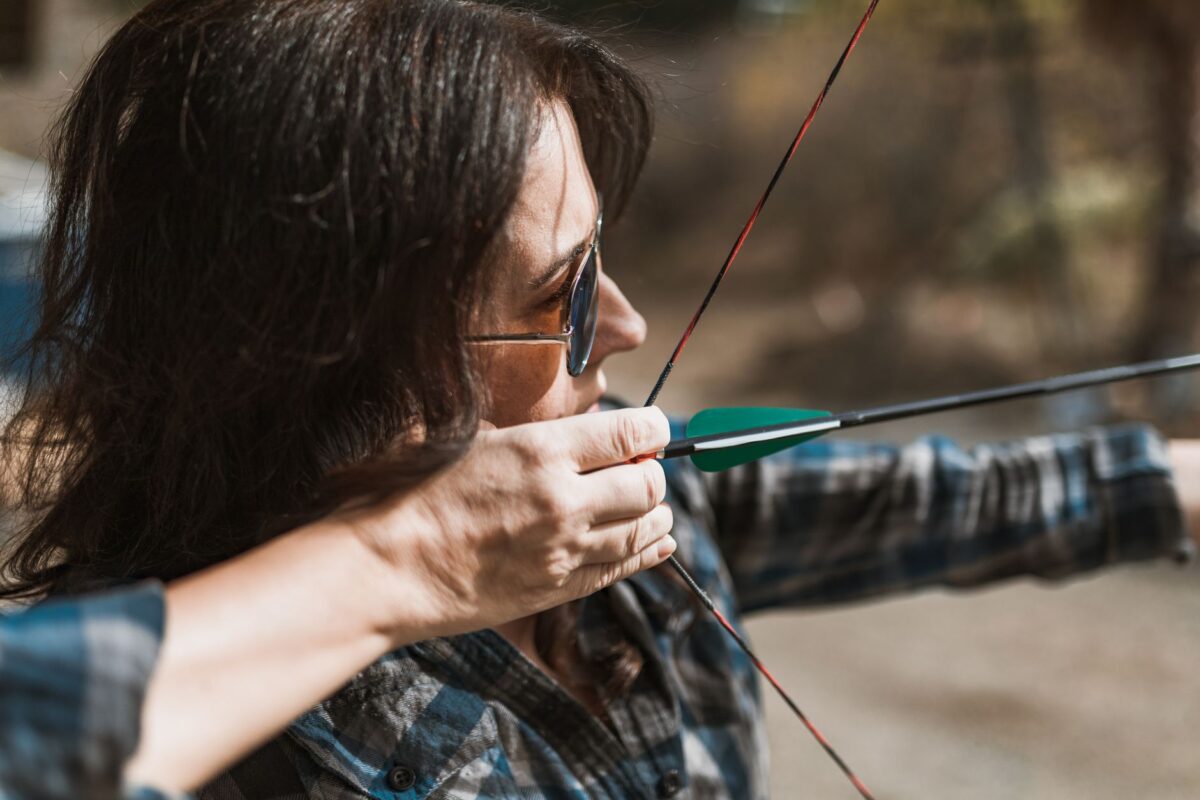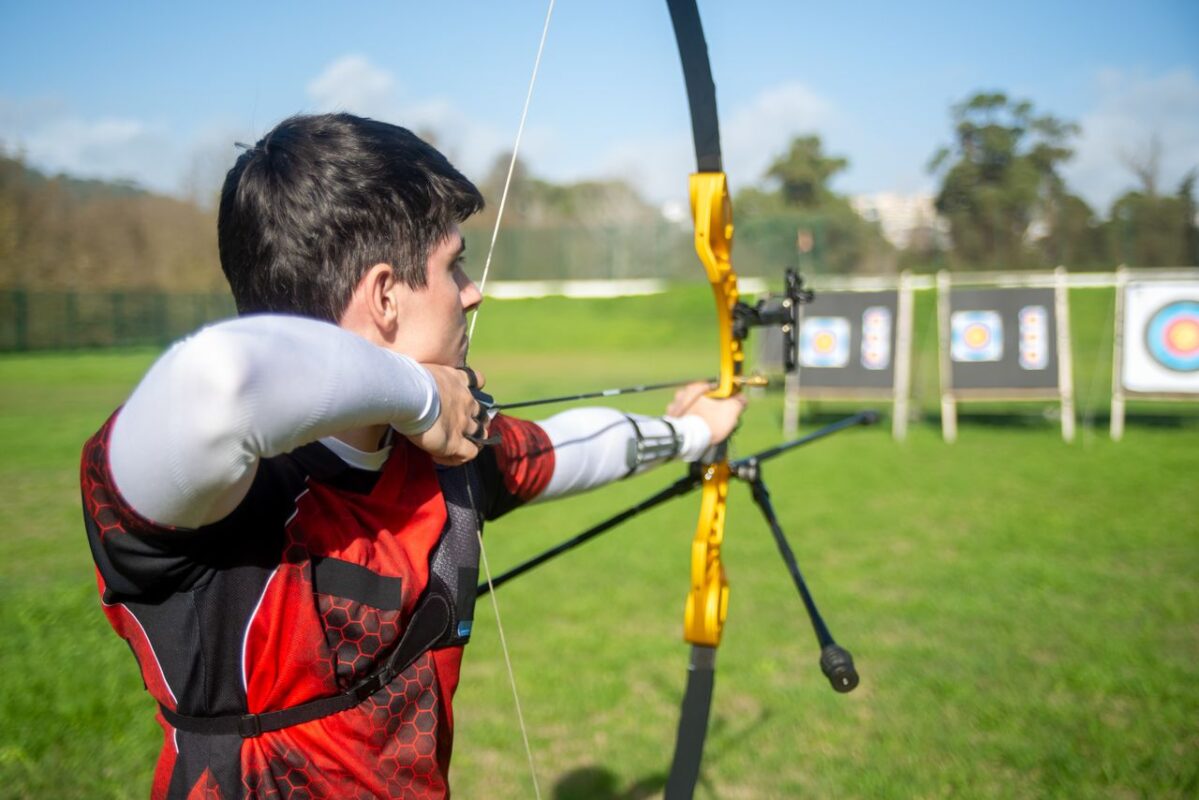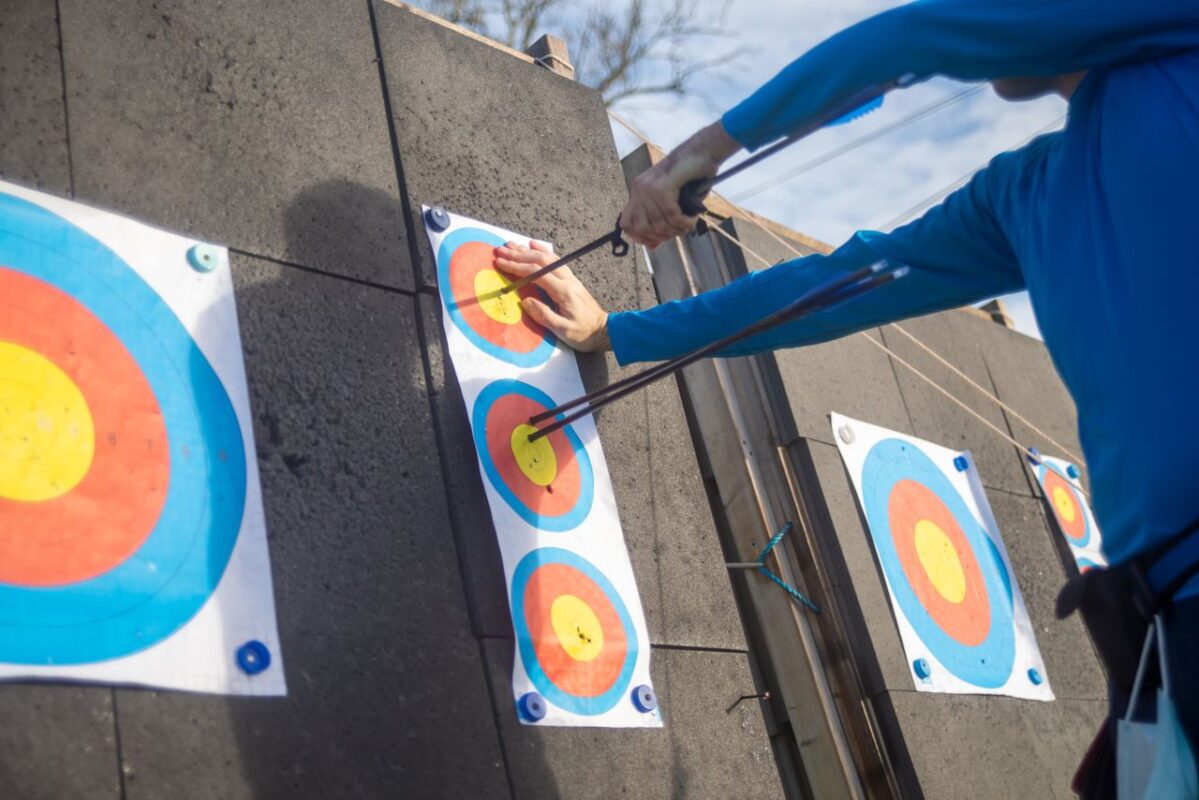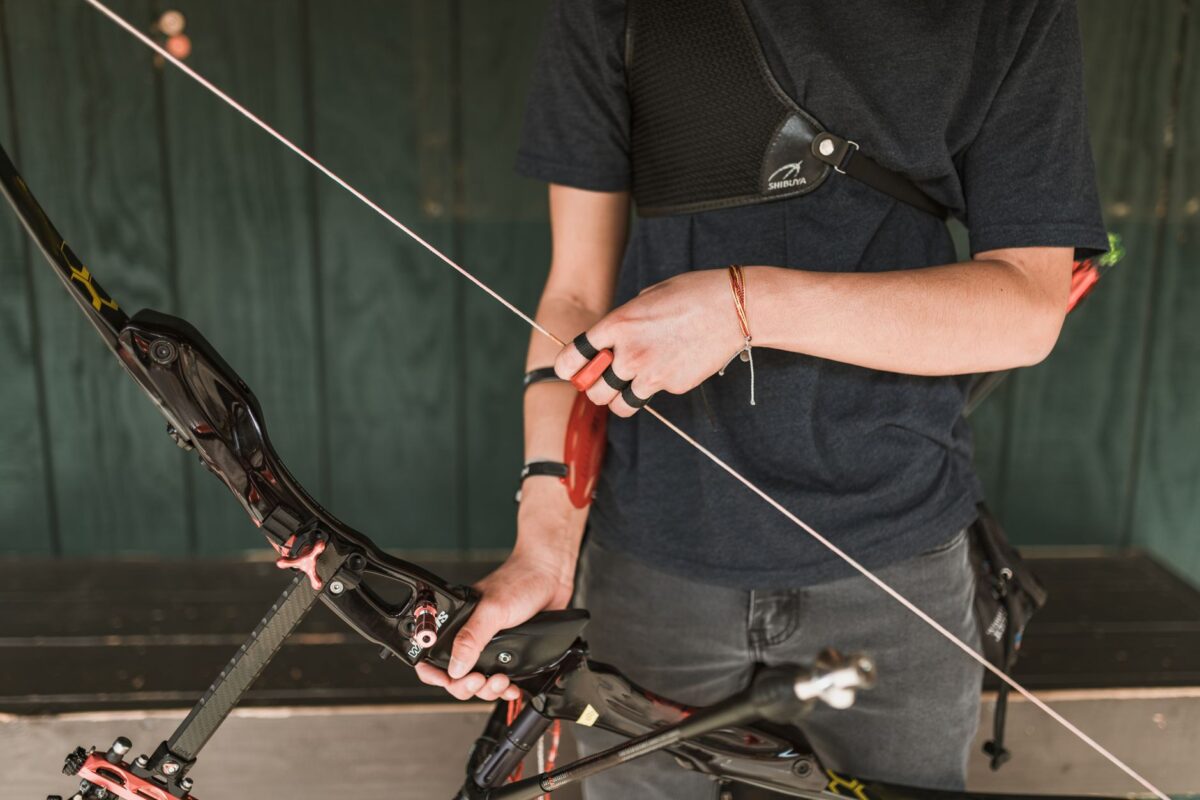
Pan American archery 2026 hit a US-flavored peak in Medellin this week, with Team USA dragging 31 medals out of the Unidad Deportiva Andrés Escobar and Mark Williams pulling two pending world records off the recurve 50+ lines. Across the Atlantic, Slovenia hosted the tenth edition of Veronica’s Cup with the world’s hottest compound shooters […]
Author Archives: Tahric Finn
Finger and mechanical releases don’t just change what’s in your hand — they change anchor geometry, string path, and how the shot actually breaks. Here’s what each technique demands and where each one wins.
Cam timing is the single fix that turns an unexplained flier into a 3-inch group at 40 yards. On a compound bow, it means both cams (or the single cam plus the idler wheel) reach their stops at the same moment, so the string travels a straight, repeatable path on every shot. When timing slips […]
A first-season roadmap for new bowhunters: legal first, gear second, practice third, and the ethical shot only when everything else is locked in.
Anchor point archery is the rear sight of your bow. Lock in compound and recurve anchors that hold under fatigue, cold, and pressure.
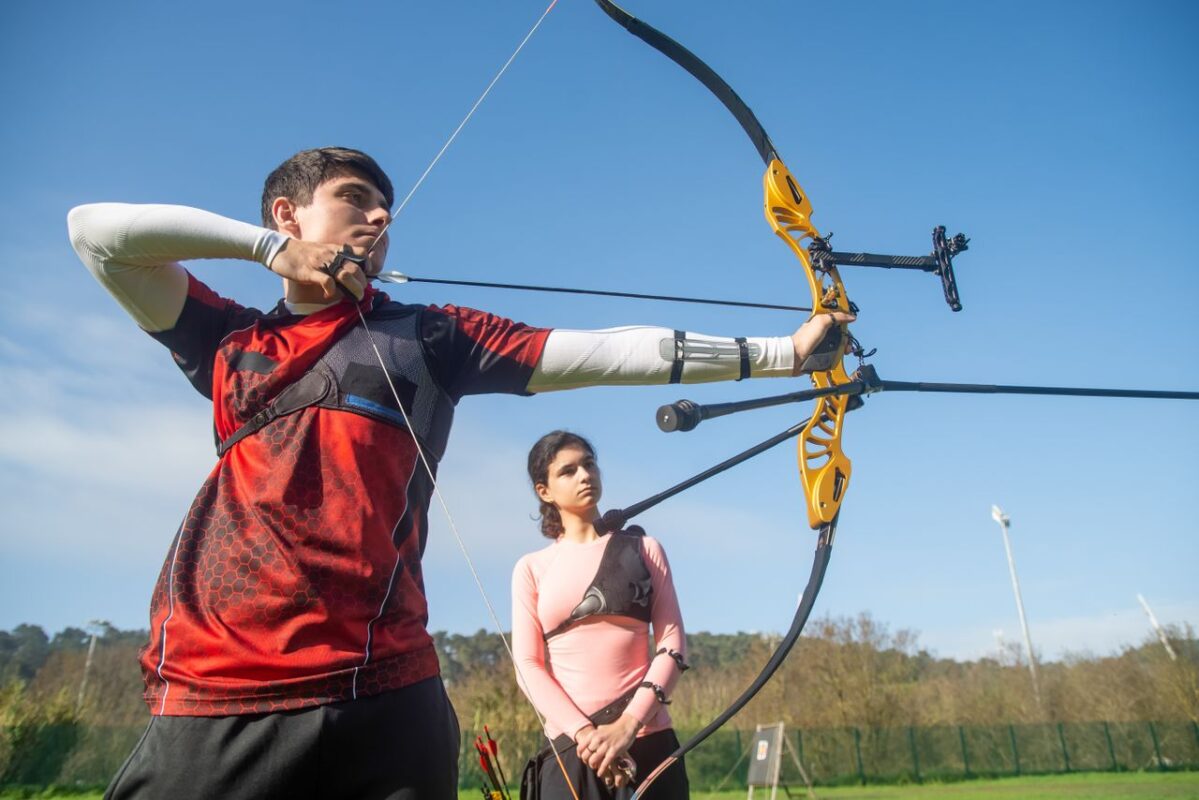
A complete starter guide to recurve archery — how to pick your first bow, the gear that actually matters, the 10-step shot cycle, and a 90-day plan to build real form.
Target panic in archery is fixable. These 7 drills—blank bale, back tension, and let-down work—rebuild a clean shot process in 4-6 weeks.
A complete compound bow maintenance schedule covering weekly string wax, monthly cam and cable inspections, and yearly press-down service that keeps your setup safe and accurate.
A peep sight installation that drifts even two millimeters at full draw can throw your arrows 4–6 inches off at 30 yards. That’s the brutal math behind every compound bow setup: the peep is the rear sight, your housing is the front sight, and if those two reference points don’t line up consistently, no amount […]
Let-off is the percentage your compound bow’s holding weight drops at full draw. Here’s how the cams pull off that trick, why 65%, 75%, and 90% feel completely different at the shot, and how to pick the right number for hunting or target.