Archery Blog
Best Compound Bows for Beginners: How to Pick Your First Bow

Jul
Walking into your first compound bow purchase can feel like being handed a spec sheet in a foreign language. Draw weight, let-off, axle-to-axle, brace height, IBO speed — every listing throws numbers at you, and every forum thread insists the bow you were about to buy is the wrong one. The good news is that picking the best compound bow for a beginner is far simpler than the marketing makes it look. You are not chasing the fastest or the most tournament-ready rig. You are looking for a bow that fits a wide range of bodies, adjusts as your form improves, and forgives the small mistakes every new archer makes. This guide walks through exactly what to look for, which specs actually matter on your first bow, and the small handful of models that have earned their reputation with newcomers.
What Actually Makes a Compound Bow Beginner-Friendly
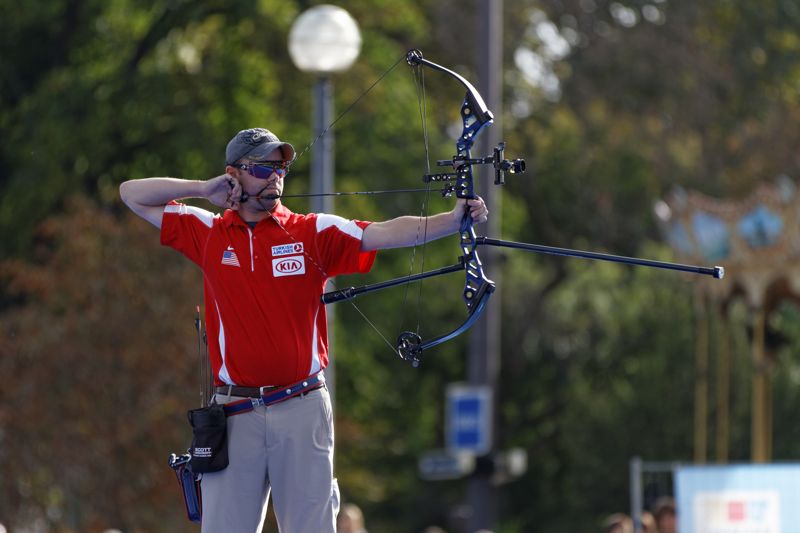
A beginner bow does one thing better than any premium bow: it grows with you. When you first pick up archery, your draw length is a guess, your shoulder strength is low, and your technique will change dramatically over the first few months. A bow locked to a single draw weight and a single draw length forces you to buy again the moment you improve. The bows that dominate beginner recommendations — the Bear Cruzer, the Diamond Edge — win precisely because they cover an enormous adjustment range out of one riser.
Forgiveness is the second pillar. A more forgiving bow hides small inconsistencies in your grip, anchor, and release, which means your arrows still land where you aimed even when your form wobbles. That builds confidence, and confidence is what keeps a new archer shooting instead of quietly shelving an expensive mistake. Speed and a razor-thin margin of error are the concerns of experienced shooters; your first bow should feel stable, quiet, and predictable long before it feels fast.
The Specs That Genuinely Matter on a First Bow
Ignore ninety percent of the numbers on the box. For a beginner, four measurements decide whether a bow fits your life for years or gets outgrown in a season.
Adjustable Draw Weight
Draw weight is the force you pull to reach full draw, measured in pounds. New archers almost always start too heavy, muscle the bow, and wreck their form. The best beginner bows offer a wide draw-weight window — the Bear Cruzer G2, for example, adjusts from just 5 pounds all the way to 70 pounds, and the Diamond Edge SB-1 runs from 7 to 70. That range lets you start light while you build the specific muscles archery uses, then turn the limb bolts up as you get stronger without ever buying a second bow.
Adjustable Draw Length
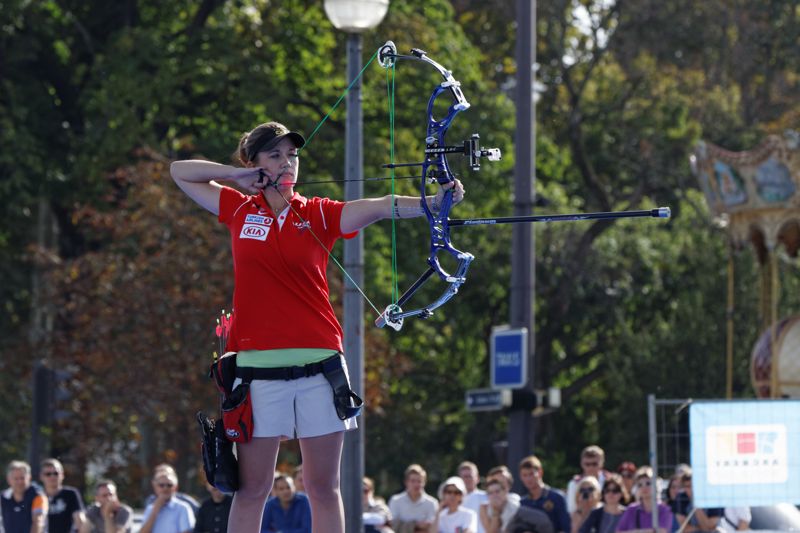
Draw length is how far back the bow draws before it hits the wall at full draw, and it must match your body. A bow set too long for you ruins your anchor point and your accuracy no matter how much you practice. This is the single most common reason a cheap bow feels impossible to shoot well. Growth-friendly beginner bows adjust their draw length without a bow press — the Cruzer G2 covers a remarkable 12 to 30 inches, meaning one bow can fit a child and a tall adult. That range is also why these bows are popular in families and clubs where several people share equipment.
Let-Off
Let-off is the mechanical magic that separates a compound bow from a recurve. Once you pull past the peak weight, the cams roll over and the holding weight drops sharply — typically by 75 to 90 percent. A bow with 80 percent let-off drawing 60 pounds only asks you to hold about 12 pounds at full draw, so you can settle your aim without your arm shaking. For a beginner, high let-off is a gift: it buys you the seconds you need to steady the sight and squeeze off a clean shot.
Axle-to-Axle and Brace Height
Axle-to-axle is the distance between the two cams; a longer bow is more stable and more forgiving, while a very short bow is maneuverable in a treestand but twitchy in a novice hand. Brace height is the gap from the string to the grip at rest — a taller brace height (7 inches or more) is more forgiving because the arrow leaves the string sooner, giving your mistakes less time to travel into the shot. Beginners are almost always better served by a bow that leans forgiving rather than fast.
Shop Beginner Compound Bow Packages on Amazon →
Ready-to-Shoot Packages vs. a Bare Bow
A bare bow is just the riser, limbs, cams, and string. To actually shoot it you still need a rest, a sight, a peep, a stabilizer, a quiver, and a release aid — accessories that can quietly double your spend and demand setup knowledge you do not yet have. This is why nearly every beginner is better off with a ready-to-shoot (RTS) or ready-to-hunt (RTH) package. The Bear Cruzer G2 famously ships with everything mounted and roughly tuned for under $500, and Diamond’s Edge packages do the same. You unbox a shootable bow, not a project.

The trade-off is that package accessories are entry-level. They are perfectly good enough to learn on for a year or two, and by the time you outgrow the plastic sight or the whisker-biscuit rest, you will actually understand what you want to replace them with. Buying a bare bow first and guessing at accessories is how beginners waste money on gear that does not suit them.
The First Bows Worth Shortlisting
A few models come up again and again in beginner reviews for good reason, and understanding why each earns its spot matters more than the names themselves.
The Bear Cruzer G2 is the default answer for a reason: its 5-to-70-pound draw weight and 12-to-30-inch draw length mean it fits almost anyone and adjusts across the widest range in its price class. It is the bow a whole family can learn on. The Diamond Edge SB-1 and Edge 320 aim slightly more at aspiring hunters, pairing that same generous adjustability with a faster 318 fps IBO speed and an easy limb-bolt system that makes turning up the poundage painless as you grow stronger.
For the youngest archers and for coaches teaching pure form, the Genesis deserves a mention precisely because it breaks the let-off rule: it has zero let-off and no specific draw-length setting, so one bow fits any archer and teaches proper back tension. It is the bow used in the National Archery in the Schools Program for exactly that reason. Whichever direction you lean, the winning move is to shoot a couple of them at a pro shop before you commit — numbers on a page never tell you how a bow feels in your hands.
Shop the Bear Cruzer Compound Bow on Amazon →
Setting a Realistic Budget
You do not need to spend a fortune, but bargain-bin bows sold in big-box sporting sections are usually a false economy — they lack the adjustability that makes a beginner bow worth owning, and they are often poorly tuned out of the box. A sensible first budget lands between $350 and $600 for a complete ready-to-shoot package from an established archery brand. That range buys you a bow you will not outgrow in a season and accessories good enough to learn on.
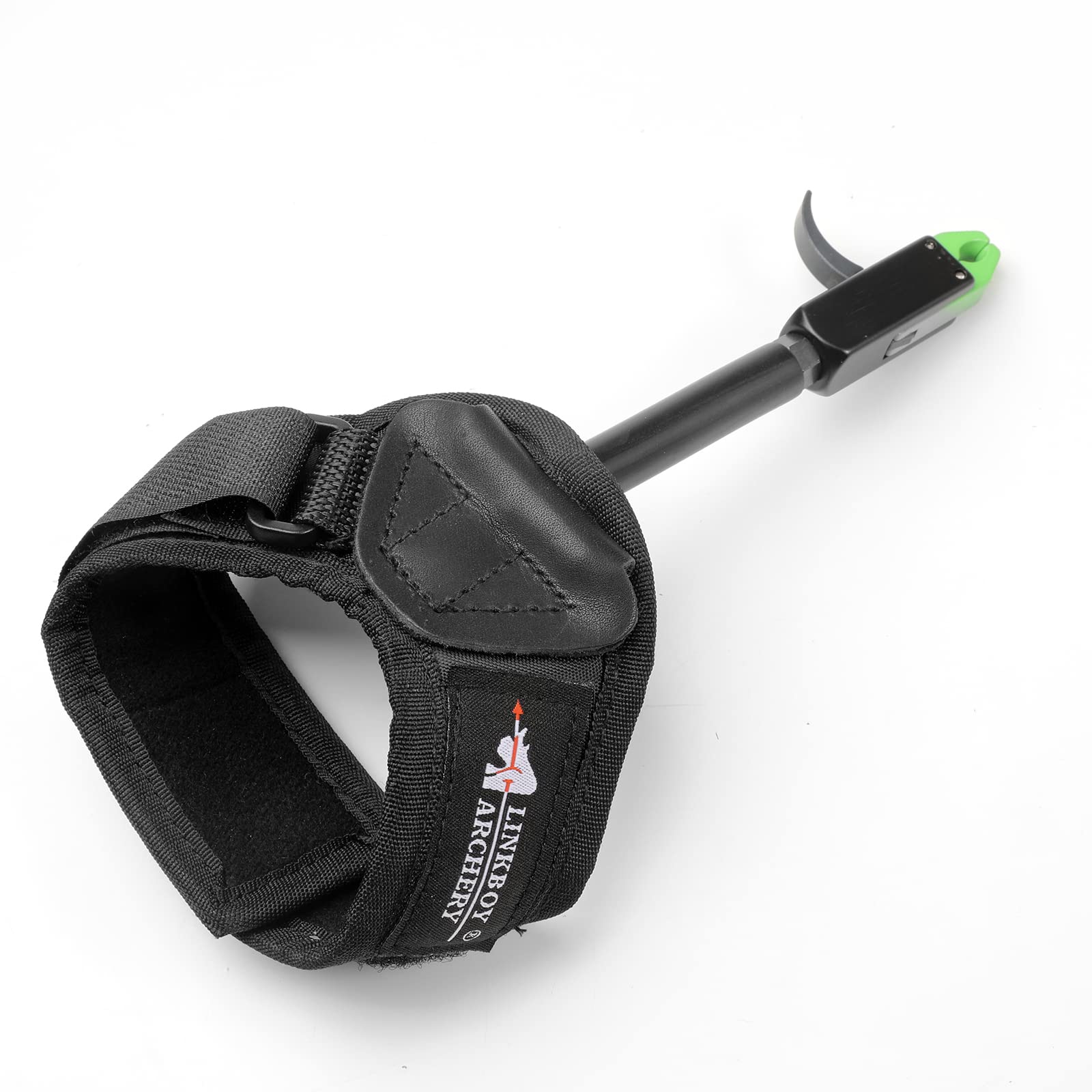
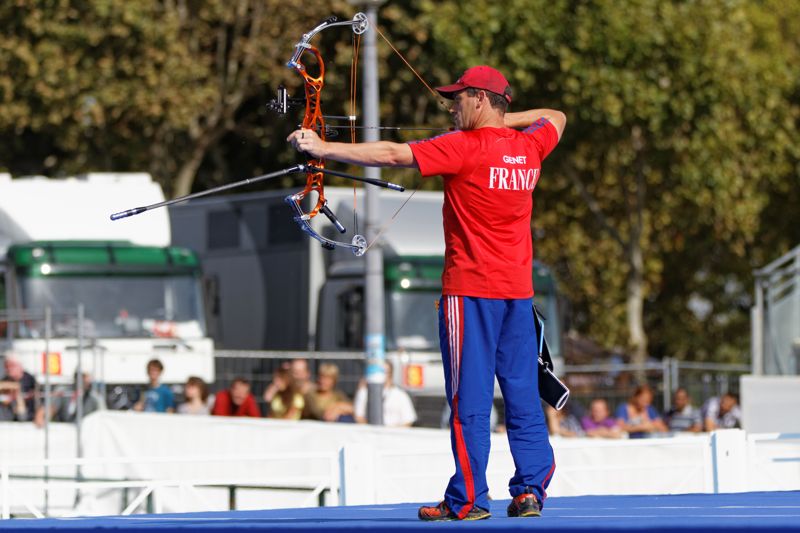
Beyond the bow, set aside money for the things that keep you shooting: a dozen properly spined arrows cut to your draw length, a decent target, an armguard, and a release aid if your package does not include a good one. A comfortable release makes an enormous difference to your consistency, and the trigger-style aids that come bundled in cheap packages are often the first thing worth upgrading.
Shop Compound Bow Release Aids on Amazon →
Get Fitted Before You Get Attached
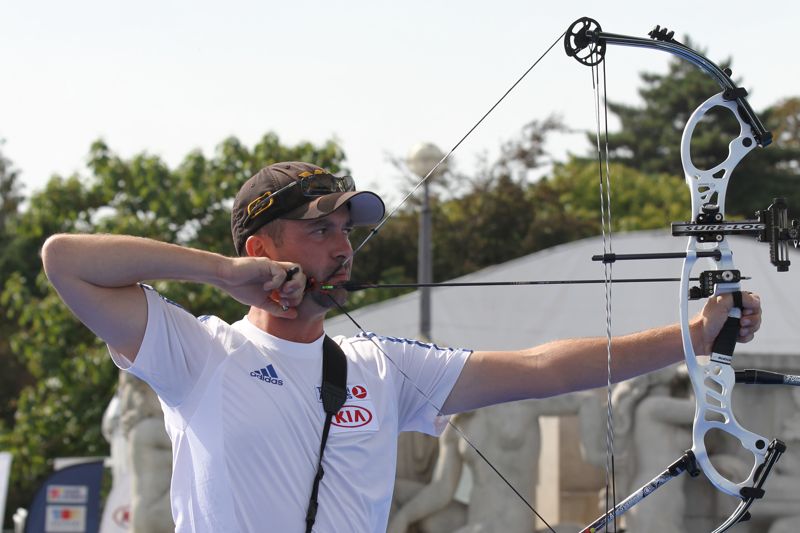
The most important step costs nothing beyond a short drive: get your draw length measured properly, ideally at a local archery pro shop. A quick measurement of your wingspan divided by 2.5 gives a rough starting number, but a shop can watch you draw and dial it in exactly. A bow that fits your draw length transforms your shooting more than any spec on the box, and a shop can set your bow up, sync the cams, and put a few arrows down range with you on day one.
If you buy online for the lower price, plan to pay a shop a modest fee to set the bow up and check the timing before you shoot it seriously. That small investment prevents the frustration of an untuned bow throwing arrows everywhere and blaming yourself for it.
Mistakes That Trip Up Almost Every Beginner
Two errors sink more new archers than any equipment flaw. The first is buying too much draw weight because a heavier number feels more serious — it only teaches you to muscle the bow and build bad habits you will fight for years. Start lighter than your ego wants and turn it up gradually. The second is chasing speed and top-tier flagship bows before your form deserves them, spending premium money on forgiveness margins so thin that a beginner cannot use them anyway.
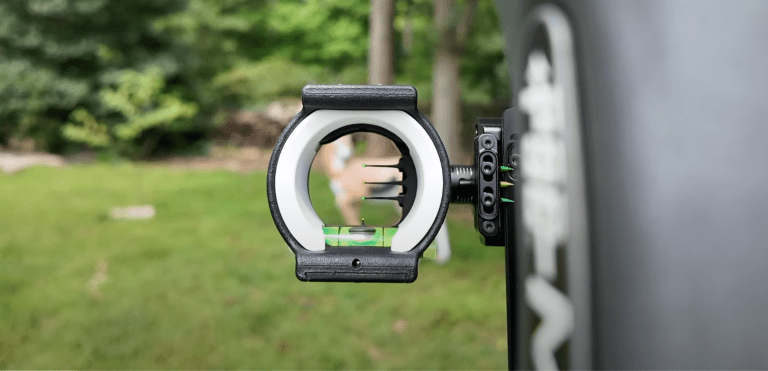
A third quiet mistake is skipping the accessories that protect the experience: a peep sight set at the wrong height, arrows with the wrong spine, or a release that does not fit your hand will all make a perfectly good bow feel broken. Get the fundamentals right and an inexpensive, adjustable, forgiving first bow will carry you well past the beginner stage — which is exactly what the best compound bows for beginners are designed to do.
The Bottom Line
Your first compound bow does not need to be fast, flashy, or expensive. It needs to fit a wide range of draw lengths and weights, forgive your learning curve, and come ready to shoot so you spend your energy on form instead of setup. Prioritize adjustability, buy a complete package from a reputable brand in the $350–$600 range, get properly fitted, and start with a draw weight you can hold in perfect form. Do that, and the bow you buy today will still be the bow you love a year from now.
Sources
- Wikipedia — Compound bow (mechanics, let-off, and history)
- USA Archery — official national governing body for the sport
- Field & Stream — gear reviews and beginner bow testing
- Outdoor Life — compound bow reviews and buying guides
Browse archery bows, arrows, and accessories at the Archery Supplier shop →
