Archery Blog
How to Sharpen Broadheads: 6 Steps to Razor-Sharp Edges
Jul
A broadhead that flies perfectly but arrives dull loses roughly 30% of its penetration on a broadside deer, according to arrow-lethality testing published by Outdoor Life. That is the difference between a 15-yard blood trail and a lost animal. The blades that ship “shaving sharp” from the factory rarely stay that way after a few practice shots into foam, a season riding in a quiver, or one glancing hit off a shoulder. Knowing how to bring an edge back yourself is the cheapest insurance a bowhunter owns.
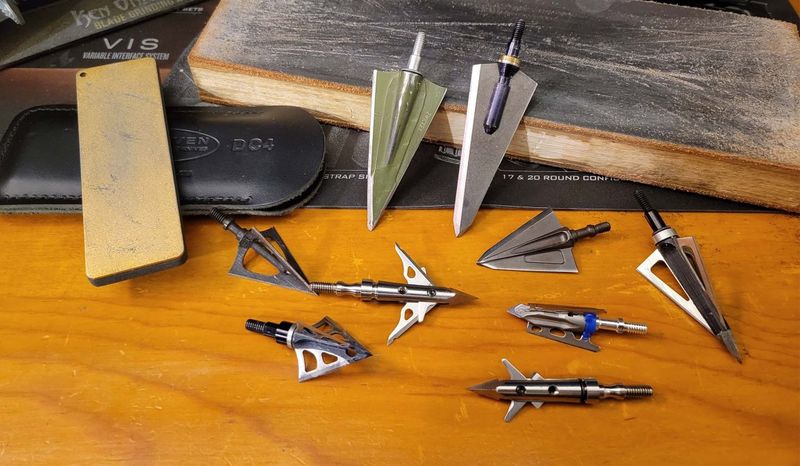
A basic sharpening kit — a mill file, a diamond stone, and a leather strop — handles almost every fixed-blade head on the market.
How to Sharpen Broadheads in 6 Simple Steps
The process to sharpen broadheads is the same whether you shoot a two-blade single bevel or a three-blade cut-on-contact head: remove a little steel evenly on each side, raise a burr, then polish that burr away. Rush any step and you get a rolled edge that looks shiny but tears instead of slices. Here is the sequence that works every time.
- Clean and mark the blade. Wipe off old lube and dried blood, then color the cutting edge with a black permanent marker. As you sharpen, the marker disappears exactly where steel is being removed, so you can see instantly whether your angle is right.
- Pick your angle and hold it. Most hunting broadheads live between 20 and 25 degrees per side. Rest the bevel flat on the stone so the whole edge — not just the tip — makes contact, and commit to that angle for every stroke.
- File from spine to edge. Draw the blade across a mill file or coarse diamond stone, always moving from the back of the head toward the point. Count your strokes so both sides get identical work.
- Feel for the burr. Run a fingertip perpendicularly off the edge (never along it). A tiny wire of steel that catches your skin means you have sharpened all the way to the apex.
- Step up the grit. Move to a fine ceramic or a hard Arkansas stone to refine the scratch pattern. The coarser the finish, the faster the edge dulls in the field.
- Strop it clean. Pull the edge backward across bare or compound-loaded leather a dozen times per side. This removes the burr and leaves a polished, hair-popping edge.
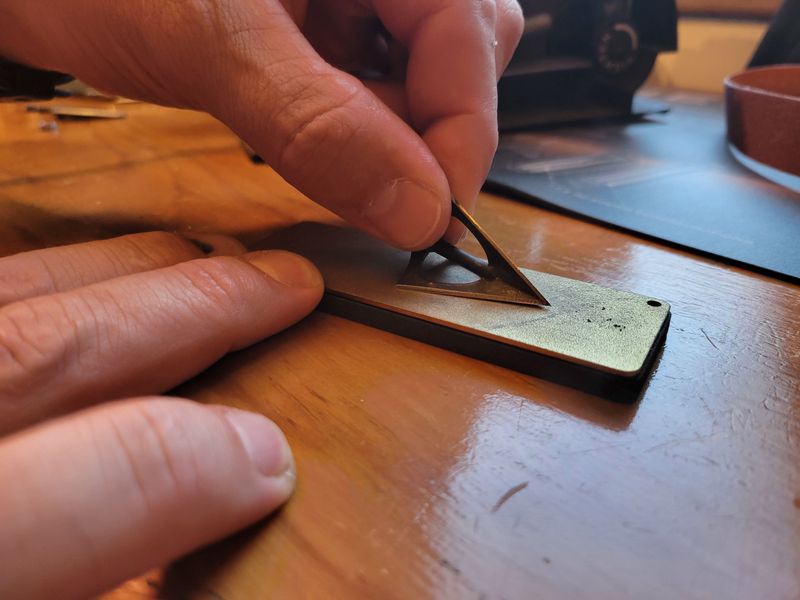
Keeping the entire bevel flat against the stone is the single skill that separates a scary-sharp head from a shiny dull one.
Why a Sharp Broadhead Matters More Than Cutting Diameter
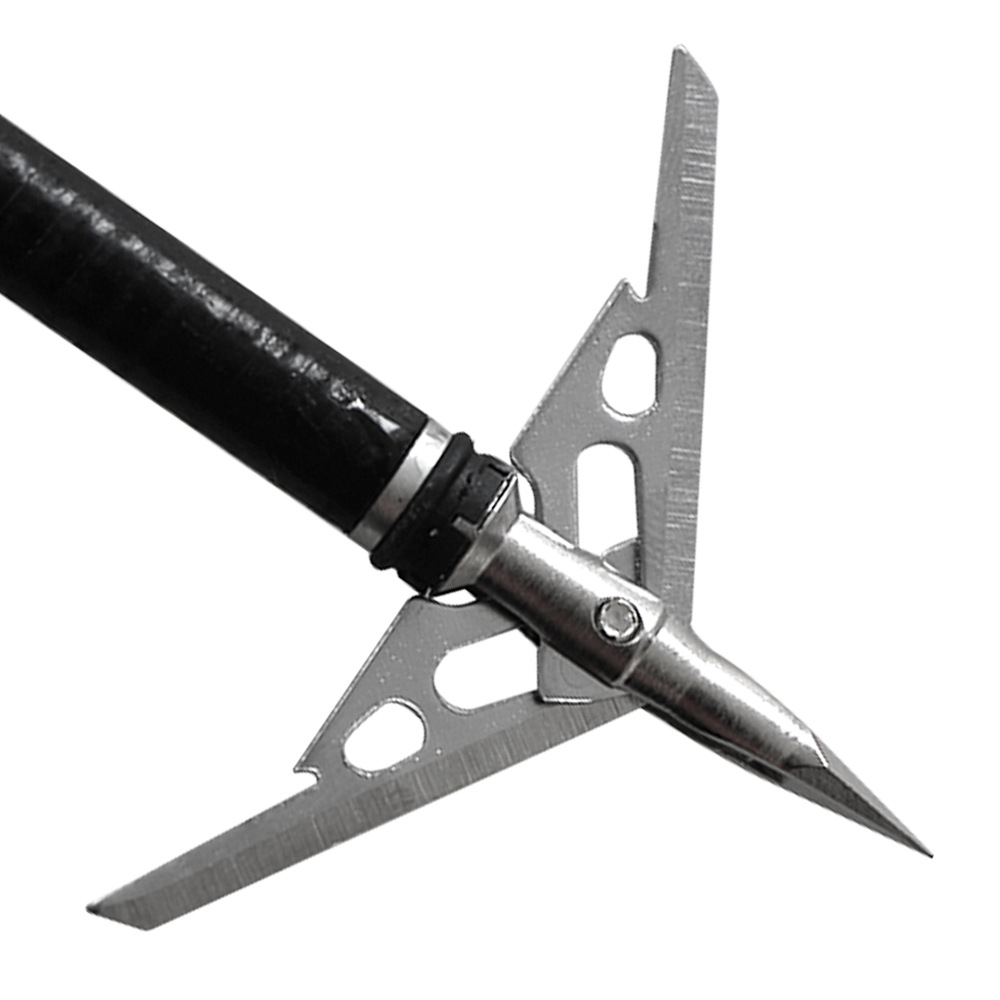
Marketing sells cutting diameter because a 2-inch number looks impressive on the package. The truth is that a razor edge does more work than an extra half-inch of width ever will. A sharp blade severs blood vessels cleanly and they stay open; a dull one pushes tissue aside and it seals behind the wound, which is why some hard-hit animals leave almost no blood. Penetration matters just as much — every bit of energy a dull edge wastes shoving through hide is energy that never reaches the far lung. Bigger holes only help if the head gets there in the first place.
Do You Sharpen Fixed-Blade and Mechanical Broadheads the Same Way?
No, and this trips up new bowhunters constantly. Fixed-blade and cut-on-contact heads are meant to be sharpened and re-sharpened for years — that solid steel is the whole point. Most mechanical broadheads use thin, replaceable blades that are cheaper and faster to swap than to hone; trying to file a 0.030-inch expandable blade usually warps it. If you shoot expandables, buy replacement blade packs and rotate them. If you shoot one-piece heads, the file and stone are your friends for life. Our guide on fixed vs mechanical broadheads breaks down which design fits your setup and hunting style.
What Tools Do You Need to Sharpen Broadheads?
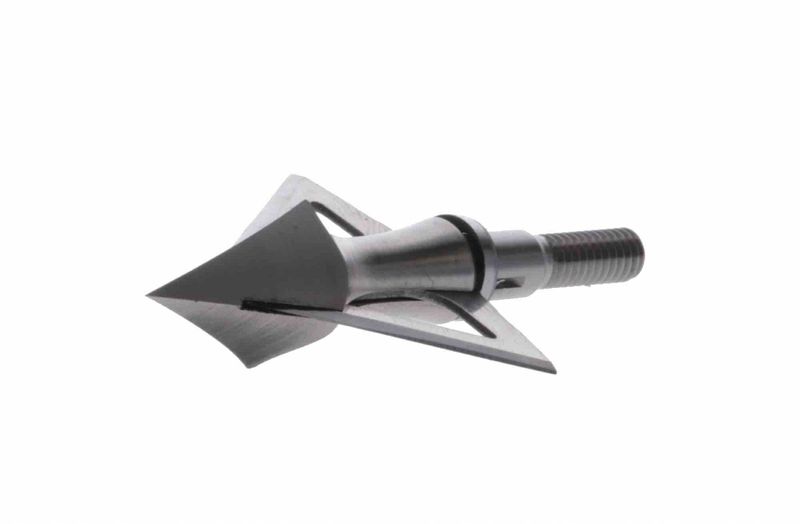
You can spend $12 or $120, and both roads end at a sharp edge. The budget kit is a 10-inch mill bastard file, a double-sided diamond stone, and a scrap of leather. The file hogs off steel fast to reset a damaged edge, the stone refines it, and the leather polishes. If you sharpen a lot of heads or want repeatable angles without hand-eye guesswork, a dedicated broadhead jig clamps the head and holds the bevel for you — the Stay Sharp Guide and KME systems are the two most trusted names in bowhunting camps.
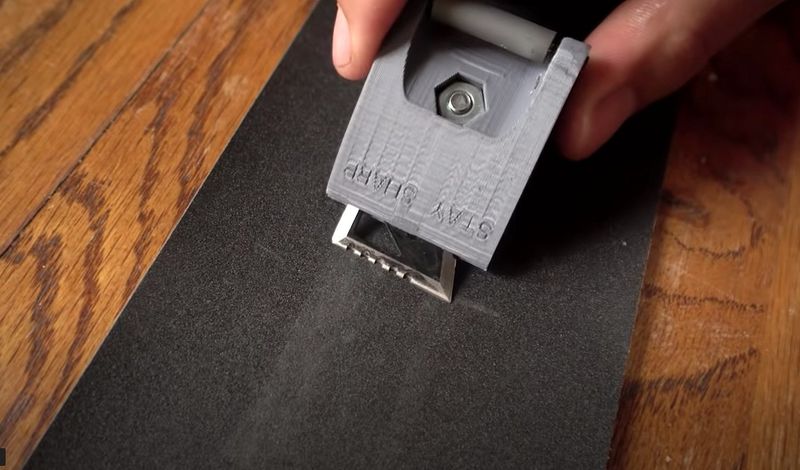
A sharpening jig paired with graded sandpaper removes the guesswork of holding a perfect angle by hand.
Whatever you buy, buy quality once. A cheap file with worn teeth chatters across the steel and rounds the very edge you are trying to build. Keep your stones clean and lightly oiled, and store them where they will not knock against other tools.
Grit progression matters more than most beginners expect. Jumping straight from a coarse file to leather leaves deep scratches that act like tiny serrations — they feel sharp on paper but drag through tissue. Work down through at least one medium grit in between. A practical ladder looks like this: file or 300-grit diamond to set the bevel, 600-grit to refine, then a strop with green polishing compound to finish. Each stage should erase the scratch pattern of the one before it.
Single-Bevel vs. Double-Bevel: Does the Grind Change Your Technique?
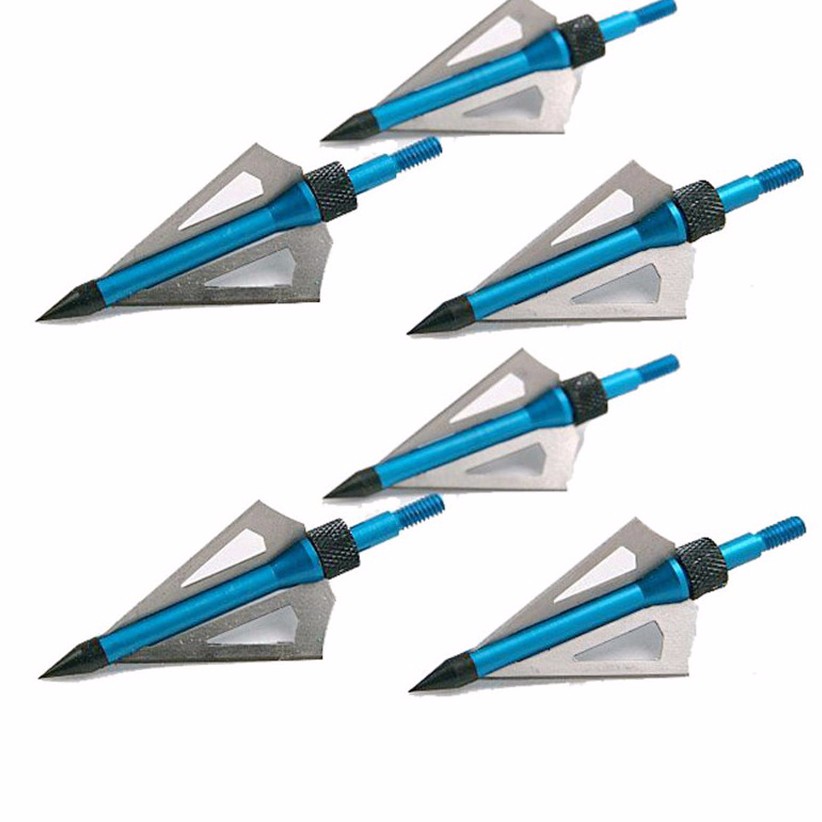
It changes everything about how you hold the head. A double-bevel blade is ground on both faces, so you flip it and sharpen each side evenly — the familiar approach most people picture. A single-bevel head is ground on one face only; you do almost all the work on the beveled side and just knock the burr off the flat back. Sharpen a single bevel on both sides and you destroy the rotational geometry that makes it split bone in the first place. When in doubt, look at the factory grind under good light and match it exactly.
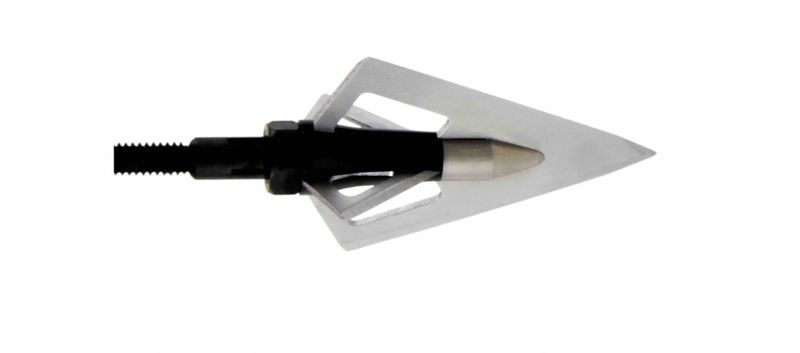
Traditional bowhunters have argued single-bevel versus double-bevel around campfires for decades. For a beginner, the honest answer is that a well-sharpened double bevel kills just as reliably and is far more forgiving to maintain. Master the double first.
How Do You Know When a Broadhead Is Sharp Enough?
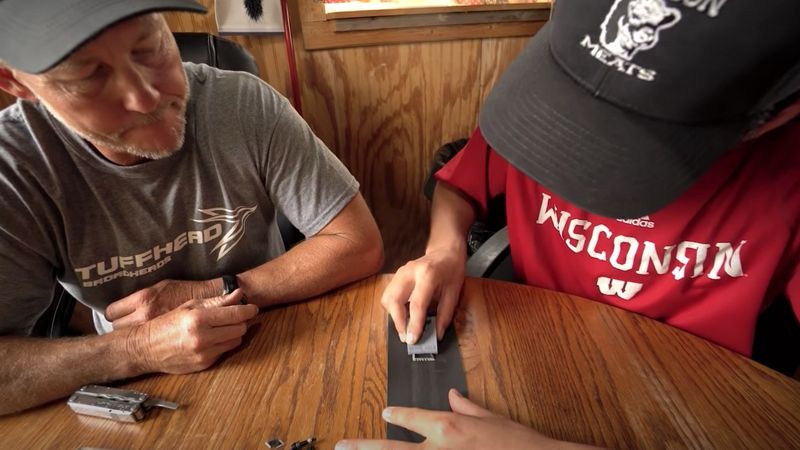
Skip the thumb test — dragging skin across a hunting edge is how people end up needing stitches. Instead, hold a sheet of printer paper and push the blade through it with light pressure. A sharp head slices a clean, quiet line; a dull one snags and tears. The gold standard bowhunters swear by is the rubber band test: a properly finished broadhead severs a stretched rubber band with almost no pressure. Clay Hayes demonstrates both tests in the walkthrough below.
How Often Should You Sharpen or Replace Broadheads?
Touch up your hunting heads before every trip, not once a season. Even sitting in a quiver, blades collect micro-oxidation and the edge softens against the foam. After a shot that hits anything harder than soft tissue — a rib, a shoulder, the dirt behind a target — inspect the head under bright light. A rolled or chipped edge on a one-piece head can usually be filed back; a bent replaceable blade goes straight in the trash. Rust is the quiet killer here — a broadhead stored bloody or damp will pit overnight, and pitting eats the fine apex first. Wipe every head dry after handling and give the blades a thin film of light oil for storage. Match your broadhead choice to what you hunt, too, which our best broadheads by game type breakdown covers for everything from whitetails to elk.
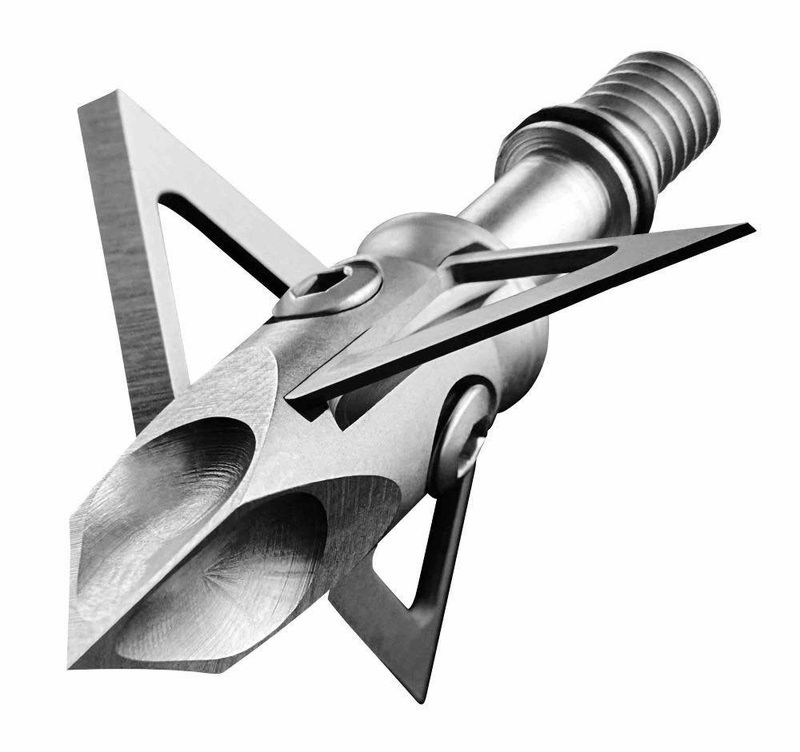
Common Broadhead Sharpening Mistakes to Avoid
The fastest way to ruin a good head is inconsistency. Rocking your wrist mid-stroke rounds the edge into a dull curve no amount of extra passes will fix. Pressing too hard loads the steel and folds the burr back over instead of removing it. And plenty of hunters stop the moment the blade looks shiny — shine is not sharpness. The marker trick from step one is your safeguard against all three; if any marker remains, you have not touched that part of the edge.
One more that costs animals every fall: sharpening a broadhead and then never shooting it. A hunting head can fly differently than your field points, so once it is sharp, tune your bow to it. Our broadhead tuning guide walks through aligning broadhead impact with your practice points so the razor edge actually lands where you aim.
Put a Season-Ready Edge on Every Head
Block out twenty minutes this week, spread your heads on the bench, and sharpen every one before the pressure of opening day is on you. The archer who trusts his edge draws with a calmer mind — and a calm shot in the last light of a hunt is worth more than any gadget in the pack. When you build out the rest of your kit, run through our bowhunting gear checklist so a dull broadhead is never the thing that ends your season early.
Sources
- Outdoor Life — How to Sharpen Broadheads — field-tested methods for files, stones, and jigs.
- Grand View Outdoors — A Simple System for Sharpening Fixed-Blade Broadheads — jig-and-sandpaper walkthrough.
- Bowhunting.com — Broadhead Sharpening Made Easy — burr detection and stropping fundamentals.
