Archery Blog
Best Broadheads by Game: Matching Heads to Whitetail, Elk, Turkey & Hogs
Jun
The fastest way to ruin a successful stalk is to send the wrong broadhead through the wrong animal. A head that drops a whitetail in 40 yards can glance off an elk’s shoulder blade. A turkey-decapitating mechanical can blow up on a hog’s gristle plate. Picking the best broadhead by game type isn’t gear-snob talk — it’s the difference between a short blood trail and a season-long ghost story.
This guide walks through the broadhead style, cut width, and weight that matches each major North American game animal, plus a few exotics. Whether you’re hunting Wisconsin whitetails from a treestand or Colorado elk on a mountainside, the head on your arrow should reflect the body you’re aiming to punch through.
Why Game Type Should Drive Your Broadhead Choice
Broadhead selection comes down to three tradeoffs: cut width, penetration, and flight forgiveness. Bigger cuts open larger wound channels and faster blood trails, but they steal penetration and exaggerate any tuning flaws. Narrower fixed heads drive deeper through bone but demand a perfectly tuned bow to fly true. Game animals sit on a spectrum from thin-skinned (turkey, antelope) to heavily armored (hog, brown bear), and your head should sit somewhere on the same spectrum.
A useful rule of thumb: the bigger and tougher the animal, the more you favor penetration over cut diameter. A 1.5-inch mechanical is gorgeous on a 140-pound whitetail. On a 700-pound bull elk, that same head can fold a blade against a rib and leave you tracking a wounded animal into the dark.
Whitetail Deer: The 100-Grain Standard
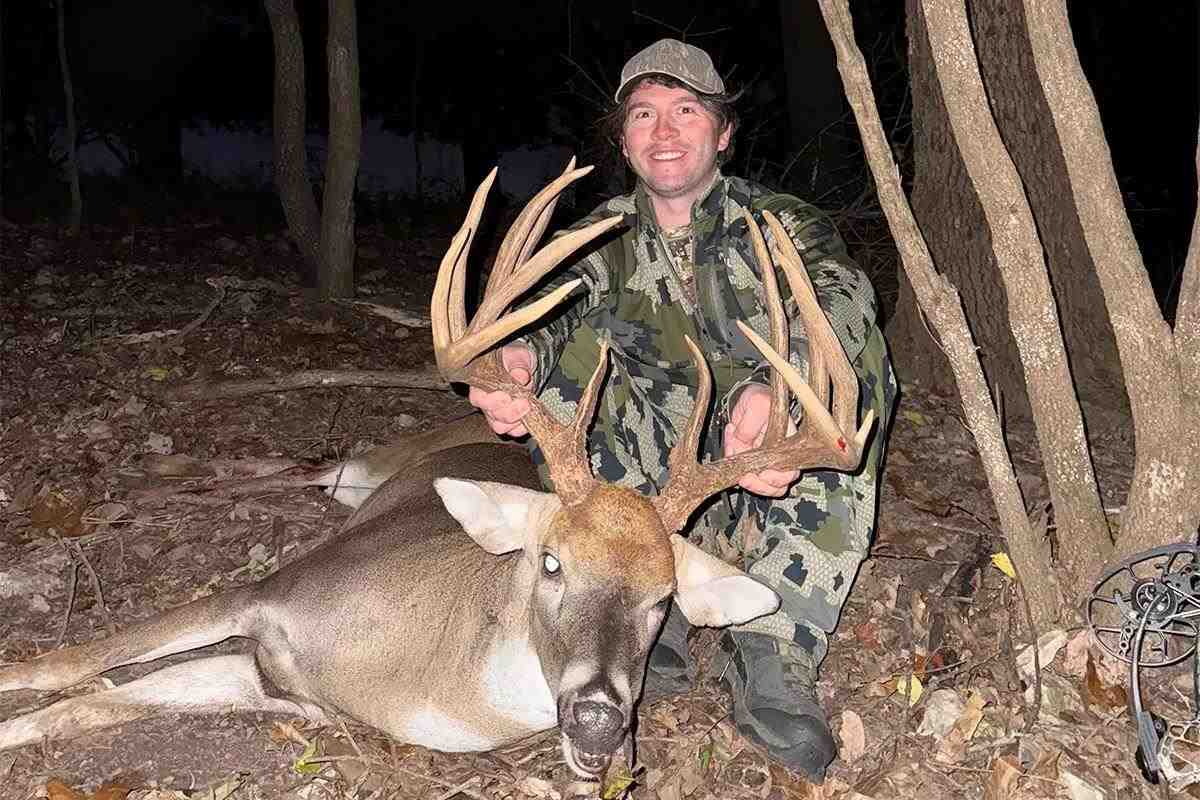
Whitetails are the bowhunter’s bread and butter, and almost every broadhead on the market is designed with them in mind. A mature buck weighs 150–250 pounds with relatively thin hide and modest bone structure behind the shoulder. You don’t need a tank-buster — you need a head that flies like a field point and opens a wide wound channel.
What Works
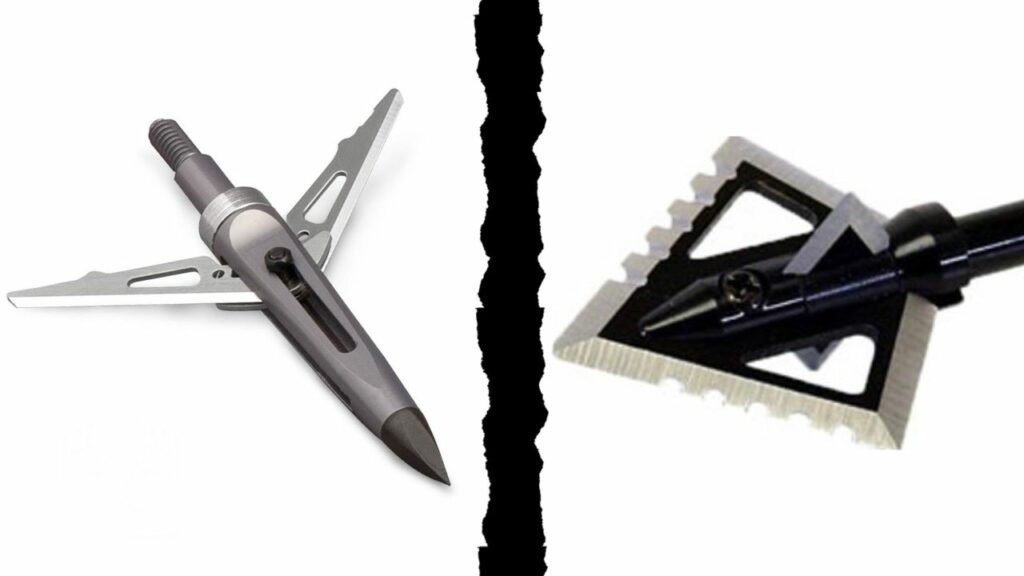
- Mechanical (expandable) heads, 100–125 grains, 1.5″–2″ cut. Rage Hypodermic, Sevr, NAP Spitfire, and similar rear-deploying mechanicals are devastating on broadside lung shots.
- Fixed-blade compact heads, 100 grains, 1″–1 1/8″ cut. Muzzy Trocar, G5 Montec, or Slick Trick Magnum if you prefer the reliability of no moving parts.
For treestand whitetail hunters shooting compound bows at 25–40 yards, a 100-grain expandable with rear-deploying blades is the modern standard. Entry hole is small, exit is dinner-plate sized, and blood trails are obvious within 50 yards.
Mule Deer and Antelope: Open-Country Flatness
Mule deer and pronghorn antelope live in wide-open western terrain where shots stretch to 50+ yards. Wind drift becomes a real factor, and broadhead flight forgiveness matters more than it does in a Midwest treestand. Mulies are slightly tougher than whitetails — a heavier-boned 200–300 pound animal — but the real challenge is consistent broadhead flight at distance.
Most western hunters lean toward low-profile mechanicals or compact fixed heads with small cutting tips. The smaller the profile in flight, the less your group opens up at 50 yards. A 100-grain fixed three-blade like the G5 Montec or a slim mechanical like the Sevr Titanium 1.5 delivers both flight consistency and adequate cut width.
Elk: Bone-Cracking Power Over Cut Width
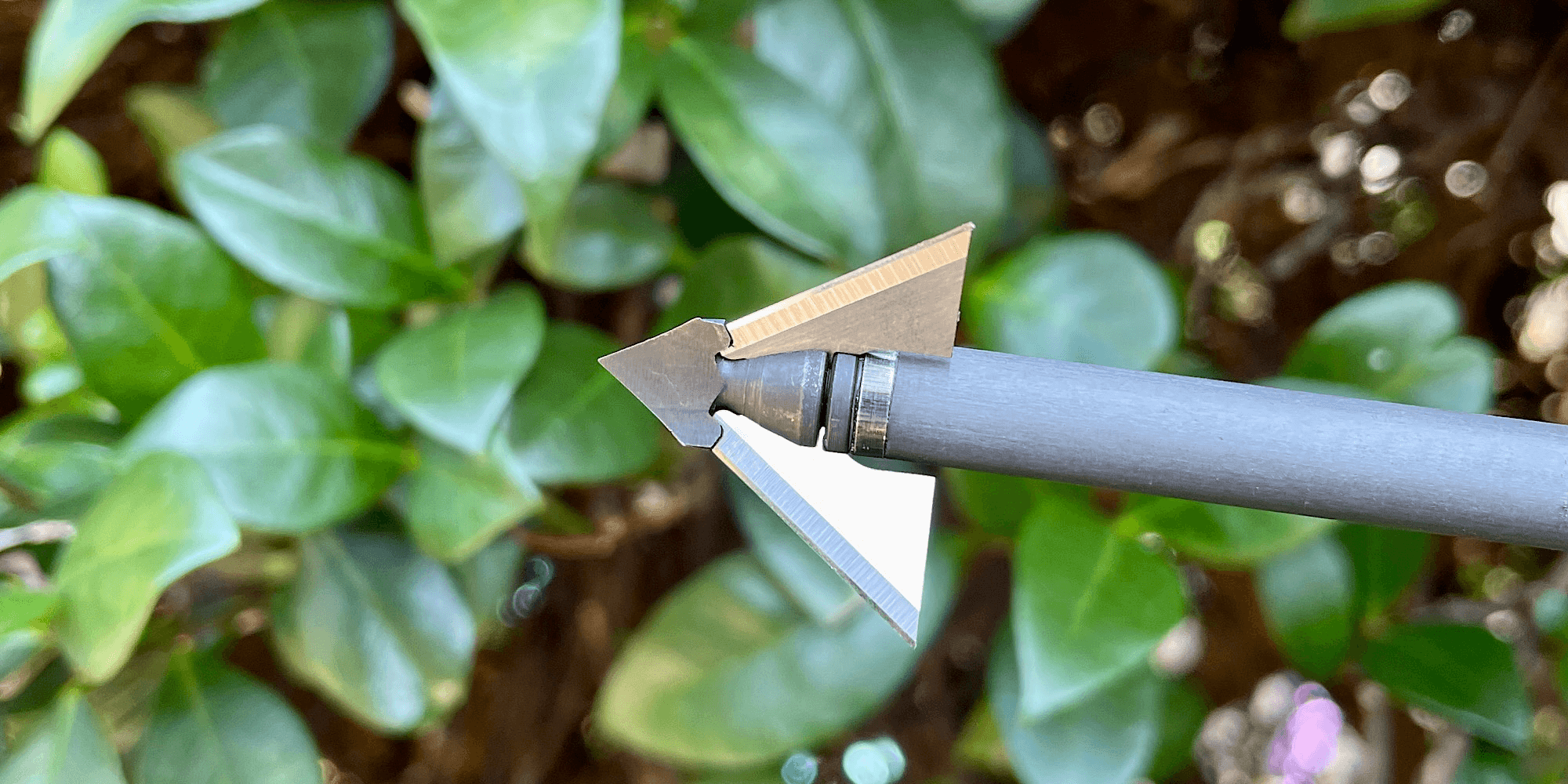
Elk hunting is where broadhead choice gets serious. A bull can weigh 700–1,000 pounds and the shoulder blade alone can stop a poorly chosen arrow cold. The vital cavity sits deep behind heavy ribs, and the hide is thicker than anything you’ll encounter on a whitetail. Most experienced elk hunters preach the same gospel: heavy arrows, fixed-blade heads, narrow cut, maximum penetration.
What Works
- Fixed-blade two-blade or single-bevel heads, 125–200 grains. Iron Will, Day Six, VPA, and Strickland’s are the names you’ll see on every elk forum.
- Cut-on-contact tips for clean entry through hide and rib bone.
- Avoid mechanicals under 80 lb draw weight. Expandables waste energy opening the blades — energy you need for penetration.
The trend in serious elk circles is heavy front-of-center (FOC) arrows in the 500–650 grain range tipped with single-bevel heads that bone-split rather than glance. You’re not trying to make a big cut — you’re trying to put the head out the other side of the animal. A complete pass-through means two bleeding holes and a fast recovery.
Black Bear: Heavy Hair, Hidden Vitals
Black bears present a unique challenge. The vitals sit forward and lower than most hunters assume, and the dense fur and fat layer absorbs blood like a sponge — pass-throughs are non-negotiable if you want a trackable trail. A spring bear over bait or a fall bear in oak country deserves the same broadhead approach you’d use for elk: fixed-blade, heavy weight, narrow profile.
Most experienced bear guides recommend 125-grain or heavier fixed heads with cut-on-contact tips. Some hunters use single-bevel heads specifically because the rotational cut helps slice through the dense undercoat that can otherwise plug a wound channel and stop external bleeding.
Hogs and Wild Boar: Armor Plate Country
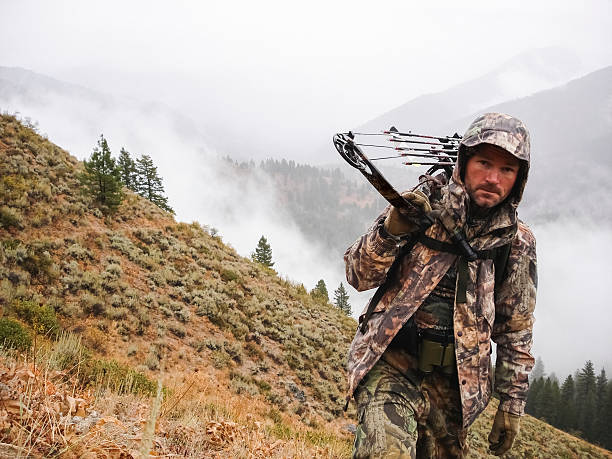
Mature feral hogs and wild boar carry a gristle plate — a thick shield of cartilage covering the shoulder — that can defeat lighter broadheads completely. A 180-pound boar’s shield can be over an inch thick. This is one of the few hunting situations where blowing through a deer-rated mechanical is a real outcome.
What Works
- Heavy fixed-blade heads, 125–175 grains. Two-blade single-bevel or stout three-blade designs.
- Aim behind the shield. Even the best broadhead is fighting biology. A behind-the-shoulder shot avoids the worst of the armor entirely.
- Skip the 1.5″+ mechanicals on mature boars. Save those for sows and youngsters where cut width helps more than it costs.
Turkey: The Two-School Debate
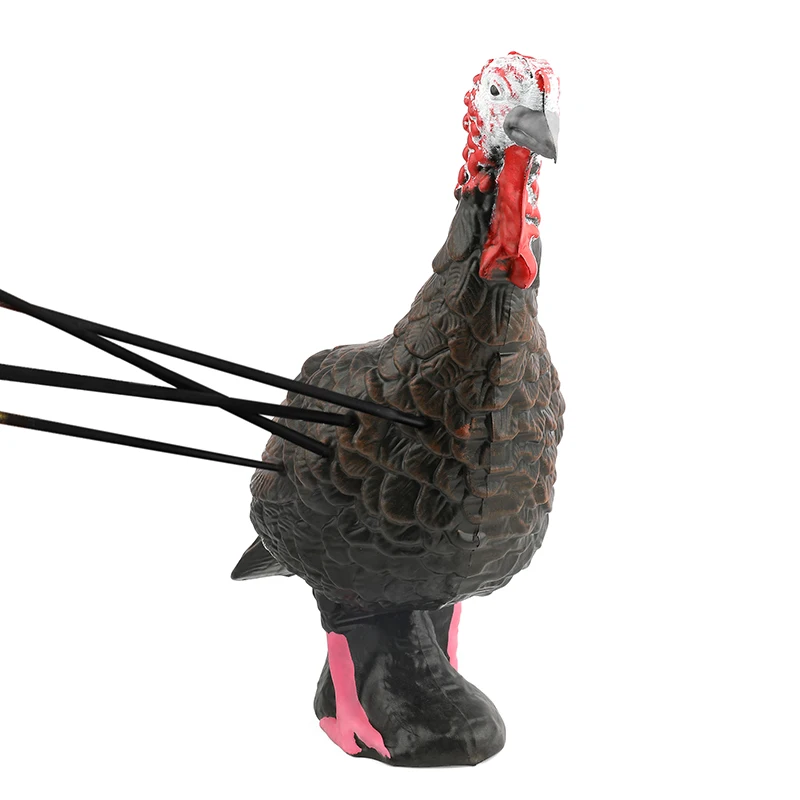
Bowhunting turkeys splits into two camps, and the broadhead you pick depends entirely on where you aim. Turkeys are small, mobile, and mostly hollow feathers — body shots are easy to make and easy to lose.
The Decapitator Camp
Heads like the Magnus Bullhead, Gobbler Guillotine, and Garrett Strikers are massive wire-blade contraptions designed to take the bird’s head clean off at the neck. Cut width is 3–4 inches. Aim at the head, miss by an inch, and the wire blades still connect somewhere lethal. The catch: these heads fly like wounded ducks past 20 yards.
The Body Shot Camp
The other school uses standard 100-grain mechanicals aimed at the vitals (broadside: where the wing meets the body; facing: base of the beard). The advantage is normal arrow flight and the same head you use for deer. The disadvantage is that turkeys are tough, and a marginal body shot can run a long way.
Small Game: Bunny Busters and Judo Points
Rabbit, squirrel, and grouse hunting with a bow is a different sport. You’re not trying to penetrate — you’re trying to deliver enough shock to anchor a small animal without burying your arrow under a stump. Standard broadheads bury too deep and you’ll lose arrows constantly.
- Judo points with wire spring arms grab vegetation and prevent arrows from skipping into the brush.
- Small game heads (“bunny busters”) with rubber blunt tips or wire impact bars deliver shock without piercing.
- Specialty small-game broadheads like the Magnus Small Game Head combine modest cutting blades with a non-piercing flat face.
African Plains Game and Exotic Big Game
If you’re booking an African safari or hunting exotics like nilgai or oryx in Texas, the rules change again. Plains game animals have shockingly tough hides and bones designed to survive lion attacks. Outfitters routinely require a minimum arrow weight (often 650+ grains for kudu and larger) and forbid mechanical broadheads outright.
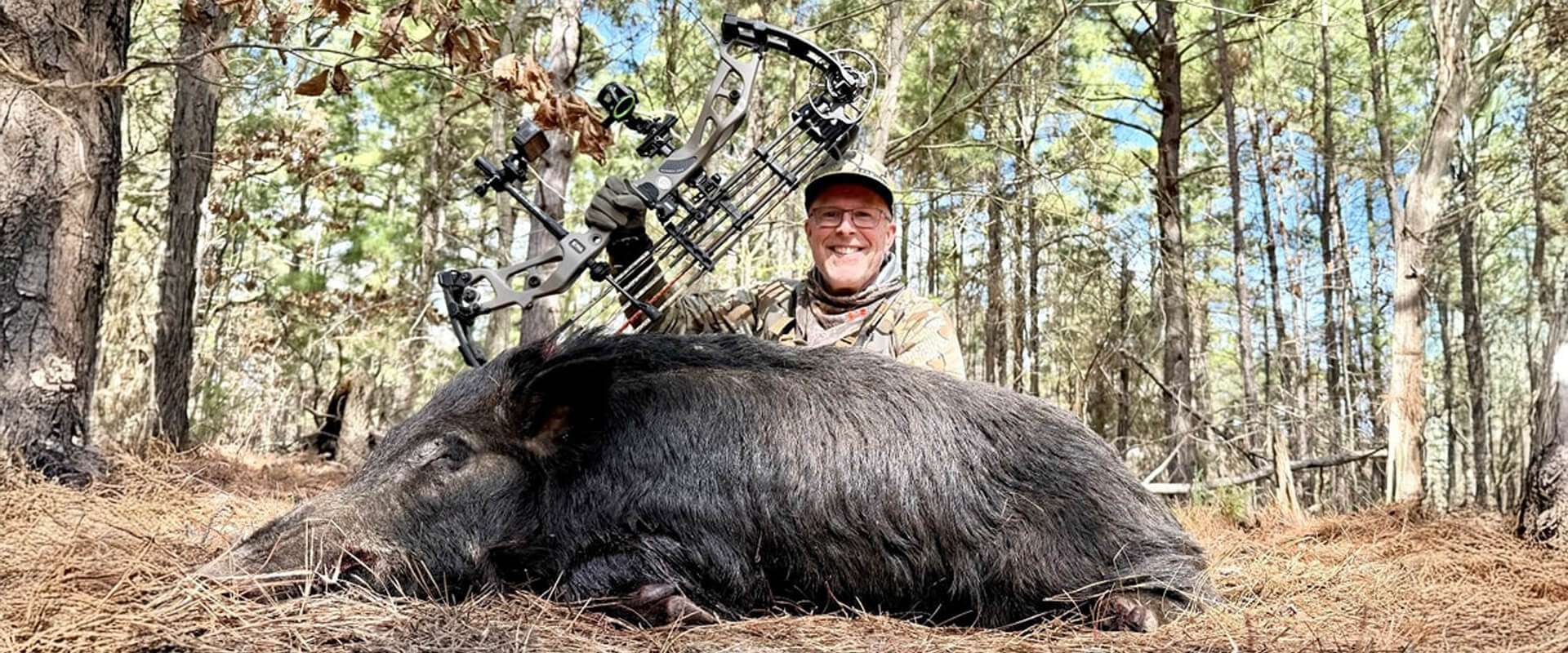
The standard rig is a heavy two-blade single-bevel head in the 200–300 grain range on an arrow built for momentum, not speed. The Ashby Foundation has published extensive research on penetration mechanics for big African game — their data is the basis for the heavy-FOC trend that has spread to elk and moose hunting in North America.
Fixed vs Mechanical: A Quick Decision Framework
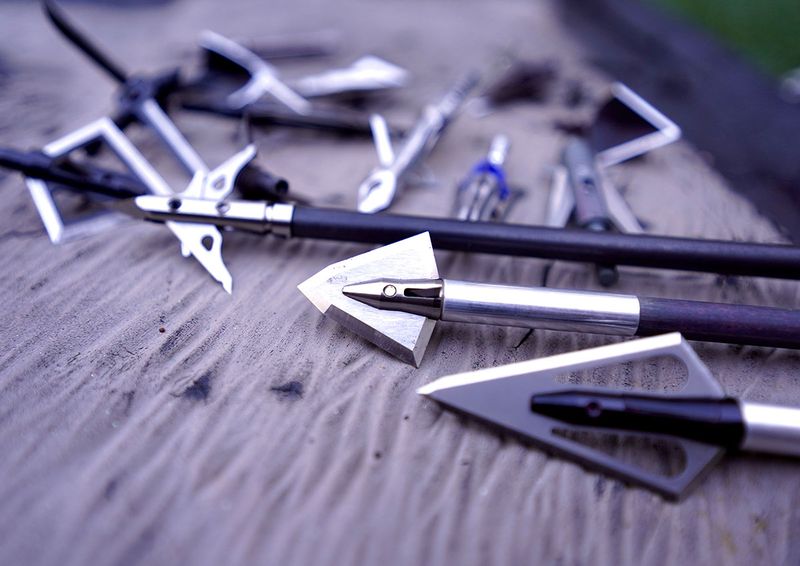
If you only remember one thing from this guide, make it this rule of thumb:
Mechanicals for thin-skinned game at moderate ranges with high-poundage bows. Fixed blades for heavy bone, low draw weights, or any time penetration matters more than cut width.
A 70-pound compound shooting a 450-grain arrow at a whitetail can use almost any quality broadhead. A 55-pound recurve shooting at the same deer needs a sharp fixed-blade head to ensure a pass-through. The bow drives the math as much as the game does.
Quick Reference Chart by Game Type
- Whitetail / Mule Deer: 100-grain mechanical OR compact fixed, 1.25″–2″ cut
- Antelope: 100-grain fixed three-blade or low-profile mechanical for flight at distance
- Elk / Moose: 125–200 grain fixed two-blade, single-bevel preferred, heavy FOC arrow
- Black Bear: 125–150 grain fixed cut-on-contact, focus on pass-through for blood trail
- Wild Hog (mature boar): 125+ grain heavy fixed, narrow profile, behind-the-shield shot placement
- Turkey: Decapitator wire-blade head (head shot) OR 100-grain mechanical (body shot)
- Small Game: Judo point or bunny buster small-game head
- African Plains Game: 200+ grain single-bevel fixed, heavy arrow, no mechanicals
Final Word: Tune First, Hunt Second
The best broadhead in the world won’t save a poorly tuned bow. Before you spend $50 on a three-pack of premium heads, paper-tune your setup, broadhead-tune at 20 and 40 yards, and confirm your heads group with your field points. A $15 Slick Trick that hits exactly where your sight is aimed will outperform a $60 head that prints two inches off every time.
Pick the head that matches the animal, then prove it flies before the season opens. That’s the whole game.
Sources
- Wikipedia: Arrowhead — overview of broadhead and arrowhead history and design
- Pope and Young Club — North American bowhunting records and ethical hunting standards
- Bowhunter Magazine — broadhead reviews and game-specific bowhunting articles
- Deer & Deer Hunting — whitetail-focused gear analysis and broadhead testing
Browse archery bows, arrows, and accessories at the Archery Supplier shop →
Shop on eBay
Broadheads on eBay →
We may earn a commission when you shop through our eBay links.
