
Archery Blog
Bowhunting Gear Checklist: The Pack-to-Stand Loadout Guide
Jun
Bowhunting is the one sport where forgetting a $4 item — bow wax, a knife sharpener, a single spare release aid — can end a five-day hunt before legal shooting light on opening day. Yet most checklists you’ll find online are PDF dumps from manufacturers trying to push you the full catalog. This isn’t that. What follows is the loadout that actually rides in the pack, lives in the truck, and rolls onto your body from October through late January, organized the way you’ll really use it.
Every item below earns its place by doing one of three jobs: putting an arrow through the vitals, keeping you in the stand longer than the deer expect, or recovering the animal once the shot is gone. If a piece of gear doesn’t pass one of those tests, leave it home.
Why Most Bowhunters Pack Wrong
There are two failure modes, and almost every hunter rotates between them across a season. The first is under-packing: you walk in light, get on the stand, and discover at last light that your headlamp battery died, your release aid froze to your harness strap, and the only knife in your pack is the dull folder you swore you’d sharpen back in August. The second is over-packing: a forty-pound bag stuffed with three calls you’ll never blow, a backup rangefinder, and enough snacks to feed a deer drive. You sweat your scent layer through on the walk in, deer wind you at 80 yards, and the day is over before it started.
The honest target for a day pack is fifteen pounds or under, water and food not included. Anything heavier and you are no longer editing — you are hauling insurance against fears that won’t actually visit you. Use the categories below as your editing filter, not as a shopping list.
The Bow, the Arrows, and the Quiver
The bow itself needs three checks before it goes in the truck: cam timing, sight level, and peep alignment. Run a paper-tune the week before opener — a tear bigger than half an inch means a rest or cam timing issue, not a release problem you can shoot through. Sight tape should be verified out to the longest range you’d accept a shot, which for most whitetail hunters is 40 yards and for western bulls is 60. The peep needs to find the housing of your sight at full draw without a rotation hunt, or you’ll lose three seconds of shot window every time a deer turns broadside.
Arrows — Six Fletched, Two Broadhead-Tipped at Minimum
Six fully fletched arrows is the minimum that keeps you hunting after a clean miss, a lost arrow in the leaves, and a fletching that gets stripped on a brushy approach. Two of those six should already be tipped with the broadheads you’ve tuned through paper and shot through bare shafts at twenty yards. A third broadhead-tipped arrow stays in the quiver on the bow itself, ready. Cheap field tips and a bow square live in the pre-season kit; you should not be tuning broadheads on opening morning.
Quiver Choice — Hip, Hood, or Detachable
Detachable bow quivers are the standard for treestand hunters because the weight comes off the bow at the shot, which evens torque and pulls the bow back into balance. Western hunters who still-hunt or spot-and-stalk often prefer a hip or back quiver because it doesn’t snag brush during a long stalk. The wrong answer is a fixed quiver on a long static-balance bow — it tips the riser sideways on the shot and you’ll feel it in tight quartering groups.
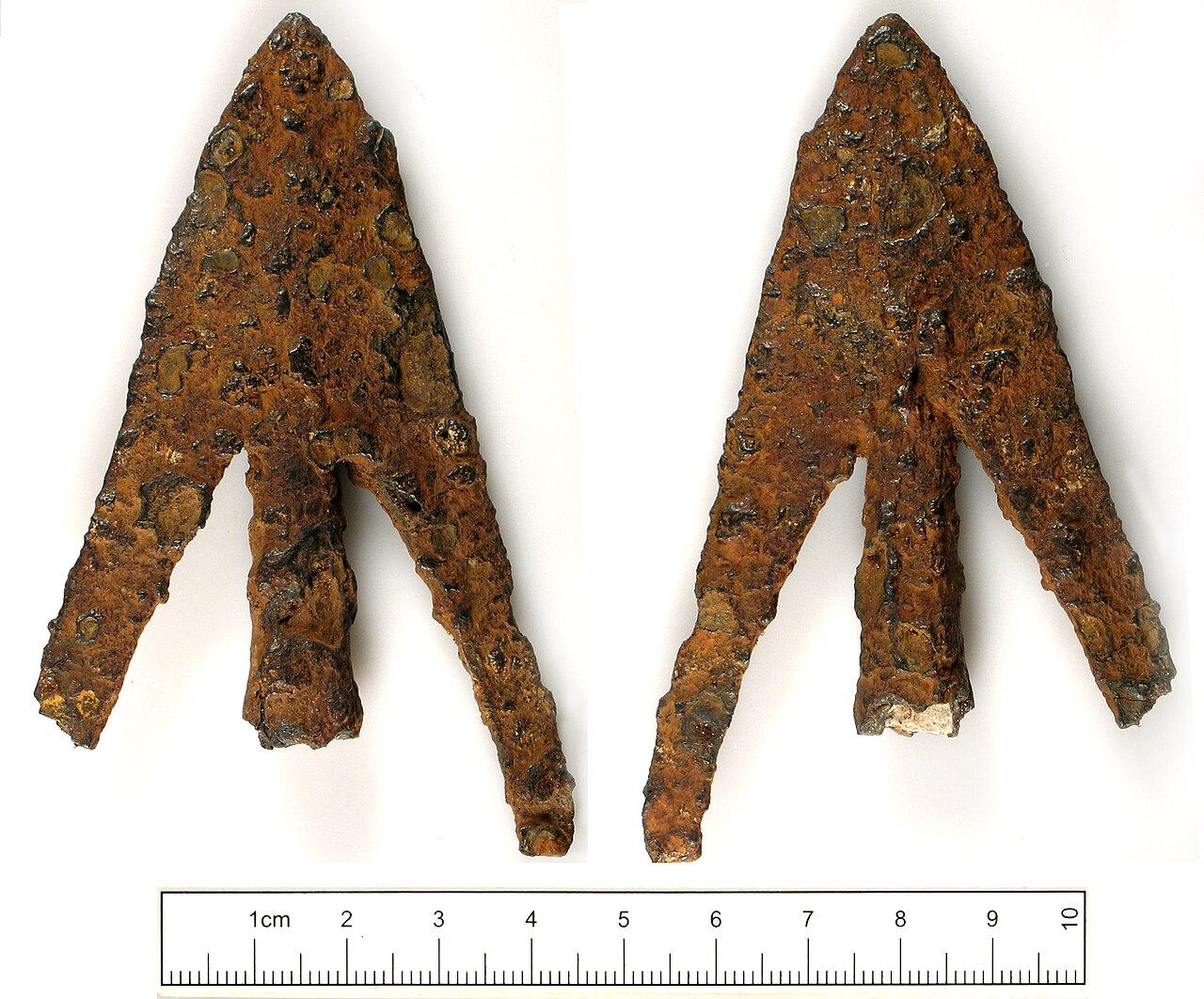
Shop Hunting Broadheads on Amazon →
Layering That Survives a 12-Hour Sit
The single biggest variable between a great November sit and a miserable one is your clothing system, and the system that works isn’t the most expensive — it’s the one you can change inside on a stand without a sweat-through. Build it in four layers and carry the outer three in your pack on the walk in.
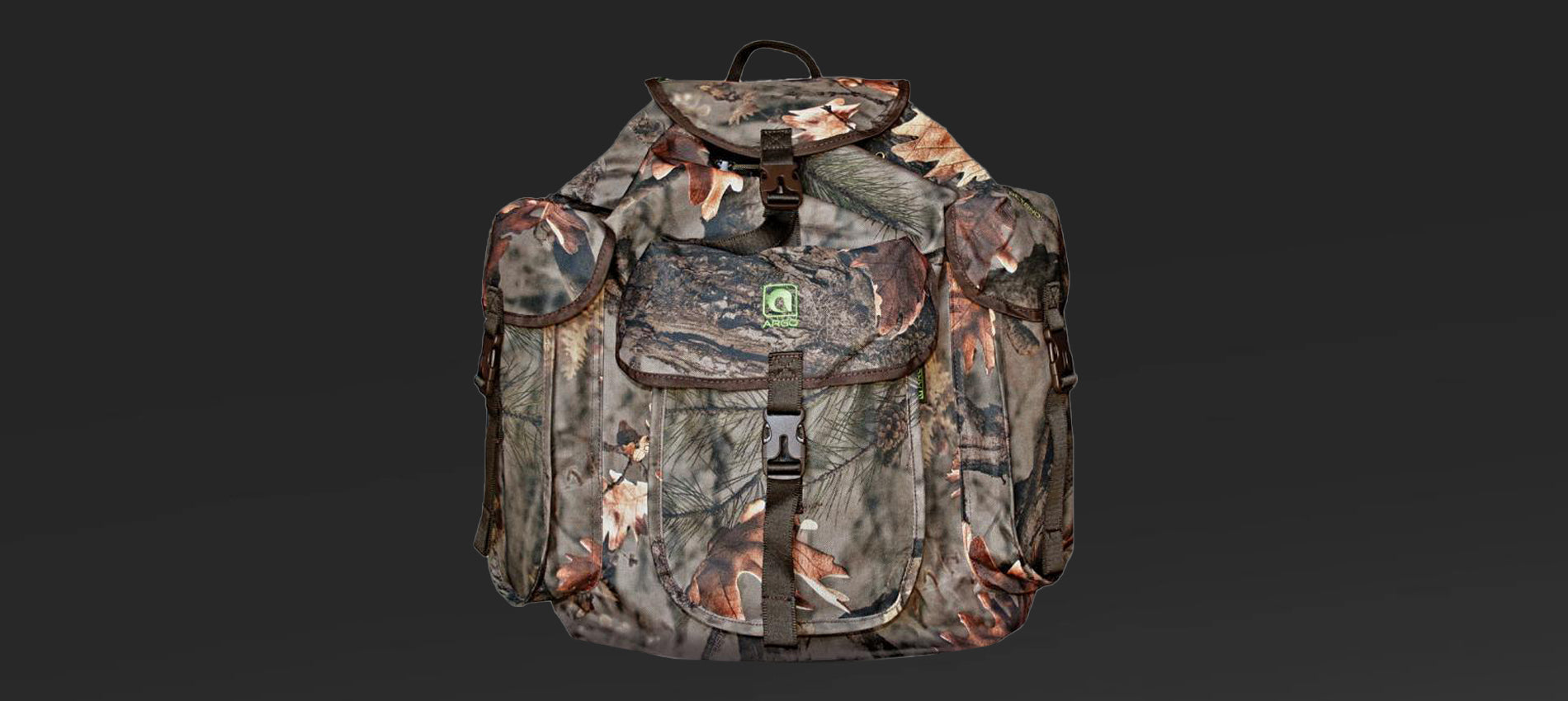
Base layer: merino wool, 150 to 250 weight depending on temperature. Synthetic bases hold less odor than cotton, but merino still wins for cold-weather sits because it doesn’t chill you when you do sweat through on the approach. Mid layer: a grid fleece, which traps warmth without bulk and breathes when you stop moving. Puffy: a synthetic-fill insulator (down loses loft when wet, and you will sit through a sleet event eventually). Shell: a quiet, soft-face waterproof in your concealment pattern.
A hand muff, heated insoles, and a balaclava are the three add-ons that turn a four-hour sit into an all-day one. None of them are luxury items below 25°F, and all three live in the bottom of the pack from the second week of November onward.
Calls, Scents, and Wind Tools
Carry a grunt tube on a lanyard around your neck and a bleat-in-a-can in a side pouch. That covers 95 percent of the calling sequences you’ll actually run during the chase phase, and it keeps you from fumbling a snort-wheeze when a satellite buck is closing at 80 yards. Rattling antlers stay in the pack for the seven days a year you’ll actually rattle one in — most of the season they are dead weight.
Wind tools matter more than any call you’ll ever blow. A puffer bottle reads wind in the first ten yards around your stand; milkweed pods or a feather on a thread reads wind out to a hundred yards and tells you what’s actually happening in the thermals. Carry both. Scent-control sprays are useful on boots and the bottom of your pants — anywhere ground deer will nose later — but they are not a substitute for hunting the wind. The hunters who consistently kill old bucks are the ones who stay on the leeward side of the bedding cover, every single time.
Optics, Light, and Cutting Tools
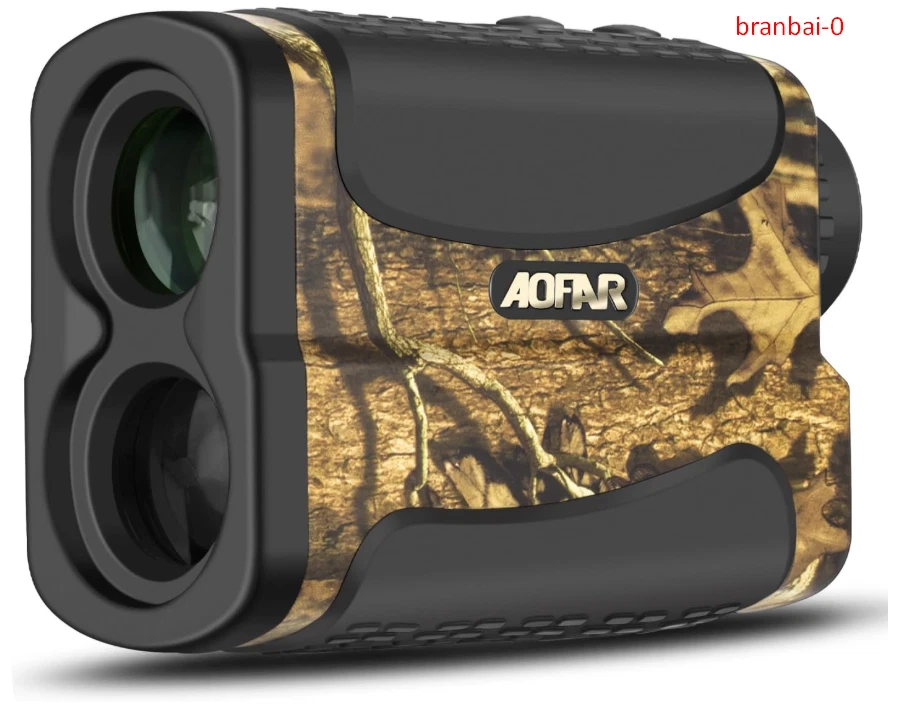
An angle-compensating rangefinder is the one piece of electronic gear that pays for itself the first time you range a deer downhill from a treestand. Standard rangefinders give you line-of-sight distance, which is longer than the actual shot distance when the angle steepens — that’s why a 32-yard-ranged deer at the base of a 22-foot stand drops your arrow into the dirt under the chest. Angle compensation adjusts for the cosine and gives you the horizontal distance, which is what your sight pin is calibrated for.
Binoculars in 8×42 are the all-around answer: bright enough at first and last light, light enough on a harness for an all-day sit, and wide enough field of view to pick up movement at the edge of a food plot. Carry them on a chest harness, not in your pack — binoculars buried in a pack are binoculars you never use.
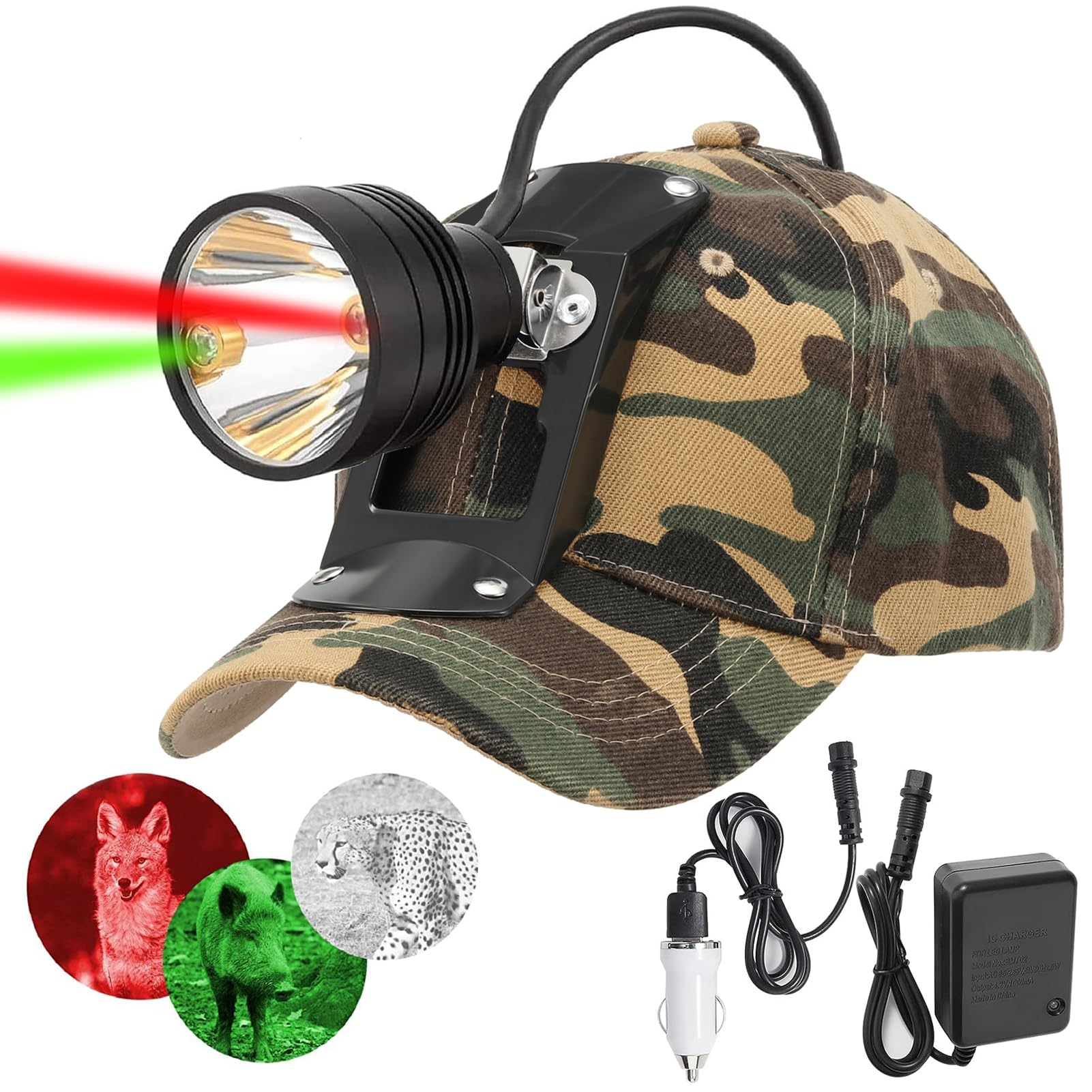
Your headlamp needs a red mode and fresh batteries; the white-mode walk-out blows the spot for the next morning. A fixed-blade or sturdy folder in the 3 to 4 inch range, with a drop point, handles every field-dressing job you’ll have. Add a small diamond sharpener — the blade you sharpened at home is dull again by the time you’ve broken the pelvis on a big-bodied buck.
Shop Archery Rangefinders on Amazon →
The Treestand or Saddle Kit
If you hunt from a hang-on or a saddle, the access kit lives in its own pouch and never gets cannibalized for other purposes. Inside: a full-body harness with a lineman’s belt and a tether, a lifeline pre-rigged to each set so you are clipped in from the ground to the platform, a pull rope long enough to lift your bow without crossing limbs, and a bow hanger that screws into the tree at full-draw height. Stick-and-platform hunters add their climbing sticks and platform straps to the same kit so nothing gets left behind in a 4 a.m. truck check.
A foam backrest pad makes a five-hour sit feel like a three-hour one, which is the difference between leaving at 11 a.m. and staying through the midday rut cruise that puts the biggest bucks on their feet. The saddle crowd substitutes a knee pad and a tether stop instead, but the principle is identical: comfort buys time on stand, and time on stand is the only variable you fully control.
Recovery and Field Dressing
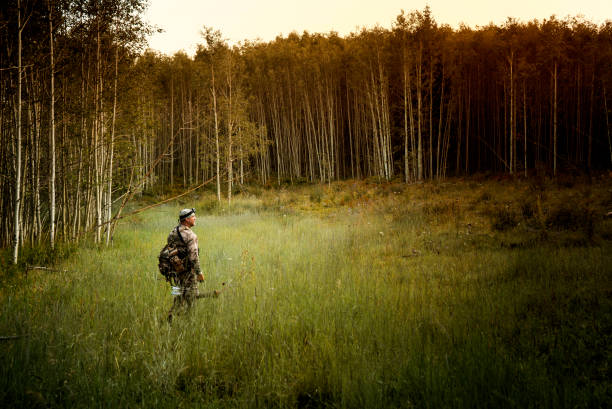
The recovery kit is the part of your pack you hope you use every time and you’ll only need a few times a season. Carry a roll of bright biodegradable flagging tape — the orange or pink kind that breaks down in a few weeks — for marking blood as you trail. Latex or nitrile gloves are non-negotiable for field dressing, especially in CWD-positive zones where you don’t want to break skin with bare hands. Pack a contractor-grade trash bag for the cape if you’re considering a mount, and two breathable cotton game bags for boned-out quarters if you’re packing out from public land.
A short drag rope with a wrist strap pulls a deer through brush far better than the cheap nylon loop most people use, and a small folding pelvic bone saw turns a 45-minute field-dress into a 15-minute one. Add a permanent marker for tagging and a backup tag in a zip-top bag, and you have a recovery kit that handles the worst case without slowing you down.
Truck Box Versus Pack — The Split That Saves Your Hunt
Not everything goes in the pack, and learning the split is the single biggest experience gap between a first-year bowhunter and someone in their tenth season. The truck box lives in your vehicle for the entire season and holds the overflow: a target bag for warm-up shots before a hunt, a spare release aid, an allen key set sized to your bow’s bolts, a broadhead wrench, two spare D-loops with serving thread, a bow square, extra batteries in every size your electronics use, and a full change of warm clothes for the truck ride home. A small toolbox or a dry bag in the back seat is enough.
What goes in the day pack from that overflow depends on the hunt. A morning sit on private land with the truck parked a half mile away — leave the spare release in the truck. A drop-camp hunt three miles in on public land — that release goes with you. The principle: the closer the truck, the lighter the pack.
The Night-Before Walk-Through
The last twenty minutes before bed is when most blown hunts start. Run a fixed sequence: arrows tipped with broadheads and spin-tested on a fingertip for true rotation, sight verified at 20 and 40, release cocked and dry-fired into a stop block to check the trigger, batteries fresh in rangefinder and headlamp, boots aired and stored in a scent-free tote, clothing layered into a separate tote with the base on top. Pack the day pack last, weigh it on the bathroom scale, and if it’s over fifteen pounds, pull something. Whatever you remove was the thing that didn’t make sense at 4 a.m. anyway.
A bowhunting gear checklist isn’t a comfort blanket — it’s a forcing function for editing. The hunters who consistently put their tags on mature animals carry less than you’d expect, and the gap between them and the average sit-and-suffer crowd isn’t dollar-spend, it’s the discipline to leave home the gear that isn’t earning its weight.
Sources
- Wikipedia: Bowhunting — general history, regulation, and ethical framework overview
- Bowhunting Magazine — gear reviews and seasonal tactical articles
- National Deer Association — whitetail biology and wind/scent research
- Field & Stream — long-form bowhunting features and gear breakdowns
Browse archery bows, arrows, and accessories at the Archery Supplier shop →
Binoculars, scopes & trail cameras
Shop Binocular Base →
We may earn a commission when you shop through our Binocular Base link.
