Archery Blog
Mechanical vs Fixed Broadheads: 7 Critical Trade-Offs 2026
Jun
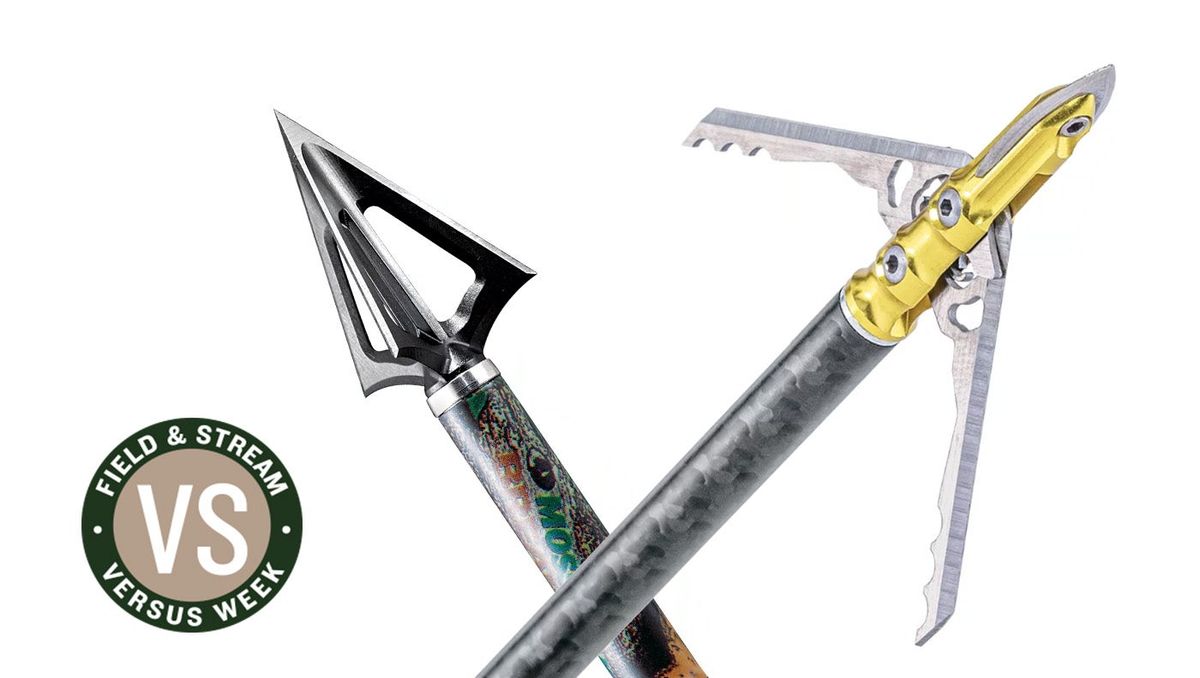
Pope and Young Club survey data shows hunters using mechanical broadheads recovered 91% of hit deer, while fixed-blade users recovered 82% — a nine-point gap that sounds like a slam dunk for expandables. It isn’t. That same gap flips on elk, on quartering shots, and on any bow under 60 pounds of kinetic energy. The mechanical vs fixed broadheads debate has been running since the first slip-cam expandable hit the woods in the 1990s, and the honest answer is that each one wins on different days. This guide breaks down seven trade-offs that actually decide which head belongs on your arrow this season.
The truth most pro shops won’t admit: every bowhunter sitting in a stand has heard a horror story about both designs. A mechanical that didn’t open. A fixed blade that planed off course at 40 yards. Neither story makes one design wrong — it makes the matchup wrong. Match the head to your bow, your shot distance, and your target species, and the recovery numbers stop arguing with you.
Mechanical vs Fixed Broadheads at a Glance
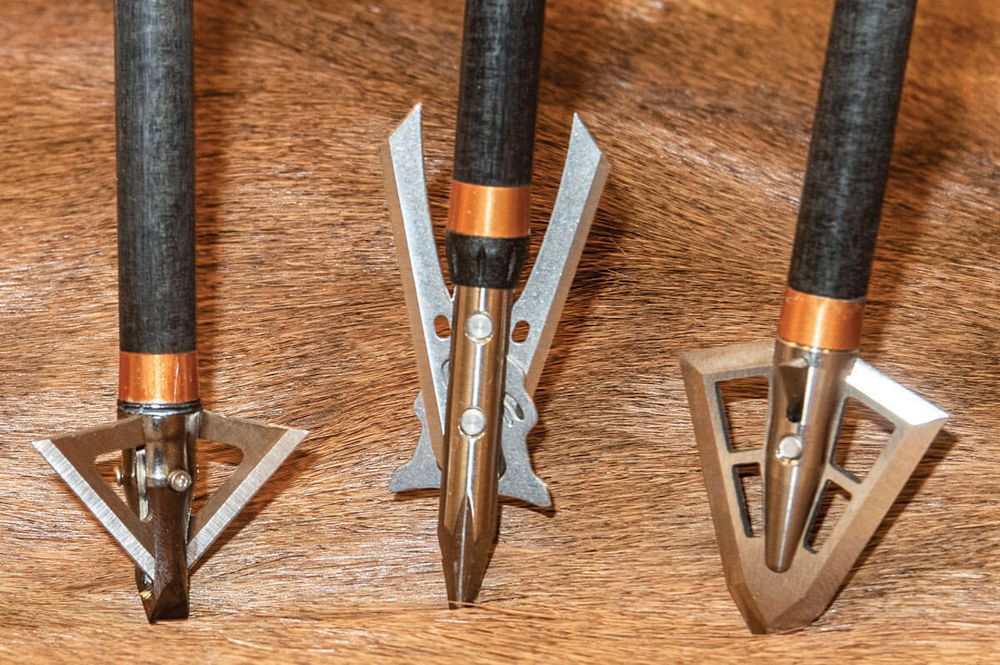
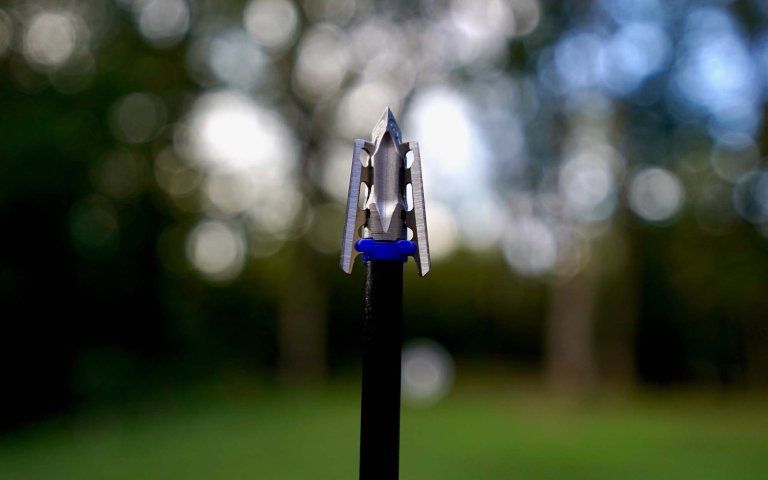
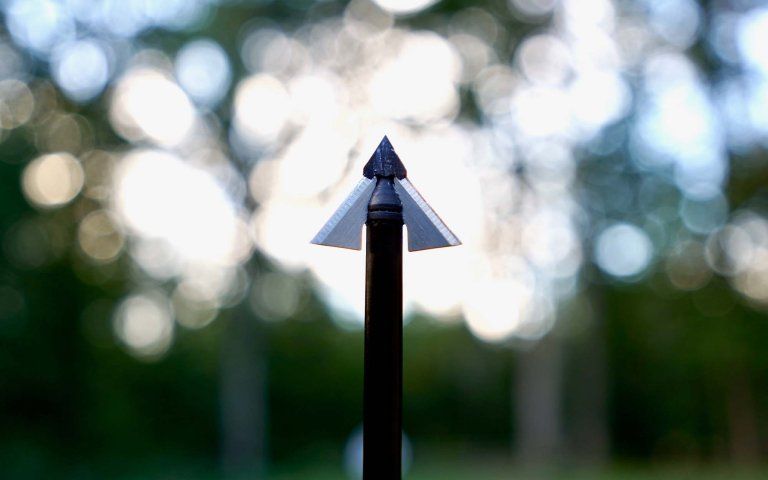
A fixed-blade broadhead is a single forged or assembled head where the blades are permanently locked in their cutting position. There are no moving parts. Magnus, Iron Will, QAD Exodus, Slick Trick, and Muzzy dominate this category. A mechanical broadhead — also called an expandable — flies with its blades folded against the ferrule and deploys them on impact. Rage, SEVR, G5 Deadmeat, and Swhacker lead the mechanical side of the rack.
That single mechanical difference cascades into everything else: flight behavior, penetration, wound size, and how forgiving the head is when something goes wrong. The seven trade-offs below are the ones that move recovery percentages in the field, not the marketing copy on the package.
Trade-Off 1: Penetration Power
Fixed-blade broadheads win this category and it isn’t close. A one-piece head transfers nearly all of its kinetic energy straight into the wound channel. There is no energy lost to opening blades, no resistance from a deploying mechanism, and the cutting tip starts working the instant it touches hide. Outdoor Life’s 2022 broadhead test recorded push-force values 30–45% lower on fixed-blade designs than on most mechanicals at the same grain weight.
On a quartering-away shot through the off-side shoulder, that difference is the entire ballgame. A Magnus Stinger or Iron Will S100 will routinely break offside ribs and bury in the far hide. A 2-inch mechanical, on a marginal bow, may stop in the boiler room. If you’re hunting elk, hogs, moose, or bear — or if any shot in your stand could touch heavy bone — penetration is the trade-off you cannot afford to lose.
Trade-Off 2: Cutting Diameter and Blood Trails
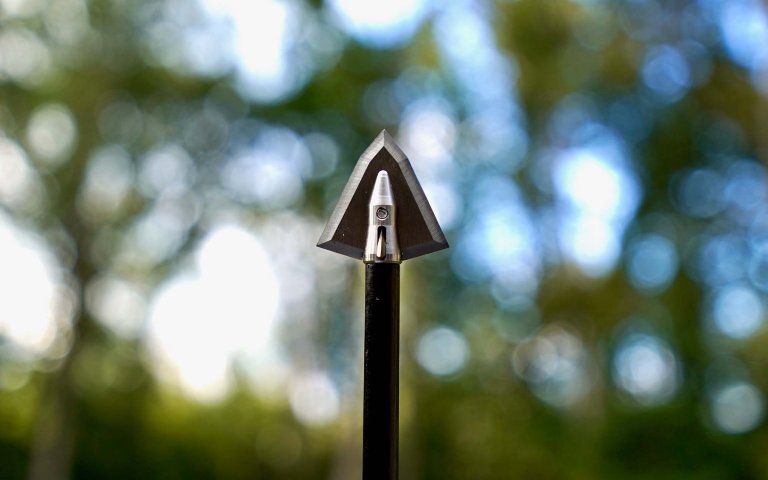
Mechanicals own this trade-off. A Rage Trypan or G5 Deadmeat throws a 2-inch to 2.3-inch cutting diameter the moment the blades lock open. A typical fixed-blade head runs 1 to 1 1/8 inches. Multiply that across two lungs and you’re looking at a wound channel with roughly twice the surface area. More surface area means more vessels severed per inch of penetration, and that shows up on the ground as a heavier blood trail.
For low-light shots and dense cover where a marginal blood trail equals a lost deer, the wider hole matters. Whitetail hunters in oak hammocks and palmetto swamps lean on mechanicals for exactly this reason — recovery distance often beats recovery angle when a deer runs 80 yards into greenbrier. Pair the right head with proper deer shot placement and the recovery picture changes.
Trade-Off 3: Accuracy and Flight Forgiveness
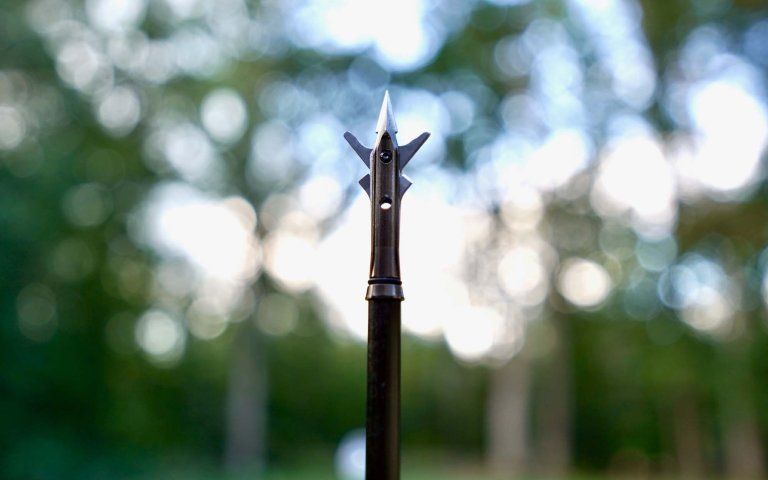
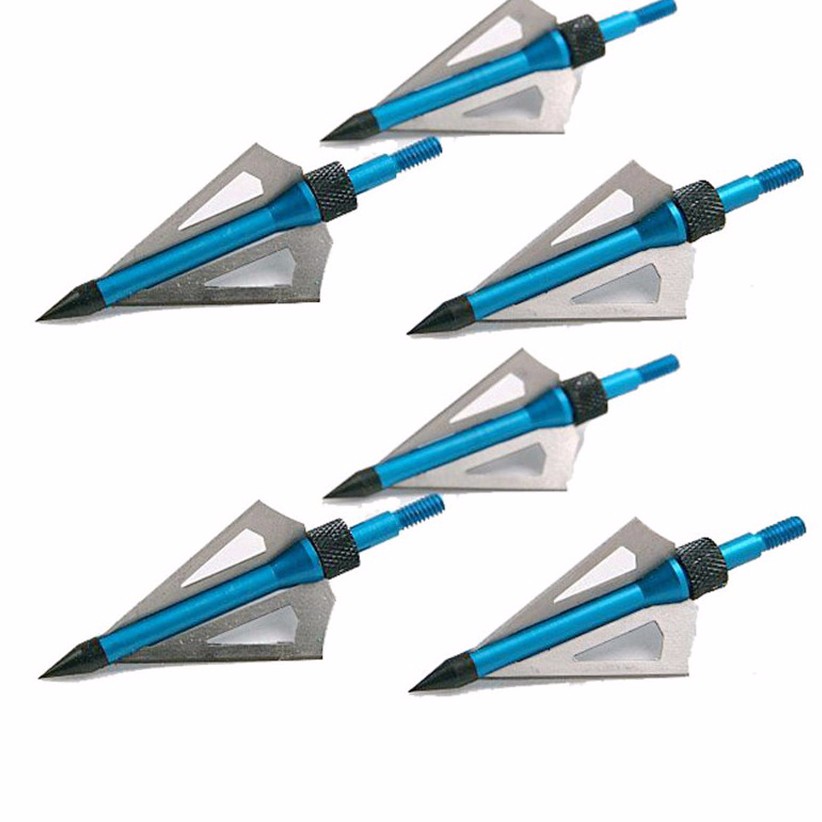
Out of the box, mechanicals fly closer to field-point impact than any fixed blade ever will. The blades stay tucked against a slim ferrule, so the head’s aerodynamic profile is nearly identical to a target tip. That’s why guides who handle dozens of clients during whitetail season default to mechanicals — they cut the tuning curve from a week to an afternoon.
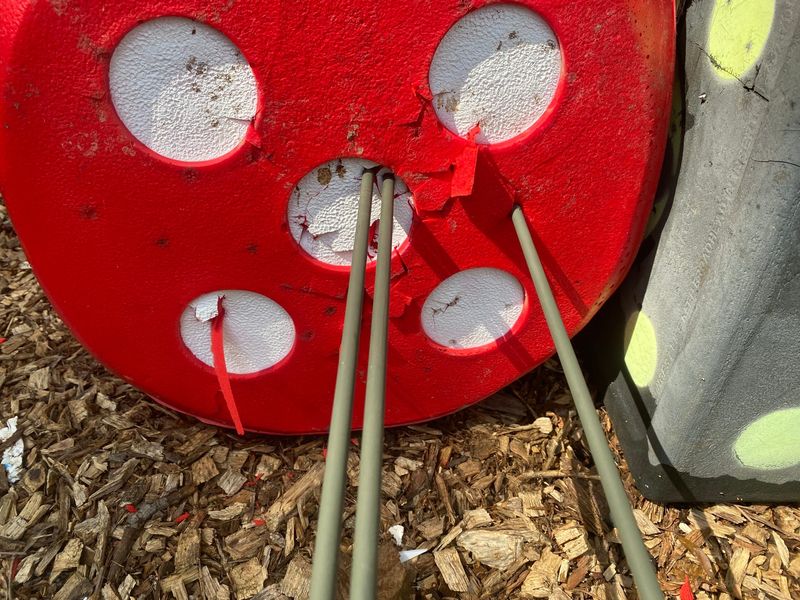
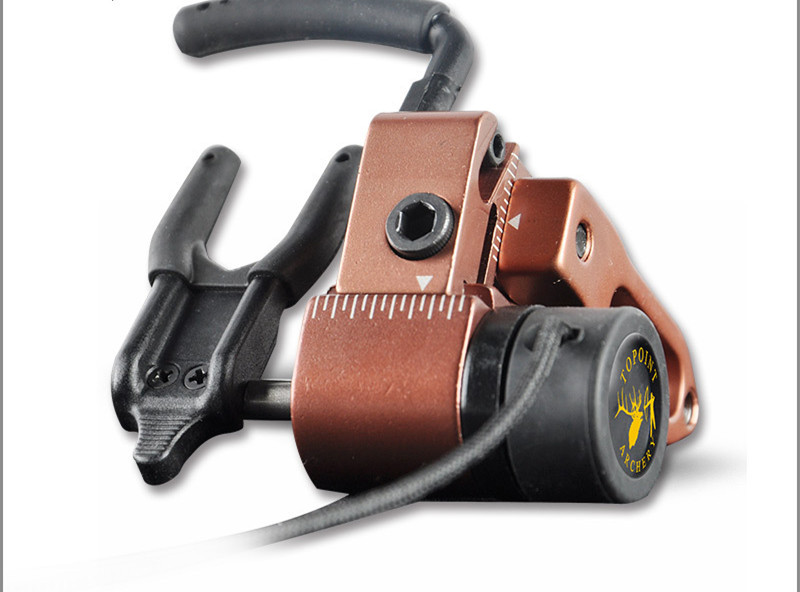
A fixed blade puts cutting surface into the airstream the moment it leaves the rest. If your bow isn’t tuned for broadhead flight — meaning your rest is not perfectly centered, your cam timing isn’t sync’d, and your arrow spine isn’t matched — that blade catches air and the head planes. Wind makes the gap worse. On a 50-yard shot with crosswind, a Slick Trick can drift four to six inches if your form isn’t honest. A 100-grain mechanical drifts about half that.
The fix isn’t to switch heads — it’s to tune your broadheads properly. A well-tuned compound shoots fixed-blade groups under three inches at 40 yards. That isn’t theory; it’s a benchmark the average serious bowhunter can hit with a weekend on the range.
Trade-Off 4: Mechanical Failure Risk
Every moving part is a potential failure point. The most expensive mechanical broadhead on the rack still has a deployment mechanism that can fail to open, partially open, or open mid-flight. Bowhunter magazine’s 2024 field reports include enough single-blade openings and pre-deployment incidents to make any honest mechanical fan nod. The newer no-collar designs from Rage, SEVR’s pivoting blades, and G5’s spring system have all cut failure rates dramatically — but they cannot drive the number to zero.
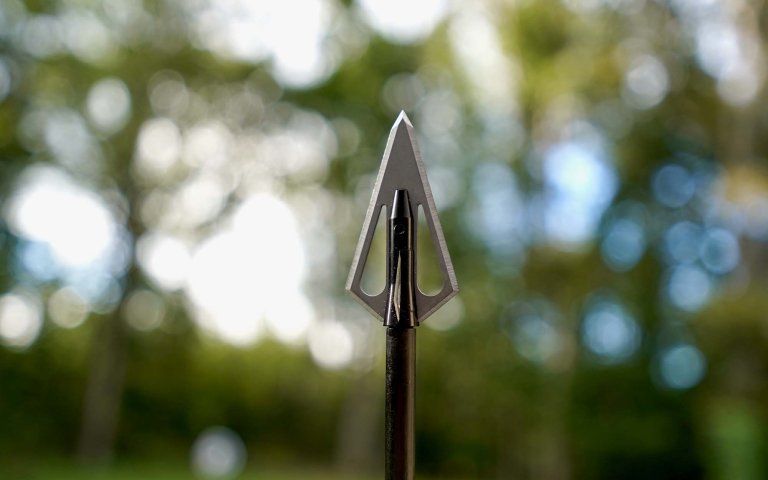
A fixed blade has nothing to fail. It can be dropped on a rock, banged against a tree stand ladder, frozen in November sleet, and it will still cut exactly the way it cut on the production line. For hunters working solo, hunting in brutal weather, or stalking on public land where one shot in eight days is the whole season — that reliability is non-negotiable.
Trade-Off 5: Kinetic Energy Requirements
This is the trade-off most rookies miss. Mechanical broadheads consume kinetic energy when they deploy. The mass of the blades has to move from closed to open against ferrule friction and any retention collar or O-ring. That energy comes out of your penetration budget. Industry guidance has held steady for two decades: mechanicals want at least 65 ft-lb of kinetic energy to perform reliably on whitetail-sized game; bigger game raises the floor toward 80–90.
Fixed blades will perform down to about 40 ft-lb if the head is sharp and the arrow has decent front-of-center weight. That’s why a 50-pound recurve hunter with a 600-grain wood arrow can take a deer cleanly with a single-bevel fixed blade — the system isn’t fast, but the energy that does arrive goes entirely into the cut. Check your setup against a compound bow draw weight chart before you commit to mechanicals on a lighter bow.
Trade-Off 6: Tuning Time and Setup Effort
If your hunting weekend starts Saturday morning and you bought the broadheads Thursday night, mechanicals are the realistic choice. Most modern expandables hit within an inch of field points at 30 yards straight from the package. That’s the whole selling point. You sight in once, swap broadheads, confirm one shot, and you’re hunting.
Fixed blades demand the full tune. Paper tuning, walk-back tuning, broadhead-versus-field-point grouping at distance, and minor rest adjustments measured in 1/64-inch increments. Once the bow is dialed, the system shoots beautifully and stays tuned. But the entry cost is real — plan on at least one full range session, not a quick check. The good news: the same tuning work that gets fixed-blade flight perfect makes your bow more accurate with any arrow you shoot through it.
Trade-Off 7: Cost Per Shot
Mechanicals are single-use in most cases. Once the blades deploy and contact bone or backstop, the head is finished. At $15–$22 per head, a season of practice plus actual hunting can run $80–$120 in broadheads alone. Replacement blade packs help, but you’re still buying consumables.
Fixed blades hold their edge through dozens of foam-target shots if you separate practice heads from hunting heads. A Slick Trick Magnum or Magnus Stinger can be honed and reused for years. Single-bevel traditional heads like the Cutthroat S7 are essentially lifetime tools. For a hunter who shoots a lot of broadheads in practice — and you should — fixed blades win the long-term cost math by a wide margin.
YouTube Field Test
Bowhunter TV ran a head-to-head field test with real shot footage on whitetails. Watch the entry/exit wound comparisons and decide for yourself which trade-offs map to the way you hunt.
When Mechanical Broadheads Are the Right Pick
Pick a mechanical when your bow puts at least 65 ft-lb of kinetic energy on target, your shots are inside 40 yards, your quarry is whitetail or similar-sized game, and your shot windows demand field-point accuracy. New bowhunters benefit from mechanicals during their first two seasons — the forgiveness margin shortens the tuning learning curve without compromising terminal performance on broadside or lightly quartering shots.
Mechanicals also shine in scenarios where blood trails matter more than penetration: heavy cover, dense swamps, and any hunt where tracking conditions are marginal. The wider wound channel pays for itself the first time you find a buck in 60 yards instead of 200.
When Fixed Blade Broadheads Are the Right Pick
Pick a fixed blade when you’re hunting big-bodied game — elk, hogs, moose, bear, African plains game — or when any shot in your hunt could clip heavy bone. Pick fixed when your bow is on the lighter side of the kinetic energy curve, when you shoot a traditional recurve or longbow, or when you simply value zero moving parts after walking 12 miles into the backcountry with no pro shop nearby.
Pick fixed when you’re past the new-hunter phase and ready to tune your setup correctly. The accuracy gap closes fast once your bow is dialed. After that point, fixed blades give you everything mechanicals give you, minus the failure risk and minus the cost-per-shot. For more on selecting the right model by species, see our guide to best broadheads by game type.
Frequently Asked Questions
Do mechanical broadheads really not fly like field points?
Top-tier mechanicals fly within one inch of field-point impact at 30 yards out of the package. Budget mechanicals can drift two to three inches and need a confirming shot before you trust them. Always shoot at least three broadheads at hunting distance before the season opens — every individual head can fly slightly differently.
What kinetic energy do I need for mechanical broadheads on whitetail?
Conservative guidance is 65 ft-lb minimum, measured at the target distance you’ll actually shoot. Most modern 70-pound compounds with a 400-grain arrow comfortably exceed that out to 40 yards. A 50-pound compound or a 55-pound recurve will struggle to meet it, especially past 25 yards.
Are single-bevel broadheads better than mechanicals?
Single-bevels rotate the arrow on impact, which causes splitting in heavy bone — they outpenetrate every other design on quartering shots through shoulder. They are not better in every situation. On a clean broadside whitetail at 25 yards, a mechanical may produce a faster recovery. On elk through scapula, the single-bevel is unmatched.
Can I use the same broadhead for compound and crossbow?
Generally no. Crossbow speeds (350–470 fps) put far more stress on the deployment mechanism of mechanical broadheads. Crossbow-rated mechanicals use reinforced retention systems and thicker blades. Using a vertical-bow mechanical on a crossbow is the most common cause of in-flight deployment.
The Trade-Off That Actually Decides It
If you only remember one thing from this comparison: the head that matches your shot distance, your kinetic energy, and your target species will outperform the “better” head on every recovery metric. There is no universal winner in the mechanical vs fixed broadheads argument because there is no universal hunt. Map your seven trade-offs against the next animal you actually plan to shoot, and the right answer becomes obvious. Then put in the range time to prove the choice on paper before you take it to the woods.
Sources
- Outdoor Life — The Best Broadheads, Tested and Reviewed — Push-force, sharpness, durability, and accuracy data on 18 broadheads.
- Bowhunter — Fixed Blade or Mechanical Broadheads? — Editorial guidance on matching head type to hunting situation.
- Field & Stream — Fixed-Blade vs. Mechanical Broadheads — Comparison and recovery rate data referenced in this guide.
- GOHUNT — What Broadhead Design Is Best? — Big game broadhead selection criteria for western hunts.
