
Archery Blog
Compound Bow Draw Weight Chart: The Complete 2026 Guide
Jun
The most common compound bow draw weight for adult male hunters in the United States runs between 60 and 70 pounds. For women it sits at 45 to 55. For teen archers learning form, the right number is closer to 30 to 40. Those three lines cover most of what you need — but the right number for you depends on body weight, intent, and whether you can still draw straight back after eight hours in a tree stand. The full compound bow draw weight chart below breaks it down by age, gender, and game, then explains how to test the number on your bow without trusting the sticker on the riser.
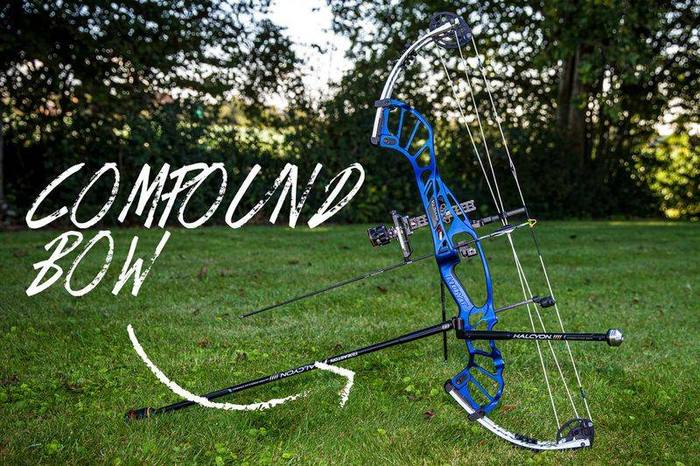
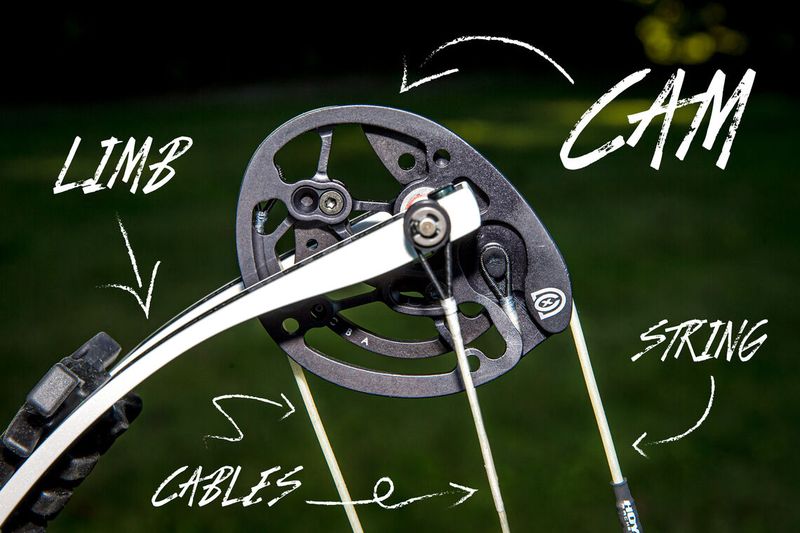
The limbs and cams together create the draw weight you feel at the wall.
The Compound Bow Draw Weight Chart at a Glance
This chart matches archer profile to a starting draw weight. It assumes a compound bow with 75% to 80% let-off — meaning a 60-pound peak bow only holds at roughly 12 to 15 pounds once you reach the wall. If you shoot a low-let-off target setup (65% or less), drop the recommended number by five pounds.
| Archer Profile | Body Weight | Target Draw Weight | Hunting Draw Weight |
|---|---|---|---|
| Youth (8–12) | 60–100 lbs | 10–20 lbs | N/A |
| Teen (13–17) | 100–140 lbs | 20–35 lbs | 35–45 lbs |
| Adult women, small build | 100–130 lbs | 25–35 lbs | 35–45 lbs |
| Adult women, average | 130–160 lbs | 30–40 lbs | 45–55 lbs |
| Adult men, smaller build | 150–180 lbs | 40–50 lbs | 55–65 lbs |
| Adult men, average | 180–210 lbs | 45–55 lbs | 60–70 lbs |
| Adult men, large build | 210+ lbs | 50–60 lbs | 65–75 lbs |
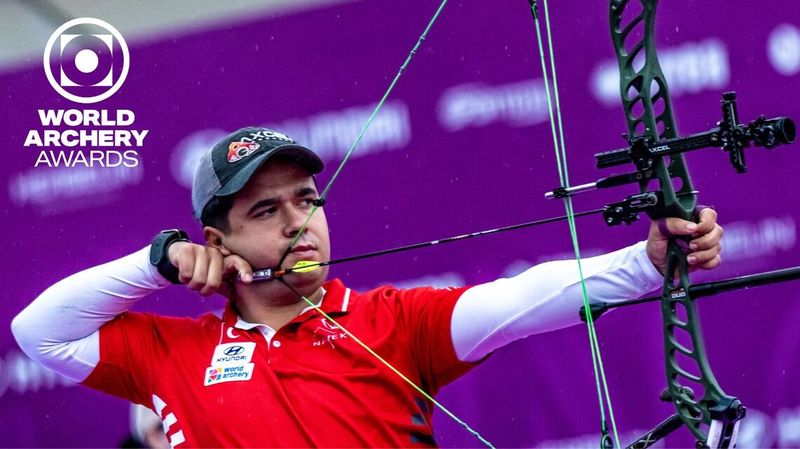
Target shooters tend to go lower than hunters. Repeatable form beats raw power on a 50-meter line.
How to Read the Chart Without Lying to Yourself
The chart gives you a starting point, not a prescription. The honest test is whether you can sit down in a folding chair, hold the bow flat in front of you at eye level, and draw straight back without your bow arm pointing at the ceiling first. If you have to hike the bow above your head to muscle the string back, the draw weight is too high — full stop. Cheating the draw with momentum hides the real problem until you’re cold, tired, or trying to draw on a deer thirty yards away.
The truth most archery shops won’t volunteer: ego drives more bad draw weight choices than any other factor. A 165-pound first-year bowhunter walks in convinced he needs 70 pounds because that’s what his uncle shoots. He buys it, never practices past September, and pulls a shoulder on opening day. The same archer at 55 pounds, shooting 200 arrows a week, kills a buck in November. Power is wasted if it costs you reps.
What Draw Weight Beginners Should Actually Start At
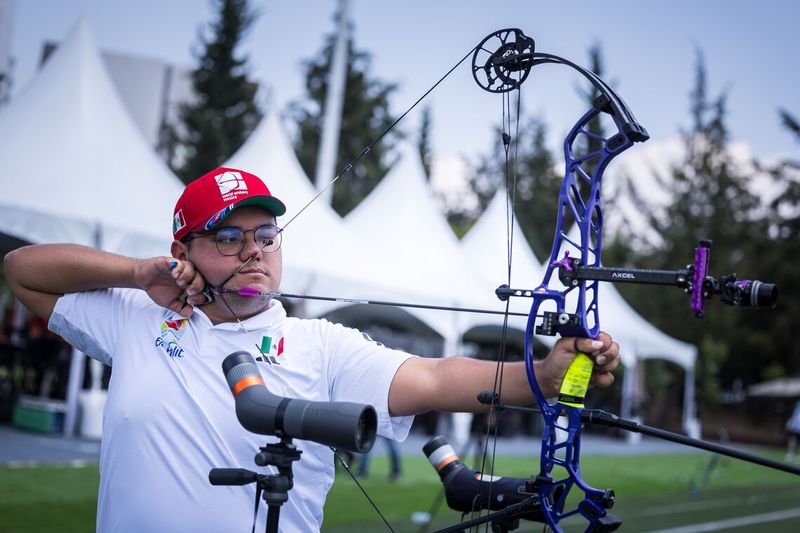
Most first-month compound shooters do better at 40 to 45 pounds than the chart’s recommendation. The reason is mechanical: form errors show up exaggerated under heavier weight, and you can’t fix what your shoulder is screaming over. Drop to a weight where you can shoot fifty arrows without your draw collapsing forward, then add five pounds every two to four weeks as form locks in.
If you’re shopping new, look for an adjustable bow that covers 10 pounds of range — most modern compounds run 50–60 lb, 55–65 lb, or 60–70 lb cams. That gives you a 12-month runway before you outgrow the spec. The complete compound bow guide walks through cam choices and what changes inside the price tiers.
Minimum Draw Weight for Deer Hunting (and Why It Matters)
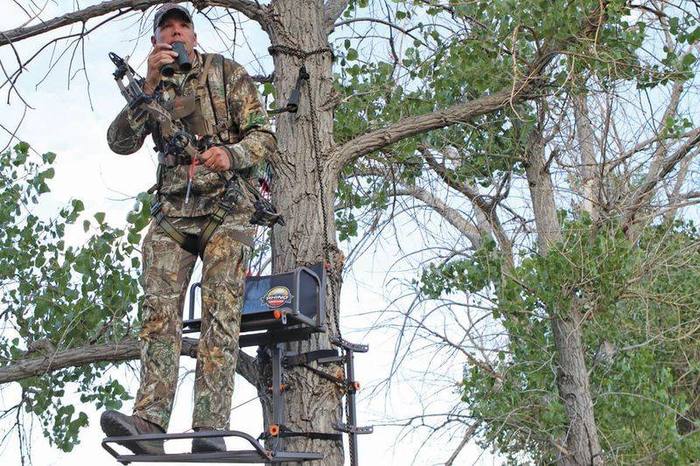
Most US states set a legal minimum draw weight for deer hunting at 40 pounds. A handful — Alabama, Arizona, Montana, Wisconsin — drop it to 35. Kansas requires 50 if you intend to take elk. Always check your state wildlife agency before opening day; the regulation page changes more often than the chart in your bow shop.
The minimum exists for ethical reasons, not legal ones. Below 40 pounds, an arrow tipped with a mechanical broadhead struggles to punch through both sides of a mature whitetail’s rib cage, and pass-through is what makes blood trails findable. The realistic floor for a clean ethical kill on whitetail at 25 yards is around 45 pounds with a sharp fixed-blade broadhead and a 420-grain arrow. If you can’t comfortably draw and hold that, hunt smaller game until you can.
Elk, moose, and large bears move the floor higher — usually 55 to 60 pounds — and arrow weight starts mattering as much as poundage. Kinetic energy is the product of arrow mass and velocity squared, so a heavier arrow off a slower bow penetrates better than a featherweight off a fast one. For a deeper breakdown of the hunting setup, the bowhunting starter guide covers arrow weight, broadhead choice, and the first-season prep arc.
How Let-Off Changes the Math
Let-off is the percentage drop between peak draw weight and the weight you actually hold at the wall. A 70-pound bow with 80% let-off holds at 14 pounds. A 70-pound bow with 65% let-off holds at 24.5 pounds. That gap matters more than the peak number for anyone aiming for longer than four seconds.
Most modern hunting cams sit at 75% to 85% let-off — designed so a hunter can hold full draw while a deer takes its time stepping into the lane. Competition cams run lower, often 65% to 70%, because target archers want the cam to actively pull through the shot rather than sit dead at the wall. If you’re chart-shopping for a hunting setup, peak weight matters; if you’re chart-shopping for outdoor target, holding weight matters. Let-off explained goes into the physics and why two bows with the same sticker draw weight can feel completely different at the wall.
4 Ways to Test Your Real Draw Weight
The sticker on your limb is a peak weight reading from the factory at maximum limb bolt position. Most shooters back the bolts out for comfort and lose 8 to 12 pounds without realizing it. Here’s how to measure what you’re actually pulling:
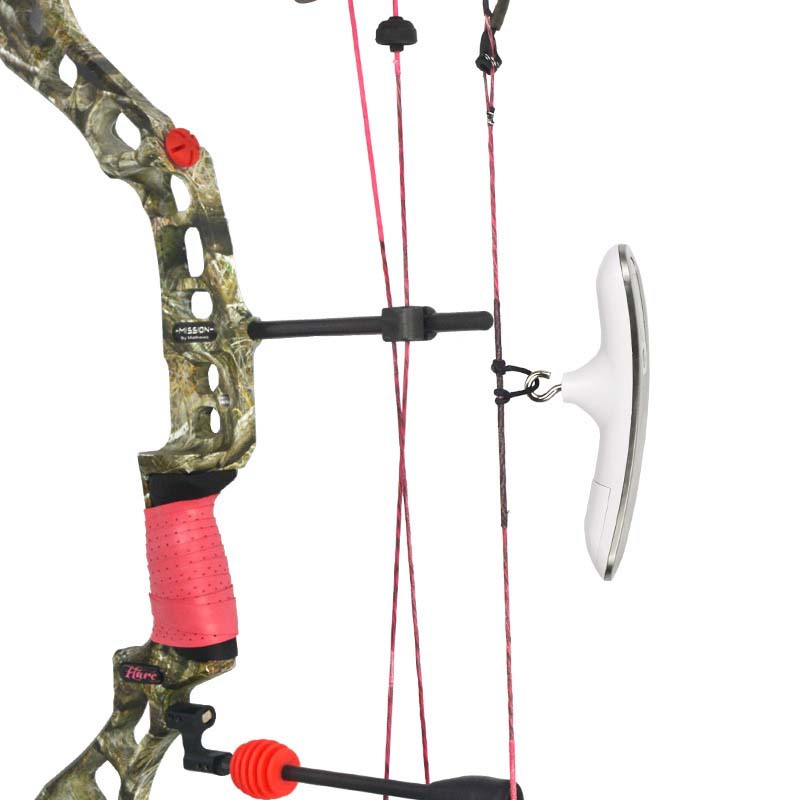
- Digital bow scale on the string: hook a peak-reading scale to the D-loop or string, draw smoothly to the wall, and read the peak before the cam rolls over. Accurate to within half a pound. The number on the scale is what your broadhead sees.
- Pro shop draw board: any decent archery shop has a draw board that pulls the bow through its full cycle and graphs peak weight versus draw position. Free if you ask nicely.
- Limb bolt turns from bottom: back the limb bolts in until they stop, count the turns out. Most cams lose 2 to 2.5 pounds per full turn. Not as accurate as a scale, but useful for tracking changes between sessions.
- Manufacturer chart for your specific bow: brand websites publish bolt-position-to-poundage charts for every model. Match your bolt count to the chart and you’ll be within a pound.
Skip the bathroom scale trick where you draw against the floor — it’s off by 15% on a compound because the cam rollover doesn’t register properly. The shape of the draw force curve is the whole point of a compound, and a static measurement misses it.
Common Draw Weight Mistakes That Hurt Accuracy
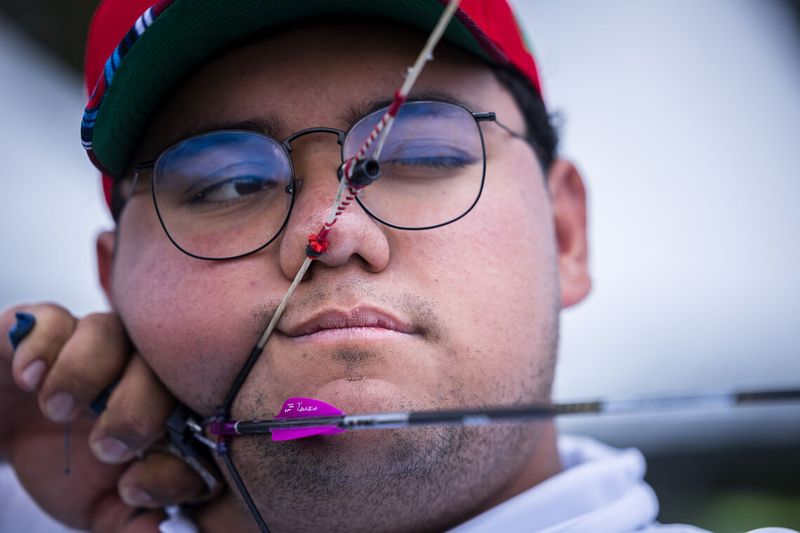
The clearest tell of an overweighted bow shows up at anchor. If your peep sight rocks left or right when you settle, you’re muscling the bow rather than letting your back do the work. A correctly weighted compound settles into the anchor — peep aligns, pin floats, breath relaxes — within two seconds of hitting the wall.
Other red flags worth checking on yourself:
- Draw arm shaking after the third or fourth arrow. Fatigue at low rep counts means the weight is past your endurance threshold, not just your max.
- Bow arm dropping before the release. Classic sign your front shoulder is compensating for a back you can’t load fully.
- Wrist torque on the grip. Squeezing the grip hard usually means the bow weight is fighting you, and grip pressure leaks into every shot left or right.
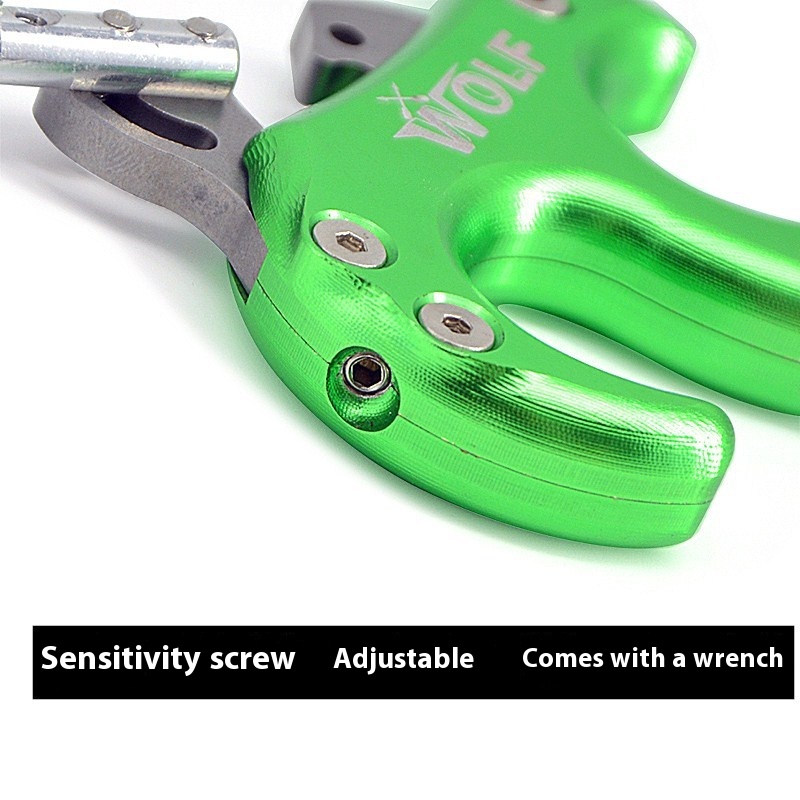
- Punching the trigger. A heavy holding weight makes shooters snap the release to escape the hold. Back off five pounds and the surprise release becomes possible again.
How to Adjust Compound Bow Draw Weight
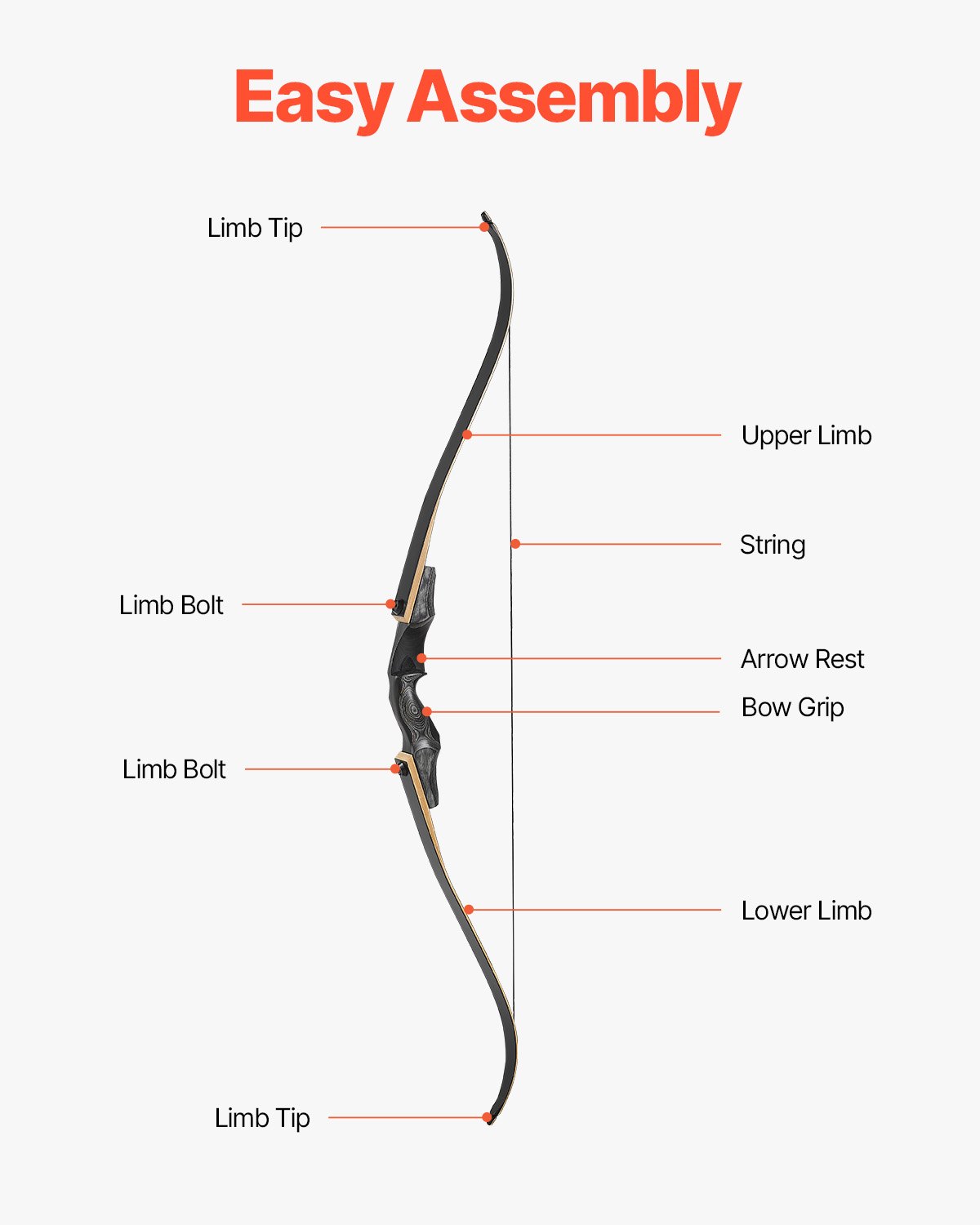
Every compound bow adjusts draw weight at the limb bolts — the large hex bolts on top and bottom of the riser where the limbs attach. Turn both bolts in (clockwise looking down) to increase weight, out to decrease. The cardinal rule: keep top and bottom within a half turn of each other or you’ll throw off cam timing and arrow flight.
Most cams give you 10 pounds of adjustment from bottom to fully bottomed-out. Bear, Hoyt, Mathews, PSE, and Bowtech all spec their bolts to roughly 2 pounds per full turn — count turns from one extreme and you’ll know exactly where you sit. Never back the limb bolts past the manufacturer’s stated minimum (usually 4 to 5 turns out from bottomed). Below that, the limb pocket can shift under shot pressure and you’ll get a cracked limb at the worst possible moment.
If you need to make a larger change — say, dropping from 70 to 50 — most shops can swap to softer cams or lighter limbs in under an hour. That’s cheaper than a new bow and gives you a real second chance at the right weight.
Recurve vs Compound: A Different Draw Weight Conversation
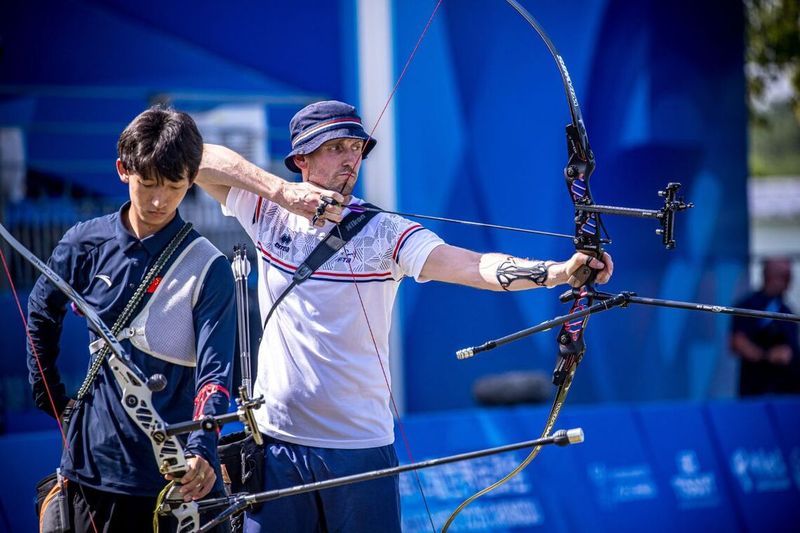
Recurve draw weight reads completely differently than compound. With no let-off, a 40-pound recurve holds 40 pounds at the wall — the same weight as a 70-pound compound on a hunting cam, but with no mechanical break. That’s why recurve archers usually shoot 10 to 20 pounds lighter on paper than compound shooters at the same body weight, yet still produce comparable arrow energy on game.
The Korean Olympic team typically shoots between 44 and 50 pounds at the fingers. World Archery records for compound men sit at peak weights between 60 and 70, holding weights between 14 and 21. The takeaway: if you’re cross-shopping bow styles, measure both at holding weight, not peak. Holding is what your form has to manage. To match draw length to your frame before you commit to either bow style, the draw length measurement guide covers the four standard methods.
Watch: Draw Weight Selection From an Olympic Coach
NUSensei walks through the decision tree most beginners get wrong — including the test he uses to talk shooters out of going too heavy on their first bow.
The Honest Final Word
Pick the lowest draw weight that meets your goal — hunting minimum if you hunt, target preference if you compete — and earn the right to climb. Adding ten pounds in your second year because you’ve actually built archery-specific shoulder strength is a real accomplishment. Buying ten pounds on day one is a recipe for a six-week hobby. Your future self, drawing at -10°F on the last day of season, will thank you for picking the number you can actually hold.
Sources
- World Archery — Compound Equipment Reference — official specs for competition compound bows, holding weight ranges, and let-off behavior.
- Sportsman’s Warehouse — Compound and Recurve Bow Draw Weight Charts — body-weight cross-reference charts widely used by retail bow fitters.
- Hunter’s Friend — Compound Bow Fitting Guide — manufacturer-aligned draw weight selection methodology.
- Bowhunter Magazine — Setups for Hunting Bows — field-based bowhunting equipment context.
Browse archery bows, arrows, and accessories at the Archery Supplier shop →
