
Archery Blog
Best Recurve Bows for Beginners: 8 Top Models from $80 to $400+
Jun
The recurve bow is archery’s most forgiving entry point — no cams to time, no peep sights to align, no release aid to drop. But “beginner-friendly” covers a huge spectrum, from $80 takedown kits that get you shooting in an afternoon to $400 risers that follow you into competition. The wrong choice means months of fighting equipment instead of building form. After comparing the eight most-recommended beginner recurves across draw weight, riser ergonomics, limb quality, and resale value, here are the picks that earn their place at the archery range.
What Makes a Great Beginner Recurve Bow
The honest answer: forgiveness over performance. A beginner bow should be light enough to draw 100 times without arm tremor, long enough to be stable, and affordable enough that you can upgrade limbs as you get stronger without replacing the riser. Four specs decide whether a bow helps you learn or fights you.
Draw Weight
Beginners almost always buy too heavy. The sweet spot for an adult learning form is 20–28 lbs measured at 28 inches of draw. Anything north of 30 lbs and your shoulder collapses before you can hold an anchor. Women and teens typically start at 18–22 lbs. You can always upgrade limbs later — most takedown bows accept replacement limbs in five-pound increments.
Bow Length (AMO)
Match bow length to your draw length. Draw under 28″ → 62″ bow. Draw 28–29″ → 66″ bow. Draw 30″+ → 68–70″ bow. A bow that’s too short for your draw stacks weight badly, and the steep string angle pinches your fingers at full draw.
Takedown vs One-Piece
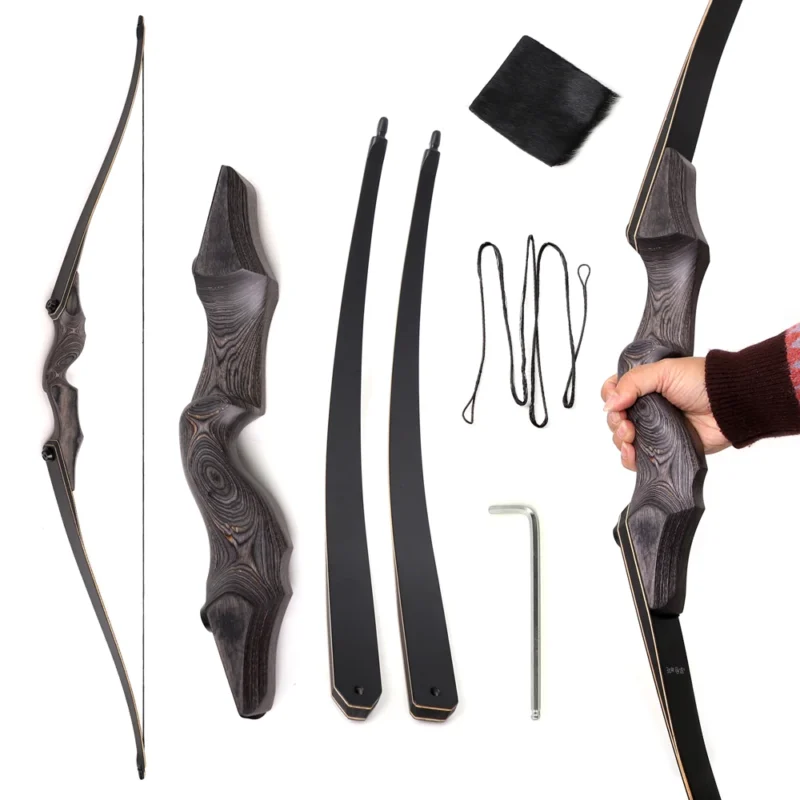
Takedown bows separate into a riser plus two limbs, which makes them packable, upgradeable, and the default beginner choice. One-piece bows feel more “traditional” and shoot smoother for some shooters, but you can’t swap parts when you outgrow the draw weight. For 95% of beginners, takedown wins.
Materials
Laminated wood-and-fiberglass limbs ($100+) shoot smoother than all-fiberglass entry limbs but cost more. Risers in cast aluminum are common at the mid-price; hardwood risers feel warmer but weigh more. Avoid any bow with visible riser cracks at the limb pocket — a recurring problem on the cheapest imports.
The 8 Best Recurve Bows for Beginners
These are ranked by fit-for-purpose at their price point, not by absolute performance. Every bow on this list is one I’d hand to a first-day shooter without an apology.
1. Samick Sage — Best Overall Under $150
The Samick Sage is the recurve world’s “first car.” A 62″ takedown with a hardwood riser, maple-and-fiberglass laminate limbs, and draw weights from 25 to 60 lbs. The riser is drilled for sights, stabilizers, and a plunger — you can grow with it for years. Bushings are pre-installed for a Berger button and bow quiver. Downsides: the grip feels boxy to some shooters, and the supplied string is mediocre (replace with a Flemish twist within a month).
2. Southwest Archery Spyder XL — Best for Tall Archers
The Spyder XL is a 64″ American-designed bow built in the same Korean factory as the Sage, with refinements: deeper grip, cleaner limb tips, and a slightly more aggressive reflex. The XL version is built for archers with draws over 29″. It ships with a stringer tool included, which the Sage doesn’t.
3. KESHES Takedown Recurve — Best Budget Pick Under $100
For the absolute entry point, the KESHES is hard to beat. A 62″ three-piece bow with all-fiberglass limbs, it’s heavier than a Sage but quiet, durable, and ships with a stringer, arrow rest, and soft case. The all-fiberglass limbs are noisier than laminated wood and have less character in the draw, but you’ll outgrow it before it fails — and it won’t strand you mid-learning.
Shop KESHES Takedown Recurve on Amazon →
4. PSE Razorback — Best for Youth and Smaller Adults
The 62″ Razorback is the only bow on this list specifically engineered around lower draw weights (20–35 lbs) and shorter draw lengths. PSE is a US brand with real customer support, and the wood riser feels balanced even at 22 lbs. Excellent choice for a parent and teen sharing the same riser with two limb sets.
5. Bear Archery Grizzly — Best One-Piece Traditional
If you want the look-and-feel of a hunter’s recurve, the Bear Grizzly is the classic. 58″ one-piece, sweeping black-and-tan riser, draw weights 30–50 lbs. It’s a more demanding bow — heavier draw, shorter length amplifying form errors — so we recommend it for beginners who have already shot a borrowed bow and know they want a traditional hunting style. Bear has been producing this exact bow design since 1949, which says something about the geometry.
6. SAS Courage — Best Modern Riser Design
The Southland Archery Supply Courage is a 60″ takedown with a sleek composite riser, padded grip, and a cleaner aesthetic than the wood-riser crowd. Performance is comparable to the Sage; the choice between the two often comes down to whether you prefer wood or composite in your hand and how much you care about resale value (Sage holds it better).
7. Sanlida Miracle X10 — Best for Target Archery
Sanlida is a Chinese factory that has quietly become a major OEM for Olympic-style recurve risers. The Miracle X10 is their best beginner-to-intermediate riser: 25″ ILF aluminum, accepts standard International Limb Fitting limbs from any brand, and is sold packaged with limbs and arrow rest. If you suspect you’ll head down the Olympic-recurve path, start here rather than a Sage — you won’t have to replace the riser when you switch to ILF limbs.
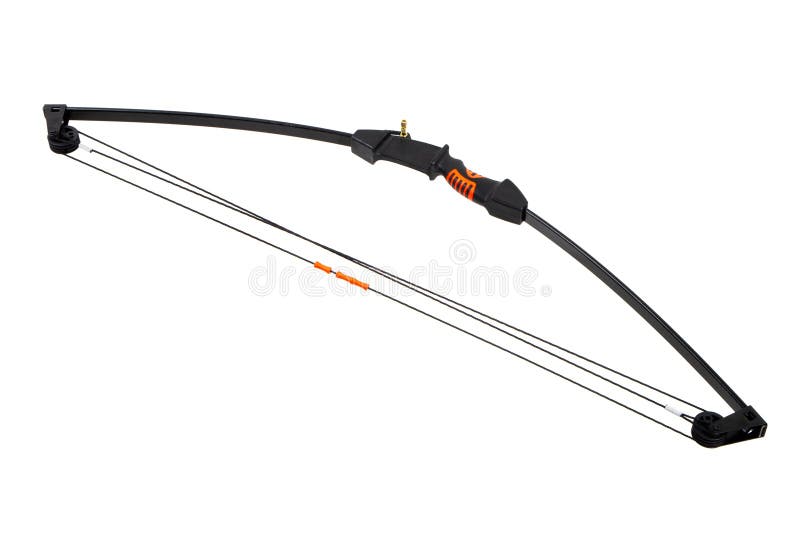
8. Hoyt Satori — Best Premium Beginner Upgrade
The Satori is the most expensive bow on this list ($400+), but it’s still considered a “beginner” bow within the traditional community because it’s a forgiving 17″ or 19″ ILF-compatible riser with conservative geometry. If you have the budget and you know you’re committing to archery as a long-term sport, the Satori skips two rounds of “outgrowing your gear.” It is also the only bow here with serious resale demand if you change your mind.
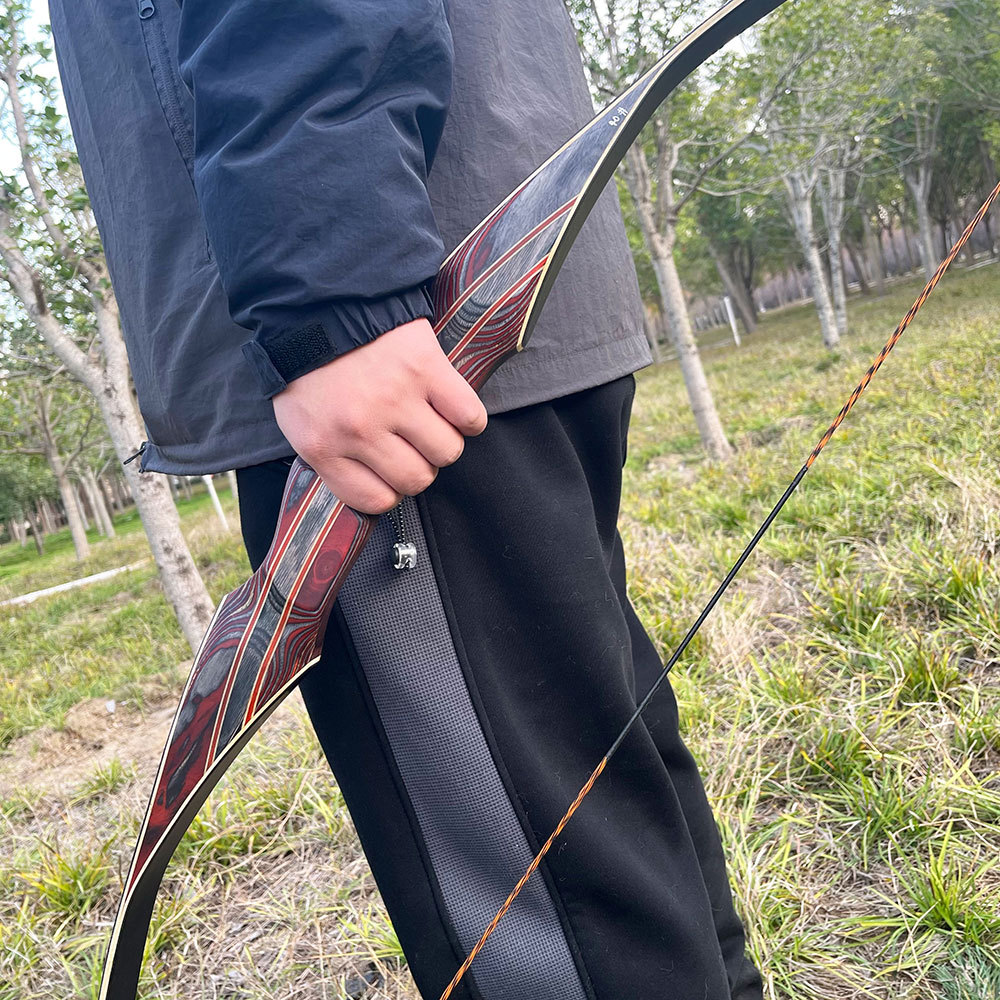
How to Match a Bow to Your Body Before You Buy
Three measurements decide which bow on this list fits you. Get these right and the rest is taste.
Draw Length
Stand against a wall, arms outstretched in a T, palms forward. Measure fingertip to fingertip in inches and divide by 2.5. That’s your approximate draw length. Most adults fall between 27″ and 30″. This number sets your bow length.
Draw Weight Tolerance
Hold a 5-lb dumbbell straight out to your side at shoulder height. Thirty seconds without shaking → you can handle a 25 lb bow. Forty-five seconds → 28–30 lbs. Less than twenty seconds → start at 20 lbs. This test is rough but better than guessing from how heavy the bow looks in marketing photos.
Eye Dominance
Close one eye, point at a distant object, switch eyes. The eye that stays “on” the object is dominant. Right-eye dominant → right-handed bow (string drawn with right hand). Mismatched hand and eye dominance is fixable but easier to just buy the bow that matches your eye.
Common Beginner Mistakes When Buying a Recurve
Three patterns show up at every range and every Reddit thread:
- Buying too much draw weight. A 50 lb bow looks impressive on the product page. It’s miserable to shoot for the 200+ practice rounds you need to build muscle memory. Start light and add weight in limb upgrades.
- Skipping the stringer tool. “Step-through” stringing a recurve is how you twist a limb and ruin a bow. A $15 stringer pays for itself the first time you avoid that.
- Buying arrows before the bow. Arrow spine has to match draw weight and bow length. Buy the bow first, shoot it for a session at a range with house arrows, then size your own.
Frequently Asked Questions
What draw weight should a beginner really start with?
Adult men: 25–28 lbs at 28″. Adult women: 20–25 lbs. Teens: 15–22 lbs depending on size. You can shoot tight groups at 20 yards with a 20 lb bow — you don’t need more weight to learn form. Heavy weight only matters once form is locked in.
Can I hunt with a beginner recurve?
Most US states require a 40 lb minimum draw weight for big-game hunting. The Bear Grizzly and heavier Sage limb sets cross that threshold; the Razorback and KESHES generally do not. Check your state’s regulations before you buy with hunting in mind.
Do I need a sight on a recurve?
No — and most traditional shooters never add one. If you’re heading toward Olympic recurve competition, yes; toward instinctive or barebow shooting, no. The Sage, Spyder, and Satori all accept sights; the Grizzly does not.
How much should I really spend?
$100–$150 is the practical floor for a bow you won’t outgrow within a month. $200–$300 is the sweet spot for a bow that carries you through your first two years. $400+ only makes sense if you’ve already shot enough borrowed gear to know you’ll stick with the sport.
How long do recurve bow limbs last?
Quality laminated limbs treated well — properly braced, never dry-fired, stored unstrung — last 10+ years for the recreational shooter. All-fiberglass entry limbs are typically retired after 3–5 years of regular use or whenever they take a set (visible twist or asymmetry).
Sources
- USA Archery — national governing body, beginner program standards and draw weight guidelines
- Archery 360 — USA Archery’s beginner-focused publication with equipment reviews
- Wikipedia: Recurve Bow — history, design principles, and competition specifications
- World Archery Federation — international competition equipment regulations
Browse archery bows, arrows, and accessories at the Archery Supplier shop →
Shop on Amazon
Compound Bows on Amazon →
As an Amazon Associate we earn from qualifying purchases.
