
Archery Blog
Compound Bow Buying Guide 2026: What to Know Before You Buy
Aug
The compound bow market in 2026 has never offered more choices — or more ways to make an expensive mistake. Walk into any archery retailer and you’ll find bows ranging from $299 to well over $2,000, each promising the same thing: accuracy, speed, and the shot you’ve always wanted. Before you hand over your card, you need to understand what separates a bow that fits you from one that looks good on the rack. This guide breaks down every specification that matters, explains why the pro shop visit is non-negotiable, and tells you exactly what to look for based on how you plan to shoot.
What the Spec Sheet Is Actually Telling You
Every compound bow listing comes loaded with numbers: IBO speed, brace height, ATA length, draw weight range, draw length range, and let-off percentage. Most buyers fixate on the IBO speed figure — the maximum feet-per-second rating measured under laboratory conditions with a specific draw weight, draw length, and arrow weight. That number is largely irrelevant for real-world shooting. A bow shooting 330 fps vs. 310 fps makes almost no practical difference at deer-hunting distances. What actually matters is how the bow fits your body, how it performs at your specific draw weight and length, and whether its design philosophy matches your intended use.
Brace height — the distance from the grip to the string at rest — is your forgiveness indicator. Shorter brace heights (5–6 inches) produce faster arrows because the string stays in contact with the arrow longer during the power stroke, but any flaw in your grip or release is amplified. A longer brace height (7+ inches) gives you a more forgiving shot at the cost of a little speed. For beginners and hunting applications where you might shoot in cold gloves or from an awkward tree stand position, favor the longer brace height.
Draw Weight: The Number That Can Make or Break Your Form
Draw weight is the peak poundage you pull through the draw cycle before the cams roll over and let-off kicks in. It is the most commonly misunderstood specification for new archers, who almost universally start too heavy. The test is simple: if you cannot draw the bow smoothly and silently in one motion, hold it at full draw for 30 seconds without shaking, and execute a controlled release, the draw weight is too high. Shooting heavy draw weight with poor form builds compensations that become extremely difficult to unlearn.
For hunting, most North American states and provinces require a minimum of 35–40 lbs for deer, depending on jurisdiction. Most experienced bowhunters shoot between 55–70 lbs, which provides ample kinetic energy for ethical kills at practical hunting distances. If you’re a new adult archer of average build, starting at 50–60 lbs gives you room to develop strength without overwhelming your shoulder and back during the learning phase. Most modern compound bows offer a 10-lb adjustment range within a single module, and some offer 20+ lbs of adjustability, making it easy to start light and work up as your muscles adapt.
For target and 3D archery without hunting applications, 40–55 lbs is the common range. Reduced poundage means you can shoot more arrows per session with less fatigue — and high-volume repetition is how form develops. Shooting lighter and shooting more is almost always better than shooting heavy and shooting less during the first year.
Draw Length: The Most Personal Measurement in Archery
Your draw length — the distance from the grip to the anchor point at full draw — is determined by your anatomy, not your preference. The quickest approximation: measure your wingspan (fingertip to fingertip with arms extended) and divide by 2.5. A 70-inch wingspan yields a draw length of approximately 28 inches, which is close to the median for adult males. This is a starting estimate only; a proper fit requires drawing a bow and having a trained eye assess your anchor position, bow arm elbow, and back tension engagement.
Shooting too short a draw length causes a collapsed, cramped form and can drive the arrow shelf into your arm on release. Too long, and you’ll hyperextend your bow arm, create torque at the grip, and struggle to anchor consistently. A half-inch error in draw length is noticeable in your groups. A full-inch error is a flaw that will haunt every shot you take until it’s corrected. Get this measurement confirmed by a pro shop before any purchase.
Cam system type determines how you adjust draw length. Single cam (also called one-cam or solo cam) bows are quiet, low-maintenance, and easy to tune — the dominant choice for hunting. Binary cam systems link both cams mechanically, delivering a synchronized, smooth draw with excellent accuracy — common in target competition. Dual cam systems offer precise timing but require more frequent maintenance to stay in sync. For most buyers in 2026, a quality single cam or binary cam bow covers nearly every shooting scenario.
Let-Off: What That Percentage Means When You’re at Full Draw
Let-off is the percentage of peak draw weight that the cam system reduces when you reach full draw. A 70 lb bow with 80% let-off means you’re holding approximately 14 lbs at anchor — a critical advantage when you need to hold for an extended time while a target moves into position. High let-off (75–90%) is the standard preference for hunting bows for exactly this reason. It allows you to wait out a quartering-toward animal without your muscles giving out before the shot opportunity opens.
Target archers often prefer lower let-off (65–70%) because more holding weight at full draw creates greater proprioceptive feedback. You can feel — and therefore correct — any inconsistency in back tension and anchor position. The holding tension also contributes to a crisper, more defined shot wall, which competitive archers use to develop consistent back tension execution shot after shot. When buying, confirm the bow’s let-off is adjustable or that the spec matches your intended discipline.
Axle-to-Axle Length: Compact Agility vs. Forgiving Geometry
Axle-to-axle (ATA) length is the distance between the two cam axles. Compact bows — 28 to 32 inches ATA — are engineered for hunters. They maneuver easily in a ground blind, fit comfortably in a saddle setup, and carry lighter through backcountry terrain. The tradeoff is a sharper string angle at full draw, which increases the mechanical demand on the cams and creates a slightly less forgiving platform — any grip torque is magnified more than it would be on a longer bow.
Longer ATA bows — 33 inches and above — are the choice of target archers and 3D competitors. The shallower string angle reduces cam lean and limb torque, producing a more stable, consistent shot at longer distances. If you’re shooting indoor competitions, field archery, or 3D courses where you’re carrying the bow in your hand rather than through dense cover, a longer ATA bow will reward you with tighter groups over time. For a hunter who also shoots competitively in the off-season, a mid-length ATA bow (31–33 inches) is a practical compromise that doesn’t sacrifice either use case significantly.
Hunting Bows vs. Target Bows: Designed for Different Jobs
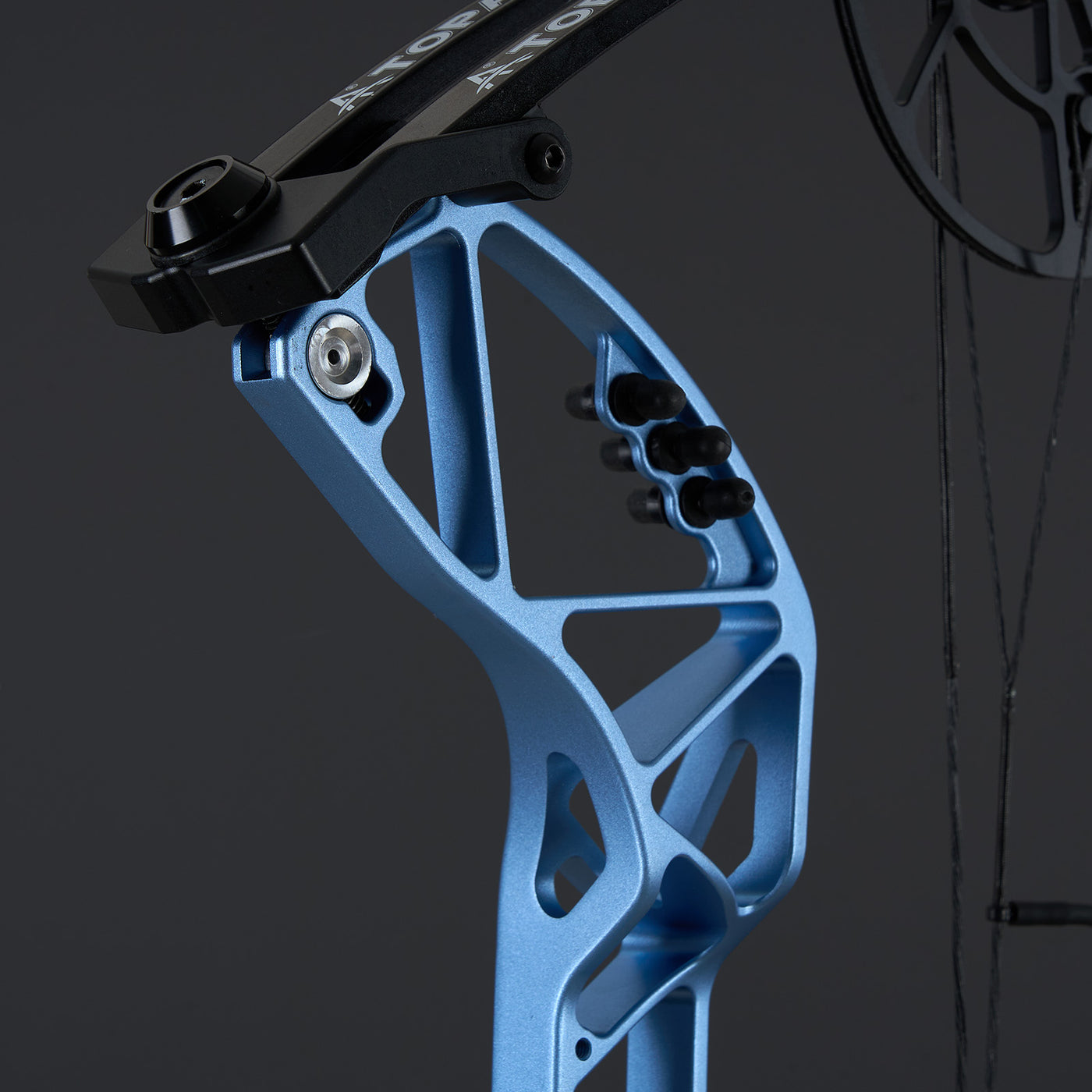
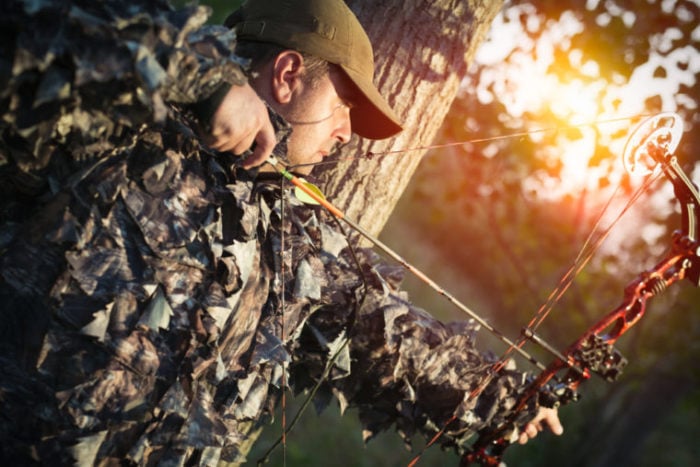
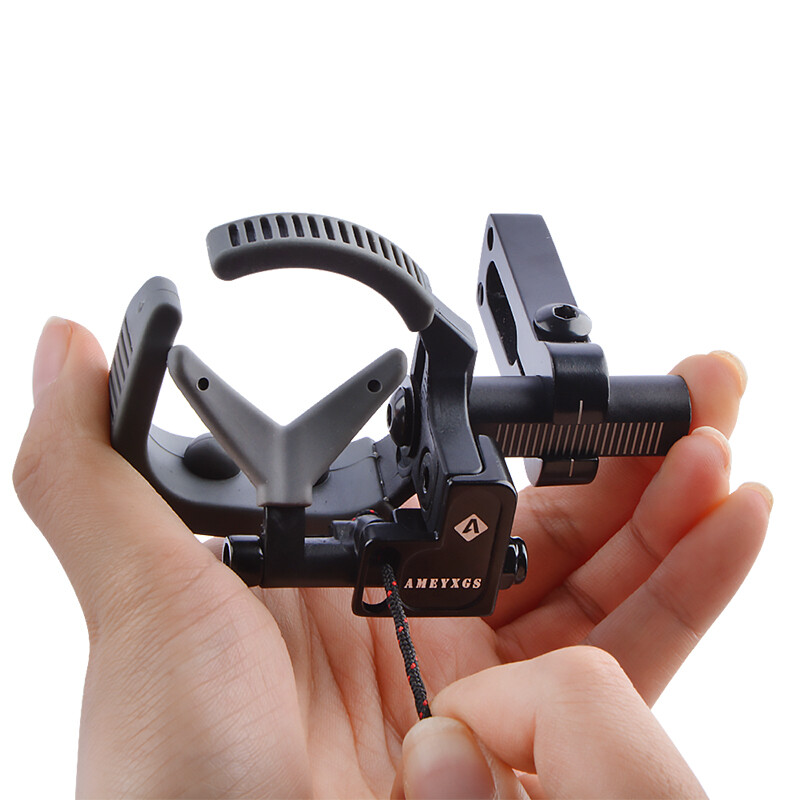
The distinction between hunting compound bows and target compound bows goes deeper than camo finish vs. black anodized aluminum. Hunting bows prioritize silence, compactness, wide adjustability across draw weight and length ranges, and durability in wet, cold field conditions. Target bows prioritize shot-to-shot consistency, vibration dampening, riser length for accessory mounting, and fine-tuning options at the micro level. Many high-end target bows are not designed to be field-weatherproofed, are heavier due to longer risers and integrated stabilizer systems, and have narrow adjustment ranges that assume a properly fitted shooter who won’t be changing the bow’s configuration.
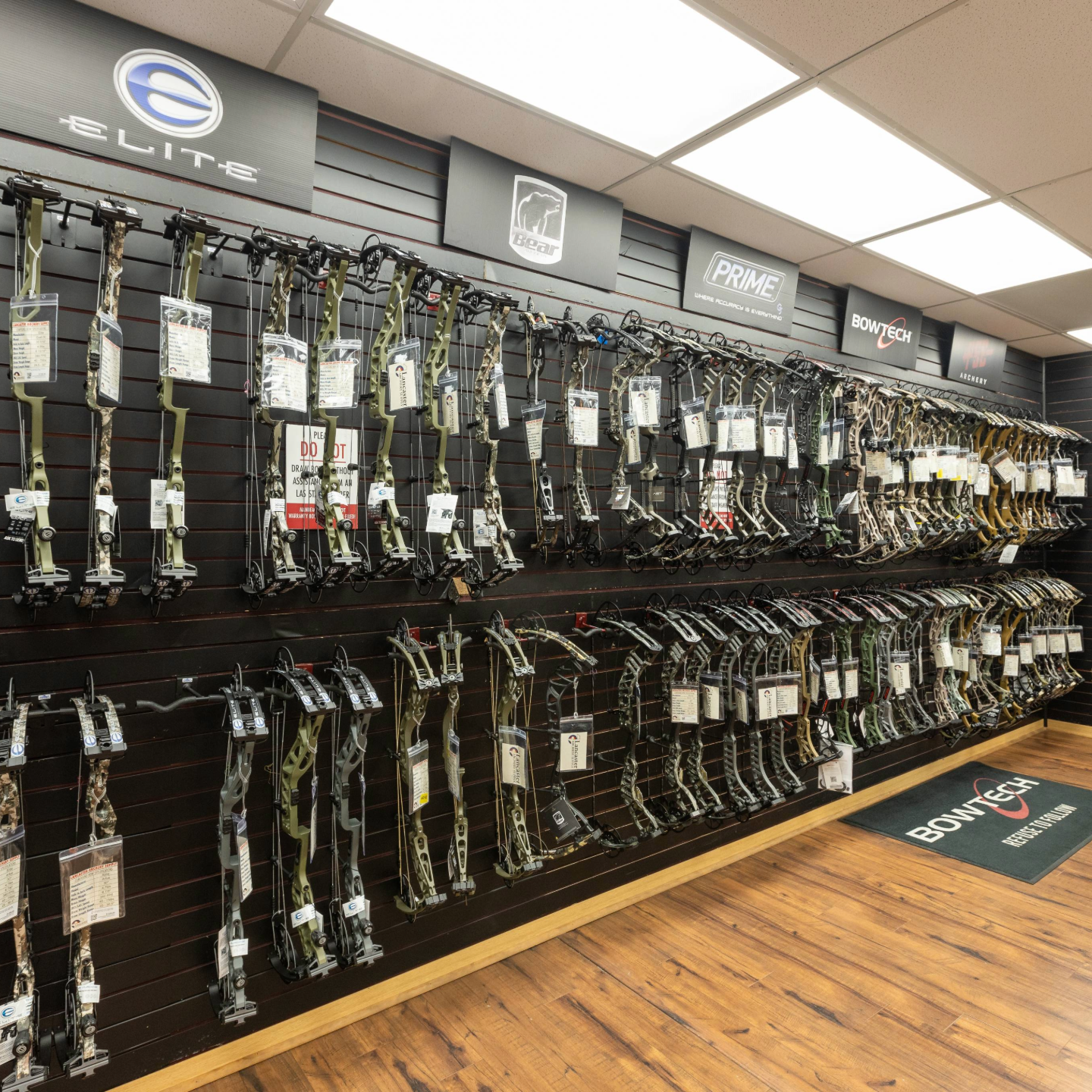
Using a hunting bow for target competition is completely viable at recreational and club levels. Using a competition target bow for whitetail hunting from a tree stand in November is awkward at best. If you’re genuinely undecided between disciplines, a versatile mid-range hunting bow from Mathews, Hoyt, Prime, or Bear will serve both purposes better than a compromised attempt at a target-specific rig. Commit to your primary use case when buying your first bow — you can always add a second bow for the other discipline once you know the sport is yours long-term.
Shop Compound Bow Packages on Amazon →
What Your Budget Actually Buys You
Entry-level compound bows in the $300–$500 range — Bear Archery Cruzer G2, Diamond Archery Prism, and similar wide-range adjustable models — cover 10–70 lbs and multiple draw lengths without a module change. They are genuine bows built to teach and develop archers through years of shooting. What they sacrifice is cam precision, riser machining tolerances, and vibration control. For a new archer still developing form and deciding which direction they want to go, an adjustable entry-level bow is the right call. Don’t spend $1,200 until you know you’re committed to the sport.
The mid-range ($500–$900) is where most serious recreational archers and intermediate bowhunters land. Bows in this tier offer significantly tighter cam tolerances, better riser materials (machined aluminum vs. die-cast), improved draw cycles, and better vibration dampening. For a hunter who shoots 200+ arrows in the off-season and plans to take the bow afield regularly, this is the sweet spot of performance per dollar. You get a bow that responds to your form improvements rather than masking them.
High-end bows ($900–$2,000+) serve competitive archers and experienced hunters who know precisely what they need. The performance gains over mid-range are real but narrower than the price gap suggests. The premium reflects manufacturing precision, proprietary cam engineering, and R&D amortized across a smaller production run. Unless you’re competing at state or national level, or you’ve shot at an intermediate level for two or more years and have a clear sense of exactly what you want, there is no meaningful performance argument for the top tier over a quality mid-range bow.
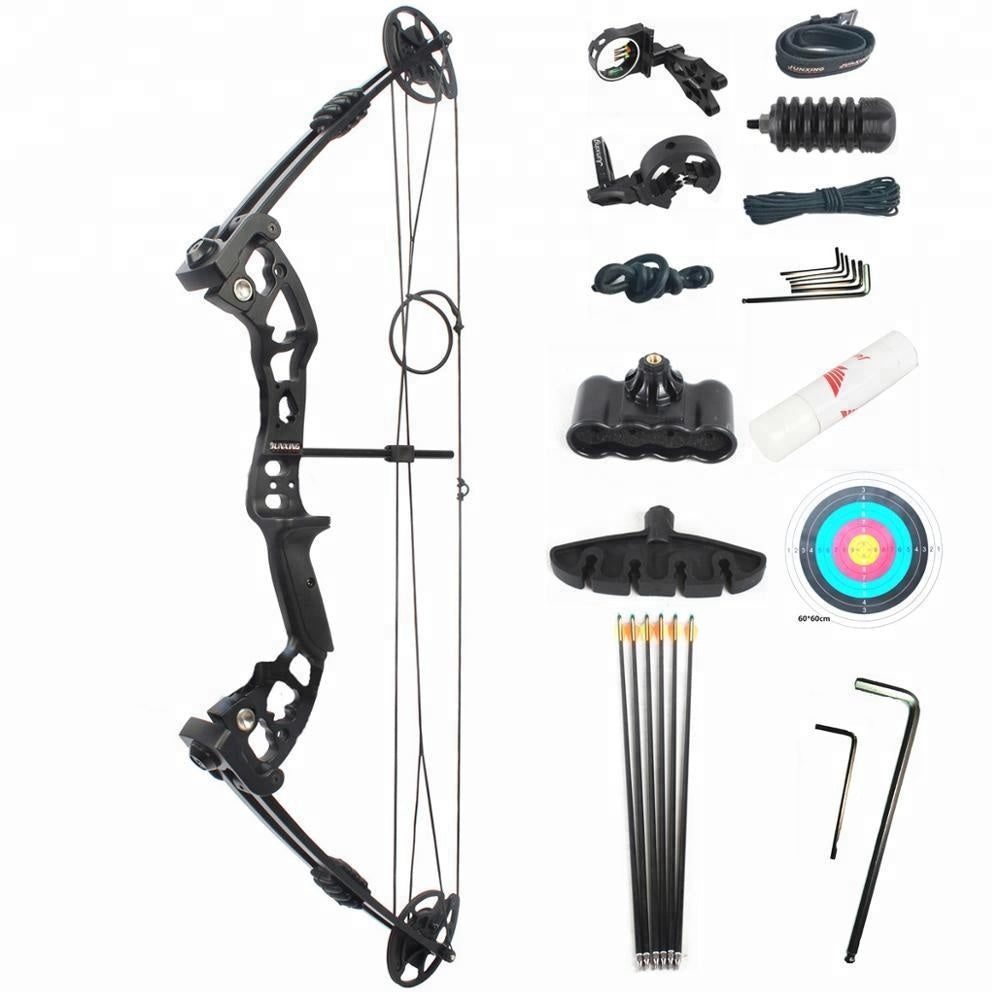
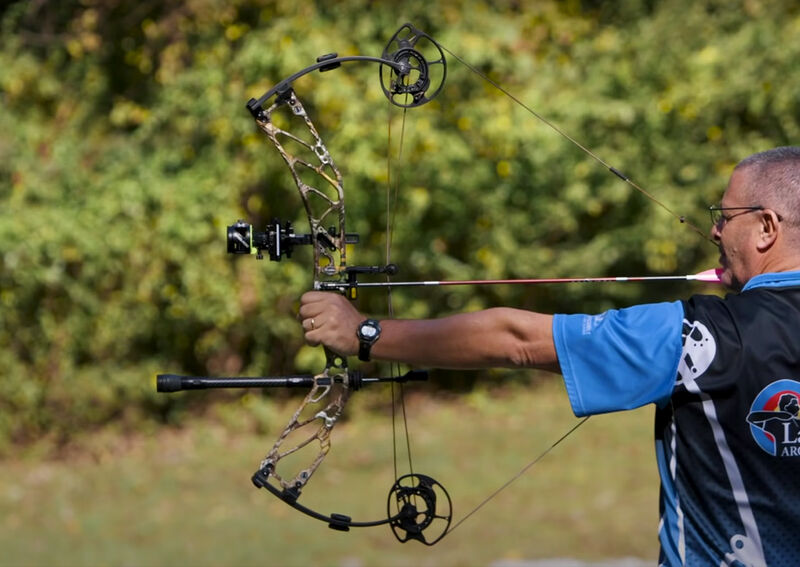
Bow packages — bundles that include a sight, arrow rest, quiver, stabilizer, and wrist sling — offer solid value for new shooters. The bundled accessories are functional and let you start shooting immediately. The tradeoff: package accessories are rarely what you’d choose individually once you know your preferences. Plan to upgrade the arrow rest and sight within the first 12–18 months if you stick with the sport. A drop-away or capture-style rest significantly improves arrow clearance and consistency over the basic whisker biscuit that most packages include.
Shop Compound Bow Arrow Rests on Amazon →
Why the Pro Shop Visit Is Non-Negotiable
You can research every specification in this guide and still walk out of a store with the wrong bow if you buy it without a proper fitting. A qualified archery technician will measure your actual draw length using a bow scale and observation, watch your draw cycle and anchor, identify any muscle imbalances that suggest a weight adjustment, and set up the bow’s timing and nocking point before you leave. This service — typically included in the purchase price at any serious archery retailer — is worth more than any discount you’d save buying online.
When you visit a pro shop, wear comfortable athletic clothing that allows free arm and shoulder movement. Avoid buying your first bow from a big-box sporting goods retailer where staff may not be archers themselves. An archery-specific shop or certified range affiliated with the Archery Trade Association (ATA) will have staff trained to fit you properly and demo bows available to shoot. Shoot at least two or three different models before deciding — the draw cycle feel, wall hardness, and grip shape vary enormously between bows even when the specs on paper look identical.
Before committing to any bow, ask these questions: Is the draw weight adjustable, and by how much without a bow press? Can I change the draw length module myself at home? What warranty does this model carry, and what does it cover? Does the shop offer free tune-ups in the first year of ownership? A good retailer will have clear answers to all of these. One that rushes past them to get to the register is not the right shop for your first compound bow purchase.
Shop Compound Bow Stabilizers on Amazon →
Sources
Archery Trade Association (ATA) — industry standards, retailer certification programs, and compound bow equipment guidelines.
World Archery — international governing body for archery disciplines, equipment regulations, and competition formats.
Compound bow — Wikipedia — overview of compound bow mechanics, cam systems, history, and design evolution.
