
Archery Blog
The Complete Compound Bow Buying Guide for 2026
Aug
Every compound bow purchase starts with the same problem — too many options, too much jargon, and most buying guides that bury the specs that actually matter under marketing copy. This guide cuts through that. Whether you’re shooting 3D targets on weekends or planning your first bow season, what follows is the honest framework for choosing a compound bow in 2026, built around how real archers actually shoot — not around which number looks most impressive on a box.
Start with Draw Weight, Not Price
Draw weight is the single most important specification on any compound bow, and the one most beginners get wrong by going too heavy. The common mistake is purchasing a 70-pound bow because it sounds serious — then fighting it through every practice session and developing compensating form habits that take years to unlearn.
For target archery and recreational shooting, 40–55 pounds is a practical sweet spot where most adults can hold steady and shoot with consistent form. For bowhunting, most states require a minimum of 35–40 pounds for deer, and ethical shots on big game benefit from 55–70 pounds — but that range requires proper physical conditioning to draw cleanly in field conditions. A bow that’s too heavy to draw without heaving your shoulder into it is a bow that will eventually injure you.
Modern compound bows with machined aluminum risers and refined limb pockets are noticeably smoother to draw than bows from even a decade ago. Even so, if you’re new to archery, start lower than you think you need. You can always increase draw weight later by adjusting the limb bolts — most compound bows allow several turns of adjustment within their rated range.
Draw Length — The Fit Measurement That Changes Everything
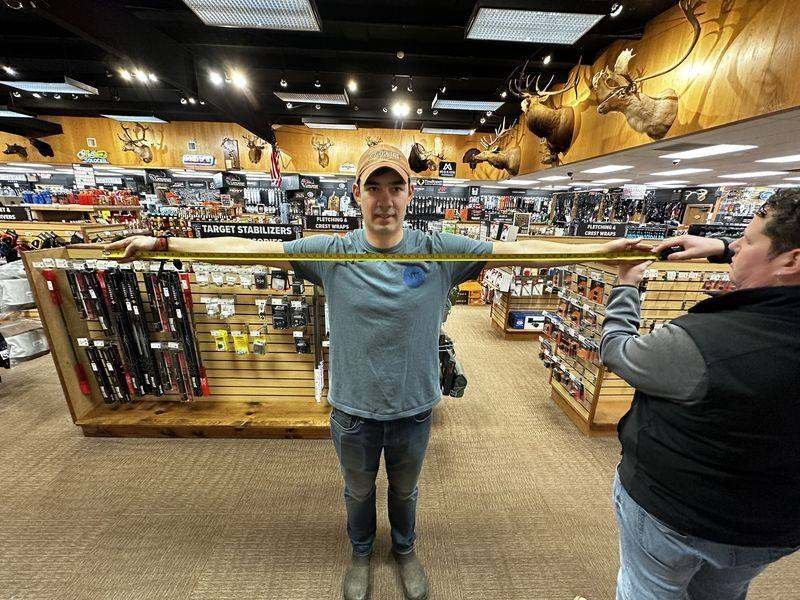
Incorrect draw length causes more form problems, accuracy issues, and shoulder injuries than almost any other fit error. A bow set too long forces an archer to reach at full draw, rotating the bow shoulder forward and destabilizing the shot. A bow set too short causes the elbow to stack awkwardly and the anchor point to feel inconsistent. Either way, you’re fighting the equipment instead of shooting it.
To estimate your draw length: stand with your arms stretched straight out from your sides, palms forward, parallel to the floor. Have someone measure your wingspan from fingertip to fingertip. Divide that number by 2.5 — the result gives your approximate draw length in inches. A pro shop will refine this by fitting you on an actual bow at full draw and observing your form before making final adjustments.
Most modern compound bows offer draw length adjustment across a 2–6 inch range, either through rotating module replacements or a modular cam system. This adjustability lets the bow grow with you as your form develops, be shared between archers of different sizes, and be dialed in precisely once you have determined your exact fit.
Shop Compound Bow Packages on Amazon →
Understanding Cam Systems Before You Buy
The cam — the oval-shaped wheel at the tip of each limb — is what turns a compound bow into a compound bow. It creates the draw cycle and determines how the bow feels at full draw, through the wall, and at the shot. There are three main cam designs, each making a different trade-off between speed, smoothness, and tuning maintenance.
Single-cam (Solo-cam): One powered cam at the lower limb, an idler wheel at the top. Single-cam bows are quieter, require less tuning maintenance, and forgive minor string stretch over time. They tend to be slightly slower than dual-cam setups, but are the easiest compound design to keep in tune between shop visits.
Dual-cam (Twin-cam): Powered cams on both limbs. They generate more speed but require both cams to rotate in synchronized timing. When properly timed, a dual-cam bow is accurate and fast. Out of timing, accuracy degrades noticeably. These bows benefit from more frequent pro-shop attention to maintain their performance advantage.
Binary-cam: A variation of the dual-cam where both cams are mechanically linked, keeping themselves synchronized as they rotate. This provides the speed of a dual-cam system with less timing maintenance. The linkage adds mechanical complexity, but many archers find the trade-off worthwhile. For a first compound bow, a single-cam or binary-cam design simplifies your maintenance obligations without sacrificing meaningful performance.
Axle-to-Axle Length and Its Real-World Impact
Axle-to-axle (ATA) length is the distance between the two cam axles, measured from tip to tip. It directly affects how the bow handles in different shooting environments and how the string angle feels at full draw — both of which have real consequences for accuracy and comfort over a long shooting session.
Shorter bows — under 30 inches ATA — are compact and maneuverable. They work well for hunting from tight ground blinds or elevated tree stands where drawing in a confined space matters more than long-range precision. The downside is a sharper string angle at full draw, which creates more horizontal torque and can increase finger pinch for archers not using a release aid.
Longer bows — 33 inches ATA and above — are inherently more stable, produce a gentler string angle, and hold steadier at long distances. They dominate competition target archery and open-field spot-shooting. The trade-off is added overall weight and reduced maneuverability in confined hunting situations. Most general-purpose compound bows land in the 30–33 inch ATA range, which handles 3D courses, field ranges, and most bowhunting setups without major compromise in either direction.
Let-Off — The Compound Bow’s Defining Mechanical Advantage
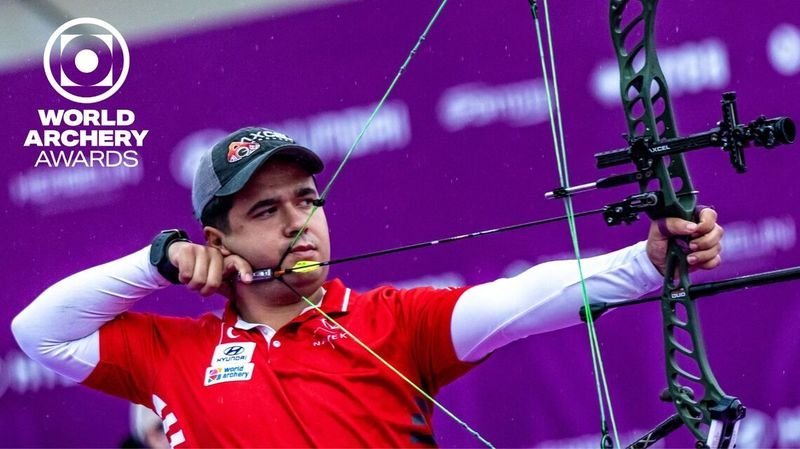
Let-off is the percentage by which the cam system reduces peak draw weight once the bow reaches full draw. A bow with 80% let-off and a 60-pound peak weight holds at only 12 pounds once the cams roll over. This is the compound bow’s defining advantage over recurves and longbows — it allows an archer to hold at full draw for several seconds without sustaining the full muscular load of peak draw weight, which is especially critical in hunting situations where shot timing is unpredictable.
Modern compound bows typically offer let-off between 65% and 90%, often adjustable through a module change. Higher let-off means a lighter hold weight and greater stability while waiting on a shot — but it can reduce arrow speed slightly and, for some archers, makes it harder to feel the back wall of the draw. Competition target archers often prefer 65–75% let-off for more active draw tension and sharper tactile feedback. Hunters typically prefer 80–90% for maximum hold time on unpredictable field shots.
Shop Compound Bow Release Aids on Amazon →
IBO Speed Ratings — What They Mean and What They Don’t
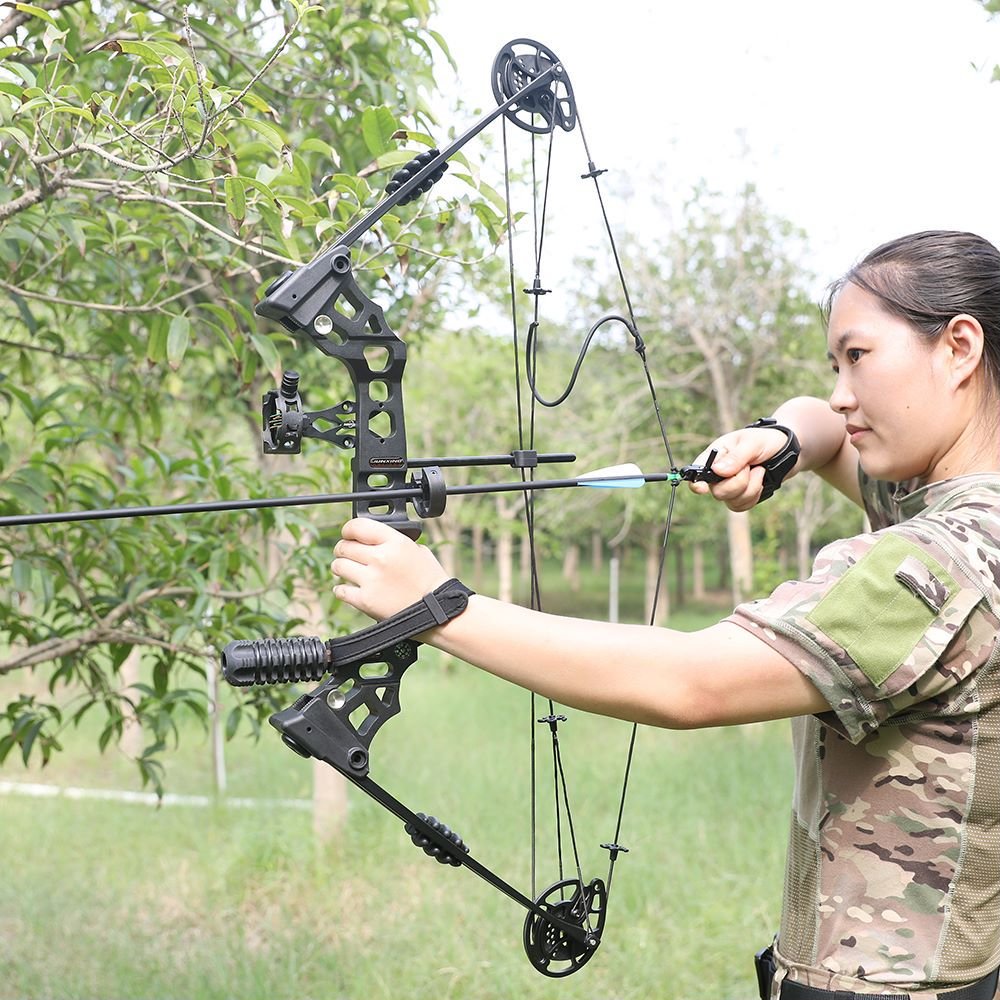
Speed is the most aggressively marketed specification in the archery industry. IBO ratings — set by the Archery Trade Association’s International Bowhunting Organization standard — measure arrow speed at 70 pounds draw weight, 30-inch draw length, using a 350-grain arrow. Under those conditions, modern compound bows range from roughly 300 to 360 feet per second.
What the spec sheets don’t emphasize: your real-world shooting speed will be meaningfully lower. A 28-inch draw instead of 30 inches costs roughly 10 fps. A heavier hunting arrow drops speed further. Adding a stabilizer, a mounted multi-pin sight, and a full arrow rest contributes system weight that shaves additional velocity. Most archers shooting a realistic hunting or competition setup run 30–50 fps below the IBO rating printed on the box.
For bowhunting inside 40 yards, anything above 270–280 fps provides flat enough trajectory that speed differences between models become negligible at ethical shot distances. For target archery, consistency and form matter far more than arrow velocity. When comparing bows in your budget, evaluate draw cycle feel, let-off percentage, and adjustability range — not which IBO number looks most impressive in the brochure.
Budget, Build Quality, and What You’re Actually Paying For
Entry-level compound bows from reputable brands in the $300–$500 range use machined aluminum risers and quality components. At this price, you get an accurate, functional bow with adjustable draw weight and length. The trade-offs are heavier overall weight, simpler cam designs, and less refined vibration dampening compared to higher price points.
Mid-range bows in the $500–$900 range deliver tighter machined limb pocket tolerances, smoother draw cycles, lighter riser profiles, and noticeably reduced hand shock and noise. The shooting experience improves measurably, and the accuracy ceiling rises with it. At $900 and above, you’re paying for incremental refinements — tighter tolerances, premium finishes, lighter overall weight — that matter most to competitive archers or experienced hunters who have already optimized their form. The performance gap between a $600 and a $1,200 bow is considerably smaller than the gap between a $250 and a $600 bow.
For new archers, a solid mid-range bow will outlast your current skill development by years. Over-investing in a premium model before your form is consistent means spending money on specs you cannot yet access. Set a realistic budget, prioritize a reputable brand with good warranty support, and direct remaining funds toward quality arrows and professional instruction — those investments pay off faster than an extra few hundred dollars in bow.
Shop Carbon Arrows for Compound Bows on Amazon →
Building a Complete Setup Around Your Bow
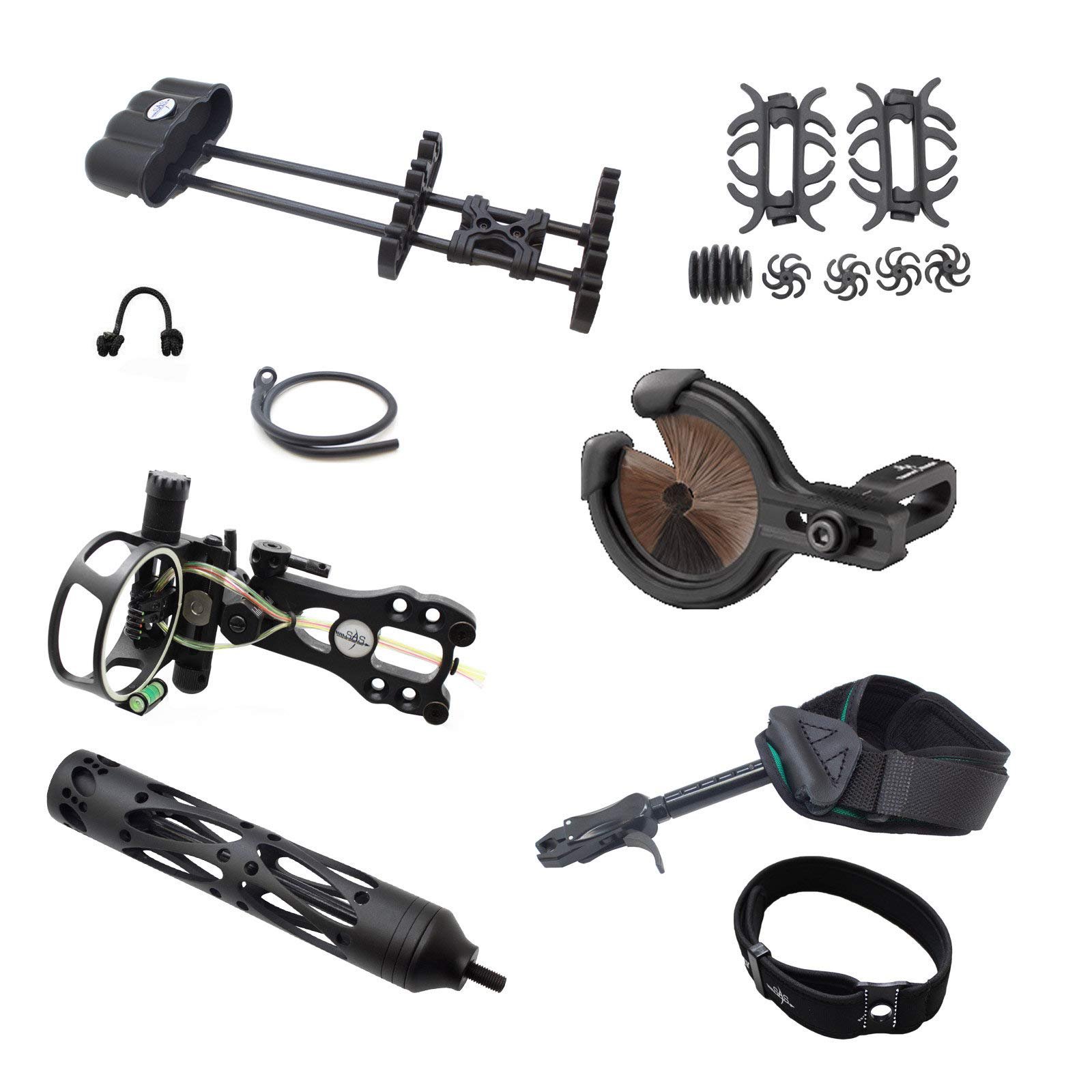
A compound bow alone does not shoot. A functional setup requires several additional components that should factor into your total budget from the start. A release aid — either a wrist-strap caliper style or a thumb-trigger back-tension design — is essential for consistent compound shooting and should be fitted alongside the bow, not added as an afterthought. A bow sight with fiber optic pins, a properly sized and tied-in peep sight, a quality arrow rest, and a stabilizer complete a working target or hunting rig.
Many manufacturers sell package bows that bundle these accessories at a reduced combined price. The quality of bundled components varies widely — evaluate each accessory individually rather than assuming a package deal means professional-grade gear throughout. It’s common for the bow itself to be excellent while the bundled sight or rest is a basic starter component you will want to replace within a season of serious shooting.
One recommendation that cannot be quantified: buy from a pro shop rather than a big-box retailer or online-only source if at all possible. A fitting session, paper tuning, and the ongoing service relationship that comes with a pro shop purchase has real monetary value. A compound bow correctly fitted to your draw length and professionally tuned to your arrow spine shoots fundamentally differently from the same model taken off a shelf without adjustment — and that difference is often the gap between an archer who improves quickly and one who struggles with the equipment for months before realizing the bow was never properly set up.
Sources
- World Archery Federation — Equipment Regulations
- USA Archery — Competitive Equipment Rules
- Archery Trade Association — IBO Speed Standard
