Archery Blog
USA Sweeps Pan Am Team Gold | Archery Weekly Jun 22-28
Jun
Three team finals, three American flags, and one host nation that refused to make it easy. The Pan American Archery Championships ran June 22–28 in Tlaxcala, and by the time the team rounds wrapped on Friday the event had already handed out the most valuable prize on the line — not medals, but the first quota places for the Lima 2027 Pan American Games. It was the busiest week of an otherwise quiet stretch between World Cup stages, and it gave recurve, compound, and barebow fans something to argue about all at once.
Pan American Archery Championships: USA Sweeps the Team Podium
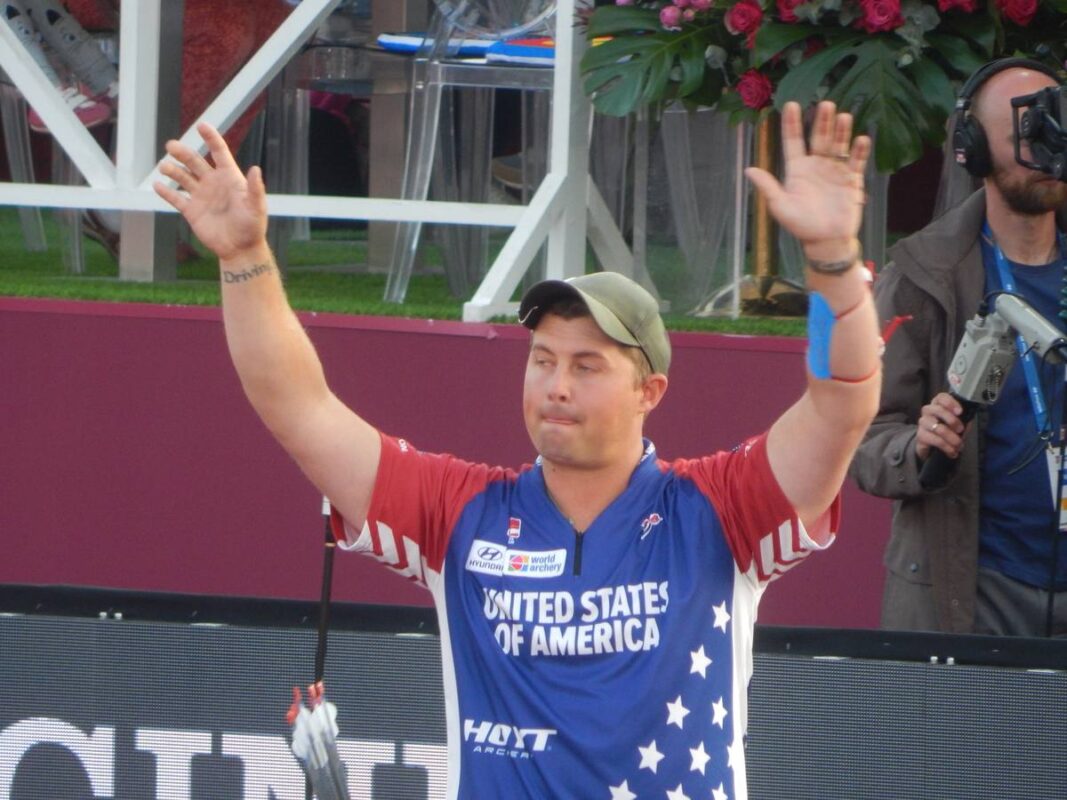
The headline number is three. The United States won recurve men, recurve women, and compound men team gold in Tlaxcala, with only Mexico’s compound women breaking the run. Brady Ellison, Nicholas D’Amour, and Christian Stoddard edged Colombia in the recurve men’s final, the match swinging on a fourth-set 5–3 cushion. On the women’s side, Casey Kaufhold, Jennifer Mucino, and Olivia Martin handled host nation Mexico 5–1 in front of a partisan crowd — the kind of result that looks routine on paper and feels anything but when the home archers are matching you arrow for arrow.
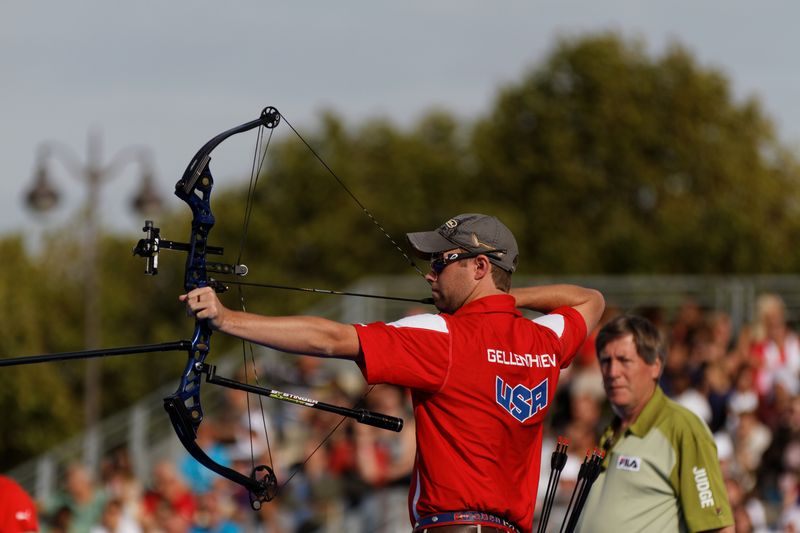
Compound told a more divided story. The American men — James Lutz, Gaius Carter, and Louis Price — beat Colombia for gold, but the women’s title went to Mexico, where Andrea Becerra, Adriana Castillo, and Dafne Quintero held off the same Colombian squad that has owned the continental compound conversation for the better part of a decade. If you have ever wondered why compound and recurve shooters tune their setups so differently, the contrast on display in Tlaxcala is a decent primer — our breakdown of recurve versus compound bows covers why the two disciplines reward almost opposite habits.
The individual brackets carried that same tension into the weekend. Brady Ellison drew Brazil’s Marcus D’Almeida in the recurve men’s semifinals — arguably the toughest matchup on the board — while Matias Grande gave Mexico a home shot against Canada’s Eric Peters. Casey Kaufhold anchored the recurve women’s side against Canada’s Virginie Chénier. The compound singles bracket produced the week’s biggest upset before the finals even arrived: world number one Andrea Becerra went out in the quarterfinals to teammate Adriana Castillo, leaving Colombia’s Sara López and Alejandra Usquiano as the names to beat. When the individual finals are this stacked, a continental championship stops feeling like a regional event and starts looking like a World Cup stage with the volume turned up.
How the Lima 2027 Qualification Math Worked Out
Tlaxcala mattered because it was the continent’s primary qualifier, not because of the medals. In recurve, the top five teams per gender each earned three Olympic-style quota spots. On the men’s side that meant the United States, Colombia, Chile, Mexico, and Brazil punched their tickets; the women’s five were the United States, Mexico, Brazil, Colombia, and Guatemala. Cuba, Canada, and El Salvador grabbed the secondary individual men’s places, with Canada, Argentina, and Venezuela taking the women’s.
Compound ran a tighter quota: the top four teams per gender earned two places each. The men’s quota went to the United States, Colombia, Mexico, and Guatemala, while the women’s went to Mexico, Colombia, the United States, and Puerto Rico. El Salvador, quietly, walked away with both the men’s and women’s secondary individual spots — a strong week for a federation that rarely lands in the headlines. The takeaway for fans: a chunk of the Lima 2027 field is now set, and a lot of national programs spent the weekend doing relieved math.
Barebow Steals the Show in Tlaxcala
The barebow finals produced the week’s best stories. On the women’s side, 18-year-old Ava Jones of the United States captured her first major international title, beating defending champion Johana Cindy Czako — also American — 7–3. Jones, already a multiple under-21 world record holder, closed the final with ends of 30 and 29. That is elite scoring in any division, and it is a genuinely loud statement from a teenager shooting a bow with no sight, no stabilizer, and no release aid.
The men’s barebow gold went to Argentina’s Denis Castellanos, who beat American Michael Weaver 7–3. At 39, Castellanos has become the steadiest barebow shooter in the Americas, and the Tlaxcala win followed his gold at the Santiago Grand Prix earlier this season. Barebow keeps quietly growing — it is the cheapest competitive division to enter and the one that most rewards pure form over equipment, which is exactly why clubs keep adding barebow lines. If string-walking and instinctive aiming are new to you, the discipline rewards the same fundamentals we cover in the compound bow buying guide, just stripped of every gadget.
Para Archers Return to Nové Město
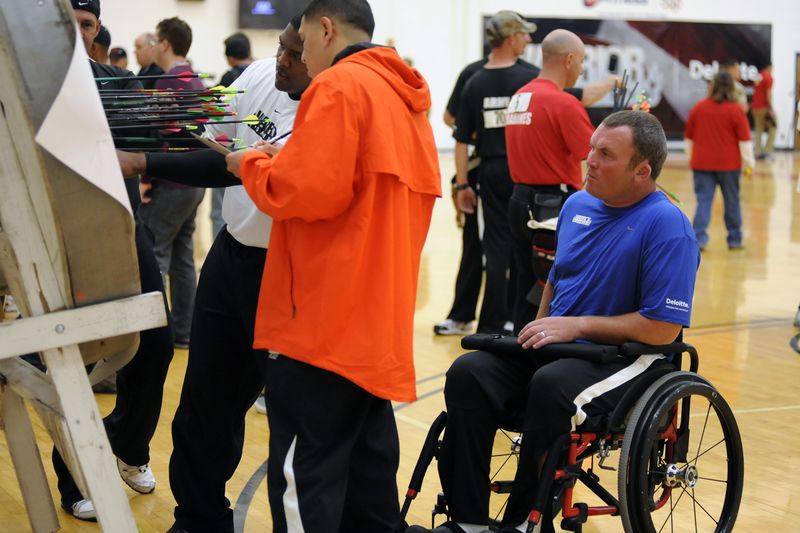
While Tlaxcala grabbed the spotlight, the para field was setting up at one of the sport’s most beloved venues. World Archery confirmed that the top Paralympic competitors are heading to Nové Město in Czechia for the next ranking event, a tune-up that carries real weight with the LA 2028 cycle already in motion. Para classes — W1, recurve open, and compound open — run their own equipment arms race that recreational shooters rarely see, from mouth tabs to mechanical release stands, and it is one of the more under-covered corners of competitive archery.
The recurve action this week is a good excuse to revisit how the elite shoot. Here are the recurve highlights from the most recent World Cup stage in Antalya, the last time this field met before the continental championships:
India’s Archery Premier League Lands a Second Season
Off the competition floor, the most interesting business news of the week came out of India. World Archery confirmed that the Archery Premier League — the sport’s only franchise-based pro circuit — returns for a second season October 8–18 in Hyderabad. Six teams with names like the Mighty Marathas and Rajputana Royals will field eight mixed-gender archers each, mixing 48 Indian and international shooters into a double round-robin.
The format has a wrinkle that should make every coach wince: a 15-second shot clock, five seconds tighter than standard World Archery timing. That single change turns a patient sport into a pressure cooker, and it is part of why the inaugural season was named Emerging Professional Sports Event of the Year at the 2025 India Sports Awards. Expect names like Deepika Kumari, Atanu Das, and reigning compound world champion Ojas Deotale on the line. For a country chasing its first Olympic archery medal, regular high-stakes reps against international talent is exactly the kind of development pipeline the United States and Korea have leaned on for years.
2026 Gear Watch: New Flagships Keep Arriving
The new-model season is still rolling, and the buying decisions are getting harder. Mathews’ ARC platform — the ARC 30 at roughly 348 fps and the ARC 34 built for stability — headlines the hunting side, while Hoyt countered with the Carbon RX-10, the aluminum Alpha AX-3, and a budget-friendly Enduro built around its new XTS tuning system that adjusts left/right and high/low without a bow press. PSE, meanwhile, is leaning hard into speed with the Sicario and the forgiving Mach 33.
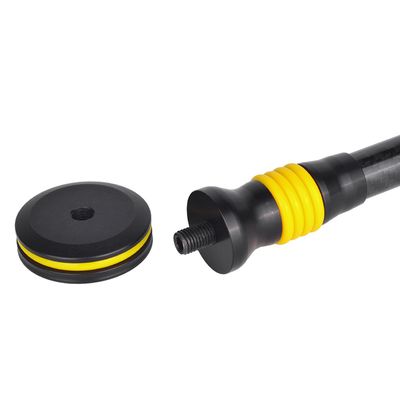
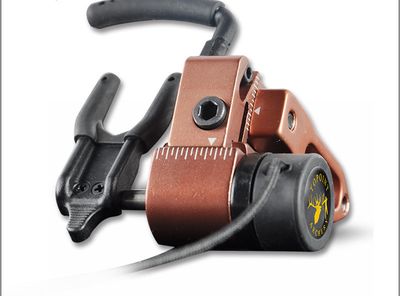
There is a quieter industry story worth tracking too: Bear Archery’s parent, Escalade, folded Gold Tip arrows and Bee Stinger stabilizers into its portfolio, consolidating arrows, stabilizers, and bows under one roof. For shooters, brand consolidation usually means tighter cross-compatibility and, eventually, fewer independent options at the component level. If you are dialing in a new rig this summer, a good stabilizer and a clean-launching rest do more for your groups than another 10 feet per second of bow speed.
None of this is cheap, which is the honest part most gear roundups skip. A flagship bow plus a sight, rest, stabilizer, and arrows clears $2,000 fast. If you are buying for hunting season rather than a podium, draw weight and fit matter far more than the badge on the riser — our guide to draw weight for deer hunting walks through where that money is actually well spent.
Looking Ahead
The circuit doesn’t slow down. The Madrid 2026 Hyundai Archery World Cup stage 4 runs July 7–12, the last full stage before the Saltillo final in September, and it will be the next time the Tlaxcala medalists test themselves against the European and Asian heavyweights. On the development side, USA Archery’s Para Talent ID survey closes June 30, and the WIAWIS JOAD Target Nationals head to Lincoln, Nebraska, in late July. If you are eyeing a first competitive bow before the fall indoor season, now is the window to get tuned.
One prediction before next Monday: watch Mexico’s compound women. They beat Colombia on home soil this week, and if that result holds in Madrid, the Lima 2027 podium picture changes in a hurry. We’ll have the full Madrid recap, plus whatever the gear world drops next, in the next Archery Weekly.
Sources
- World Archery — Lima 2027 Pan Am Games spots won as team competition wraps in Tlaxcala
- World Archery — Castellanos and Jones crowned Pan Am barebow champions
- World Archery — India’s Archery Premier League returns for its second season
- Olympics.com — Archery World Cup 2026 Antalya stage 3 results
- Archery Business — Bear Archery acquires Gold Tip and Bee Stinger
