Archery Blog
Bow Stabilizer Guide: Length, Weight & Side Rod Balance
Jun
A bow stabilizer is the quietest piece of equipment hanging off the riser, but it does more for accuracy than almost anything else you can bolt on. Drop a properly tuned rod onto a bare bow and the same archer suddenly holds steadier, pulls tighter groups, and reads each shot reaction with far less mystery. This stabilizer guide walks through what the rod actually does, how to choose length and weight, when to add a side rod, and how to tune the whole system so the pin floats instead of wandering.
The mistake most archers make is treating the stabilizer like a fashion accessory — pick a color, screw it in, forget about it. A tuned rod changes the moment of inertia of the bow, dampens vibration, and shifts the balance point so the bow falls predictably on release. Get those three jobs right and your shot process becomes repeatable. Get them wrong and you fight torque, hand shock, and a floating pin pattern on every arrow.
What a Stabilizer Actually Does
Three jobs, ranked by impact on accuracy. First, the rod increases moment of inertia — basically, it makes the bow harder to rotate around the grip. Hand torque becomes less destructive because the mass out front resists twisting. Second, the weight at the end of the rod shifts the bow’s balance point forward and slightly down, so after release the bow rotates predictably toward the target instead of jumping in your hand. Third, modern rods include rubber dampers and decouplers that absorb post-shot vibration before it reaches your bow arm.
None of this matters if your form is loose. A stabilizer rewards a stable platform and amplifies the rest of your setup. Archers chasing the next-longest rod when their anchor point is sliding around are buying speed without first building the engine.
Target vs. Hunting Stabilizer Setups
Target archers shoot from a known distance, in calm conditions, with no time pressure. They run long front rods — 27 to 33 inches is common for compound target — paired with a side rod and a back bar. Total system weight often pushes past four pounds. The goal is maximum stability at full draw, and there is no penalty for a bow that is slow to maneuver.
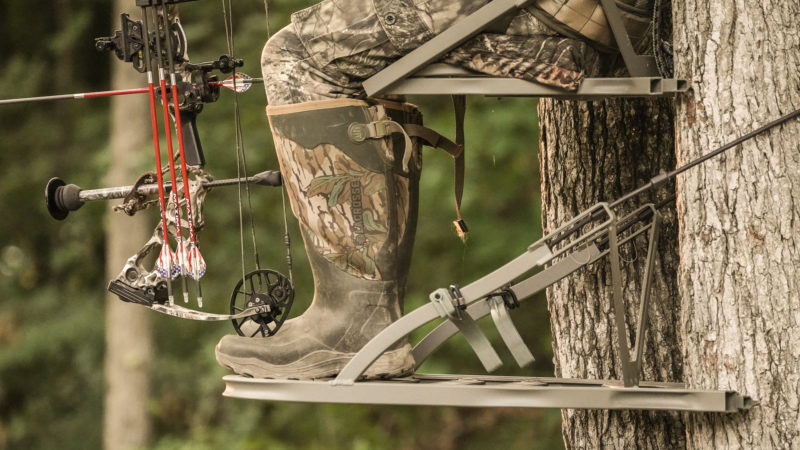
Bowhunters live with different constraints. A 30-inch rod catches every branch in a tight treestand, snags the climb rope, and prints on a deer’s vision when you swing for an angle. Most hunting stabilizers run 6 to 12 inches with a single weight cap and a heavy damper for noise suppression. The accuracy benefit is real but smaller; the bigger win is dead-quiet release and a bow that does not dive on the shot.
Choosing Length
Length is leverage. A 12-inch rod with a 4-ounce tip weight delivers a totally different feel than a 6-inch rod with 8 ounces, even though the static mass is identical. The longer rod gives you a higher moment of inertia, which translates to a steadier hold and a slower-moving pin float. The trade-off is maneuverability, weight on the bow arm during long holds, and crosswind susceptibility.
Hunting Length Guidelines
For treestand and ground blind hunting, 6 to 8 inches keeps the bow nimble in tight quarters. Spot-and-stalk hunters and Western bowhunters who shoot at longer distances often run 10 to 12 inches because the accuracy gain at 50 to 70 yards outweighs the bulk. If you find yourself shooting almost all your shots inside 30 yards, length above 10 inches is overkill and starts costing you in branch clearance.
Target Length Guidelines
Indoor target shooters running 18-meter rounds rarely need more than 24 to 28 inches up front. Outdoor target archers shooting 50 to 70 meters benefit from 28 to 33 inches because pin float at distance is heavily exaggerated. The longer the rod, the more the rod itself sees wind drag — pick a thinner, stiffer carbon profile if you shoot outdoor frequently.
Shop Bee Stinger Stabilizers on Amazon →
Weight: Where to Put It, How Much to Add
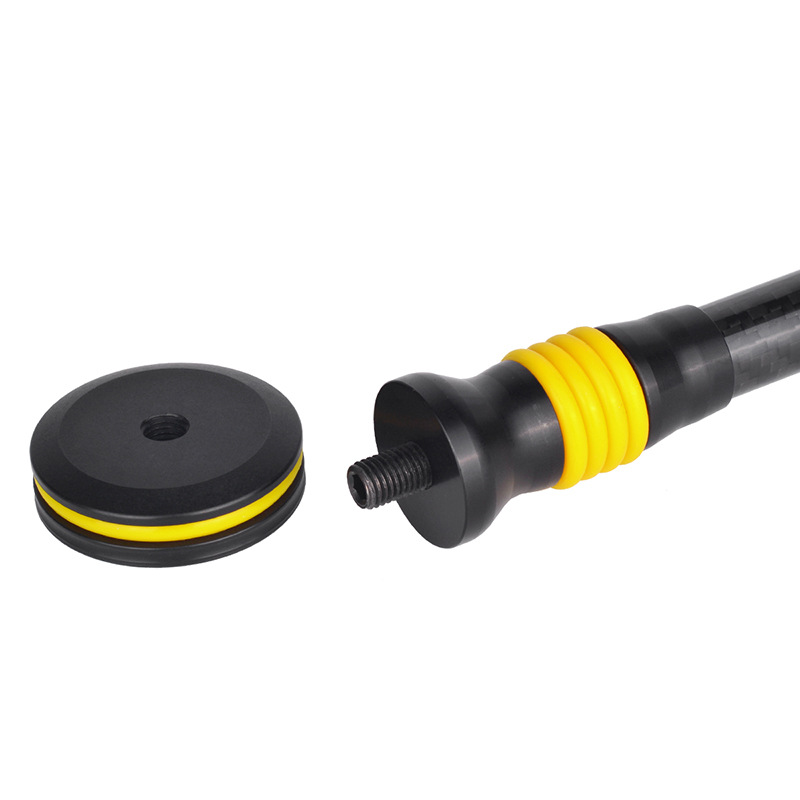
Weight goes at the end of the rod for a reason: that is where leverage maxes out. An ounce at the tip of a 12-inch rod adds far more steadying influence than two ounces stacked at the riser. Start light. Most archers under-weight rather than over-weight, but going straight to a maxed-out tip will leave your bow arm shaking before you finish a practice round.
A practical starting point for hunting: 2 to 4 ounces at the tip of an 8-inch rod. For target compound: 6 to 10 ounces at the tip of a 30-inch rod. From there, tune by feel. Add weight in one-ounce increments. The right amount is the most weight you can hold steady at full draw for the duration of a real shot sequence — about 7 to 10 seconds — without your pin float growing.
The Bubble Drift Test
If your sight has a level, draw on a target and hold for 10 seconds. Watch the bubble. If it drifts hard to one side, your bow is tipping that way — usually because of a torqued grip or an unbalanced side rod. Adjust your grip or rebalance side weight until the bubble stays centered through the hold. Repeat after every weight change. This single drill catches more setup problems than any other.
Side Rod and V-Bar Setups
A side rod counters the natural cant that a quiver and sight create on the right side of the bow for a right-handed archer. Add a quiver loaded with five broadhead arrows, a heavy sight with a lens, and the bow wants to tip right at full draw. A side rod mounted to a V-bar bracket and angled out and back balances that cant.
For hunters, a quick fix is a 6-inch side rod with 4 ounces angled 30 degrees off the back of the riser. Target compound shooters typically run 10 to 15 inch side rods with matched weight to the front rod, set at adjustable V-bar angles. Tune by drawing the bow with your eyes closed, settling into anchor, and opening your eyes — the pin should sit on or near the center of the target. If it consistently sits off-center, adjust the side rod angle or weight.
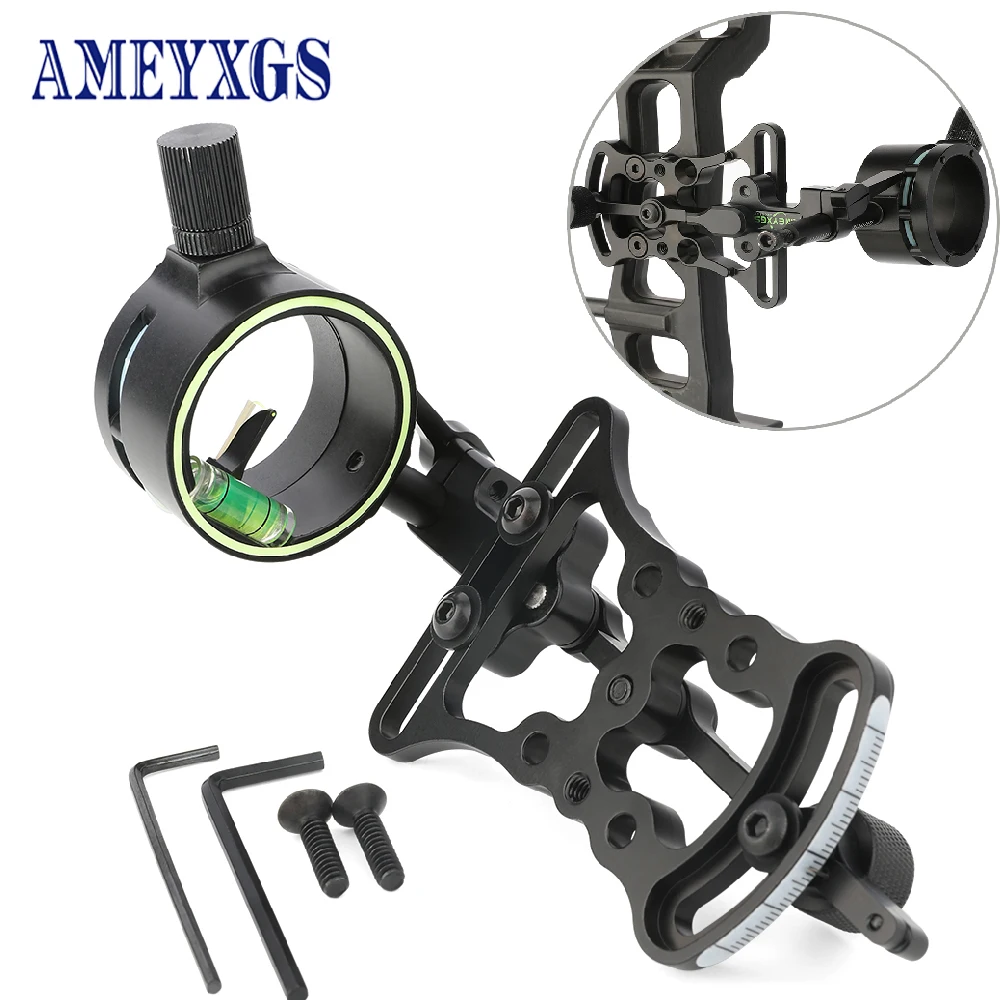
Shop Side Rod & V-Bar Kits on Amazon →
Reading the Shot Reaction
A correctly tuned stabilizer system tells you something the moment the arrow leaves: the bow falls forward and slightly down toward the target, with no rotation in your hand. If the bow jumps left, rotates clockwise, or rocks backward into your palm, the balance is wrong. Read the bow’s behavior shot to shot rather than guessing.
Bow falls left after release? Move weight to the right side rod, or add weight to the front rod. Bow rotates clockwise? You are torquing the grip — that is a form issue more than a rod issue, but a longer front rod will mask it temporarily. Bow rocks backward into your palm? Move some weight forward off the side rod and onto the front rod tip.
Common Stabilizer Mistakes
The worst stabilizer mistake is buying expensive carbon rods to fix a form problem. A stabilizer dampens but does not erase torque, anchor inconsistency, or a punched trigger. Spend the first month with a basic rod and weights while you sort out anchor, grip, and release execution. Then upgrade.
Second-worst mistake: ignoring the side rod. Right-handed archers routinely run 8 ounces on a 30-inch front rod and zero side weight, then wonder why their bow tips right on every shot. The quiver and sight create a real moment arm that has to be counterbalanced. If you carry a quiver on the bow, you need a side rod — there is no neutral position you can settle into without one.
Third mistake: changing too much at once. Add weight, shoot 30 arrows, then evaluate. Swap rods, shoot 30 arrows, then evaluate. If you change length, tip weight, and side rod simultaneously, you have no idea what actually worked.
Dampers and Vibration Control
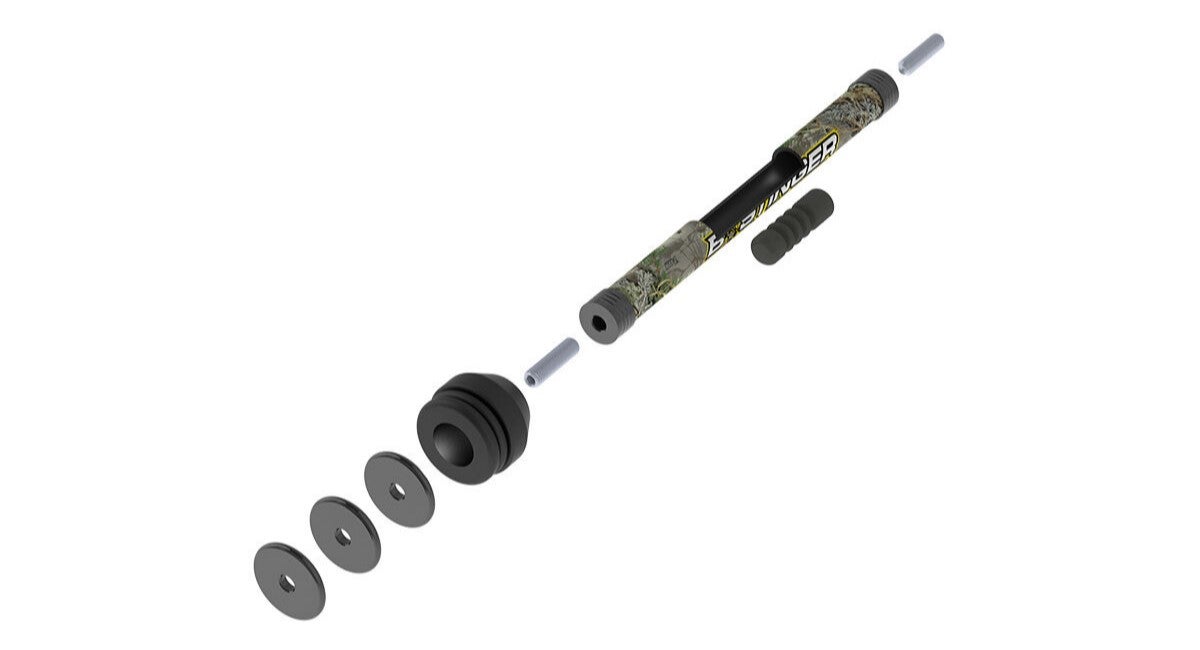
Modern stabilizer rods include rubber decouplers between the rod and the weight stack. These absorb the high-frequency vibration that travels down a carbon shaft after release and prevent it from reaching the bow arm. For target archers this is mostly about feel. For hunters it is about noise — a vibrating riser sounds like a metal twang to a whitetail’s ears, and the buck may jump the string at 20 yards because the vibration carries faster than the arrow.
If your bow rings on release, check that all damper components are snug. Loose end caps and weight stacks are the most common source of buzz. Tighten in stages — never crank an aluminum end cap onto a carbon rod or you will crush the threads.
Setting Up Your Rod for the First Time
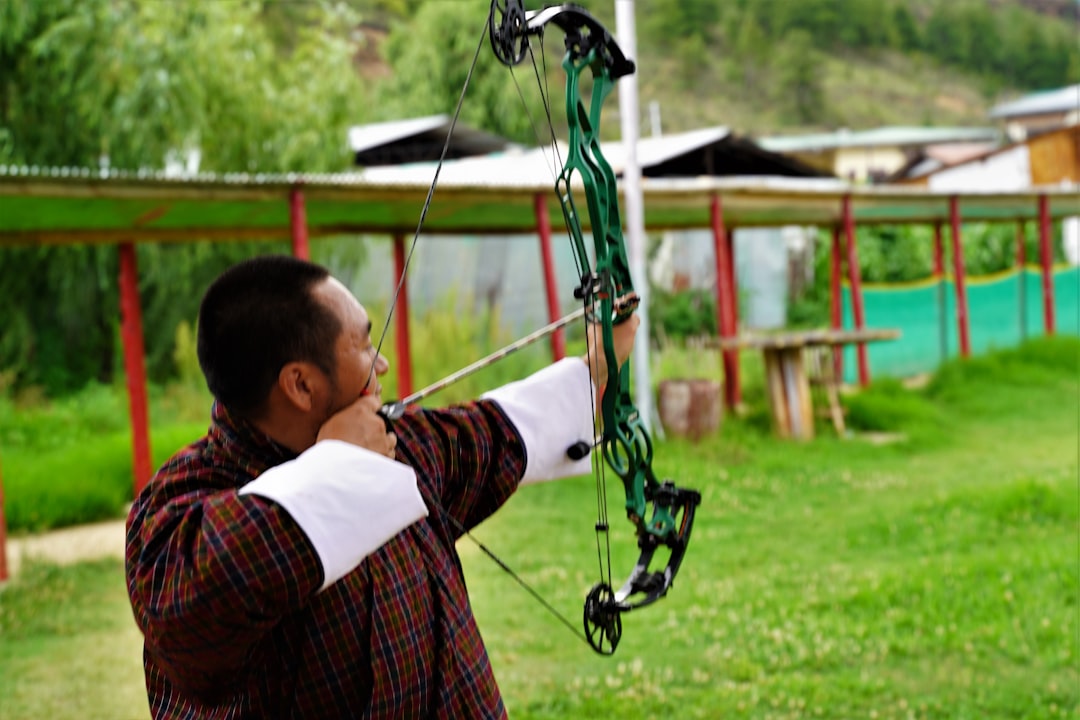
Start with a clean riser bushing — older bows accumulate grit in the stabilizer thread that creates an off-axis mount. Thread the rod hand-tight, then snug with a tool. Do not over-torque carbon. Add tip weight before sighting in, because changing weight changes balance and any zero you set will shift.
If you are adding a side rod, mount the V-bar bracket first and confirm the bow still sits level on a stand. Then thread the side rod and angle it 30 to 45 degrees out and slightly back. Add side weight to match the moment created by your quiver and sight — usually 4 to 6 ounces is the right starting point for a loaded hunting rig.
Shoot a hundred arrows before deciding the setup is wrong. The first 30 will feel weird because the balance has changed and your hand is correcting. Once your subconscious adapts, the steadier hold becomes the new baseline and the previous setup will feel sloppy by comparison.
Shop Hunting Bow Stabilizers on Amazon →
Recurve and Traditional Stabilizers
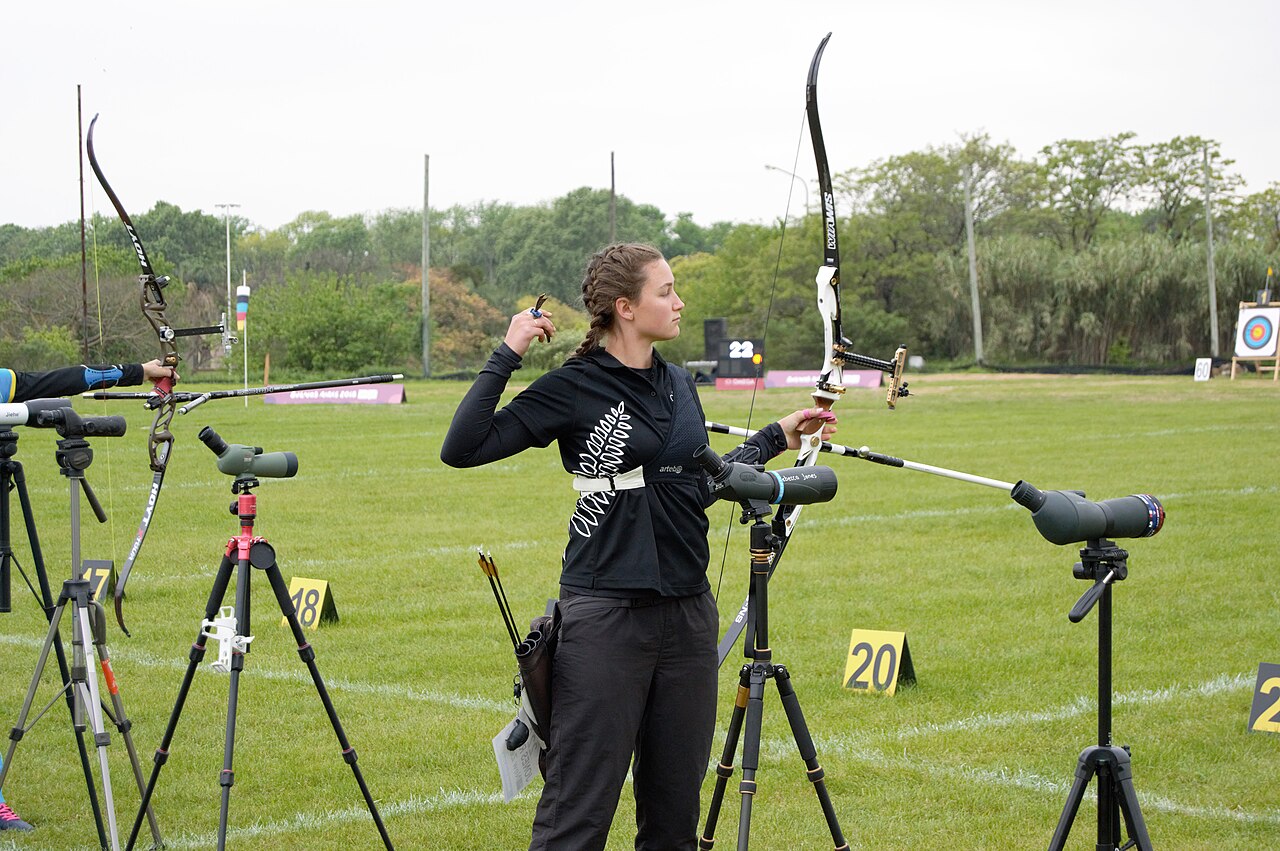
Olympic recurve archers run extended stabilizer systems that look like the target compound rigs above, with even longer front rods (30 to 36 inches) and dual side rods angled back. The setup theory is identical, just scaled up to handle a longer hold and tighter release tolerances. Recurve archers also use twin flex compensators between the rod and the riser to filter limb vibration.
Traditional and barebow archers generally avoid stabilizers entirely. Many barebow divisions ban them by rule, and traditional shooters argue the simpler the bow, the cleaner the shot process. If you shoot trad, focus on the basics of stance, grip, and anchor instead — there is no stabilizer to bail out a sloppy draw.
When to Upgrade and When to Wait
If your current rod is shorter than 8 inches and you shoot 3D or hunt at Western distances, length is the first upgrade. If you have an 8 to 12 inch rod with no side rod and you carry a quiver on the bow, the side rod is the highest-impact addition you can make. If you already have length and a side rod, the next gain is in upgraded dampers and a precision weight stack — but those are diminishing-return purchases compared to length and balance fixes.
The honest truth about stabilizers: a high-end carbon rod and a budget aluminum rod will both make your bow more accurate than no rod at all, and the gap between them is smaller than the gap between an unstable archer and a tuned shot process. Get your form right, set up the rod properly, and the equipment difference matters far less than the time you put in at full draw.
Sources
For further reading on stabilizer physics, balance tuning, and competition setups:
- World Archery — international federation, equipment rules and competition standards
- USA Archery — coaching resources and tournament setup references
- Stabilizer (archery) — Wikipedia — overview of stabilizer types and physics
- Bee Stinger — manufacturer technical guides for compound stabilizer systems
