
Archery Blog
Eye Dominance in Archery: 5 Tests + Cross-Dominant Fix
May
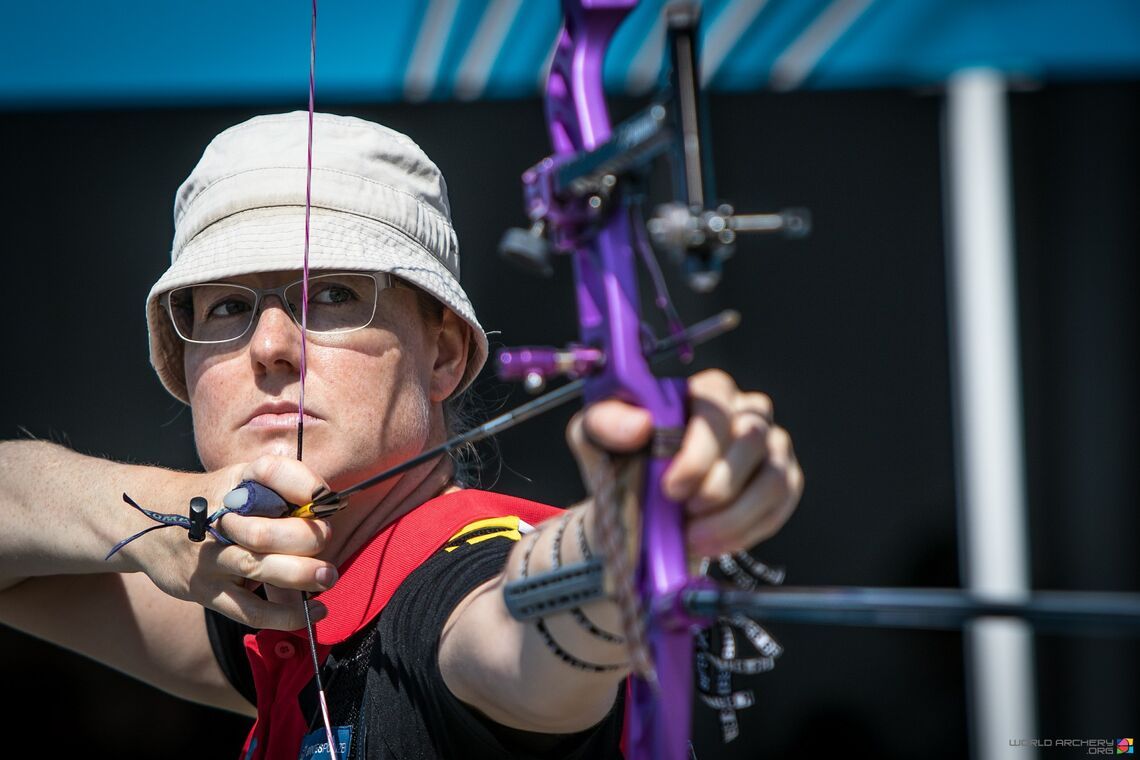
Eye dominance in archery decides which side of your face the bow ends up on, and roughly one archer in four has a dominant eye on the opposite side from their dominant hand. That single mismatch — called cross-dominance — is the hidden reason a beginner can hold textbook form, anchor cleanly, release without flinching, and still watch arrow after arrow drift to one side of the target. Sort the eye question first, and most of what feels like “bad shooting” stops happening.
The short version: shoot from the side of your dominant eye, not your dominant hand. If those don’t match, you have two real options — switch sides and learn to draw with your weaker hand, or keep your current side and force the off eye to step back during aiming. Both work. Most adults pick the second. The rest of this guide walks through how to test for dominance, how to recognise cross-dominance, and which fix is realistic for your goals.
What Eye Dominance Actually Means for Archers
Your brain prefers one eye for fine spatial work, the same way it prefers one hand for writing. That preferred eye — called the ocular dominant or “sighting” eye — is the one your visual system trusts when two slightly different images compete for attention. In archery, the two competing images are the target and the bow sight (or arrow tip, for instinctive shooters). When the dominant eye is behind the string, the picture lines up cleanly. When the off eye sneaks in, the picture splits and the arrow goes where the off eye was pointing.
About 70 percent of people are right-eye dominant and around 90 percent are right-handed, according to data summarised by Legend Archery. The gap leaves a meaningful slice of the population — somewhere between 20 and 26 percent depending on the study — with a dominant eye on the opposite side of their dominant hand. Archery 360 cites a 74/26 split in its piece on choosing handedness. Either way, cross-dominance is common enough that every coach sees it weekly.
5 Quick Tests to Find Your Dominant Eye
Test yourself with at least two methods before you trust the answer. Eye dominance can shift slightly depending on distance, fatigue, and even how recently you slept — a single test in a hurry can mislead you. Run two or three of these and look for the consistent answer.
- The Miles test (triangle). Extend both arms, overlap your hands to form a small triangle, and frame a distant object through it with both eyes open. Close your left eye. If the object stays inside the triangle, your right eye is dominant. Close your right eye next. The eye that keeps the object framed is your dominant eye.
- The pointing test. Stand a few metres from a doorknob or light switch. With both eyes open, point at it with your index finger. Now close your left eye. If your finger is still on the target, you are right-eye dominant. If your finger jumps off, your left eye is dominant.
- The draw-in test. Form the triangle again with your hands, focus on the target, then slowly bring your hands toward your face without losing the target. Your hands will naturally migrate toward your dominant eye.
- The tube test. Roll up a sheet of paper into a tube. With both eyes open, raise it like a telescope and look at a distant object. The eye you instinctively bring the tube to is your dominant eye.
- The card-with-hole test. Cut a coin-sized hole in a piece of card. Hold it at arm’s length with both eyes open and centre an object through the hole. Slowly bring the card to your face. It will end up against your dominant eye.
What Cross-Dominance Means and Why It Wrecks Accuracy
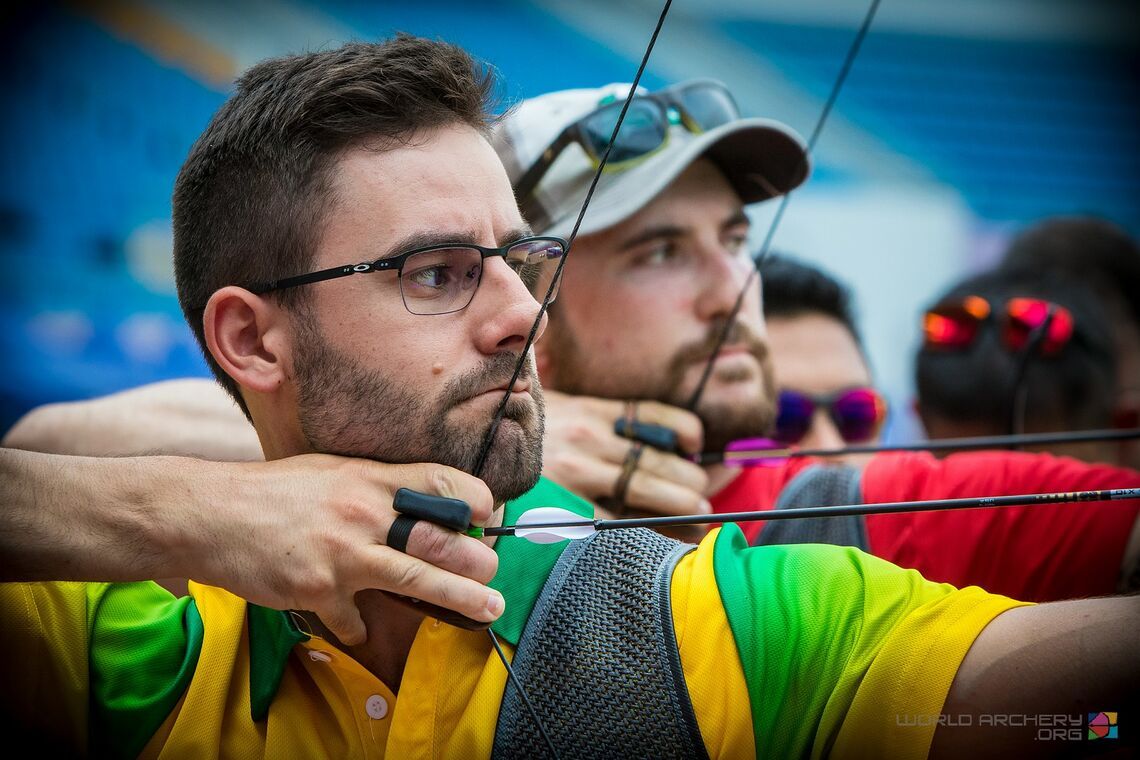
Cross-dominance is what coaches call the right-handed-but-left-eye-dominant archer (or vice versa). The problem shows up the moment you draw a sighted bow. With the bow held on your dominant-hand side, the dominant eye sits behind the string rather than the sight. Your brain, doing its job, ignores the obstructed view from the “wrong” eye and silently hands aiming over to the off-side dominant eye. You see one clean picture — but the picture you trust is being assembled by an eye that isn’t aligned with your arrow.
That mismatch is what creates the classic cross-dominant pattern: tight groups that land six or eight inches off to one side, no matter how cleanly you release. The drift looks like form, but it’s geometry. Until the dominant eye is either behind the sight or actively blocked, the arrow will keep tracking to the dominant-eye side.
The truth most beginners don’t want to hear: a slightly weaker dominance is easier to work with than a strong one. If the pointing test gives you ambiguous results — your finger moves a little either way — you can usually just close the off eye and shoot fine. If your finger jumps clean off the target when you close your dominant eye, your brain is wired hard. That archer needs a deliberate fix, not a workaround they hope will sort itself out.
Should You Switch Sides or Train the Off Eye?
This is the single biggest decision a cross-dominant archer makes, and it depends almost entirely on age, goal, and how much practice time is realistic.
If you are coaching a child under twelve who is brand new to archery, switch sides. There is no muscle memory to overwrite, and shooting from the dominant-eye side gives them a clean lifetime setup. Kids who get switched early rarely remember it was ever a problem. If you are training an adult who has already shot for a season or two and likes the sport, switching is brutal — every reflex you’ve built is on the wrong side, and most adults quit during the rebuild rather than push through it.
The elite case study most coaches reference is Darrin Christenberry, who switched from right-handed to left-handed shooting as an adult after an injury forced his hand. He went on to win national titles from the new side, which proves the switch is physically possible. It also proves it takes years and a level of obsession most recreational archers don’t have. For everyone else, the off-eye workarounds below are the realistic path.
Closing the Off Eye — The Simple Fix
The most common solution is also the cheapest: close the non-shooting eye during the aiming portion of the shot. It costs nothing, requires no gear, and forces the correct eye to take over instantly. Most cross-dominant hunters and target archers shoot this way for years without issue.
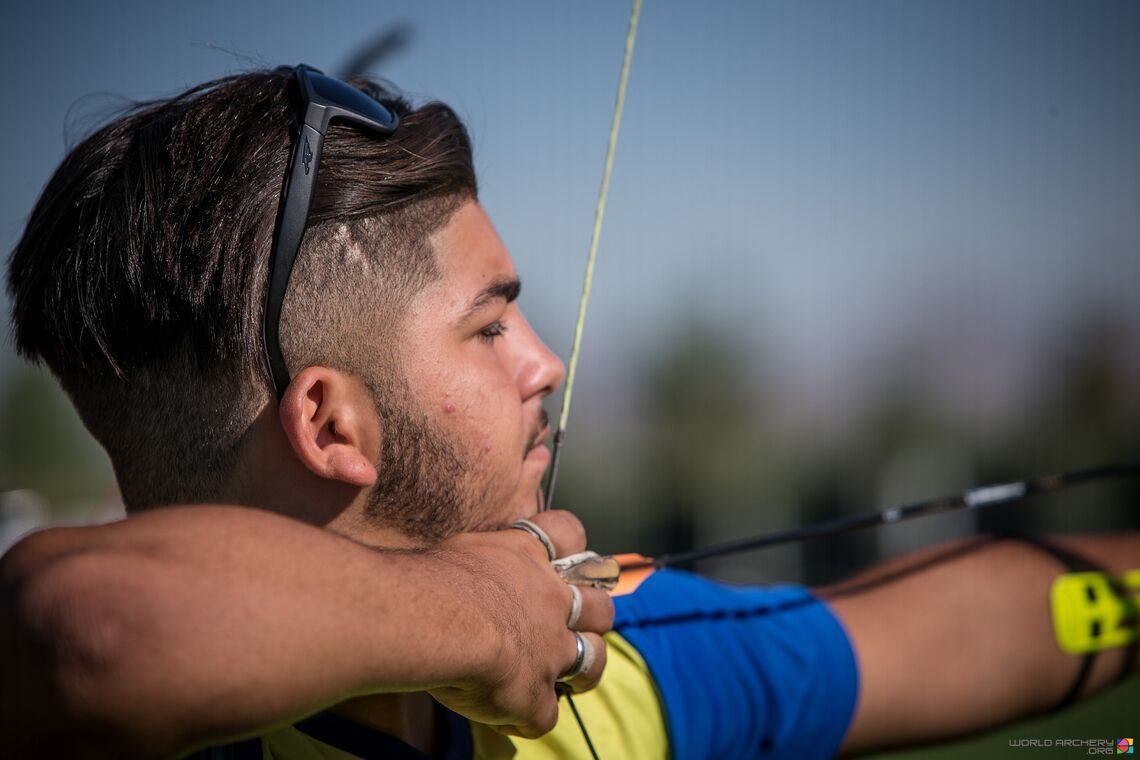
The trade-off is real. Closing one eye drops your light-gathering ability by roughly half, which matters in low light at dawn and dusk — exactly when most deer move. Holding one eye shut also creates micro-tension in the facial muscles around the orbit, and that tension can creep into the release if you’re not aware of it. The fix is to delay the close until the very last second of the aim, then squint rather than clamp the eyelid down. Open both eyes again the instant the arrow leaves.
Some archers find a soft squint works better than a full close. Both eyes stay technically open, but the off eye is throttled enough that the brain prioritises the shooting eye. It takes practice to land in the right spot — too soft and the off eye still steals the picture, too hard and you’ve reinvented the close.
Eye Patches and Sight Blinders for Cross-Dominant Archers
If closing the off eye gives you facial tension or trouble in low light, two pieces of gear solve the same problem without forcing an eyelid shut.
The first is an eye patch. A small adhesive patch — the same style used after eye surgery — sticks to the lens of your shooting glasses over the off eye. The eye stays open and rested behind the patch, but it can’t see the sight picture, so it can’t compete. Patches are cheap, almost invisible to anyone watching you shoot, and easy to remove between ends.
The second is a sight blinder, sometimes called a side blocker. Nock On Archery’s John Dudley recommends a small black plastic card, roughly one inch by two, clipped to the brim of a hat in front of the off eye. It blocks the off eye from seeing the sight aperture but leaves peripheral vision intact for hunting. Both eyes stay open, light gathering stays full, and there is no facial tension. For bowhunters in particular this is the cleanest solution.
A few archers also use frosted contact lenses or a small piece of frosted tape on their glasses to fog the off eye just enough to disqualify it from aiming. It works, but contact lens fitting is a medical step rather than a gear step, so most stick with the patch or blinder.
Eye Dominance in Compound vs Recurve Archery
Compound and recurve both reward correct eye alignment, but the consequences of getting it wrong look slightly different on each bow.
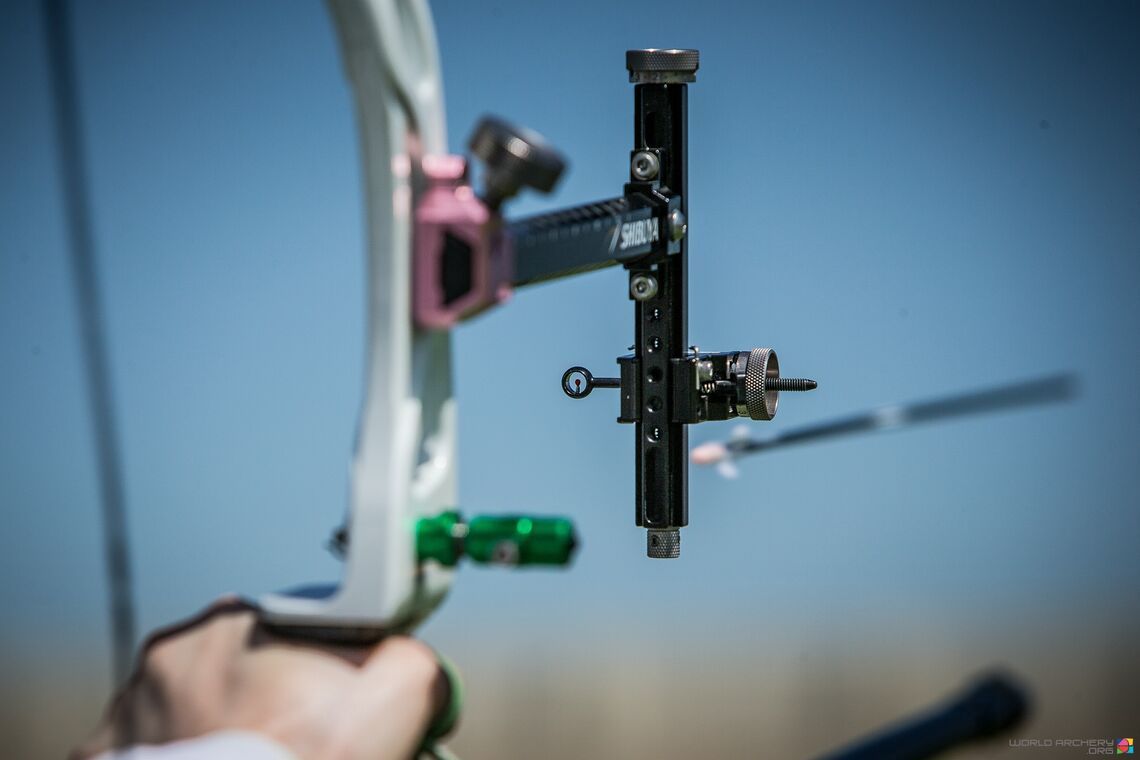
Compound archers shoot through a peep sight set into the bowstring. The peep enforces alignment — if your dominant eye isn’t behind the peep, you literally can’t see the sight pin. That sounds like the eye question solves itself, but cross-dominant compound archers often end up canting the bow or twisting the neck to force the peep over to the off eye. Both habits destroy consistency. If you’re a cross-dominant compound shooter struggling with bow torque, the cause is upstream of your grip — your dominant eye is dragging your head to the wrong side. Fix the eye and the grip usually settles.
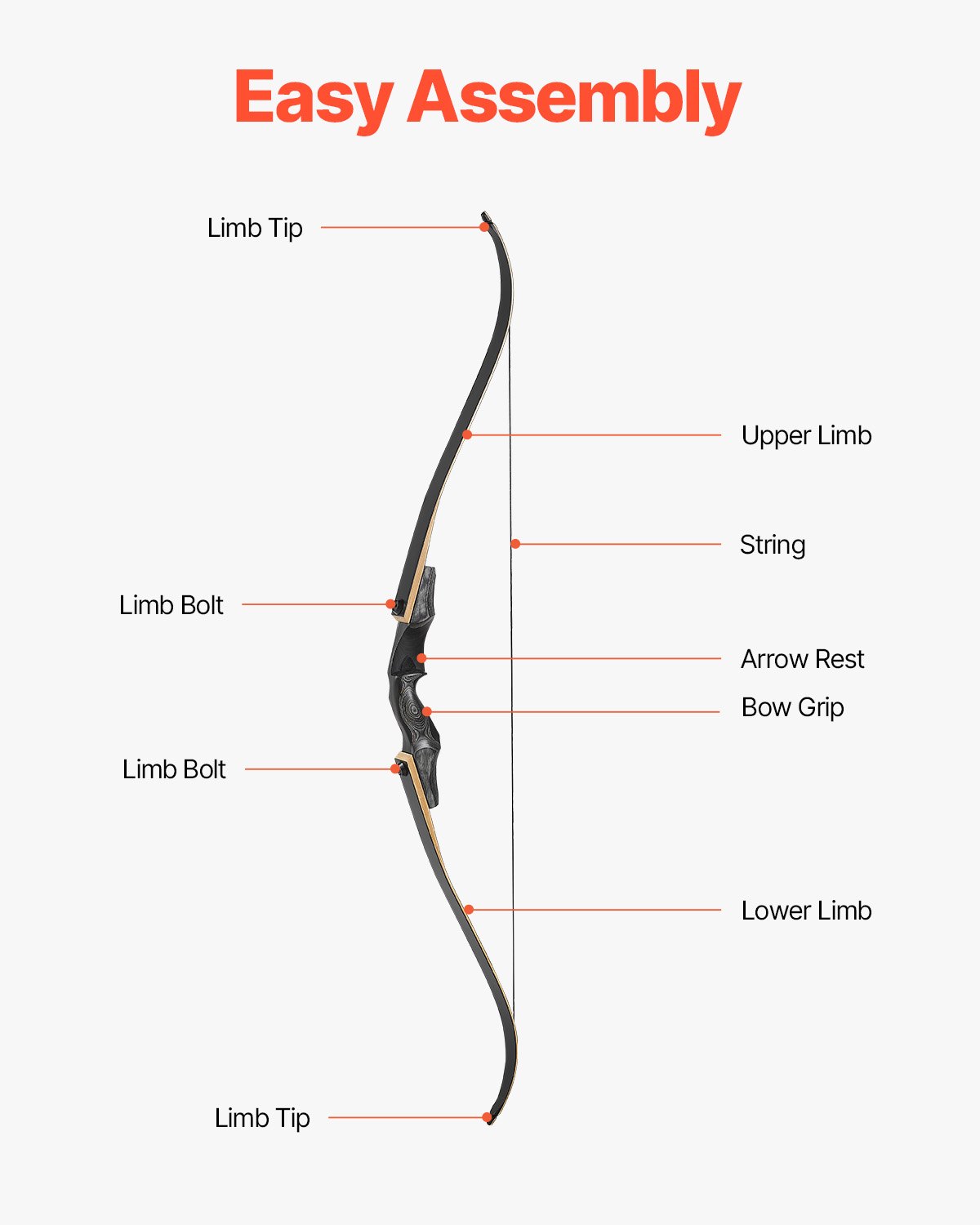
Recurve and barebow are less forgiving because there is no peep to enforce alignment. The archer manually anchors the string under the chin or to the corner of the mouth, then trusts the dominant eye to read the sight or arrow tip. A cross-dominant recurve shooter who doesn’t address the off eye will get clean misses every time — and because there’s no peep error to flag it, they often blame the sight, the arrow spine, or the form long before they suspect the eye. Before changing anything else on a recurve, run the dominance tests above. If you want a tuned baseline to test from, our recurve bow beginner setup guide covers the form fundamentals to rule out before chasing equipment.
Eye Dominance for Bowhunting — Real-World Considerations
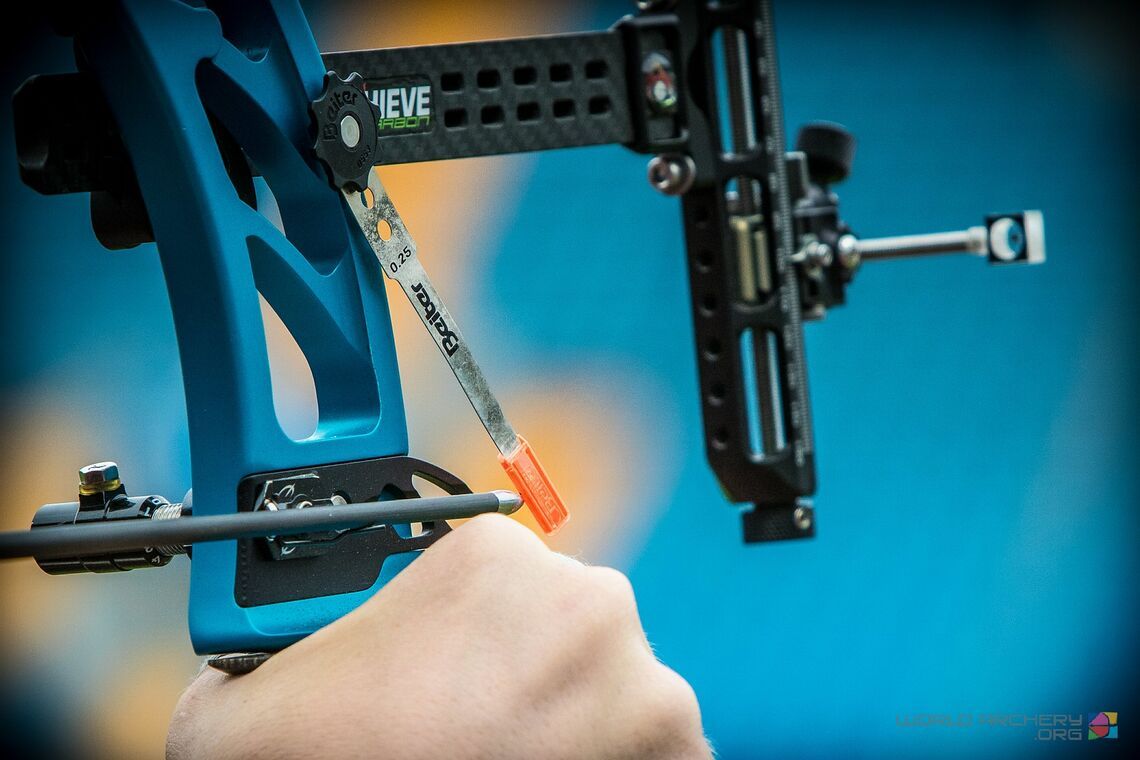
Hunting amplifies every eye dominance problem you have on the range. Light gets worse. The shot window opens and closes in seconds. The target moves. And the cost of a poorly aimed arrow is an animal that runs off wounded rather than a hole in foam.
The two issues that matter most in the woods are low-light performance and peripheral awareness. Both push hunters toward the blinder solution over the close-the-eye solution. A blinder lets both eyes work in the failing light of last legal shooting time, and it keeps peripheral vision available so you can track a quartering buck without losing the sight picture. Closing one eye in low light cuts your contrast against the brush at exactly the wrong moment.
One more practical note for treestand archers: angle changes from elevation can shift apparent eye dominance for some shooters. If your range groups are tight from a flat platform but open up the moment you climb 18 feet, run the dominance tests again from the stand. A few archers report a soft dominance reversal at steep down-angles, which is the kind of detail you only catch when you go looking for it.
Common Mistakes Archers Make Around Eye Dominance
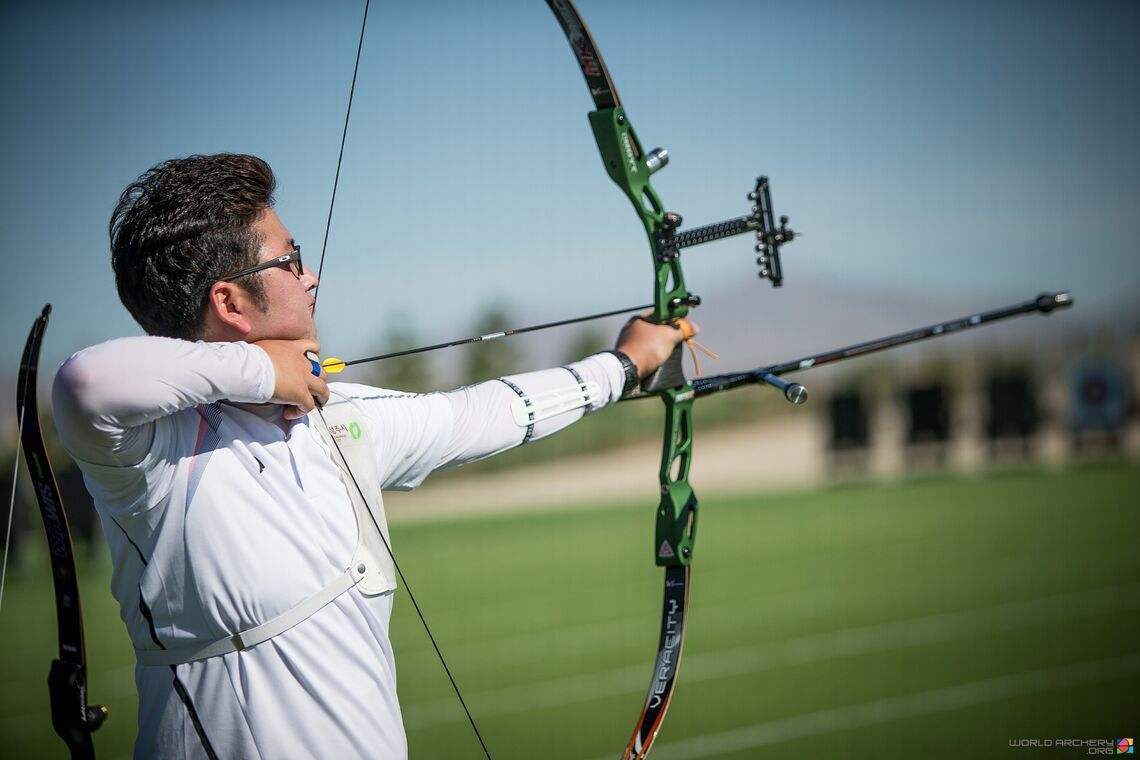
A surprising number of archers test once, get an answer, and never check again. Eye dominance is mostly stable across a lifetime, but it can drift after eye surgery, with progressive lens prescriptions, or after a head injury. A retest every couple of seasons is cheap insurance.
The second mistake is assuming a strong dominant hand implies a matching dominant eye. The hand-to-eye correlation is only about 70 to 80 percent — close to a coin flip for the remaining one in four or five archers. Always test the eye separately from the hand.
The third mistake is buying gear before sorting the eye. A new beginner who buys a right-handed bow because they’re right-handed, then discovers a hard left-eye dominance, has to either return the bow, swap it for a left-handed model, or commit to a workaround they didn’t choose. Spend ten minutes testing before you spend three hundred dollars on a kit.
The fourth mistake is treating cross-dominance as a flaw to hide. It is not — some of the best bowhunters in the country are cross-dominant and shoot with a patch or a closed eye. The flaw is letting the mismatch stay invisible and blaming everything else.
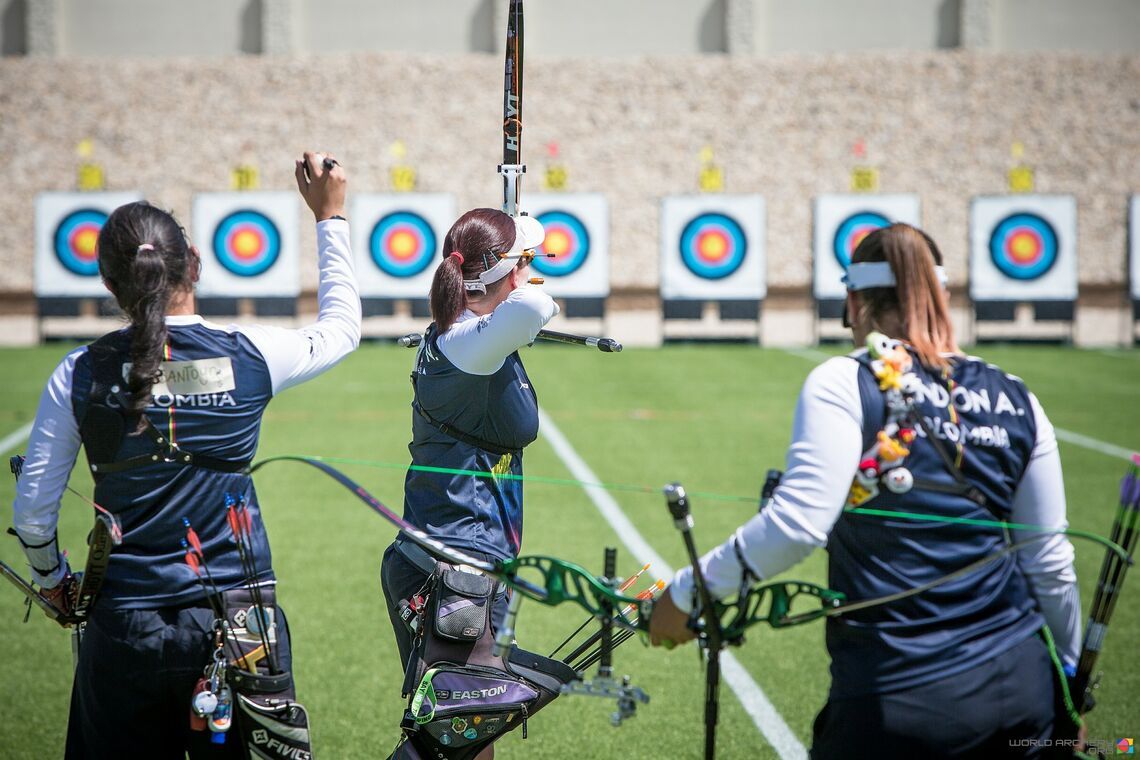
Watch: The Eye Dominance Test in Under Two Minutes
Lancaster Archery Supply walks through the pointing test on video. Worth the watch if you’d rather see the test done than read it.
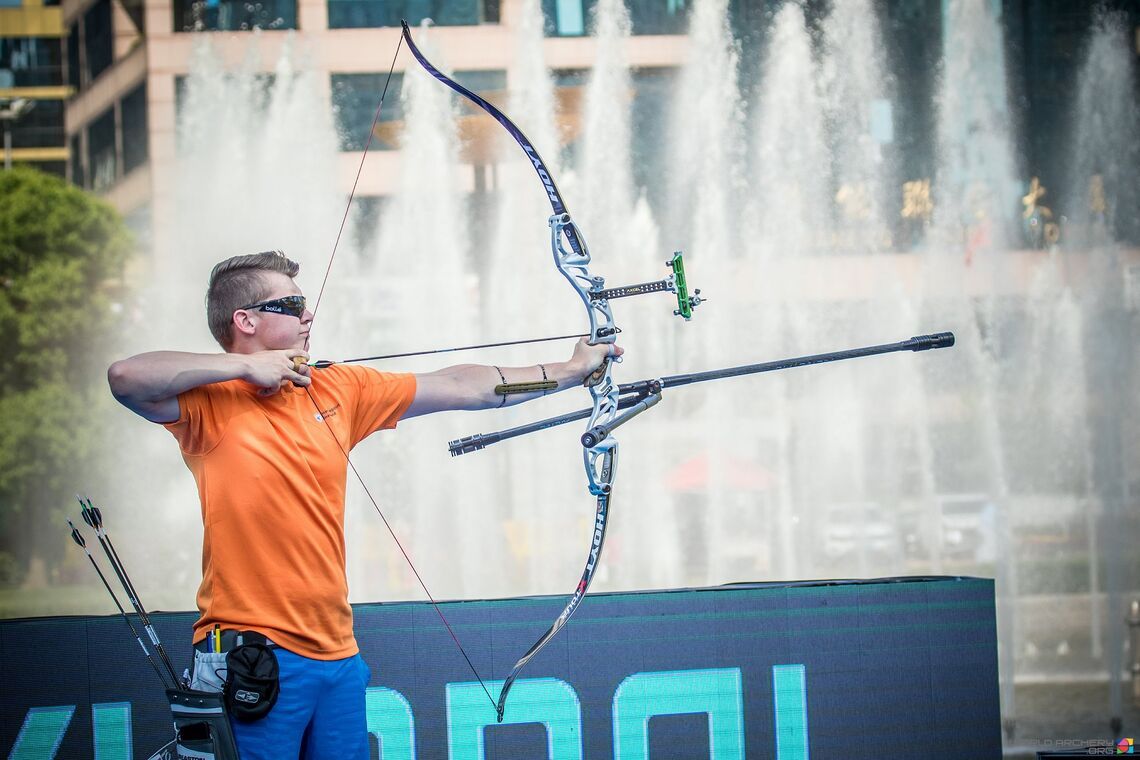
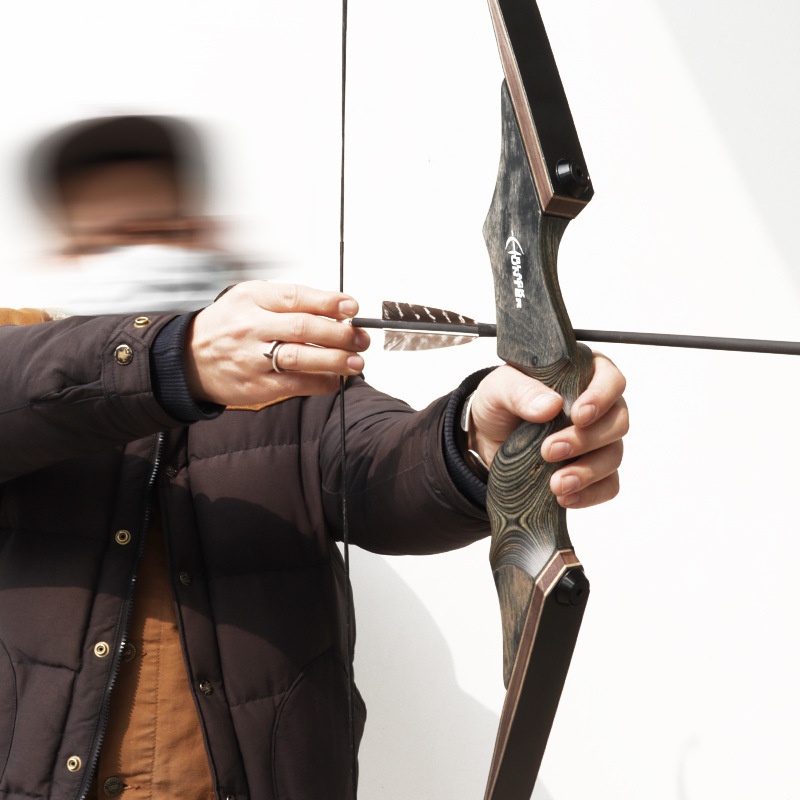
Test your dominance today, pick the side that matches your eye, and shoot from there. For tuning what happens after the bow is in your hands, our archery anchor point guide and the bow sight adjustment walkthrough are the next two pieces to read — together they cover what to do once the eye question is answered and the arrow is finally going where you’re looking.
Sources
- Legend Archery — Eye Dominance And Its Importance To Archery — Statistics on right-eye dominance prevalence and three-method overview.
- Archery 360 — Archer’s Choice: Go Left or Right? — Cited 74/26 split between matched and cross-dominant individuals, plus Darrin Christenberry case study.
- Nock On Archery (John Dudley) — Eye Dominance with a Right Handed Bow — Three-technique comparison and blinder recommendation for bowhunters.
- Bowhunter Magazine — Eye Dominance: Are You Shooting the Right Way? — Neural basis for dominant eye precision and bowhunting context.
- Lancaster Archery Supply — Simple Test for Eye Dominance — Demonstrated pointing test methodology.
Browse archery bows, arrows, and accessories at the Archery Supplier shop →
Shop on Amazon
Archery Equipment on Amazon →
As an Amazon Associate we earn from qualifying purchases.
