
Archery Blog
How to Remove Arrows From a Target: 5 Easy Steps
Jul
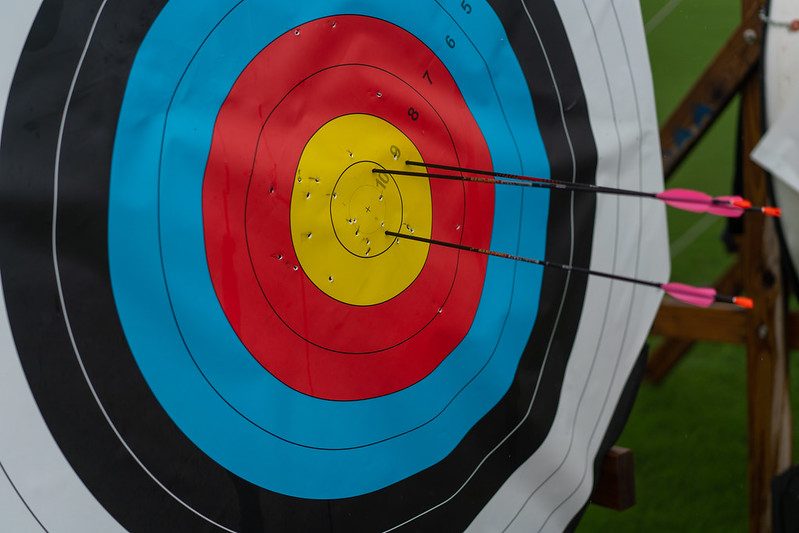
A brand-new carbon arrow costs $12 to $18, and the fastest way to ruin one isn’t a bad shot — it’s a bad pull. Foam targets grip carbon shafts hard, and beginners who lean their whole body weight into a stuck arrow end up with a bent shaft, a cracked nock, or a splinter in the palm. Learning how to remove arrows from a target the right way protects both your gear and your hands, and it takes about thirty seconds to get right.
Why Arrows Get Stuck in the First Place
Friction and heat are the real culprits. When an arrow buries into dense foam at 250-plus feet per second, the shaft generates enough heat that the foam briefly softens and grips the surface as it cools. Carbon arrows make this worse than aluminum because carbon holds heat, and a thin, slick shaft gives the foam more surface area to clamp onto. The denser the target and the deeper the penetration, the harder the pull.
Target material changes everything about the pull. A layered foam block or a self-healing 3D target squeezes the whole length of the shaft. A woven straw butt grabs mostly at the entry point. Knowing what you shot into tells you how much resistance to expect before you ever touch the arrow.

How to Remove Arrows From a Target: Step by Step
The technique matters more than strength. Here is the sequence that works on almost every target you’ll shoot into:
- Stand to the side, not behind. Position your body so that if the arrow releases suddenly, the nock end swings past you, not into you. Check that no one is standing directly behind the shaft.
- Grip low on the shaft. Wrap your fingers around the arrow as close to the target face as possible. Gripping near the fletching puts a bending load on the shaft in the worst way — it flexes the arrow and warps it.
- Brace your free hand. Place your open palm flat against the target face, on the opposite side of the arrow from your body.
- Twist and pull straight. Give the shaft a slow quarter-turn to break the foam’s seal, then draw it straight out along the line it entered. Pull with one hand so you don’t overbalance if it lets go fast.
- Ease off if it fights you. If the shaft won’t budge, stop pulling harder. Twist a little more, reach for a puller, or apply lube. Brute force is what breaks arrows.
Do this a few dozen times and it becomes muscle memory. The single biggest mistake I see on the line is beginners grabbing high and rocking the arrow up and down like a lever — that motion bends more carbon shafts than any bad release ever will.
The Best Tools for Pulling Arrows
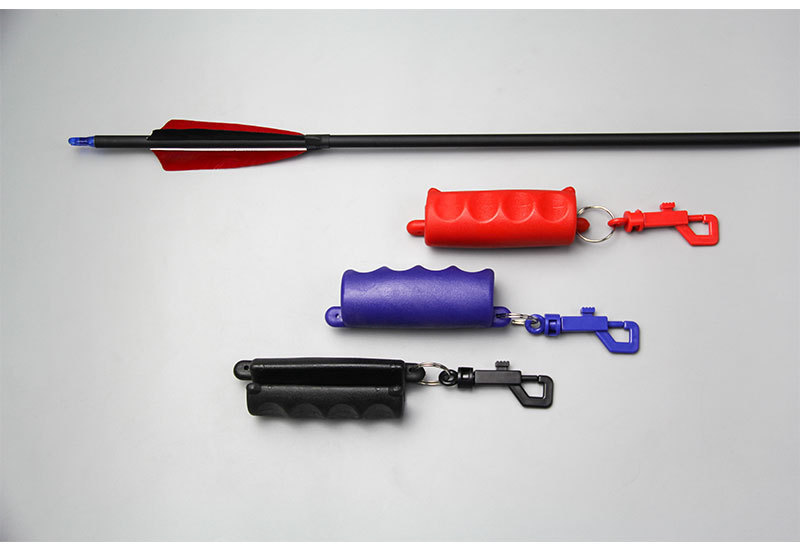
You can pull most arrows bare-handed, but two cheap accessories turn a fight into a non-event. A rubber arrow puller is a soft grip that wraps the shaft and multiplies your grip without crushing the carbon. It also saves your skin — dragging a sweaty hand off a slick shaft is how you get friction burns and blisters. For a few dollars, it’s the best-value item in a beginner’s kit.
The second is arrow lube or arrow pull wax. You rub a thin film onto the front half of the shaft before shooting, and it stops the foam from bonding to the carbon. Bar soap rubbed on the shaft works in a pinch. Neither tool replaces good technique, but together they make removing arrows from a stubborn target almost effortless.
Removing Arrows From Foam and 3D Targets
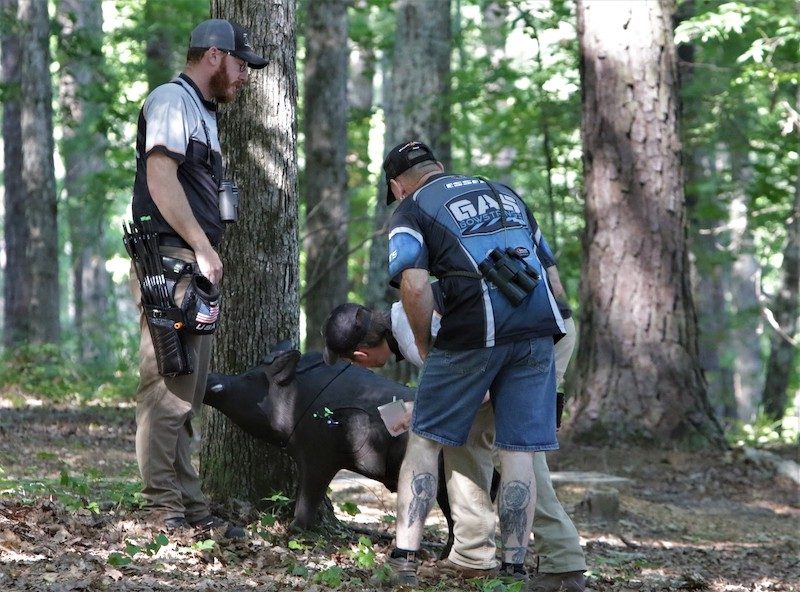
Foam is where arrows get truly buried. Layered foam blocks and self-healing 3D animals are built to stop broadheads and field points, so they grip hard by design. The fix is a firmer twist and a slower pull — rushing a foam pull is what strips fletching and pulls points off the shaft.
If a field point unscrews and stays buried in the foam, don’t dig at it with pliers and risk tearing the target. Push a second arrow or a thin rod through from the back if the target allows, or grip the exposed point with a multi-tool and back it out with the same twist-and-pull motion. Self-healing foam closes over the entry hole, so a lost point can hide — mark where it went in before you start. If you’re still choosing a target, our comparison of EVA foam versus straw targets covers which materials pull easiest.
Getting Arrows Out of Bag, Straw, and Wooden Targets
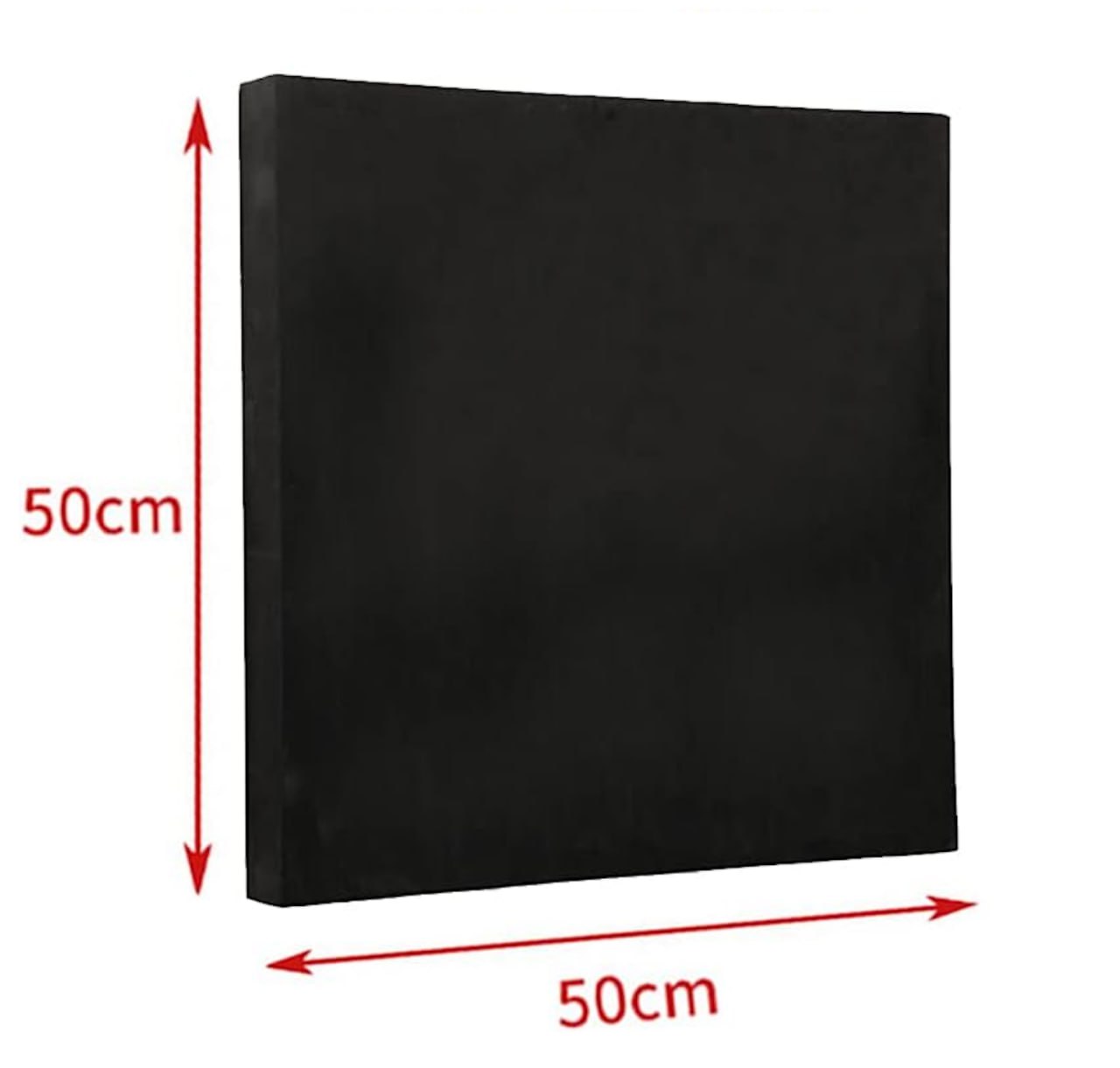
Bag targets are the easiest surface of all — the loose fill grips the front of the shaft and lets go with a straight, gentle pull, usually no twist needed. Woven straw butts sit in the middle: they hold at the entry point, so a light twist breaks them free. The one target that punishes carelessness is wood. If an arrow drives into a wooden stand or a stray tree branch, never wrench it. Wiggle it side to side in small movements to open the hole, and if the point is threaded, grip the shaft and turn counterclockwise to unscrew the point rather than snapping the arrow off.
Whatever the surface, the rule holds: grip low, pull along the entry line, and let the twist do the work. For a full breakdown of how each surface behaves, see our guide to archery target types, sizes, and materials.

Safety Rules for Pulling Arrows
A stuck arrow that releases under load is a small missile. The nock end can travel with real force, and archers have been jabbed in the face and neck by their own shafts. Three habits keep you safe: never stand directly behind an arrow you’re pulling, always know where your body will go if it lets go suddenly, and pull with one hand so you keep your balance. On a busy range, call out before you step to the target line and wait until everyone has finished shooting.
Broadheads deserve extra caution. Their blades are exposed at the target face, and a hand slipping off a broadhead-tipped arrow finds those edges fast. Grip well behind the head, wear a glove if you’re pulling a lot of them, and keep your free hand clear of the blade’s path.

How to Stop Arrows From Sticking So Hard
The easiest arrow to pull is the one that never bonded to the target. A thin coat of arrow lube on the forward half of the shaft before each session is the highest-return habit you can build — it cuts pull force dramatically on foam. Rotating your aim helps too. Stacking every shot into the same spot turns the center of a target into a compacted, arrow-eating pit, so spread your groups across the face to keep the foam intact and the pulls easy.
Target condition also matters. A worn-out block with a hollowed center grips shafts unpredictably and stops arrows short, which means deeper burial and harder pulls. When the middle of your target looks chewed through, it’s time to rotate or replace it. Setting up a fresh, well-placed target from the start pays off — our backyard archery range setup guide walks through positioning and backstops.
Mistakes That Bend or Break Arrows
Most damaged arrows die during removal, not flight. The worst offenders are levering the shaft up and down to work it loose, gripping high near the fletching where the arrow flexes most, and pulling with two hands and full body weight until the shaft snaps or you fall backward. Twisting a carbon shaft too aggressively when it’s already stressed can also cause hidden fractures — if a carbon arrow ever creaks or feels notchy, flex-test it and retire it, because a splintered carbon shaft can shatter on release. Aluminum shafts forgive more but bend permanently if you crank them sideways. Pull straight, pull calm, and your arrows outlast the target.
Removing arrows cleanly is one of those quiet skills that separates people who keep their gear for years from people who replace a dozen shafts a season. Master the grip-low, twist, pull-straight motion, keep a rubber puller and a stub of lube in your kit, and match your effort to the target material. Do that and pulling arrows stops being a chore and goes back to being the two-second pause between ends. Ready to shoot more and fight your target less? Browse our full range of arrow pullers and range accessories and give your shafts an easier life.
Frequently Asked Questions
Should you twist an arrow to get it out of a target? Yes — a slow quarter-turn breaks the seal between the foam and the shaft and is the single most useful trick for a stuck arrow. Keep the twist gentle on carbon shafts, since aggressive twisting on an already-stressed arrow can start a hidden crack.
Why do my arrows sink so deep into the target? Deep penetration usually means the target is too soft, worn out in the center, or rated for a lighter draw weight than you’re shooting. A denser or fresh target stops arrows sooner, which makes them far easier to pull.
Do I really need an arrow puller? Not to shoot, but it’s the cheapest way to save your hands and your shafts. If you shoot foam or 3D targets regularly, a rubber puller pays for itself the first time it stops you from wrenching a stuck arrow bare-handed.
How do I get a field point that fell off inside the target? Mark the entry spot before the foam closes over it, then grip the exposed base with a multi-tool and twist it out, or push it through from the back if the target design allows. Never gouge at it with pliers and tear the target open.
Sources
- Archery 360 (Archery Trade Association) – Arrow Pulling Made Easy — official ATA guidance on puller tools, lube, and twist technique.
- World Archery — the international governing body for the sport, on equipment care and range safety.
- Lancaster Archery Supply – Training Blog — retailer guidance on arrow and shaft maintenance.
