
Archery Blog
Archery Ranges Near You: How to Find Local Clubs
Jul
A single arrow loosed in your backyard tells you almost nothing. Shoot the same arrow next to a certified coach on a marked line, and every mistake becomes obvious and fixable. That is the real reason archery ranges matter: they compress months of trial-and-error into a few coached sessions. Whether you have never held a bow or you have shot for years and want a competitive club, the range is where progress actually happens — and finding the right one is easier than most beginners assume.
Types of Archery Ranges and Clubs
Not every archery range shoots the same way. Before you search, it helps to know which format matches how you want to shoot — because a target-focused indoor club and a wooded 3D course attract very different crowds.
Indoor Ranges
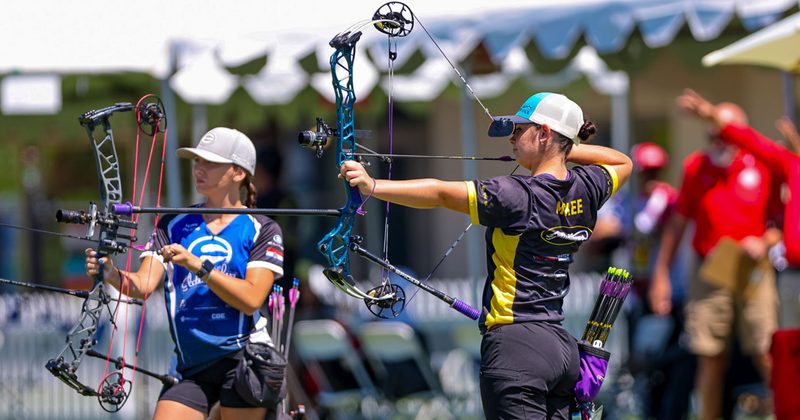
Indoor facilities let you shoot regardless of weather, wind, or daylight. Most run standardized lanes at 18 to 20 meters with proper target butts and even lighting for scoring. If you are learning form or training through winter, an indoor range gives you the one thing beginners need most: repeatable, distraction-free conditions.
Outdoor Ranges
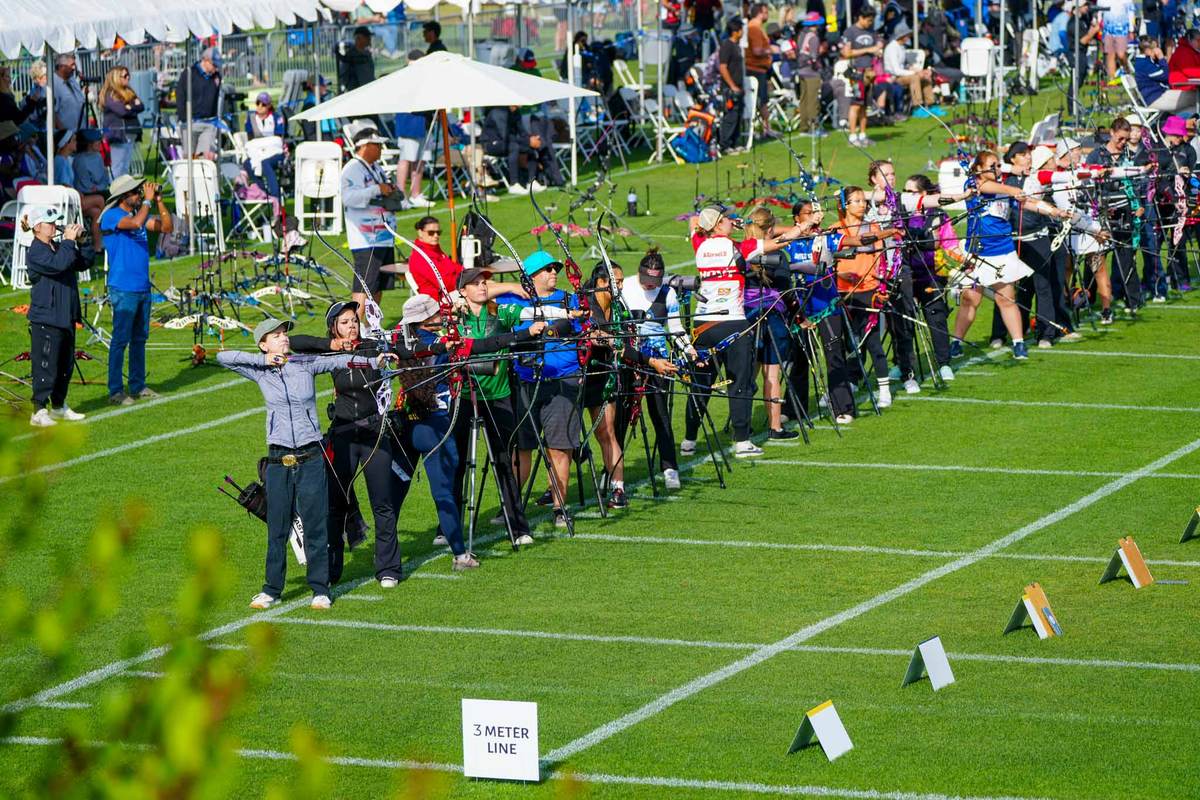
Outdoor ranges add distance, sunlight, and wind — the variables that separate a controlled shot from a real one. Distances typically stretch from 18 up to 70 meters for target archery, and the environment forces you to read conditions rather than ignore them. Competitive archers eventually need outdoor time; there is no way to fake a 70-meter shot indoors.
3D and Field Courses
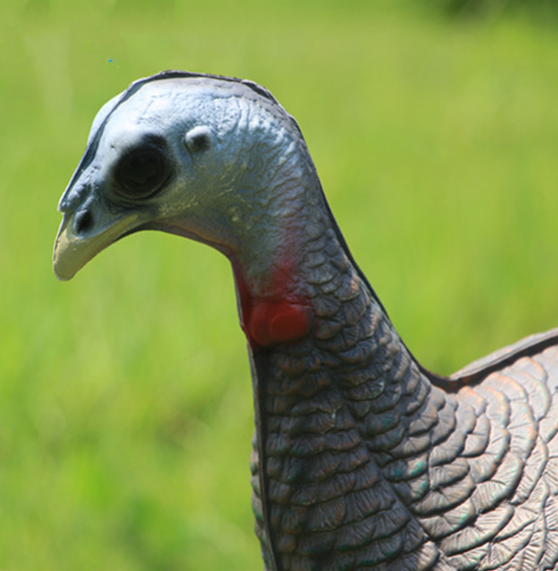
3D archery uses foam animal targets placed at unmarked distances along a walking trail, usually through woods. Field archery does the same with paper targets on graded terrain. Both reward judgment — estimating range, adjusting for slope — and both are the closest most people get to bowhunting practice without a hunting license. If you find shooting at flat bullseyes repetitive, a 3D course is the cure.
Pro Shops with Lanes
Many archery retailers keep a few shooting lanes so customers can test equipment before buying. These commercial ranges often bundle in lessons, bow tuning, and the obvious convenience of shopping and shooting in one stop. Quality varies widely, so shoot a session before you commit to a punch card.
Private Membership Clubs
Membership clubs usually offer the best facilities, the most coaching, and the clearest path into competition. Annual dues — often a few hundred dollars — fund equipment, maintenance, and programs like JOAD (Junior Olympic Archery Development). For anyone shooting more than a couple of times a month, unlimited range access plus a built-in community almost always beats paying per visit.
How to Find Archery Ranges Near You
The fastest route is not a plain Google search — it is the sport’s own governing databases, which list vetted clubs that actually meet safety and coaching standards. Use these five resources in order.
USA Archery Club Finder. The national governing body maintains a searchable map of affiliated clubs at usarchery.org. Affiliated clubs meet minimum standards and frequently run JOAD youth programs, certified coaching, and competitive pathways — a strong starting point if you want structure rather than a drop-in bay.
NFAA Range Finder. The National Field Archery Association lists member clubs and ranges nationwide, with heavy coverage of field and 3D courses that USA Archery’s target-focused directory sometimes misses. If you want to shoot 3D, start here.
Google Maps reviews. Searching “archery range near me” surfaces both commercial lanes and clubs. The listing matters less than the reviews — read them for mentions of coaching quality, rental availability, and whether staff actually help beginners or leave them fumbling.
Local archery groups. City-specific archery Facebook groups and subreddits are where insider knowledge lives. Post “where should a beginner shoot in [your city]?” and you will usually get honest answers about which range is welcoming and which one isn’t.
Word of mouth. If you know even one archer, ask where they shoot. A personal introduction skips the awkward first-visit uncertainty and often comes with someone to shoot next to.
What Does It Cost to Shoot at a Range?
Pricing is more approachable than most beginners expect. Public and commercial indoor ranges typically charge $10 to $20 for a drop-in lane session, and many bundle bow-and-arrow rental into that fee for another $10 to $15. A structured beginner class — usually four to six weeks — runs $80 to $200 and almost always includes equipment.
Club membership shifts the math. Annual dues of $100 to $400 sound steep next to a single drop-in, but if you shoot weekly, the per-session cost drops below a few dollars fast. The truth most ranges won’t advertise: renting gear session after session costs more within a year than a starter bow plus membership. Once you know you’ll stick with it, buying beats renting.
What to Look For When You Visit
A quick walkthrough tells you almost everything. Before you pay for a membership, judge a range against these five things:
- Safety protocols: clear whistle or verbal range commands, solid backstops, and rules that staff actually enforce.
- Rental and loaner gear: beginner-friendly bows in a range of draw weights so you can start without buying anything.
- Coaching access: USA Archery or NFAA certified instructors and a real beginner program, not just an open bay.
- Atmosphere: members who nod hello and answer questions rather than treating newcomers as intruders.
- Practical fit: hours that match your schedule, reasonable drive time, parking, and a facility that looks maintained.
What to Bring on Your First Visit
For a first session at almost any archery range, bring less than you think. Closed-toe shoes, a fitted shirt that won’t catch the string, and hair tied back cover the essentials. Leave the bow at home if you don’t own one yet — rental gear tuned to your draw length is safer and more forgiving than a mismatched bow you bought online in a hurry.
If you already own equipment, bring your bow, arrows spined to your setup, an arm guard, and a finger tab or release. A quick call ahead saves grief: confirm the range allows your bow type, since some indoor clubs restrict broadheads or high poundage. For a refresher on matching arrows to your bow before you show up, see our guide on how to choose arrows for a recurve bow.
Range Etiquette Every Beginner Should Know
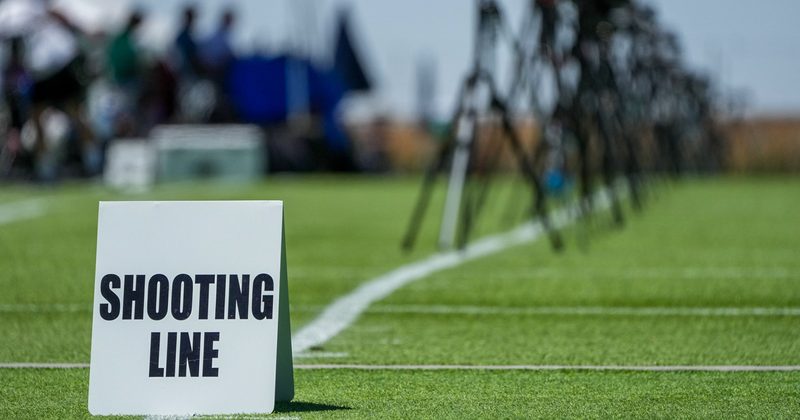
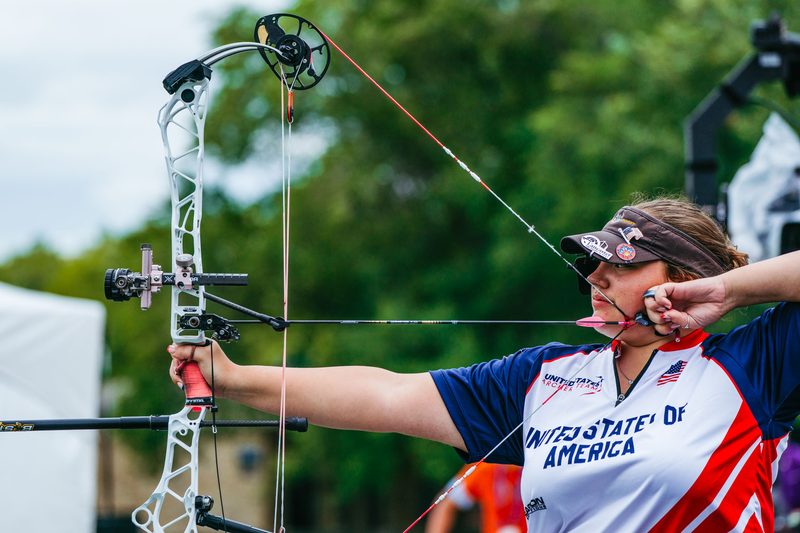
Nothing marks a newcomer faster than ignoring line commands. The rules are simple and universal: never draw a bow unless you are on the shooting line facing the target, never point a nocked arrow anywhere but downrange, and only collect arrows when the line is called clear. Wait behind the line until a whistle or verbal signal sends everyone forward together.
Beyond safety, basic courtesy earns you a welcome: keep noise down while others are at full draw, don’t offer unsolicited coaching, and ask before handling anyone’s equipment. Archers are famously generous with help when you ask — and famously cold toward people who touch their gear uninvited.
Indoor vs Outdoor: Which Should You Start With?
Start indoors if you can. A controlled 18-meter lane removes wind and glare so you can build a repeatable shot before adding variables. Once your groups tighten and the fundamentals feel automatic, move outside and stretch the distance — the transition exposes weaknesses you never noticed in a climate-controlled bay. Most serious archers end up shooting both, using indoor time for form work and outdoor time for distance and competition prep. If you’re still choosing gear, our draw weight selection guide will keep you from starting with a bow that’s too heavy to shoot well.
Getting the Most from Club Membership
Finding a club is the easy part; using it well is where beginners stall. Show up to beginner nights even when you feel behind, volunteer at a shoot or two, and ask experienced members how they’d fix your specific miss. Enter a casual in-house tournament within your first few months — nothing sharpens focus like scoring under mild pressure, and no one expects a rookie to win.

The social side is underrated. Plenty of archers stay in the sport for decades less for the scores than for the people they shoot beside every week. A good club becomes a standing appointment — a reason to leave the house and put 60 arrows downrange whether or not you felt like it that morning.
Don’t settle for the first range you walk into. Visit two or three, take a drop-in session at each, and pay attention to how you feel on the line — welcomed and coached, or ignored. The range that makes you want to come back next week is the one worth joining. Once you’ve found it, the only thing left is to keep showing up. For your next step, read our recurve bow tips for beginners and walk in already knowing the fundamentals.
Sources
- USA Archery — Find a Club — official searchable directory of affiliated archery clubs and JOAD programs.
- NFAA Range Finder — National Field Archery Association directory of member ranges and 3D/field courses.
- World Archery — international governing body; rules, disciplines, and event standards for target archery.
