Archery Blog
How to Choose Arrows for Your Recurve Bow
Jul
A properly spined arrow can turn a 6-inch group into a 2-inch group with zero change to your form. That is how much the arrow matters. Learning how to choose arrows for a recurve bow comes down to five specs — spine, length, material, point weight, and fletching — and spine is the one that separates arrows that fly true from arrows that fishtail into the target. This guide walks through each spec in the order that actually affects your accuracy.
Arrow Spine: The Most Important Factor When Choosing Arrows for a Recurve Bow
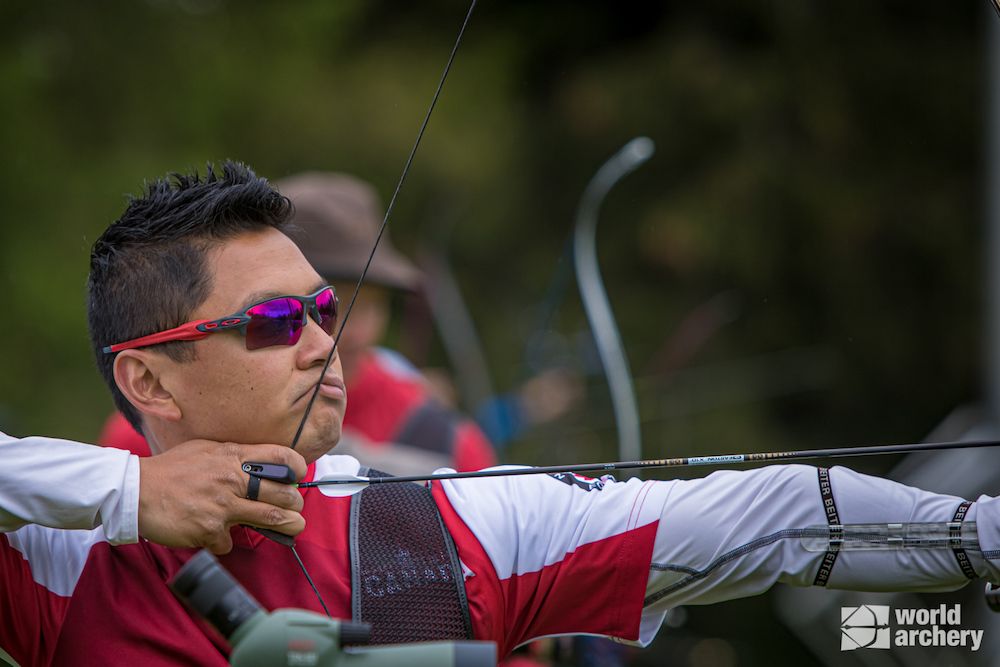
Spine is how much an arrow shaft resists bending. The moment you release, the arrow does not fly straight off the string — it buckles and flexes sideways around the riser, then snakes back into line as it travels downrange. That flex is called the archer’s paradox, and it is why a recurve arrow has to be matched to your specific bow. Too stiff and it kicks left; too weak and it slaps right (for a right-handed shooter).
Spine is measured as deflection: a shaft is hung with a standard weight and the amount it sags is recorded in thousandths of an inch. Confusingly, lower numbers mean stiffer arrows. A 500 spine shaft bends less than a 600 spine shaft under the same load. Static spine is the raw number printed on the shaft; dynamic spine is how the arrow actually behaves once you factor in your draw weight, draw length, and point weight. Charts give you static spine — the rest is tuning.
Matching Spine to Draw Weight
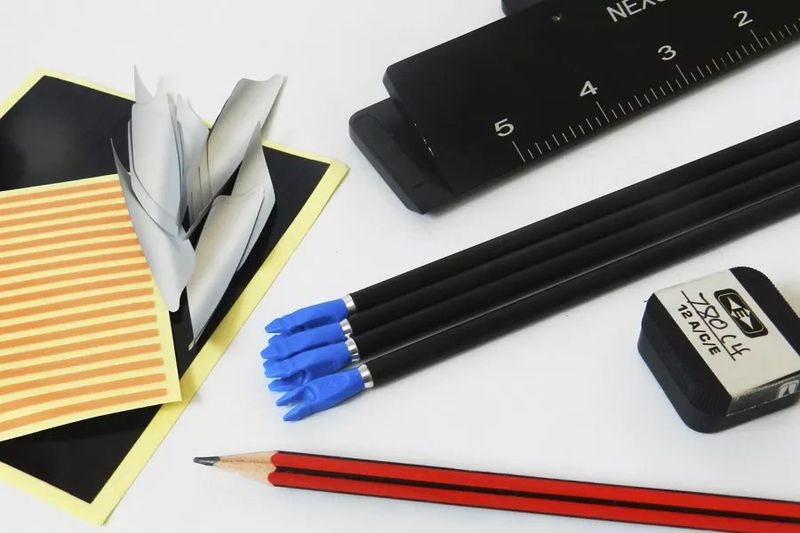
Start with your bow’s draw weight at your draw length (marked limb poundage is measured at 28 inches, so it changes about 2 lb per inch away from that). These ranges are starting points, not gospel — always confirm against the shaft maker’s chart before you buy:
- 15–25 lb: 700–600 spine — very flexible, ideal for youth and beginner recurves
- 25–35 lb: 600–500 spine — the sweet spot for most adult beginners
- 35–45 lb: 500–400 spine
- 45–55 lb: 400–340 spine — stiff shafts for heavier Olympic-style and traditional bows
If your poundage sits on a boundary, size down to the stiffer shaft and add point weight to bring the dynamic spine back — that is easier than trying to make a too-weak arrow work. For a deeper breakdown of how poundage is measured and picked, see our draw weight selection guide.
How Draw Length and Point Weight Shift Spine
Two shooters with identical 40 lb bows can need different arrows. A longer draw length stores more energy and loads the shaft harder, effectively weakening the spine — a 30-inch draw behaves like more poundage than a 27-inch draw on the same bow. Point weight does the same thing: swapping a 100-grain point for a 125-grain point makes the front of the arrow heavier, which weakens dynamic spine noticeably. If you do not know your draw length yet, measure it properly first — every arrow decision downstream depends on that number.
Arrow Length: Measure Before You Cut
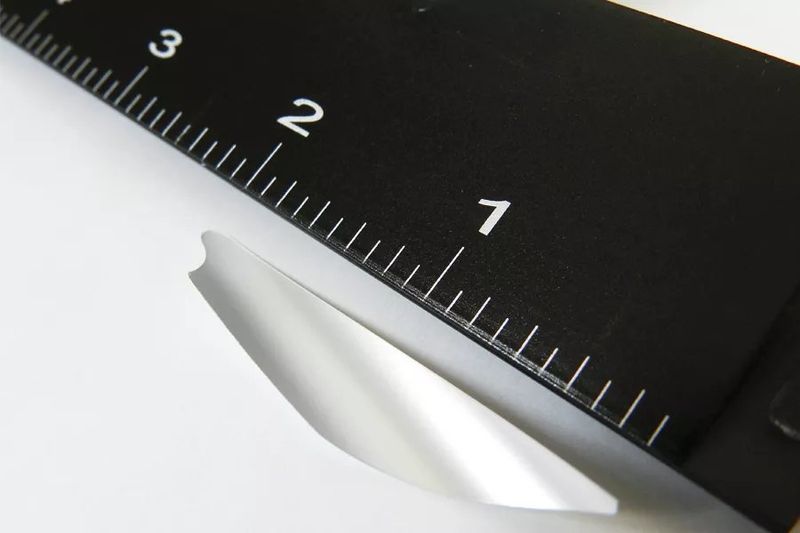
Arrow length is set from your draw. Come to full draw, have someone mark the shaft about one inch past the front of the riser or arrow rest, and cut there. As a rule of thumb, add 1–2 inches to your draw length for the finished arrow — enough clearance that the point never gets pulled behind the rest, which is dangerous, but not so long that you carry dead weight and slower speed.
Longer shafts are also weaker in spine, so length and spine get tuned together. If you are between spine sizes, leaving the arrow slightly long stiffens nothing but shortening it stiffens the dynamic spine — one reason experienced archers buy shafts a touch long and fine-tune during setup.
Arrow Material: Carbon, Aluminum, Fiberglass, or Wood
Material sets your budget, durability, and consistency. Most modern recurve shooters land on carbon or aluminum; fiberglass and wood have narrow but real uses.
Carbon Arrows
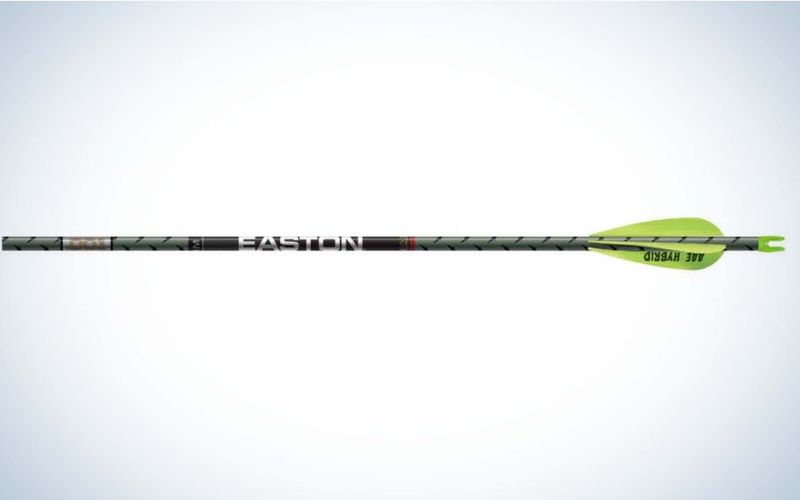
Carbon is the default for a reason: it recovers from flex fast, holds its straightness, shrugs off weather, and is light for good speed. It is more forgiving than aluminum and does not bend — it either flies true or, if damaged, fails outright (always flex-test a carbon shaft before shooting it). The trade-off is cost and the need to inspect for cracks after hard impacts.
Aluminum Arrows
Aluminum gives you excellent, consistent spine at a moderate price and flies beautifully — it is still the choice for a lot of indoor target archery. The catch is durability: aluminum bends on a hard hit or a bad miss, and a bent shaft is a lost shaft. Aluminum arrows carry a four-digit code like 1816 or 2013, where the first two digits are the outside diameter in 64ths of an inch and the last two are the wall thickness in thousandths.
Fiberglass Arrows
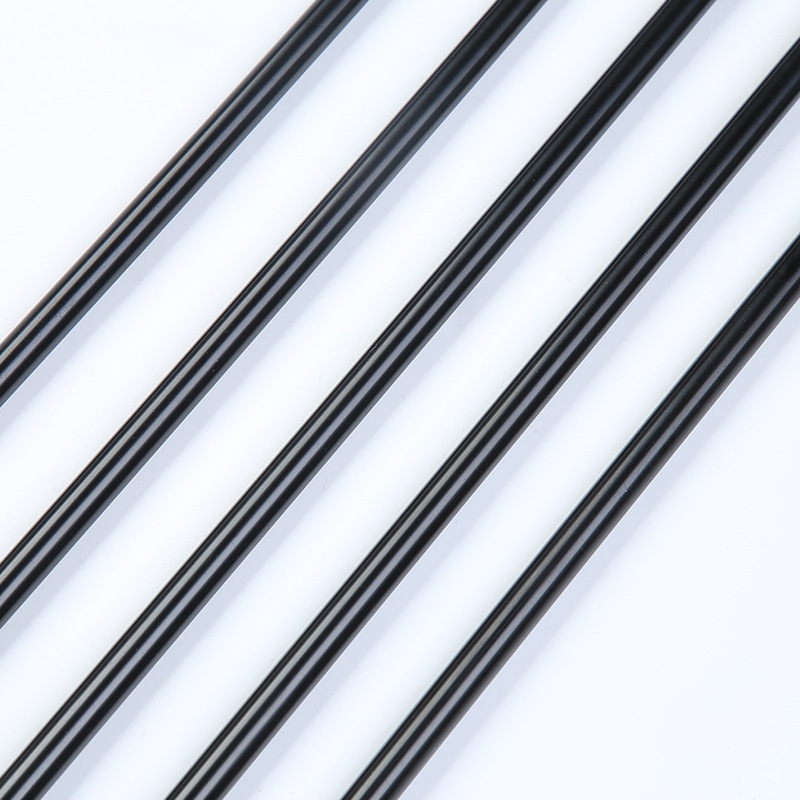
Fiberglass is cheap and nearly indestructible, which is why club and school programs buy it by the dozen. It is heavy and less consistent shaft-to-shaft, so it is a practice-and-volume arrow, not a scoring arrow.
Wood Arrows
Wood is the traditional choice for longbows and classic recurves and looks the part, but no two wooden shafts spine identically and they warp over time. Reserve wood for traditional shooting where authenticity matters more than tight groups.
Point Weight and Front-of-Center Balance
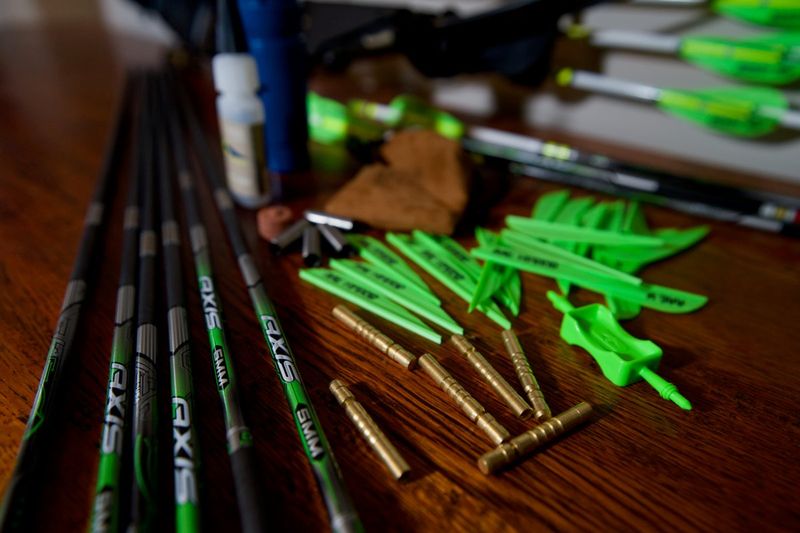
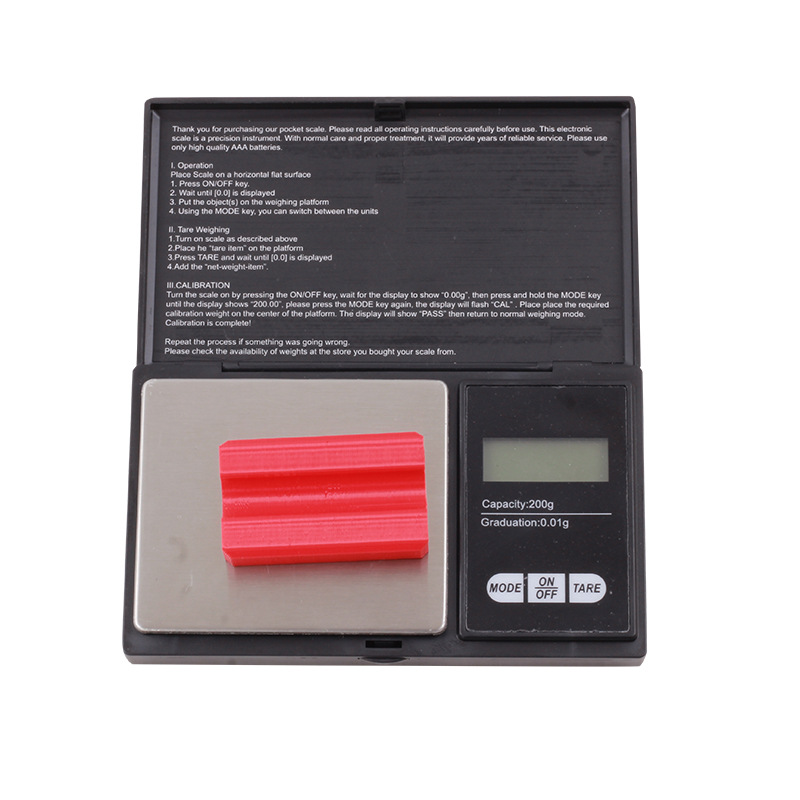
Point weight does two jobs: it tunes dynamic spine and it sets front-of-center (FOC), the percentage of total weight sitting in the front half of the arrow. Higher FOC (around 10–15% for target recurve) makes the arrow more stable and forgiving downrange at a small cost in trajectory. Field points for practice should match the weight of any points you compete or hunt with, so your point of impact does not move. A grain scale takes the guesswork out — weigh points and completed arrows so every shaft in your set matches within a grain or two.
Fletching and Nocks for Recurve Arrows
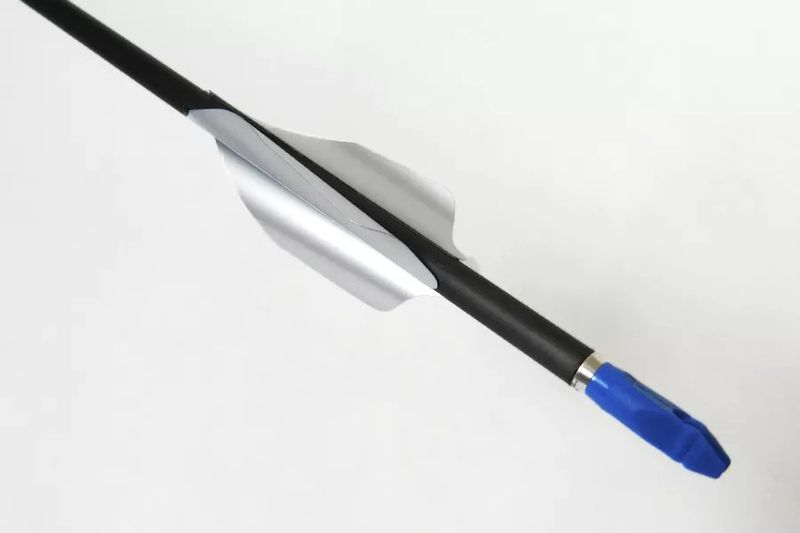
Fletching steers the arrow. Plastic vanes are durable, waterproof, and standard for most recurve target shooting; feathers are lighter, more forgiving of contact with the rest, and preferred by many traditional and barebow archers shooting off the shelf. Vane length and helical or offset angle control how aggressively the arrow spins and stabilizes — more spin steadies the flight but sheds a little speed.
Nocks matter more than beginners expect. The nock has to fit the string snugly enough to hold the arrow but snap off cleanly on release; too tight and it drags, too loose and it falls off. Match nock size to your string diameter and check that the throat clicks on without pinching. If your bare shafts and fletched arrows are not landing together, our guide to bare shaft tuning walks through diagnosing spine and nock issues.
How Many Arrows Should You Buy — and Common Mistakes
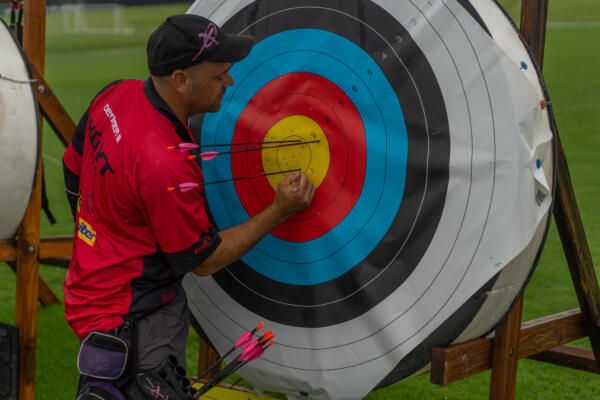
Buy at least six matched arrows to start, and ideally a dozen. Arrows get lost, broken, and damaged, and shooting a “matched” set that has quietly drifted out of spec is a common accuracy killer. Building your set from the same batch keeps spine, weight, and length consistent.
The mistakes that cost beginners the most are predictable: buying arrows by draw weight alone and ignoring draw length, cutting shafts too short, mixing spine sizes in one quiver, and reusing a damaged carbon shaft. Any one of them will scatter your groups no matter how clean your release is. A little time with a spine chart and a grain scale up front saves months of frustration. For the wider setup picture, our recurve bow tips for beginners covers the rest of the accuracy chain.
Frequently Asked Questions
Can I use the same arrows if I increase my draw weight? Usually not by much. Going up 5–10 lb often pushes you into a stiffer spine range, and arrows that were correct at 30 lb will fly weak at 40 lb. Re-check the chart whenever you change limbs.
Do I need different arrows for target versus hunting? The spine logic is identical, but hunting arrows run heavier with more FOC for penetration, while target arrows favor a flatter, faster flight. Match your practice point weight to your real point weight either way.
Are more expensive arrows worth it? For a beginner, no — a mid-priced carbon or aluminum shaft that is correctly spined will out-shoot a premium shaft that is mismatched. Spend on the right spine first, on straightness tolerance later.
Sources
- World Archery — Archery 101: How to Fletch an Arrow — fletching and vane guidance from the sport’s governing body.
- Archery 360 — Should Your Arrows Be Carbon, Aluminum or Wood? — material comparison and aluminum sizing codes.
- Easton Archery — manufacturer spine charts and shaft specifications.
Choosing arrows for a recurve bow is not about buying the priciest shaft — it is about matching spine to your draw, cutting to the right length, and keeping a full matched set. Nail the spine and everything downstream gets easier. Ready to build your set? Browse the full arrow and recurve range and start with a spine that fits your bow.
