
Archery Blog
How to Measure Arrow Length: 7 Steps for a Perfect Cut
Jun
An arrow cut a half-inch too short can throw a fixed-blade broadhead into your bow hand at full draw. Cut too long, and you lose speed and pick up wobble. Arrow length is the one measurement most new compound shooters get wrong, usually because they confuse it with draw length or trust the number printed on the factory box. Getting it right takes a tape, a mark, and about ten minutes — and it changes how every arrow you ever shoot flies.
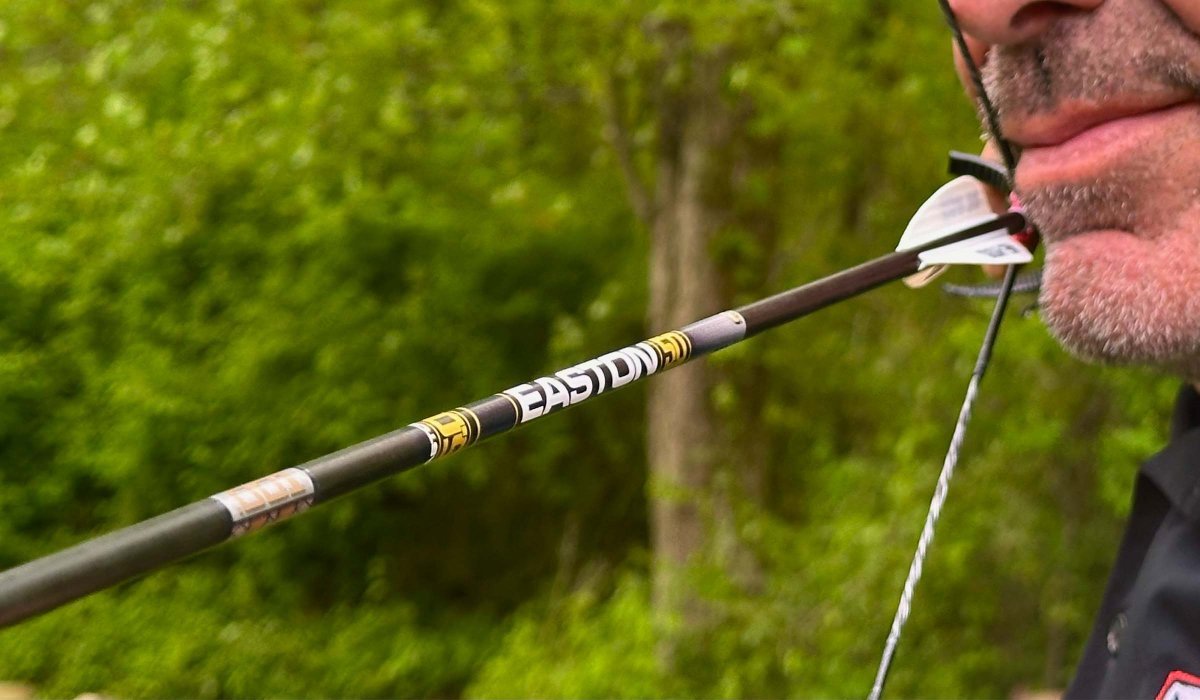
Shaft, insert, nock and vanes — arrow length refers only to the carbon, not these parts.
How to Measure Arrow Length the Right Way
To measure arrow length, lay the arrow flat and run a tape from the deepest point of the nock groove — the throat, where the string sits — to the very end of the cut carbon shaft. You do not count the point, the insert, or the nock itself. This is the standard the entire industry uses, and it is the number a pro shop needs when you order arrows.
People mix this up constantly. The overall physical arrow, tip to tip, might read 30 inches, but the spine chart wants the carbon-to-carbon length, which could be 28. Lancaster Archery Supply calls this the AMO length, and it is measured nock-throat to shaft-end every time. Measure the carbon, write that number down, and use it for everything from spine selection to cut instructions.
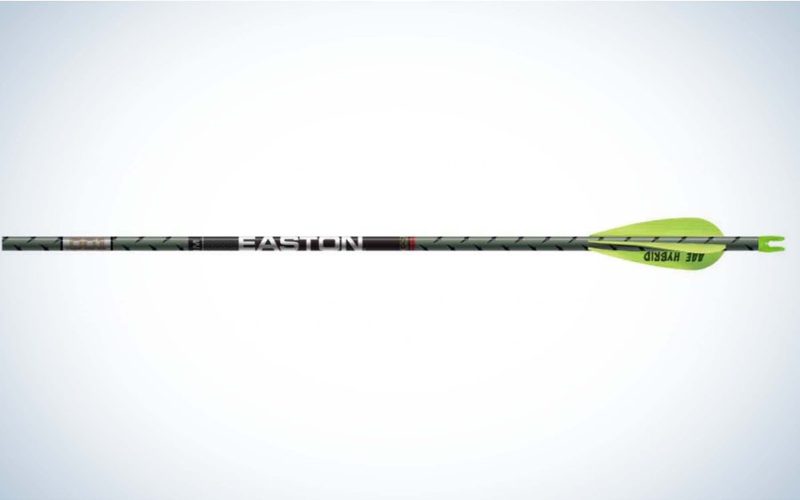
Measure from the nock throat to the end of the shaft — the broadhead never counts toward length.
Arrow Length vs. Draw Length: Why They Are Not the Same
Your draw length and your arrow length are two different numbers, and treating them as one is the fastest way to ruin a dozen shafts. Draw length is a property of your body and your bow setup — the distance from the nocking point to the throat of the grip plus 1.75 inches at full draw. Arrow length is a choice you make on top of that, almost always longer than your draw length for safety.
If your draw length is 28 inches, your arrows will usually finish somewhere around 28.5 to 29 inches so the broadhead clears the front of the riser. Nail down your draw length first — our compound bow draw length guide walks through measuring it accurately — because every arrow decision downstream depends on that one figure being correct.
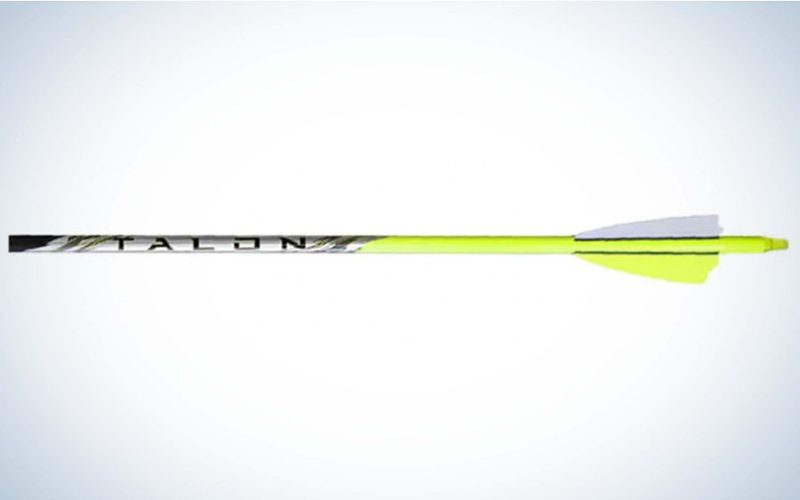
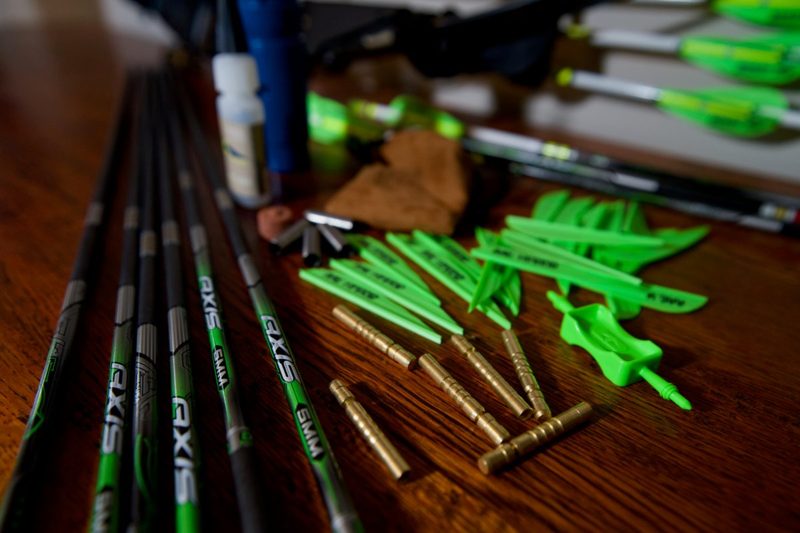
A full-length shaft before trimming. Start long, then cut down to your verified mark.
How to Find Your Safe Cut Length at Full Draw
The most reliable way to find your cut length is to test it on your own bow at full draw. Nock a full-length, uncut arrow, draw back to a comfortable, repeatable anchor, and have a friend mark the shaft with a fine marker about one inch in front of the leading edge of the riser. That mark is your maximum safe cut point. It guarantees the broadhead stays in front of your bow hand and clear of the rest and shelf.
John Dudley of Nock On preaches the same rule: leave yourself margin in front of the riser so a fixed blade never rides back over your hand. Do not eyeball this from a chart alone — a long-armed shooter and a short-armed shooter with the same bow can need arrows over an inch apart.
How Long Should Your Arrows Be?
For most compound shooters, the sweet spot lands between 27 and 30 inches of carbon, with 28 to 29 being the single most common range. Target archers sometimes run slightly longer for forgiveness; hunters trim closer to draw length to gain speed and clearance. The honest answer is that there is no universal number — there is only your draw length plus a safety margin in front of the riser.
A practical recipe: take your verified draw length, add roughly half an inch to one inch, and confirm it against the full-draw mark from the previous step. If the two disagree, trust the mark on the shaft, not the math. Buy your arrows long — you can always cut more off, but you can never add carbon back.
How Arrow Length Changes Spine
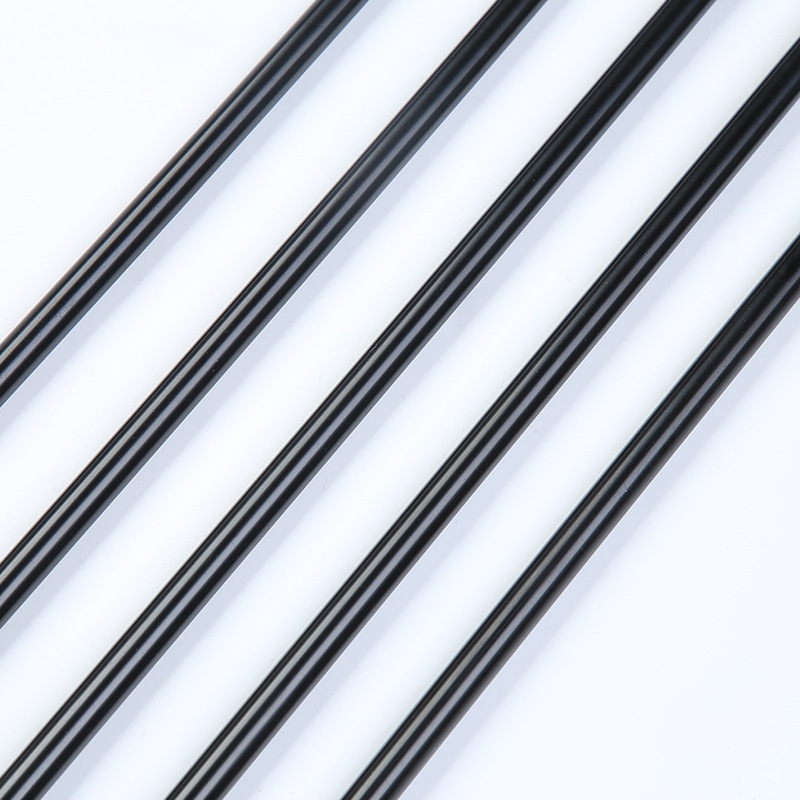
Cutting an arrow shorter makes it stiffer, and this is the part beginners skip at their own cost. Spine is a shaft’s resistance to bending, and a shorter shaft flexes less under the same force. Trim two inches off a raw shaft and you can effectively jump a full spine size stiffer — enough to wreck arrow flight if you tuned to the original length.
Every inch of length change shifts dynamic spine by roughly 25 to 50 units, so plan your final length before you order, not after. If you are matching shafts to your bow, cross-check your cut length against our arrow spine chart — the chart assumes a specific length, and cutting changes the answer. Heavier points soften dynamic spine, which is why length and point weight always get decided together.
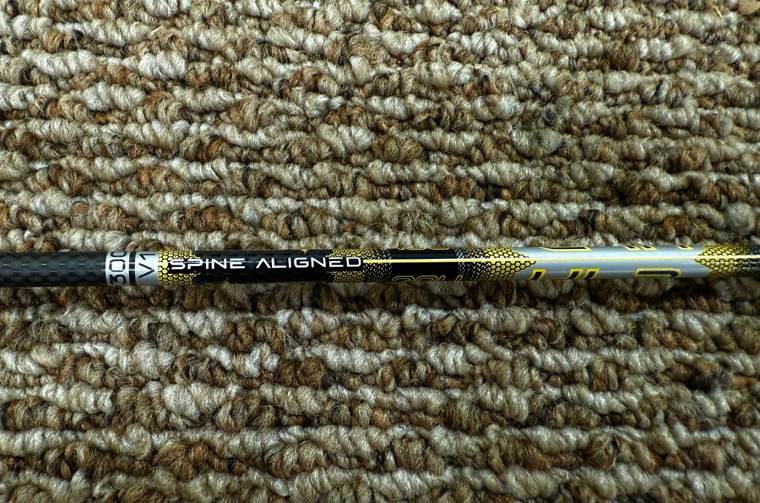
Spine is printed on the shaft, but cutting it shorter raises the effective stiffness.
How to Cut Carbon Arrows to Length: 7 Steps
Once you have a verified mark, cutting carbon arrows is quick — but technique matters, because carbon fiber cracks if you crush it. Never use a pipe cutter or hacksaw on carbon; both fracture the fibers and create a shaft that can splinter on the shot. Use a high-speed abrasive arrow saw or a fine rotary cutting wheel. Here is the full sequence:
- Mark the shaft. Transfer your full-draw mark, or set your saw’s stop to your target length.
- Measure twice. Confirm the carbon-to-carbon length with a tape before the blade touches anything.
- Spin, do not push. Rotate the arrow against a high-speed wheel rather than forcing the blade through.
- Cut both ends evenly if you are trimming a raw shaft, keeping any factory markings where you want them.
- Square the end with an arrow squaring tool so the insert seats perfectly flat.
- Deburr the inside and outside edge so the insert glues cleanly.
- Cut the whole batch to the exact same length so every arrow flies identically.
A compact tube-style cutter handles carbon and aluminum shafts cleanly when you spin the arrow slowly into the wheel instead of clamping hard. For a deeper field walkthrough, Bowhunting.com shows the squaring step that most people skip.
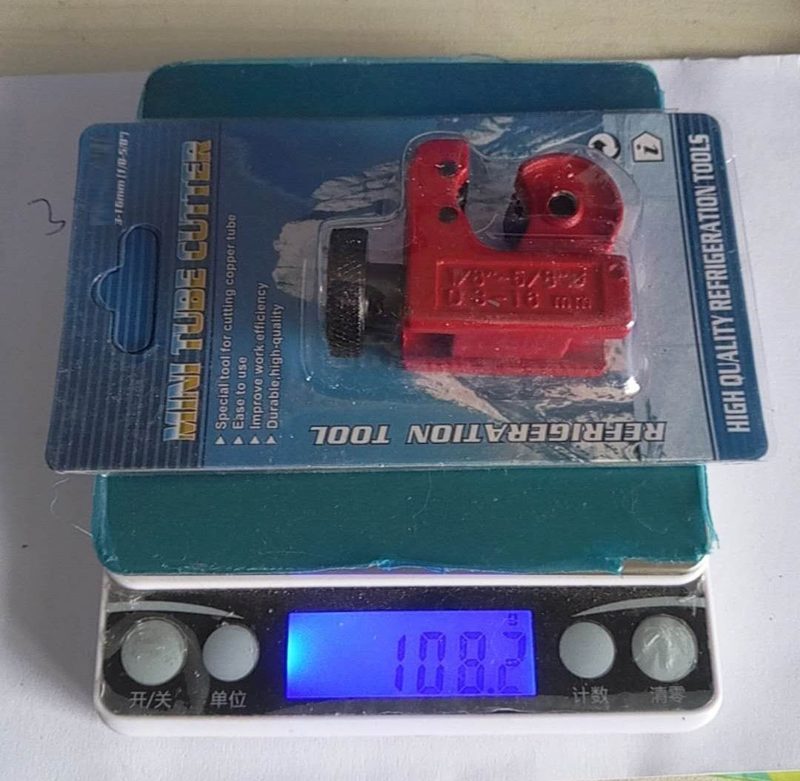
A handheld cutter trims carbon cleanly when you rotate the shaft rather than force the blade.
Tools You Need to Measure and Cut Arrows
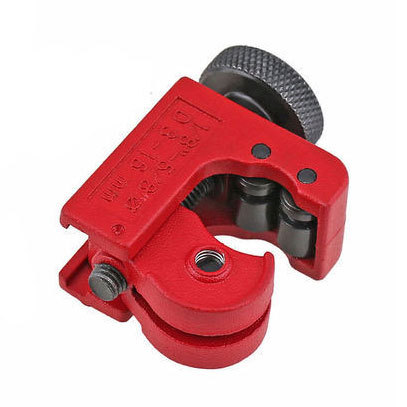
You do not need a $400 saw to do this right. A tape measure or a marked straightedge handles the measuring; the cutting needs a high-speed abrasive wheel or a purpose-made arrow cutter. An arrow squaring tool is the one extra that pays for itself in accuracy — a square cut means your broadhead and field point hit the same place.
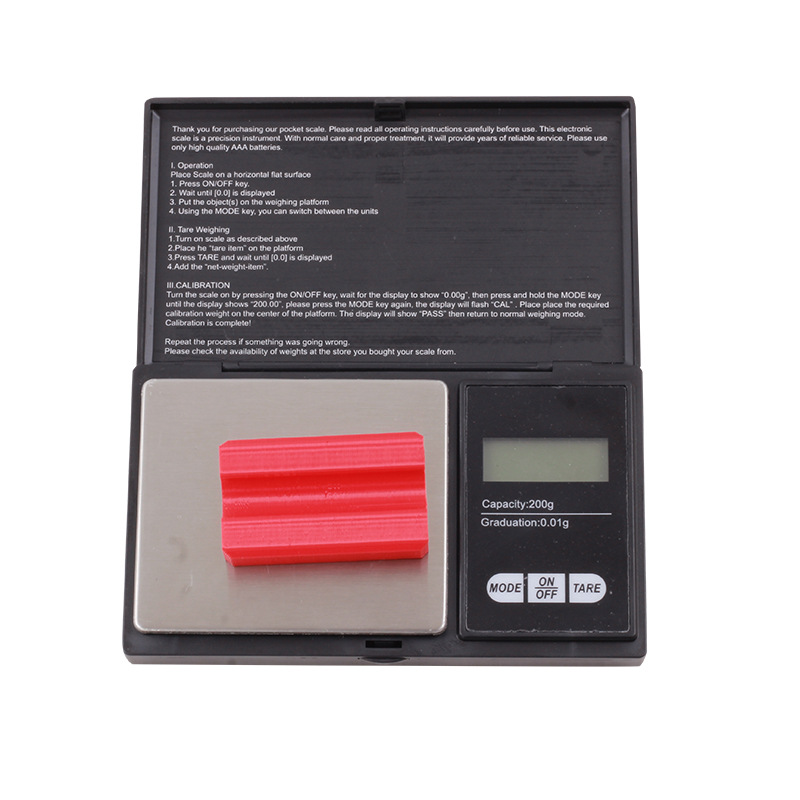
A grain scale is the quiet hero of arrow building. Once your shafts are cut, weighing each finished arrow lets you sort them into matched sets, and matched weight is what turns a good group into a tight one. If you want to dial in total arrow weight after cutting, our arrow weight calculator shows how length, point, and components add up.
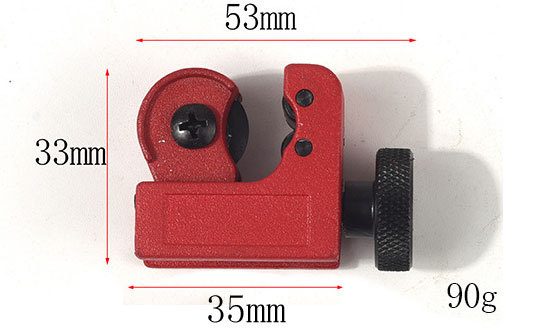
A compact cutter like this fits in a tackle box and handles carbon and aluminum shafts.
Common Arrow Length Mistakes
The cardinal sin is cutting to draw length instead of draw length plus margin — it leaves a broadhead sitting dangerously close to your bow hand. A close second is buying pre-cut “draw length” arrows online and assuming they fit; factory cuts are generic, and yours almost never matches the box. The third is forgetting that a cut shaft is a stiffer shaft, then blaming the rest or your form when arrows fly nock-left.
One more: cutting arrows at different lengths within the same dozen. Even a quarter-inch variation changes spine and weight enough to open your groups. Set your saw stop once, cut the whole batch, and weigh them after. Consistency in the build is what consistency on the target is made of.
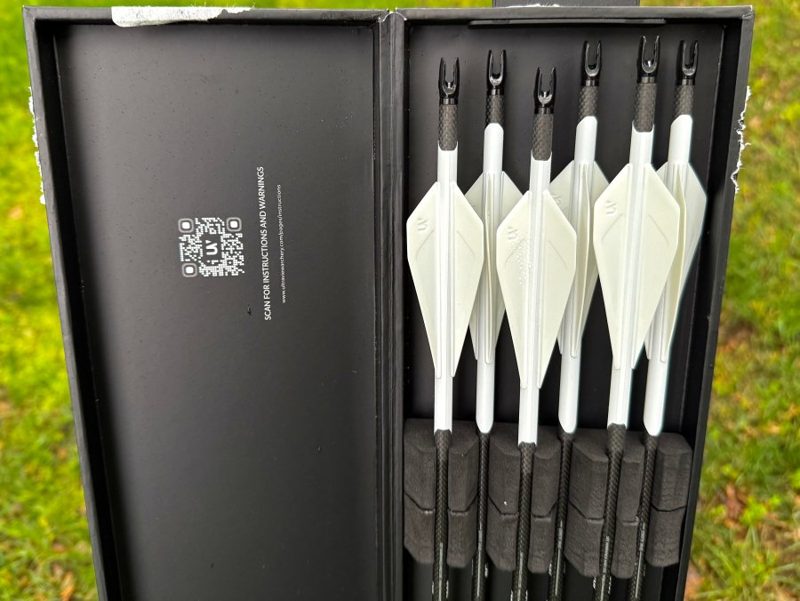
A matched dozen, all cut to the same length and weighed — the foundation of tight groups.
Cut Once, Shoot Straight
Measuring arrow length is not glamorous, but it is the difference between arrows that group and arrows that scatter for reasons you will chase for months. Verify your draw length, mark the shaft at full draw, leave your safety margin, and cut the whole batch the same. Then weigh them, match them, and you are shooting a tuned setup instead of a guess. When you are ready to match shafts to your exact bow, start with the arrow spine chart and build from there.
Sources
- Lancaster Archery Supply — What To Know: Measuring Your Arrows — AMO measurement standard, nock throat to shaft end.
- Hunter’s Friend — Carbon Arrow Basics & Measurement Standards — shaft length vs. AMO length definitions.
- Bowhunting.com — How to Cut Your Own Arrows — full-draw marking and squaring technique.
- Nock On Archery — The Right Way to Determine Your Arrow Length — safe riser clearance for broadheads.
Browse archery bows, arrows, and accessories at the Archery Supplier shop →
