Archery Blog
Compound Bow Guide: Everything You Need to Know in 2026
May
A compound bow is the most mechanically advanced bow on the market — a system of cams, cables, and limbs that lets you hold a heavy draw weight with very little effort, then unleash a fast, flat-shooting arrow with surgical precision. Whether you’re hunting whitetail at 40 yards or punching X-rings at an indoor 3D shoot, the compound bow is the tool that gets you there. This compound bow guide breaks down everything you need to know — anatomy, draw weight, let-off, tuning, accessories, and the top models worth your money in 2026.
What Is a Compound Bow?
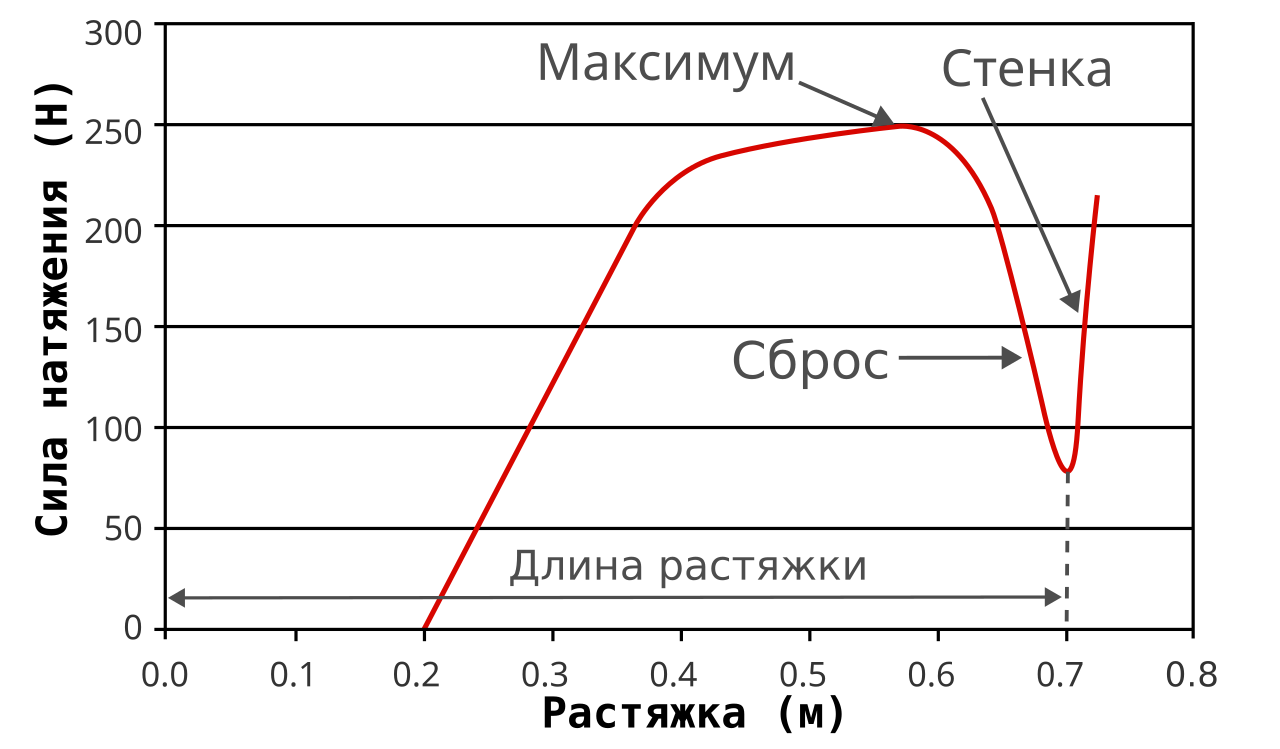
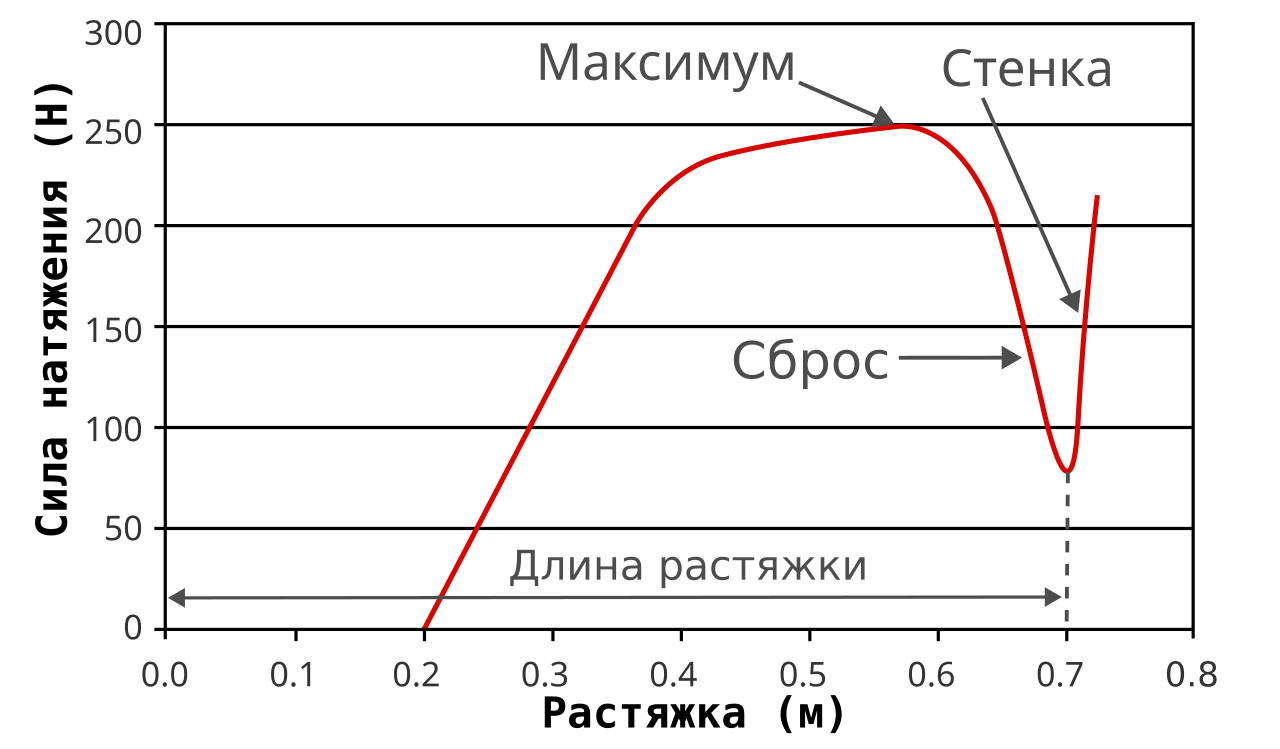
A compound bow uses a levering system of pulleys (called cams) and cables to bend the limbs and store energy. Unlike a recurve or longbow, the peak draw weight is reached partway through the draw cycle — then the cams roll over and the holding weight drops dramatically (this is called let-off, and it’s the defining feature of compound bows). The result: you can hold a 70-pound bow at full draw while only feeling 14 pounds of tension, giving you time to aim, settle the pin, and execute a clean shot.
Compound bows were invented by Holless Wilbur Allen in 1966, patented in 1969, and have dominated bowhunting and modern target archery ever since. Today’s compounds are shorter, lighter, faster, and more forgiving than anything from even a decade ago.
Anatomy of a Compound Bow
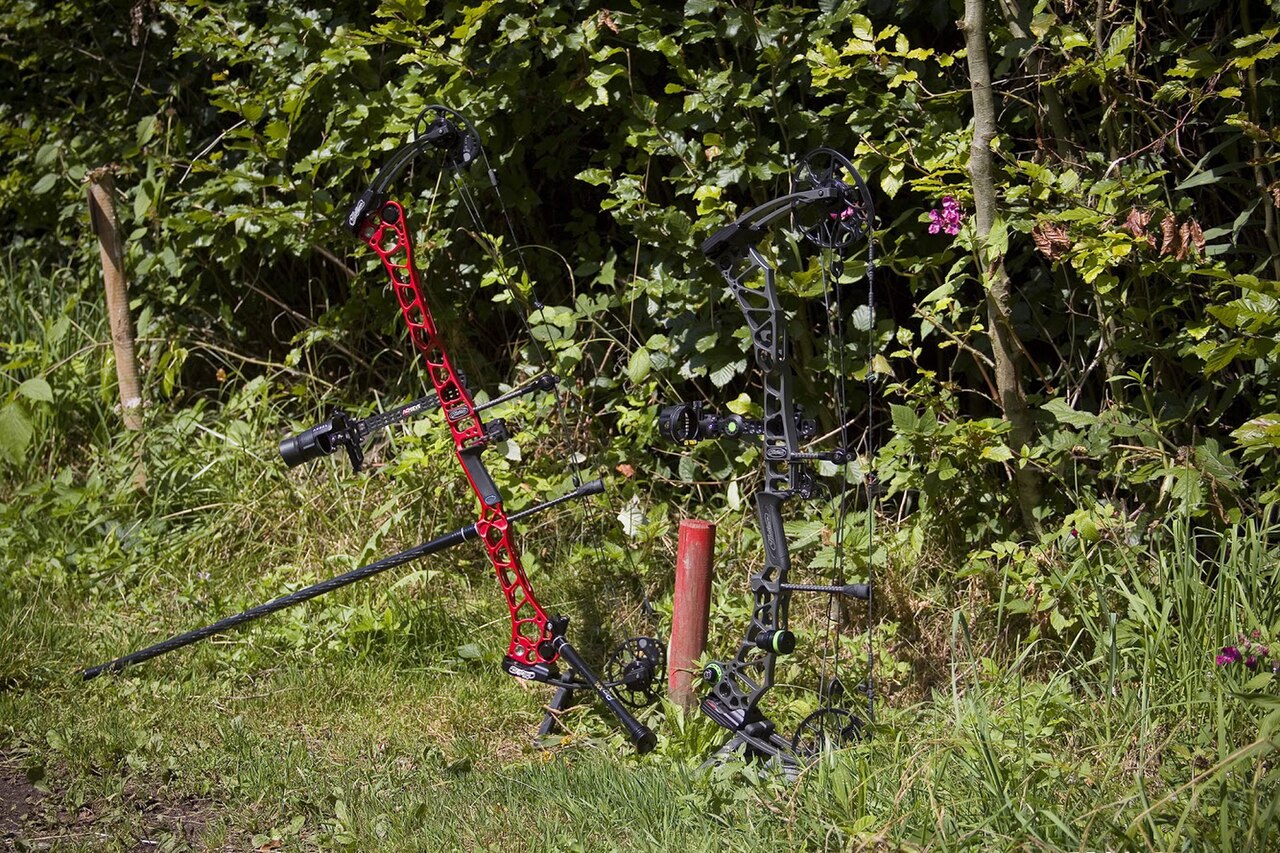
Before you buy or tune anything, you need to know the parts. Here’s what every compound bow has:
- Riser — The rigid central frame, usually CNC-machined 6061 or 7075 aluminum. Houses the grip, sight, rest, and stabilizer mounts.
- Limbs — The flexing fiberglass/composite arms that store energy. Most modern bows use split limbs.
- Cams — The eccentric pulleys at the limb tips. Single-cam, twin-cam, hybrid-cam, and binary-cam systems each have trade-offs in tunability and speed.
- Bowstring & cables — Made from modern materials like BCY 452X or 8190. The string is what you draw; the cables connect the cams.
- Cable guard & slide/roller — Holds the cables out of the arrow’s path.
- Grip — Where your bow hand sits. Slim, neutral grips reduce torque.
- Berger hole — The threaded hole above the grip where your arrow rest mounts.
Draw Weight: How Much Is Right for You?
Draw weight is the peak force (in pounds) required to draw the bow. Modern compounds are usually adjustable across a 10-pound range — typical peaks are 50, 60, and 70 lbs.
| Archer | Recommended Draw Weight |
|---|---|
| Small-frame adult / youth | 30–40 lbs |
| Average adult woman | 40–50 lbs |
| Average adult man (target) | 50–60 lbs |
| Adult man (hunting) | 60–70 lbs |
For bowhunting, most U.S. states require a minimum of 40–45 lbs for deer and 50+ lbs for elk. But more weight isn’t always better — if you can’t draw smoothly while seated or in a treestand, drop 5–10 lbs. A bow you shoot well always beats a bow that’s too heavy.
Draw Length: The Most Important Spec
Draw length is the distance from the bowstring (at full draw) to the throat of the grip, plus 1.75 inches. It must match your body — not the other way around. To estimate it: measure your wingspan (fingertip to fingertip, arms out) and divide by 2.5. A 70-inch wingspan = 28-inch draw.
Most modern compounds (like the Hoyt RX-9, Mathews Lift, PSE Mach 34) have modular cams that adjust draw length in half-inch increments without a bow press. Get fitted at a pro shop before you buy. A draw length that’s too long is the #1 cause of bad form, target panic, and inconsistent groups.
Let-Off: The Magic of the Compound
Let-off is the percentage reduction in holding weight at full draw. A 70-lb bow with 80% let-off holds at just 14 lbs. Common let-off values:
- 65–75% — More forgiving, smoother shot cycle, slightly slower. Common in target bows.
- 80–85% — Most popular for hunting. Long hold times in a treestand.
- 90%+ — Maximum hold ease, but less stored energy and a more sensitive valley.
Top Compound Bows for 2026
The 2026 lineup is the best ever — quieter, smoother, and more accurate than anything before. Here are the standouts worth your attention:
Hoyt RX-9 — Best Hunting Flagship
The RX-9 is a 30-inch axle-to-axle carbon-riser hunter with HBX Pro cams, 342 fps IBO, and a draw cycle so smooth it feels like cheating. Slightly heavier than the Mathews Lift but rock-stable on long shots.
Mathews Lift 29.5 — Best All-Around Bow
At 4.0 lbs and 29.5 inches axle-to-axle, the Lift is the most balanced compound on the market. Switchweight modules cover 60–75 lbs, the Resistance Phase Damping kills hand shock, and it’s whisper-quiet on the shot.
PSE Mach 34 — Best Speed Bow
34-inch axle-to-axle, 350 fps IBO, and an aggressive EC2 cam system. The Mach 34 is the bow you pick when you want flat trajectories and tight groups out to 80 yards. Heavier draw cycle than the Lift, but the stability is unreal.
Essential Compound Bow Accessories
A bare bow is useless. Budget at least $300–$500 on top of the bow itself for these:
- Sight — Single-pin slider (target) or 3–5 pin fixed (hunting). Brands: Black Gold, Spot Hogg, HHA.
- Arrow rest — Drop-away rests like the QAD HDX or Hamskea Hybrid Hunter Pro are the industry standard.
- Stabilizer — A 6–10″ front bar for hunting, longer rigs (28–30″ front + side bar) for target. Reduces torque, dampens vibration.
- Release aid — Index-finger (caliper), thumb, or hinge. Use a hand-held release for the cleanest shot — it removes torque from the string.
- Quiver — Detachable hunting quiver or hip quiver for target.
- Peep sight — A small aperture in the string you align with your sight housing. 1/8″ or 3/16″ diameter.
- D-loop & nocking point — A small loop of serving you attach the release to. Centers the arrow and protects the string.
Tuning Your Compound Bow
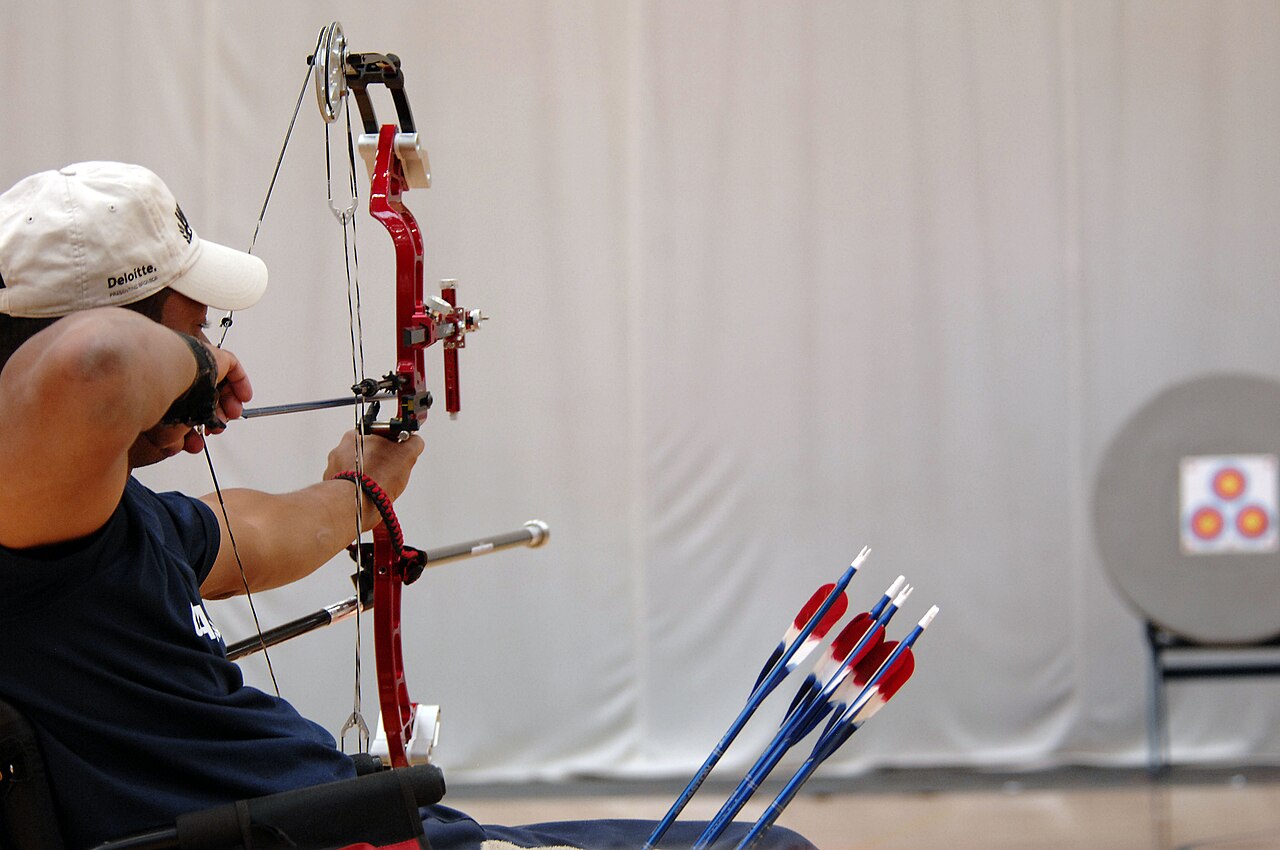
Out of the box, even a $1,500 bow isn’t shooting its best. A proper tune means:
- Set draw length & weight — Match the modules and limb bolts to your spec.
- Center shot — Position the rest 13/16″ from the riser (start point). Adjust until the arrow lines up with the string.
- Cam timing & sync — On dual-cam bows, both cams must rotate in unison. Check draw stops at full draw.
- Paper tune — Shoot through paper at 6 feet. A bullet hole = perfect. Tears tell you which way the rest needs to move.
- Walkback / French tune — Shoot at multiple distances to verify left-right consistency.
- Broadhead tune (hunters) — Make sure your broadheads hit the same spot as your field points.
If you’re new, pay a pro shop $40–$80 for a full tune. Watch them do it — that’s how you learn.
Compound Bow Form Fundamentals
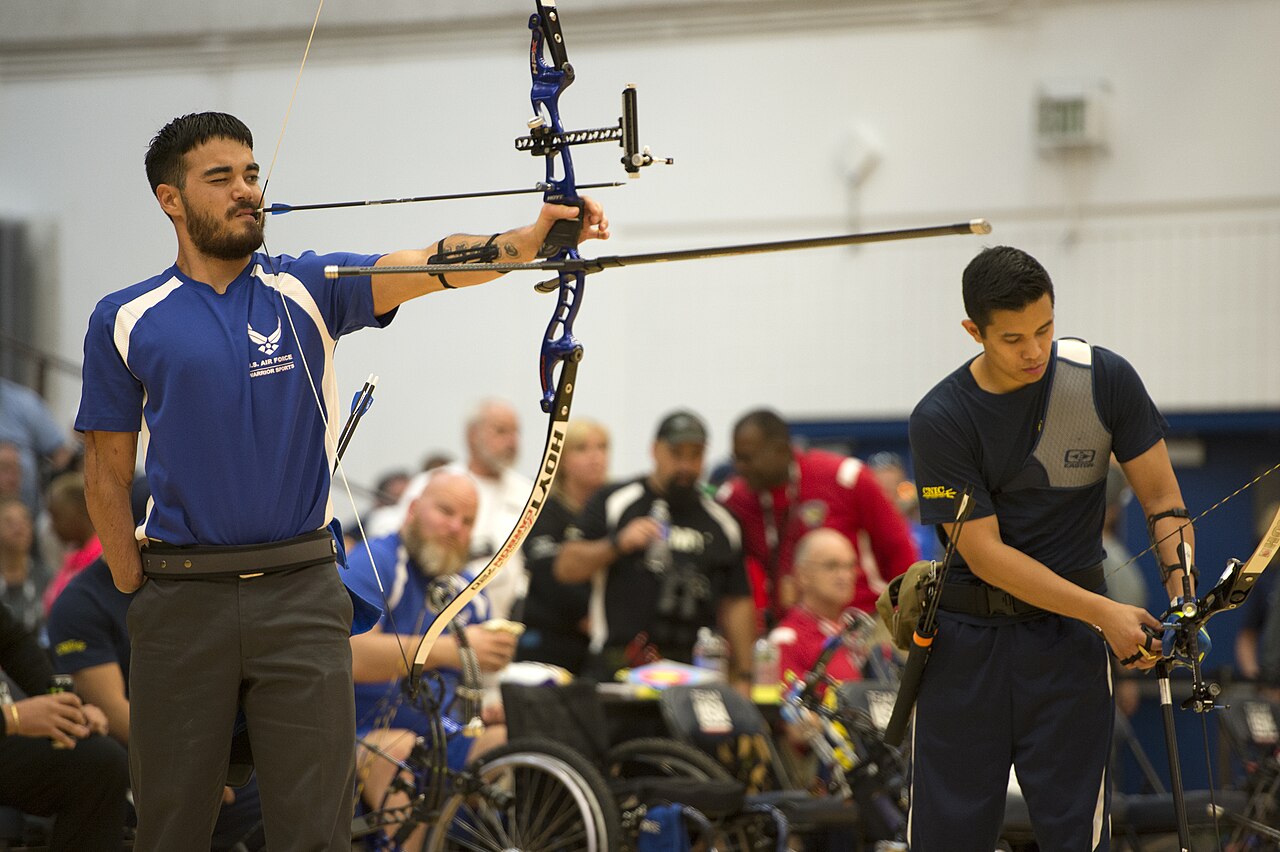
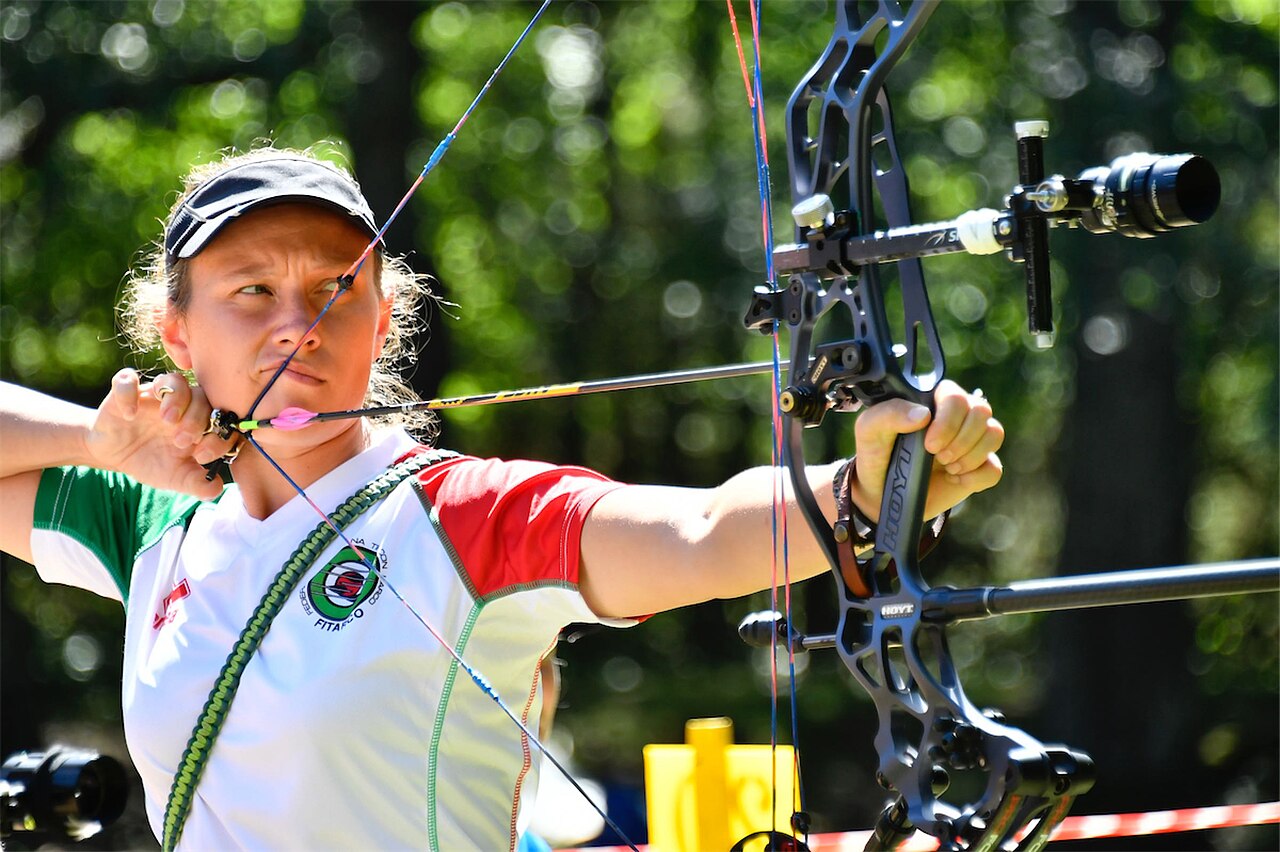
Gear gets you in the door. Form keeps you on the X-ring.
- Stance — Feet shoulder-width, slight open stance (front foot ~15° toward target).
- Grip — Relax the bow hand. Pressure on the meaty pad of the thumb. Knuckles at 45°.
- Hook — Index-finger releases hook the D-loop with the first knuckle. Hand-held releases use the thumb pad.
- Draw — Use back muscles, not biceps. Bow arm stays soft, rear elbow drives back.
- Anchor — Same point every time. Common: knuckle behind the jaw, string touching the nose, peep aligned with sight housing.
- Aim — Float the pin on the spot. Don’t chase it.
- Release — Surprise shot. Continue pulling through the wall — don’t punch the trigger.
- Follow-through — Bow falls forward, release hand finishes near your ear.
Watch: Compound Bow Setup & Tuning
Maintenance & Safety
- Wax the string every 200 shots or whenever it looks fuzzy.
- Inspect cables for fraying or stretching. Replace strings/cables every 2,500–3,000 shots or 2 years, whichever comes first.
- Never dry fire — releasing the string without an arrow can destroy a bow and injure you. Most warranties are voided.
- Check limb bolts with a hex wrench periodically. Vibration can loosen them.
- Store the bow in a case, out of direct sunlight, away from extreme heat.
Final Thoughts
A compound bow is the most accurate, most adjustable, and most rewarding bow you can shoot. The barrier to entry feels steep — but once you’re set up with a properly fitted bow, a clean tune, and a thousand reps of solid form, you’ll be ringing steel at 60 yards and stacking arrows in a fist-sized group. Start with a fitted bow, invest in good arrows and a release, and shoot every week. The bow does its job. The rest is on you.
Sources
- Hoyt Archery — Official Bow Specifications
- Mathews Archery — Lift Series Technical Data
- PSE Archery — Mach 34 Spec Sheet
- Archery 360 — How to Tune a Compound Bow
- Bowhunting.com — Community Forums
- Field & Stream — Bowhunting Section
