Archery Blog
Archery Target Guide: Types, Sizes, Materials & Setup Tips
Mar
Archery Target Guide: Types, Sizes, Materials & Setup Tips
Choosing the right archery target is crucial for developing accuracy and consistency in your shooting. Whether you’re practicing in your backyard, at an indoor range, or preparing for competition, understanding target types, sizes, and materials will significantly improve your archery experience. This comprehensive guide covers everything you need to know about archery targets for all skill levels and shooting styles.
Standard Archery Target Specifications
World Archery Federation (WA) targets follow precise specifications that govern competitive archery worldwide. The standard outdoor target face measures 122cm in diameter with ten concentric scoring rings. The center gold (9 and 10 rings) measures 24.4cm across, providing a challenging yet achievable target for archers to develop precision.
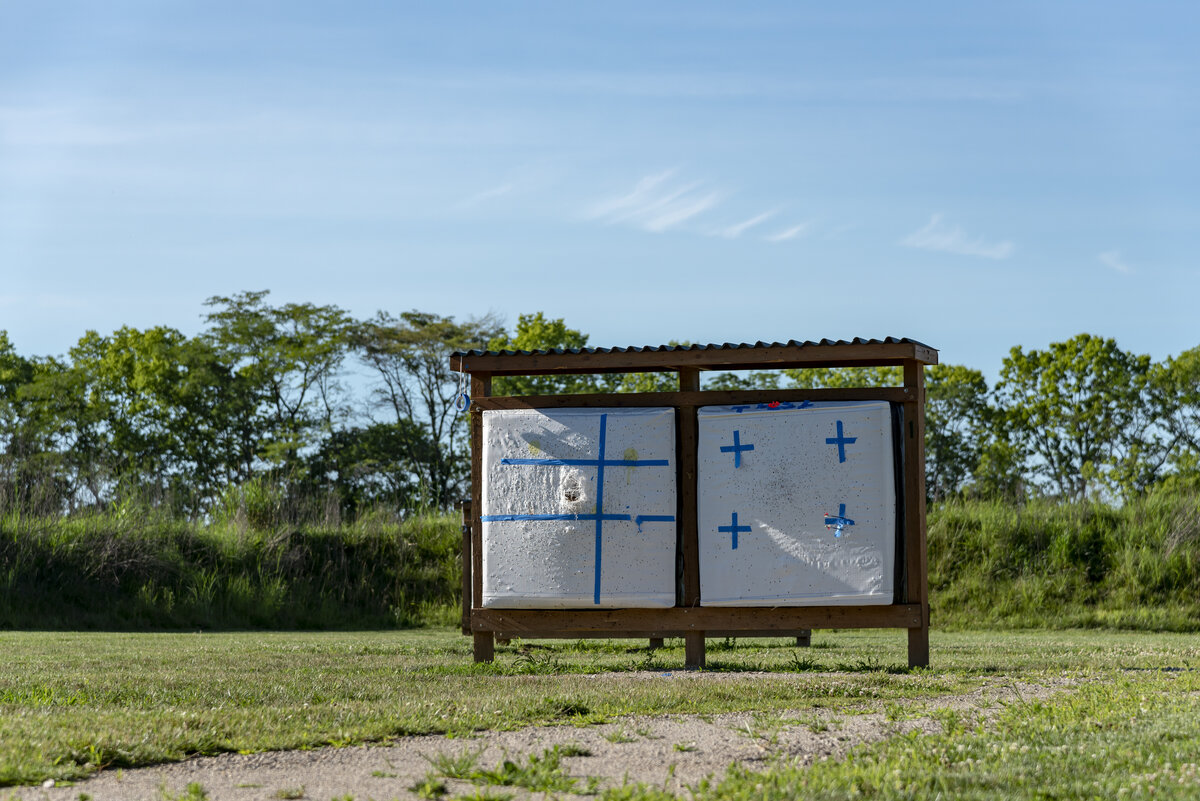
Indoor archery typically uses smaller 40cm or 60cm target faces, allowing for closer shooting distances and more controlled environments. These compact targets maintain the same ring proportions as full-size targets, ensuring consistent training regardless of venue size.
The scoring system awards 10 points for the inner gold ring, 9 for the outer gold, 8 and 7 for red rings, 6 and 5 for blue, 4 and 3 for black, and 2 and 1 for the outermost white rings. Understanding target scoring helps archers track improvement and set realistic practice goals.
Target Backstop Materials
The backstop material significantly affects arrow penetration, target durability, and arrow retrieval ease. High-density foam remains the most popular choice for serious archers due to its excellent stopping power and clean arrow release. These targets can handle high-speed arrows from compound bows while maintaining face integrity for hundreds of shots.

Straw bale targets offer an economical solution for traditional archers and beginners. Compressed straw provides adequate stopping power for lighter draw weights while remaining budget-friendly and easily replaceable. However, straw targets work best with lighter arrows and may not stop high-energy carbon arrows effectively.
Bag targets filled with synthetic materials or recycled clothing provide excellent portability for field practice. These targets excel at stopping broadheads and field points while offering easy transportation for mobile shooting sessions.
3D Archery Targets
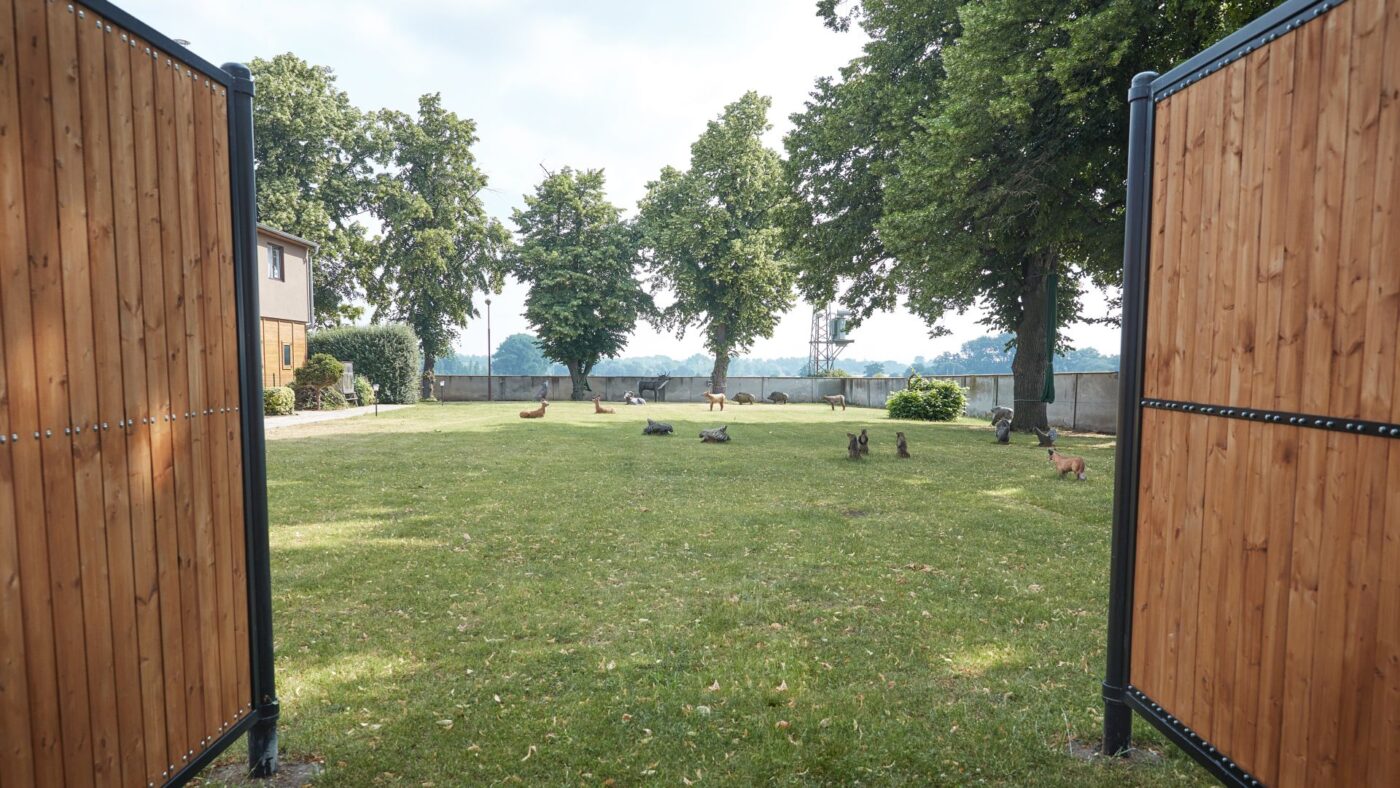
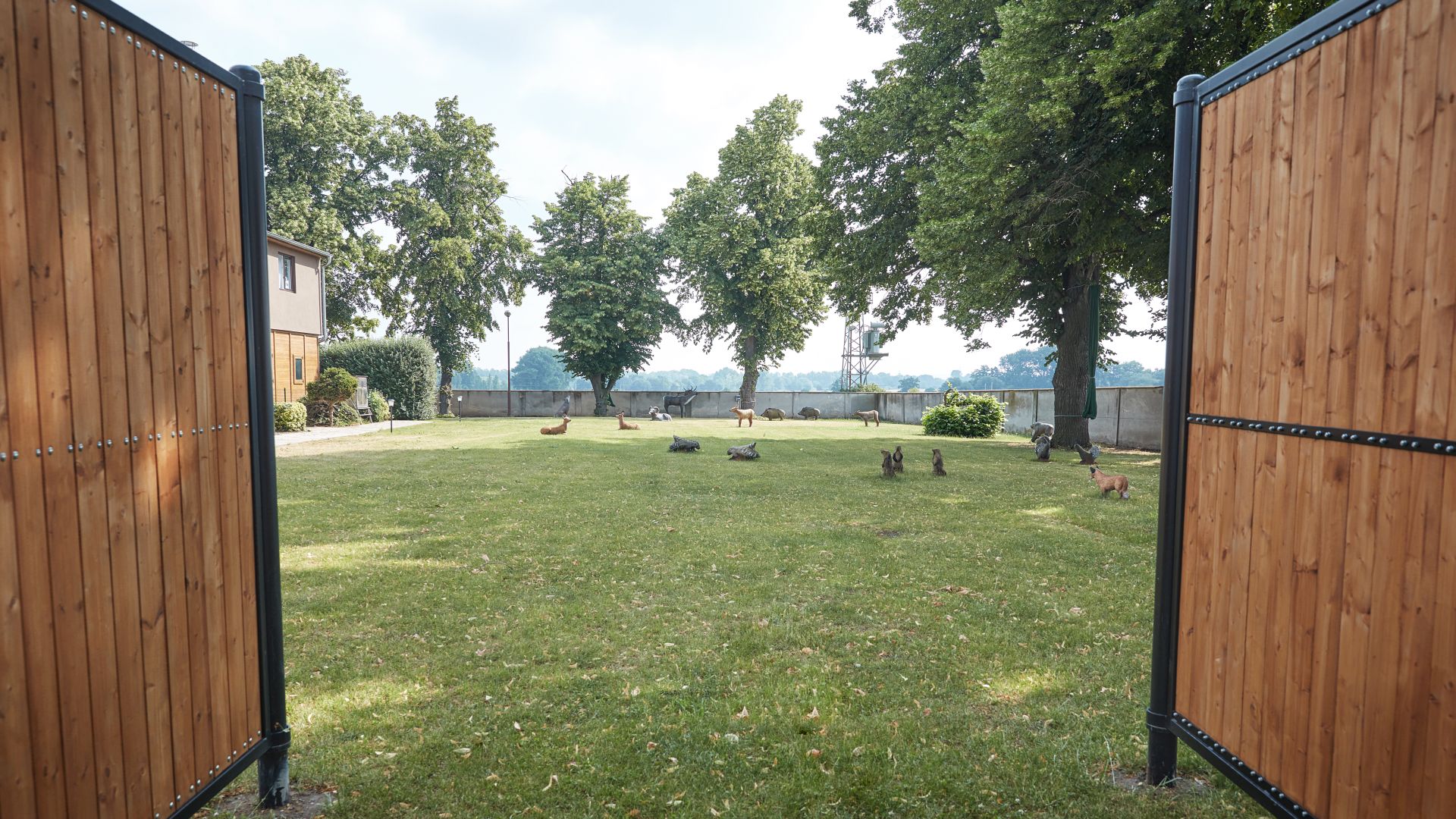
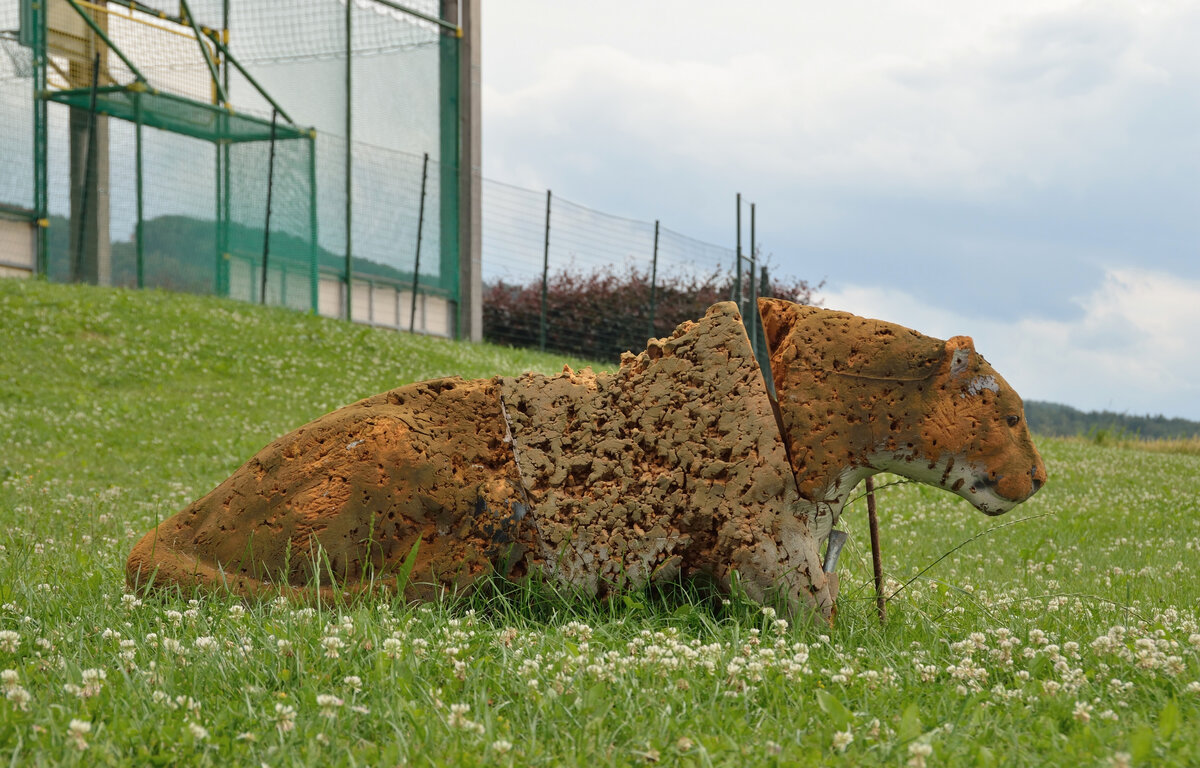
Three-dimensional archery targets simulate real hunting scenarios and add excitement to practice sessions. These life-sized foam animals feature anatomically correct scoring zones that help bowhunters develop shot placement skills critical for ethical harvests.
Popular 3D target animals include deer, elk, bear, turkey, and various African game species. Quality 3D targets feature replaceable vital sections, allowing archers to continue using the target even after the high-scoring zones wear out from repeated hits.
Many archery clubs host 3D tournaments that combine competitive shooting with realistic hunting scenarios. These events often feature unmarked distances, forcing archers to develop range estimation skills essential for field archery and bowhunting success.
Outdoor Range Setup
Establishing a proper outdoor archery range requires careful consideration of safety zones, target positioning, and backdrop materials. The shooting line should provide adequate space for multiple archers while maintaining clear sight lines to all targets.

Target stands must withstand weather conditions and provide stable platforms for accurate shooting. Adjustable stands allow for various target heights and angles, accommodating different shooting styles and practice scenarios.
A proper backdrop behind targets is essential for arrow containment and safety. Natural hillsides, earthen berms, or commercial backstop nets prevent arrows from traveling beyond the shooting area. Never shoot without adequate backstop protection, even in rural areas.
Distance markers help archers practice at regulation distances. Outdoor target archery typically uses distances of 70, 60, 50, and 30 meters for different divisions and skill levels. Field archery courses feature varied unmarked distances from 5 to 80 yards.
Indoor Target Configuration
Indoor archery ranges typically feature 18-meter shooting distances with smaller target faces to maintain scoring difficulty. Proper lighting ensures consistent sight pictures and reduces eye strain during extended practice sessions.
Ventilation systems help maintain comfortable shooting conditions while preventing arrow fletching from being affected by air currents. Sound dampening materials reduce noise levels, creating a more pleasant environment for concentrated practice.
Target spacing should allow multiple archers to shoot simultaneously without interference. Standard lane widths provide adequate space for different shooting styles while maintaining safety protocols.
Target Maintenance and Longevity
Proper target maintenance significantly extends target life and maintains shooting accuracy. Rotating target faces regularly distributes wear patterns, preventing concentrated damage in high-scoring areas.
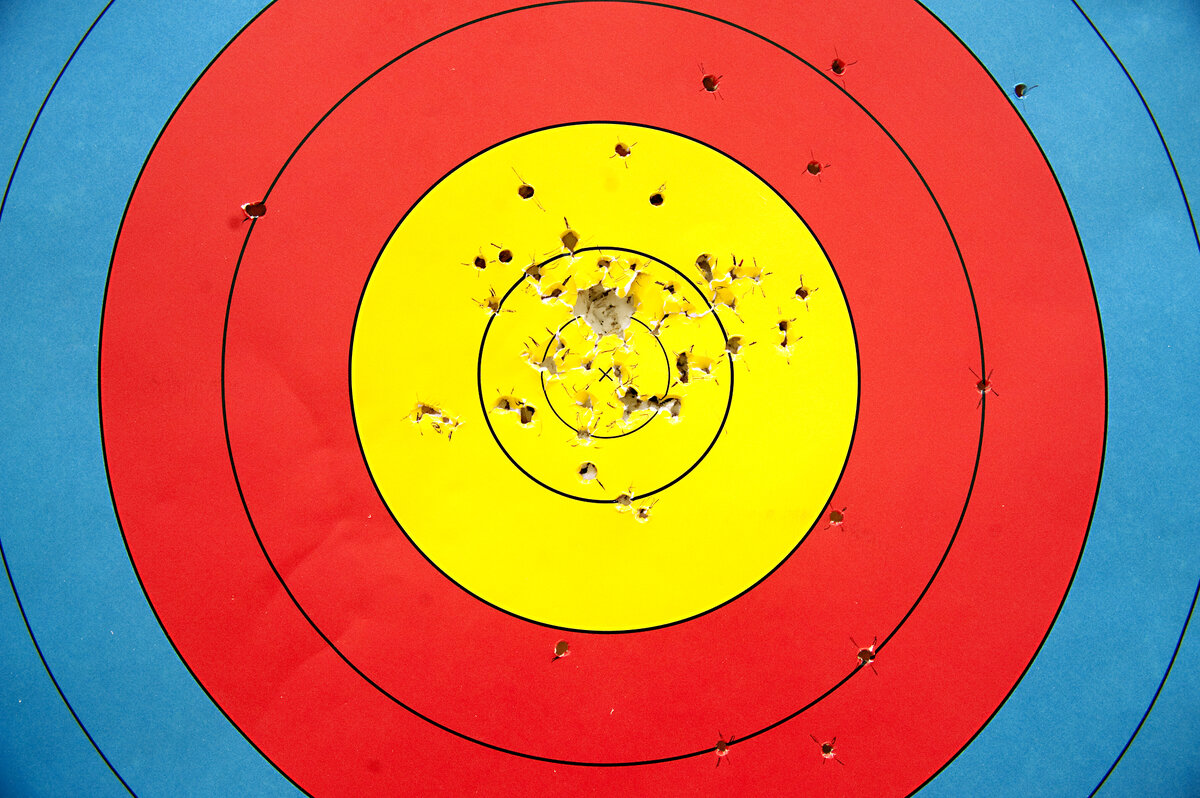
Weather protection extends outdoor target life considerably. Waterproof covers or storage prevents moisture damage that can cause foam targets to deteriorate or paper faces to delaminate.
Regular inspection identifies damage before it affects shooting performance. Small holes can be filled with compatible foam, while severely damaged sections may require replacement to maintain target integrity.
Specialty Target Applications
Different archery disciplines require specialized target configurations. Field archery uses various sized faces at different distances, challenging archers with diverse shooting scenarios that simulate hunting conditions.
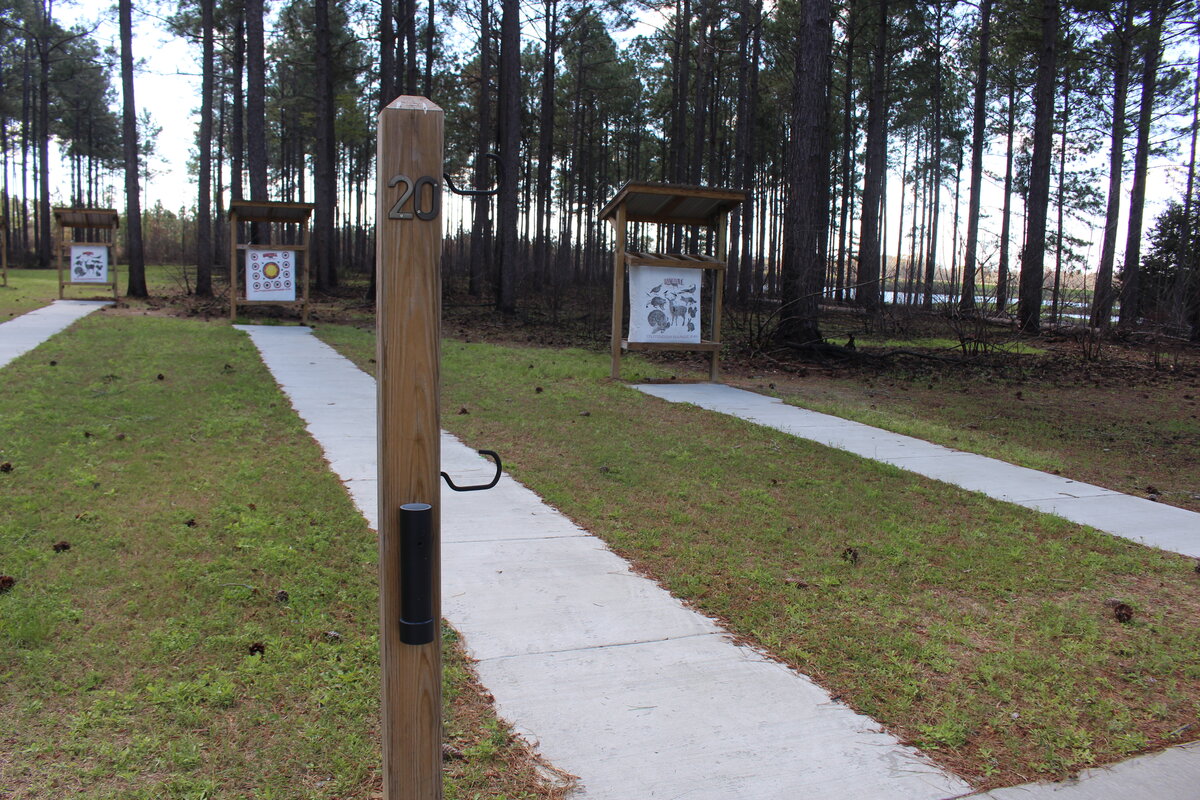
Traditional archery often employs larger target faces or novelty targets to emphasize fun over precision scoring. Foam animal targets, balloons, or even foam blocks with painted designs add variety to traditional archery sessions.
Competitive archers may use specialized training targets featuring reduced scoring rings or dots to develop precision shooting skills. These targets force archers to achieve tighter groups for successful scoring.
Target Selection by Bow Type
Compound bow users need targets capable of stopping high-velocity arrows with significant kinetic energy. Dense foam or layered targets provide necessary stopping power while allowing clean arrow removal without damage.
Recurve and longbow archers can use lighter targets due to lower arrow speeds and energy transfer. Straw bale targets work well for traditional archery while providing an authentic shooting experience.
Crossbow targets require extra stopping power due to the high energy output of modern crossbows. Specialized crossbow targets feature additional density layers and reinforced construction to handle the increased force safely.
Safety Considerations
Target placement must prioritize safety above all other considerations. Adequate backstop protection prevents arrows from traveling beyond designated shooting areas, protecting people and property from accidental strikes.
Clear communication protocols ensure all participants understand range commands and safety procedures. Established shooting lines and designated retrieval times prevent accidents during group shooting sessions.
Regular equipment inspection identifies potential safety hazards before they cause accidents. Damaged targets, loose stands, or inadequate backstops require immediate attention to maintain safe shooting conditions.
Cost-Effective Target Solutions
Budget-conscious archers can create effective targets using readily available materials. Cardboard boxes filled with packing materials provide temporary targets for casual shooting sessions.
Community-built targets using donated materials help archery clubs reduce costs while engaging members in hands-on projects. Group construction efforts build camaraderie while creating functional equipment.
Repair and refurbishment extend target life significantly compared to replacement costs. Learning basic target repair skills saves money while maintaining equipment performance throughout extended use periods.
Competition Target Standards
Tournament archery requires strict adherence to target specifications established by governing bodies. Understanding these standards helps competitive archers practice under conditions that match actual competition environments.
Target face quality affects scoring precision and fairness. Official tournament targets use specific materials and printing standards that ensure consistent scoring across all shooting lanes and distances.
Setup procedures for competition targets follow detailed protocols that eliminate advantages or disadvantages between shooting positions. Proper implementation ensures fair competition for all participants.
Selecting the appropriate archery target enhances practice effectiveness and shooting enjoyment across all archery disciplines. Whether you’re developing basic skills with standard targets or challenging yourself with 3D animals and field courses, understanding target types, materials, and setup requirements ensures optimal training conditions. Quality targets represent an investment in your archery development, providing consistent practice platforms that support skill advancement from beginning through advanced levels.
