
Archery Blog
Which Compound Bow Brands Own Each Price Range — and Why It Matters
Jul
The compound bow market has never been more crowded — or more confusing. Walk into any archery shop or browse major retailers and you’ll find bows spanning $179 to over $2,000, all filed under the same category label. That range isn’t arbitrary pricing chaos. It reflects a genuine hierarchy of manufacturers, component quality, engineering investment, and performance targeting. Understanding which brands compete in which tier — and what they’re actually optimizing for — makes the buying decision far cleaner than parsing spec sheets alone.

The Entry-Level Tier ($200–$400): Where Brand Identity Gets Built
Most new compound bow shooters land in this bracket by default, drawn by accessible prices and the promise of complete packages that include a quiver, arrows, and basic accessories right out of the box. Two brands own this tier almost entirely: Bear Archery and its sister brand Diamond Archery, both distributed by Escalade Sports. They’ve occupied this space long enough that their names have become shorthand for entry-level compound bows in the same way Kleenex became shorthand for tissues.
Bear Archery has occupied the entry-level compound space for decades. Their RTH (Ready to Hunt) packages address the practical reality that beginners need a full setup, not just a bare bow. The adjustable draw weight and draw length specifications common across their starter lineup reflect deliberate engineering decisions for growing shooters or buyers who don’t yet know their exact measurements. That adjustability isn’t a compromise — it’s a feature that genuinely serves the entry-level audience, most of whom will change their setup as their form develops.
Diamond Archery, Bear’s purpose-built budget brand, takes the value-first approach further. Their Infinite Edge series — designed to cover draw lengths from 13″ to 31″ and draw weights from 5 to 70 pounds — became something of an industry benchmark for accessibility. A single bow could be adjusted to fit a child, then grown into by an adult, making it a favorite for households with multiple aspiring archers and a strong first recommendation for any archery shop fitting a beginner who isn’t sure where their measurements will land.
What Entry-Level Packages Actually Include
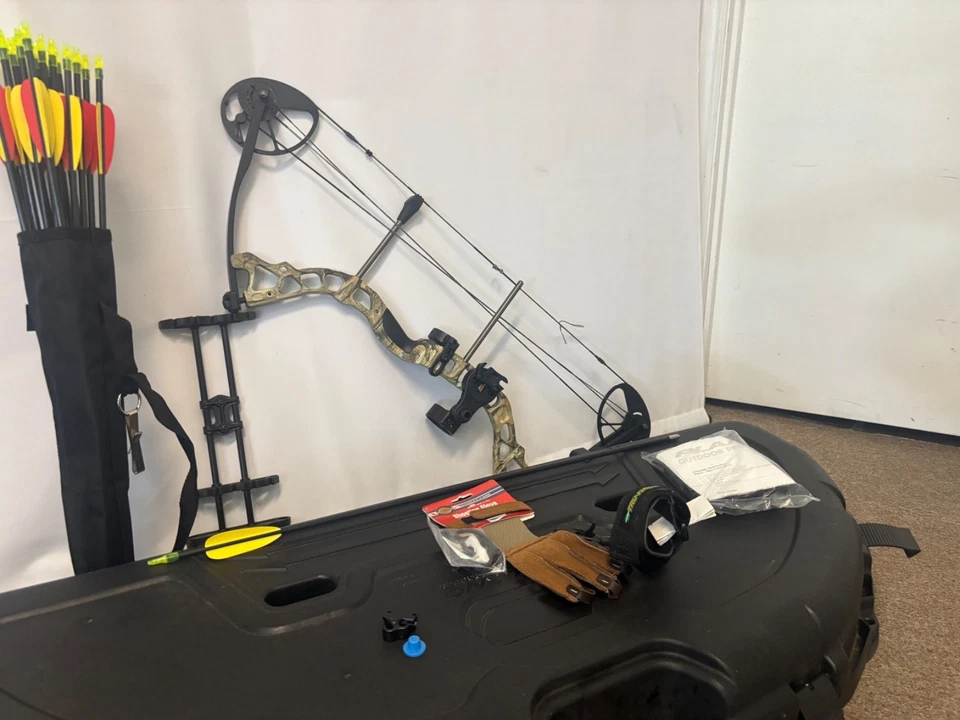
Packages in the $200–$400 range typically bundle a 3–5 pin fiber optic sight, a whisker biscuit-style arrow rest, a wrist sling, a 5-arrow quiver, and often a basic arrow set. The components are functional, not premium — but that distinction matters less than it might seem at the beginner stage. A whisker biscuit is forgiving of the form errors that would cause a blade rest to deflect arrows erratically. A basic pin sight is more than adequate for learning anchor point, sight picture, and trigger management. The package approach solves the accessory paralysis problem for someone who doesn’t yet know what they prefer, and the brands in this tier have refined the bundle formula across enough product generations to get it right.
Shop Beginner Compound Bow Packages on Amazon →
The Mid-Range Tier ($400–$700): Where Performance Starts to Separate Shooters
Once a shooter develops consistent form and begins identifying the limits of their equipment, the gap between entry-level and mid-range hardware becomes tangible. The cam systems in budget bows are engineered for adjustability over precision. The aluminum used in entry-level risers, while structurally adequate, typically isn’t milled to the tolerances that measurably improve vibration dampening and shot-to-shot consistency. Mid-range bows from PSE Archery, Mission Archery, and select Hoyt lines address these gaps without requiring a tournament-level investment.
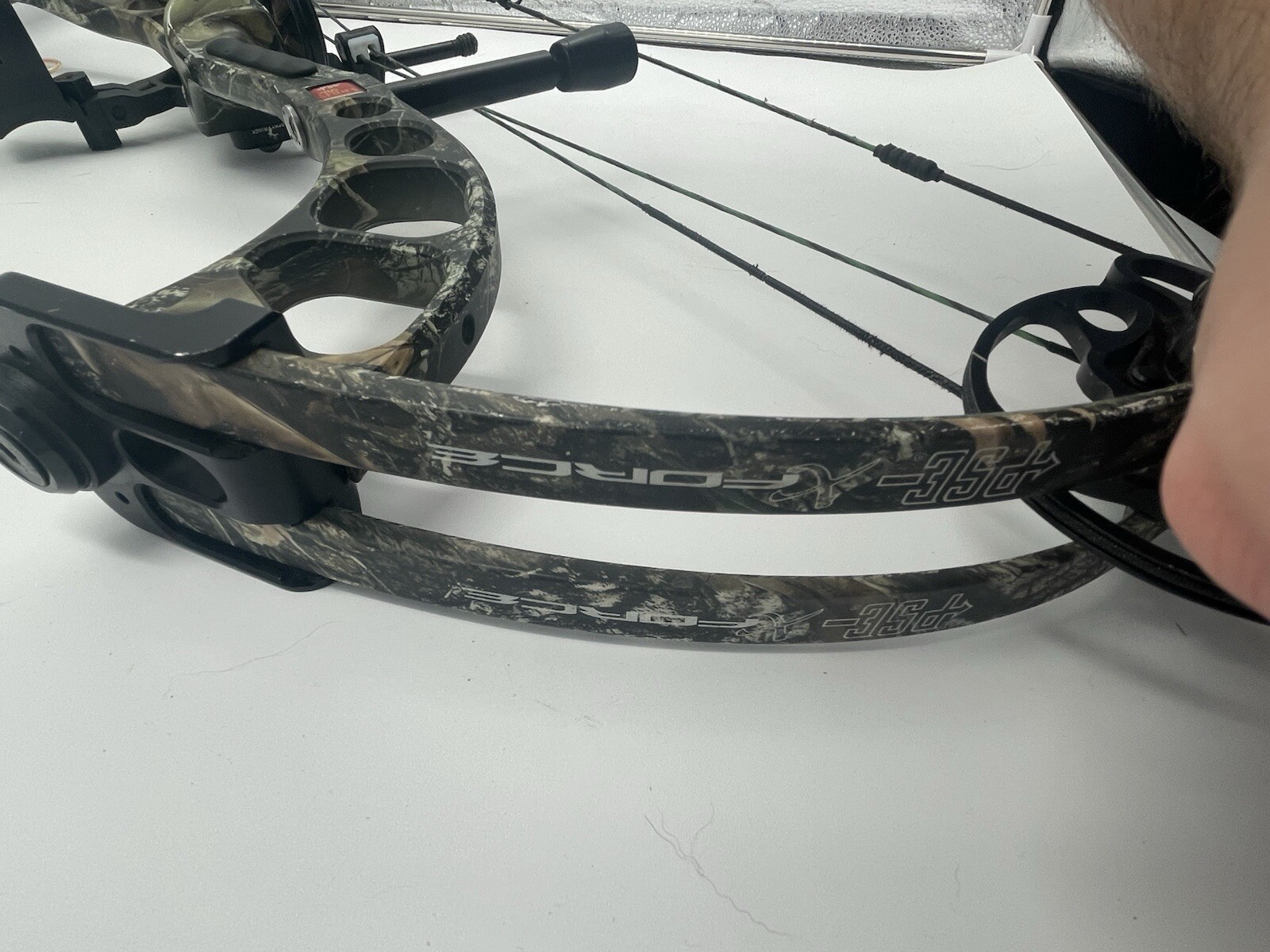
PSE Archery has long held a practical position in this market. Their designs historically emphasize speed — PSE was among the first manufacturers to push IBO speed ratings into territory previously occupied only by premium brands. Several of their mid-range offerings deliver arrow speeds competitive with bows from higher tiers, making PSE a particularly strong choice for hunters who want ballistic performance at a more accessible price. Mission Archery covers the accessible end of the mid-range with a lineup designed to bring shooters up from entry-level packages without the sticker shock of jumping directly to performance-tier hardware.
The Technology Upgrade Worth Paying For
At the mid-range level, the cam system becomes genuinely relevant to the shooter’s physical experience. Binary cam systems and refined single-cam designs in this tier typically offer smoother draw cycles and more consistent nocking point alignment than the simpler twin-cam systems found at entry level. This difference is measurable at the shot: a cleaner transition through the valley — the reduced-weight holding phase at full draw — allows longer holds without muscle fatigue, which directly affects accuracy under field conditions or during extended practice sessions.
Limb quality improves meaningfully here as well. Mid-tier limbs often use fiberglass composites with more careful layup processes, reducing hand shock and improving energy transfer to the arrow. The difference isn’t dramatic on a single shot, but across a 60-arrow practice session, reduced hand shock accumulates as less fatigue and better group consistency. Hoyt’s accessible lines in this tier also introduce some of their signature vibration dampening technologies, offering a preview of the engineering philosophy that defines their premium products.
Shop Mid-Range Compound Bows on Amazon →
The Performance Tier ($700–$1,200): Competition-Ready Hardware from Focused Brands
Crossing the $700 threshold represents a genuine shift in the manufacturing philosophy behind the bow. Below that mark, most bows come from large companies producing high volumes across multiple brand identities. Above it, dedicated archery manufacturers with narrower, more focused product lines take over. Elite Archery, Prime Archery, and Hoyt’s mid-to-upper pro series occupy this space — and the difference in company DNA shows up in the product.
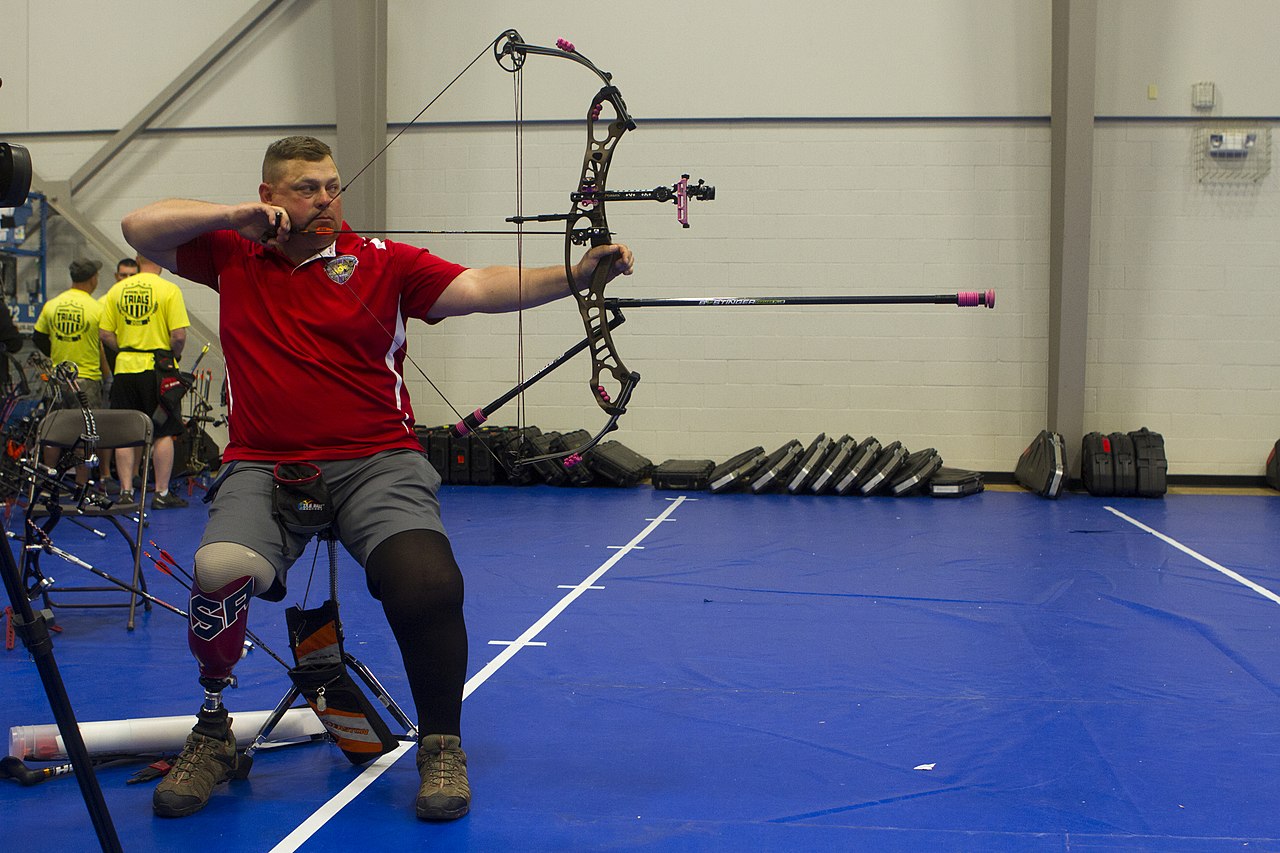
Elite Archery builds bows specifically for competitive indoor and 3D archery applications. Their design language prioritizes minimal hand shock and a smooth, valley-heavy draw cycle — a necessity for competitive shooters who may need to hold through wind gusts or mental resets without the bow telegraphing that hold into the arrow. Elite’s products are narrowly focused on what competition shooters want, which makes them less versatile for hunters but exceptional for their intended audience.
Prime Archery’s approach centers on their parallel limb geometry, where both limbs operate in the same plane at full draw. The engineering intention is to eliminate the torquing forces that create vibration and introduce inconsistency at the shot. In practice, Prime bows are known for an unusually quiet, vibration-free shot — a characteristic their owners frequently cite as the defining reason they chose the brand over competitors at similar price points.
Tolerances and Tune-Ability at This Tier
At the performance price point, the riser is almost certainly CNC-milled from 6061 aluminum or, in some models, carbon composite. CNC milling allows tolerances tighter than cast or extruded riser blanks — and tighter tolerances mean more consistent limb pocket angles, which translate directly to arrow clearance and initial tune. A well-milled limb pocket holds limb bolts more consistently under repeated shots, meaning the bow stays in tune longer between adjustments and requires less maintenance to keep shooting to its potential.
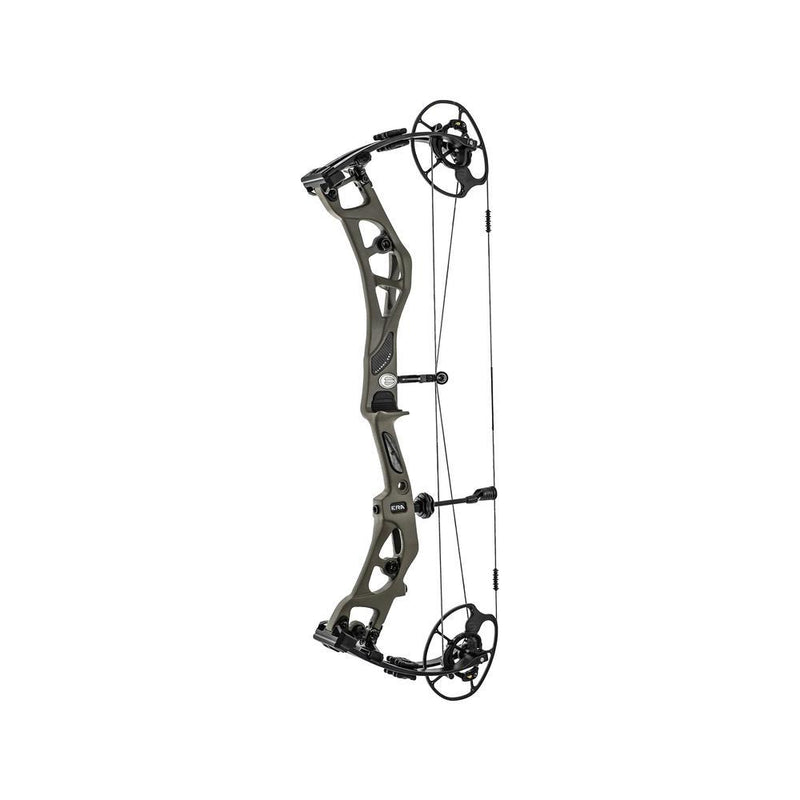
This level of tune-ability matters most to shooters who’ve built genuinely consistent form. A beginner on an ultra-precise bow struggles to separate their own inconsistencies from the bow’s behavior, making tuning a frustrating exercise in chasing moving targets. A shooter with solid, repeatable fundamentals extracts measurably better performance from a performance-tier bow — and the tuning process itself becomes an informative feedback loop rather than a guessing game. The entry point to this tier is roughly where competitive archery and serious bowhunting intersect.
Shop Performance Compound Bows on Amazon →
The Elite Tier ($1,200+): Mathews, Hoyt Pro Lines, and the Precision Premium
Mathews Archery holds a category-defining position at the top of the compound bow market. Their reputation for ultra-smooth draw cycles and exceptional out-of-the-box tune drove compound bow design trends for years — competitors openly built features in response to Mathews’ market moves. Hoyt’s pro series similarly targets the elite buyer who prioritizes every measurable technical advantage. At this price point, the gap between manufacturers narrows considerably, and brand philosophy along with community trust become as important as the engineering specifications themselves.
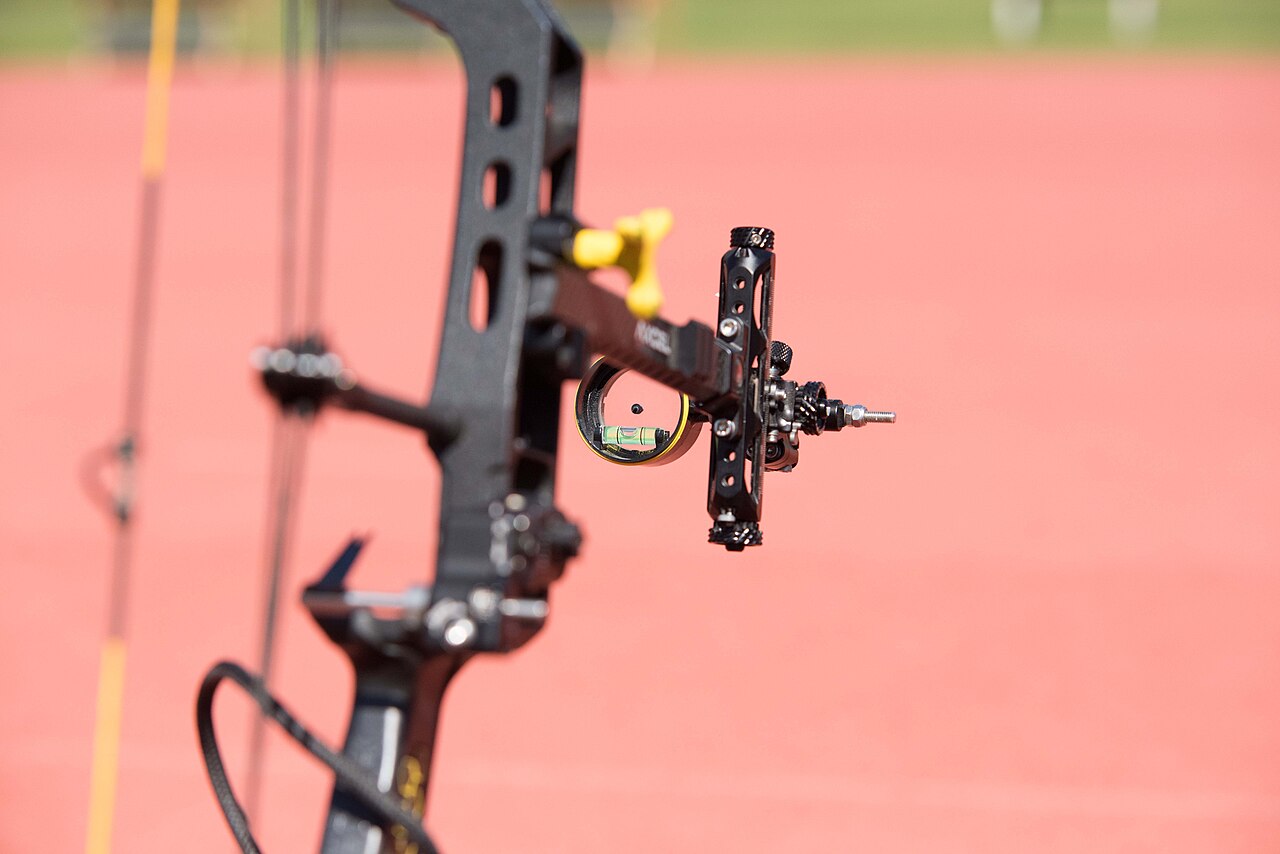
At $1,200 and above, you’re paying for several things simultaneously: tighter manufacturing tolerances on every component, proprietary dampening systems integrated directly into the riser, premium limb material and layup, and the brand equity of a bow that elite archers recognize and trust. That last element is not trivial in competitive settings where confidence in your equipment feeds directly into mental performance on the line. Both Mathews and Hoyt’s top-tier products are also supported by deep dealer networks capable of servicing and tuning them to the high standards those bows demand.
When Top-Shelf Actually Makes Sense
The honest answer is that most recreational archers — even accomplished ones — will never extract the full performance advantage that a $1,500+ bow offers over a well-tuned $800 bow. The measurable difference in group size at 20 yards between a performance-tier and elite-tier bow, shot by a non-elite archer, is negligible. But there are genuine cases where the top tier justifies itself cleanly.
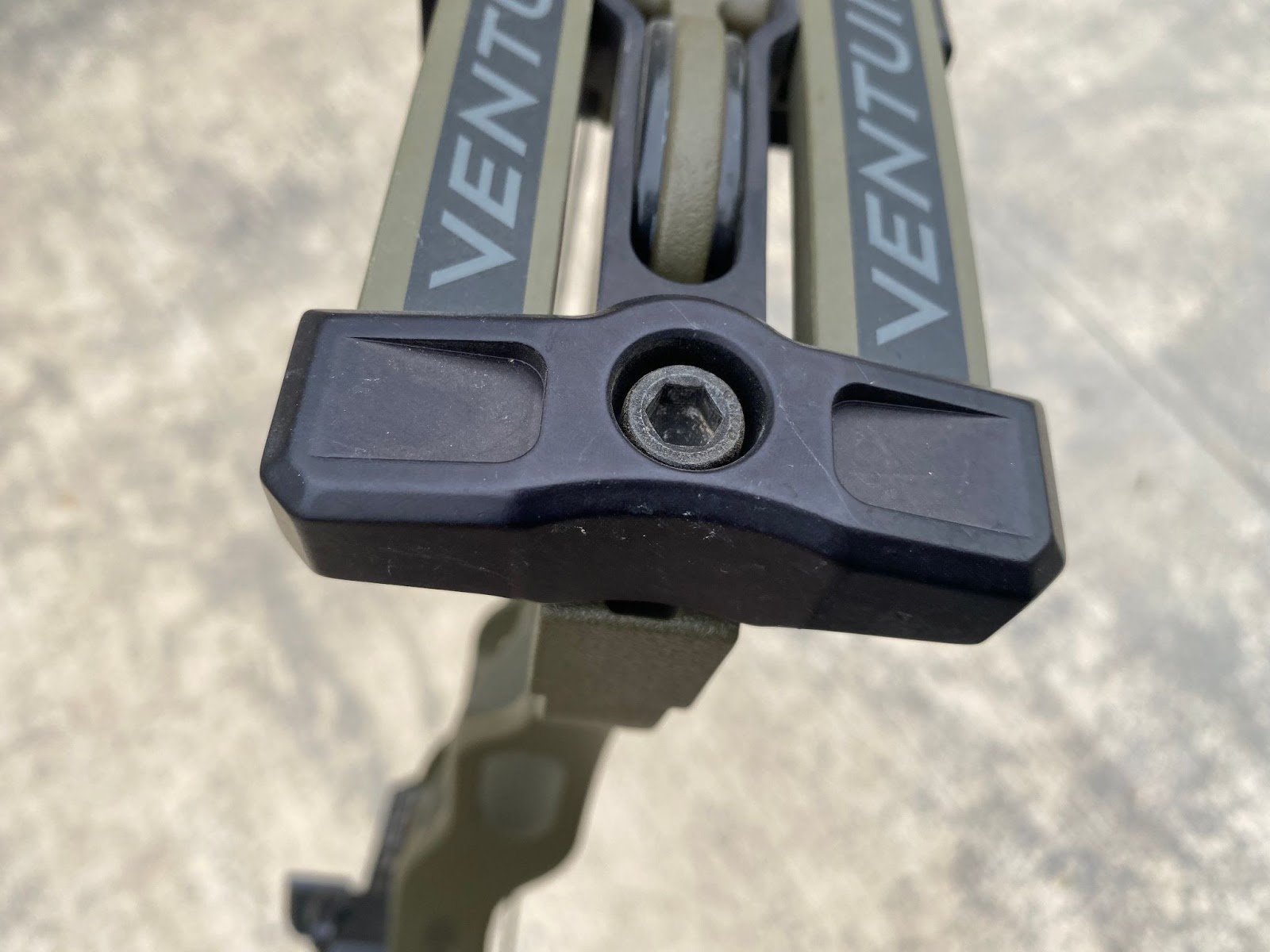
Competitive archers shooting at regional, national, or international level benefit from every technical edge the equipment allows — at that level, equipment parity means the decisive margins are razor-thin, and elite gear removes one variable from an already demanding equation. Dedicated bowhunters who draw once a season in high-stakes moments value absolute confidence in their equipment more than any per-dollar performance calculus. And straightforwardly, some archers enjoy premium equipment for its own sake and can afford it — which is a legitimate reason to buy at the top of the market without apology.
Reading the Market Before You Buy
Whatever tier fits your current stage, a few principles hold across the entire price range. Buy from a dealer who will set the bow to your draw length and draw weight before you leave — factory settings are starting points, not final setups, and a bow configured incorrectly can build form habits that take months to undo. The accessory budget matters as much as the bow budget: a $700 bow with a $40 sight will underperform a $400 bow with a quality $150 sight under many conditions. And the used market exists at every tier, offering real value — particularly for performance and elite bows from two or three model years ago, which represent the current tier’s technology at the previous tier’s price.
The compound bow market, for all its apparent complexity, resolves into a relatively clean hierarchy. Bear and Diamond own the entry-level space by design and long-term positioning. PSE and Mission provide accessible mid-range performance with an emphasis on adjustability and speed value. Elite and Prime serve precision-focused buyers who’ve outgrown mid-range tolerances. Mathews and Hoyt’s pro lines define the ceiling and set the design trends that ripple down through every other tier. Understanding where each brand deliberately positions itself — and what it’s actually optimizing for at that price — is a more useful buying framework than any specification chart you’ll find in a catalog.
Sources
