
Archery Blog
Becerra Named 2025 World Cup Champion | Archery Weekly Jul 13-19
Jul
A world title changed hands this week without a single arrow being shot. Andrea Becerra of Mexico was formally awarded the 2025 compound women’s World Cup crown on July 16 after her teammate and rival Mariana Bernal was disqualified over a positive steroid test — the kind of ending nobody wants but that reshapes the record books all the same. Add para archery’s first-ever South American Games program, a continental championship about to open in Algeria, and a somber loss for French archery, and this was a heavier week than the mid-summer calendar usually serves up. Here’s what mattered.
Becerra Named 2025 Archery World Cup Champion After Bernal Ban
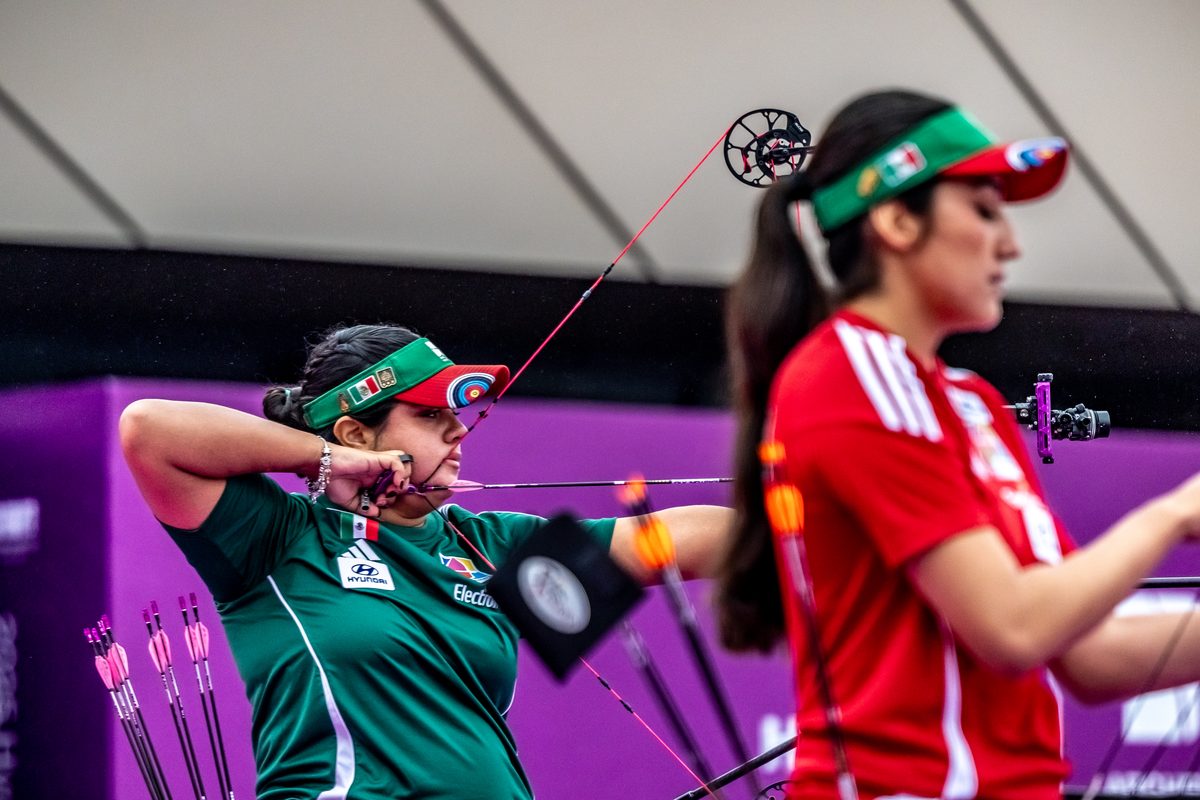
Mexico’s Andrea Becerra is now the reigning World Cup champion, and she earned the trophy in a courtroom rather than a shoot-off. World Archery reallocated the 2025 Nanjing World Cup Final compound women’s title to her on July 16 after Mariana Bernal — who had beaten Becerra in a nerve-shredding one-arrow shoot-off in the original final — was disqualified for an anti-doping rule violation.
The details behind the reshuffle are grim. Bernal, 23, tested positive for nandrolone in an out-of-competition sample last September. The International Testing Agency handed her a three-year suspension — reduced from four for an early admission — that keeps her sidelined until after the 2028 Los Angeles Olympics. With her results wiped, the revised podium reads Becerra first, India’s Jyothi Surekha Vennam second, and Great Britain’s Ella Gibson third, with prize money redistributed to match. For Becerra, already the reigning outdoor World Champion, it’s a strange first World Cup Final trophy: deserved on paper, hollow in the moment. My take — she’ll trade the circumstances for the ranking points every time, because a title defended in 2026 will feel a lot cleaner than one inherited in a press release.
There’s a competitive ripple here too. The Mexican compound women’s team has been one of the deepest in the world, and losing Bernal until 2029 opens a lane for teammates and rivals alike heading into the LA28 build-up. Doping cases in archery are rare enough that each one lands hard, and this is the sport’s most high-profile positive test in years. It also underlines why World Archery has leaned harder into out-of-competition testing at the top of the compound field, where the margins between the podium and fourth place are often a single point across 15 arrows.
Para Archery Makes Its South American Games Debut in Valledupar
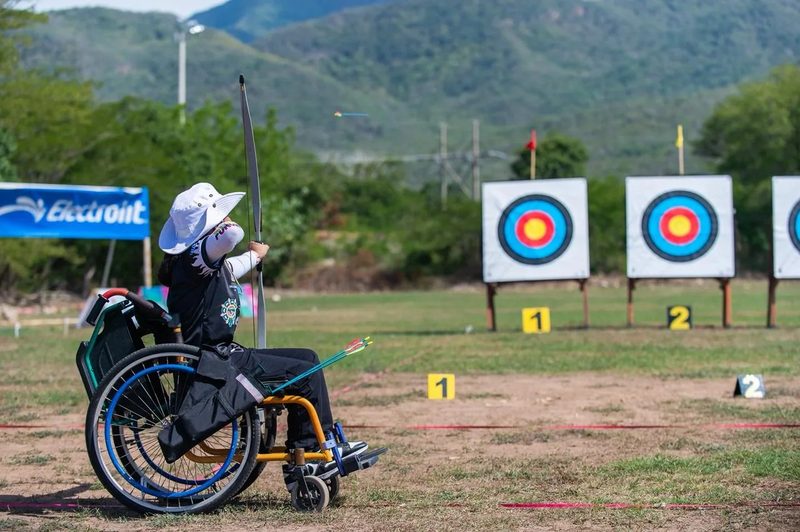
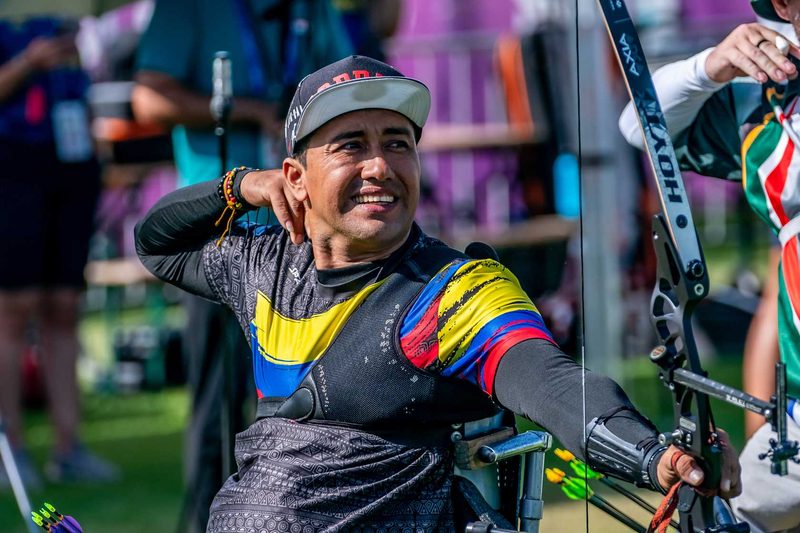
Para archery arrived on the South American Games program for the first time in Valledupar, Colombia, with competition running July 13–15 at the Armando Maestre Pavajeau stadium. Fifty athletes from eight countries chased 13 gold medals across the recurve, compound, W1 and visually impaired categories — a genuine milestone for a region that has been building its para pipeline for years.
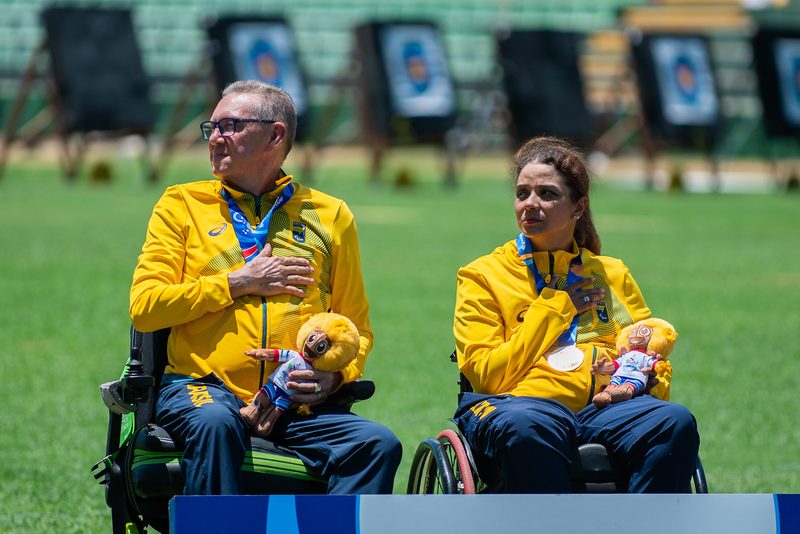
Brazil turned the debut into a statement, topping the count with 13 medals including six golds off the back of the largest delegation in the field. Eugenio Santana Franco and Juliana Cristina Ferreira da Silva took the W1 titles, Gustavo Mendes de Araujo won the visually impaired event, and Jane Karla Gogel was crowned compound women’s champion.
Hosts Colombia weren’t shut out. Ariana Correa and Cristian David Correa Alvaran salvaged home gold in the mixed compound team event, sending the local crowd home happy on the final day. Ecuador’s Joffre Javier Villavicencio (compound men’s) and Peru’s Daniela Campos Marzano (recurve women’s) rounded out a medal table that spread across five nations — exactly the depth organizers hoped to prove when they added the sport. Venezuela’s Edixon Parada and Nelson Rodriguez also picked up a compound doubles title, spreading the podium wider still.
Why does a regional debut matter to the rest of us? Because para archery’s growth curve tracks almost perfectly with the equipment and coaching investment a region makes, and South America has been pouring both in since the Paris Games. A dedicated continental program means more competition dates, more classified athletes, and a clearer path to the Paralympics — the same pipeline logic that turned recurve powerhouses into medal machines a decade ago.
Africa’s Best Head to Oran for the 15th Continental Championships
The 15th African Archery Championships open July 21–26 in Oran, Algeria, and the preview that dropped this week shows a field that keeps growing. World Archery confirmed 138 archers from 18 countries at the Mediterranean Village complex built for the 2022 Mediterranean Games, with Nigeria sending its largest-ever team to the continental meet.
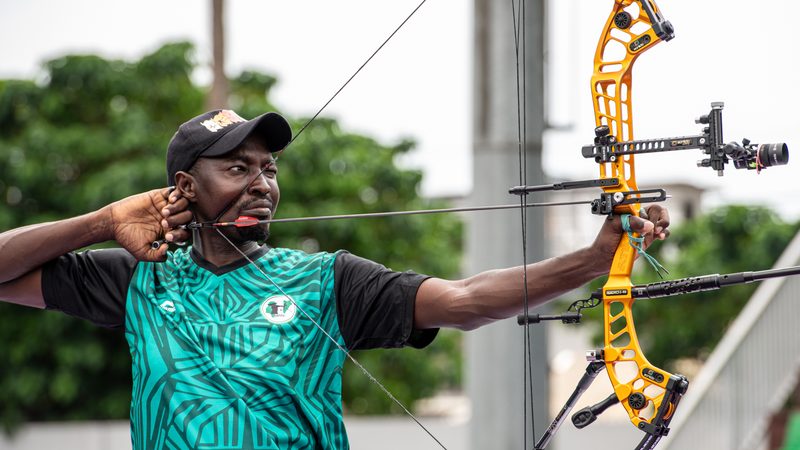
What makes this edition notable isn’t the senior recurve and compound brackets — it’s the youth. For the first time on the continent, the program adds recurve under-18 and under-21 categories alongside the usual senior barebow and para events. That’s how a federation builds for the next Olympic cycle: give the teenagers a real continental stage before they age into the senior ranks. If you want a barometer for where African archery is heading before LA28, Oran is the read.
Oran also inherits the event from Abidjan, Cote d’Ivoire, which hosted the 2025 edition, and the jump in entries year over year tells its own story. Eighteen nations is a strong turnout for a continent where travel and equipment costs remain real barriers, and the choice of the Mediterranean Village — a purpose-built athletes’ complex — signals that Algeria wants to run this at a level closer to a world event than a regional one.
Santo Domingo Names Its Archer Flag Bearer
The Central American and Caribbean Games get their archery program July 24–29 in Santo Domingo, and El Salvador handed one of its archers the honor of leading the delegation. Roberto Hernandez was named flag bearer for the 2026 Games on July 19 — a nod to how far Central American archery has climbed as it feeds the regional road toward Los Angeles.
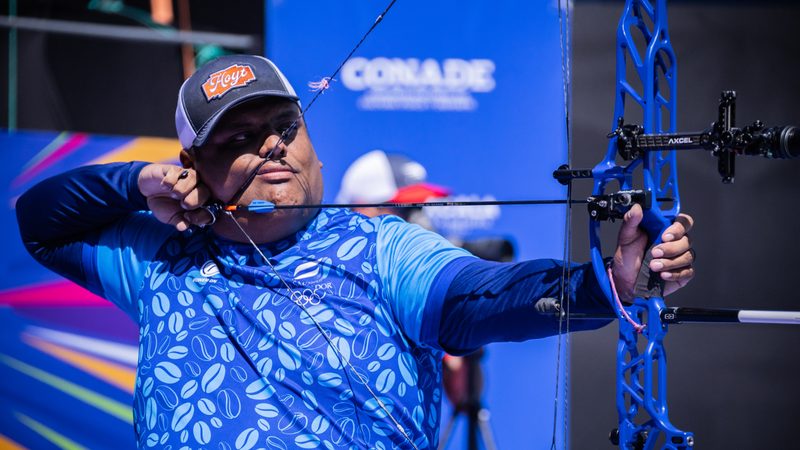
Flag-bearer picks are usually reserved for a nation’s most decorated athletes, so handing the role to a shooter says something about the sport’s rising profile in the region. For a country like El Salvador, which has quietly invested in compound talent through the San Salvador grand prix pipeline, it’s a visible reward for years of unglamorous work at the domestic level.
Archery Mourns Anne Reculet
The week’s hardest news came out of France. Anne Reculet, a high-performance leader within the French archery federation, died on July 14 at the age of 53. Tributes from across the international community followed, and for good reason — the coaches and administrators who build national programs rarely get the spotlight the athletes do, yet their fingerprints are on every medal.
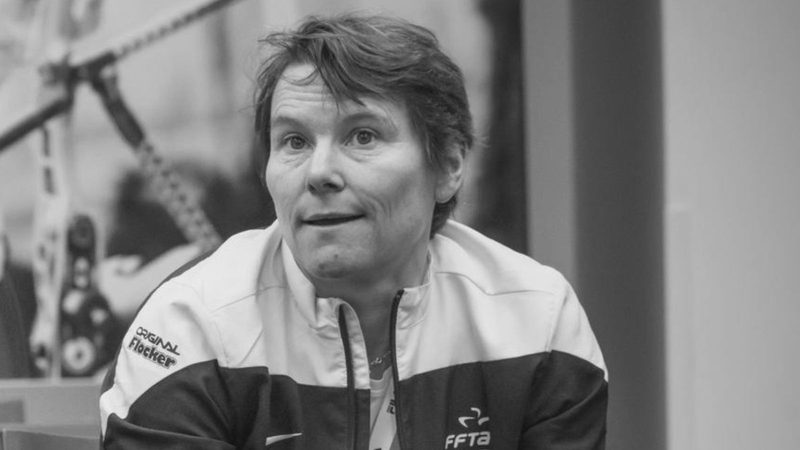
France has been one of the quiet success stories of the post-Paris cycle, and much of that structural work happens in the exact high-performance role Reculet held. Her passing is a reminder that the sport runs on people whose names never appear on a scoreboard. Our condolences go to her family and to everyone in the French archery community.
Quick Hits From Around the Sport
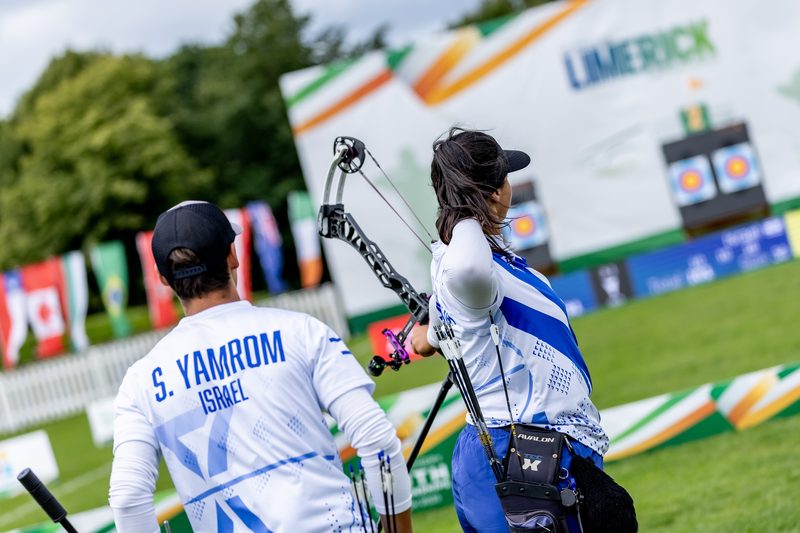
A few shorter items worth logging before the week closes. Israel’s federation posted an opening for a head compound coaching and coach-development role — a signal that the country intends to build out its compound program rather than lean on individual talent. World Archery also published its July newsletter, the monthly catch-all that’s worth a scroll if you follow the administrative side of the sport.
On the gear front, the compound-title reshuffle is a good excuse to talk about what actually separates elite compound shooters: consistency in the release and the stabilizer setup. A crisp back-tension or thumb-trigger release removes the punch that wrecks scores under pressure, and a well-tuned front bar quiets the bow at full draw.
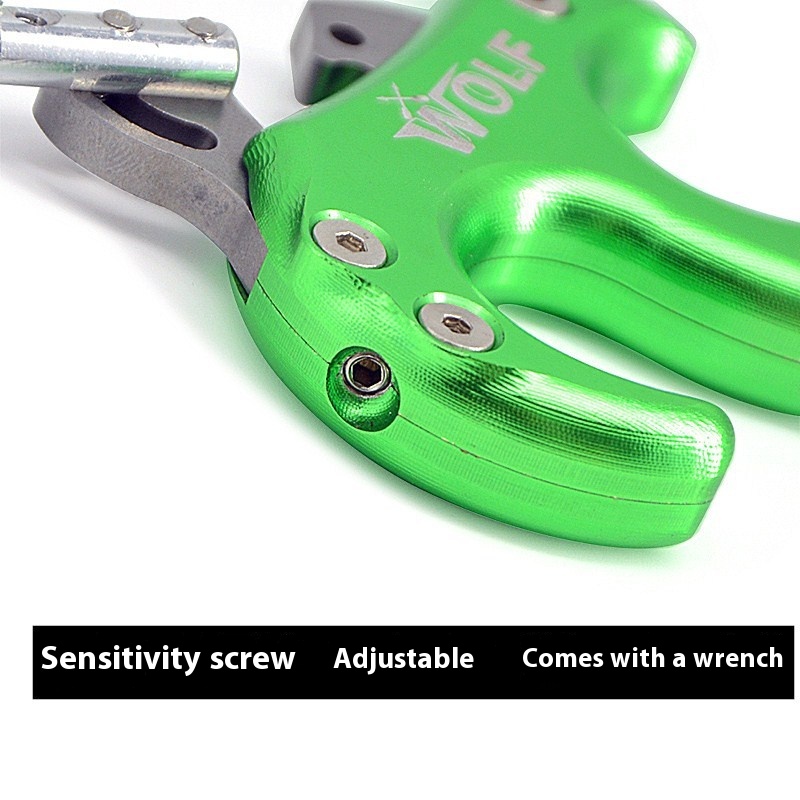
Shop the 4-finger compound release aid →
If you’re chasing that steadier hold the pros make look easy, a carbon stabilizer is the cheapest accuracy upgrade most recreational archers skip.
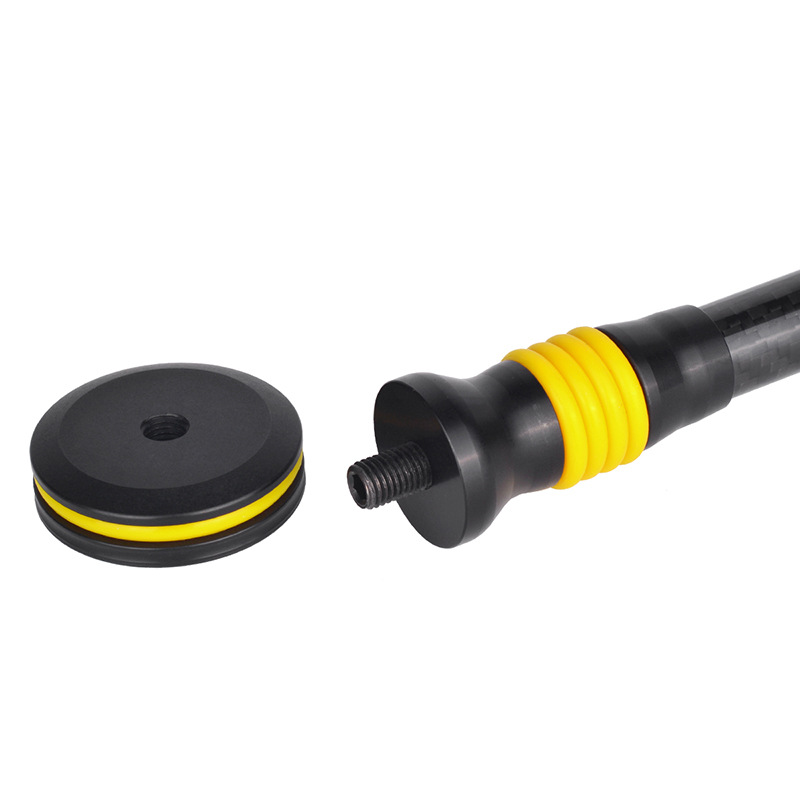
Shop the carbon fiber stabilizer →
Watch: Madrid 2026 Compound Highlights
If you missed the compound action that set up this week’s title story, World Archery’s Madrid stage highlights are the fastest way to catch up on the discipline’s current form.
Looking Ahead
The calendar gets busy fast. Oran’s African Championships run through July 26, and the Santo Domingo Central American and Caribbean Games archery program follows immediately, July 24–29 — two continental meets overlapping in the same week. Then the sport’s attention swings to Mexico for the season’s biggest prize: the Hyundai Archery World Cup Final lands in Saltillo on September 12–13, where Becerra will get her chance to defend a home-soil title she can win on the line instead of in a ruling. Whether you’re just getting started with recurve or already shooting compound, the back half of 2026 is where the season’s storylines get settled.
Sources
- World Archery — Andrea Becerra named 2025 Hyundai Archery World Cup champion
- ESPN — World champion archer Bernal banned three years for steroid doping
- World Archery — Santana Franco, Ferreira da Silva lead Brazil’s golden haul at the South American Games
- World Archery — Preview: Algeria hosts the 15th African Archery Championships
- World Archery — Roberto Hernandez to carry El Salvador’s flag at the Central American and Caribbean Games
- World Archery — French high-performance leader Anne Reculet dies aged 53
- Wikipedia — 2026 Archery World Cup calendar and results
