Archery Blog
How to Cut Arrows to Length: 6 Steps to a Perfect Fit
Jul
An arrow cut a half-inch too short can raise dynamic spine enough to throw a broadhead six inches off at 40 yards. That is the whole reason this job deserves more care than most archers give it. The shaft is the one part of your setup you permanently change with a cut, and there is no glue that puts carbon back. Get the number right first, then worry about the saw.
What Length Should You Cut Arrows To?
Cut your arrows so the finished shaft roughly equals your draw length, then add a small buffer for clearance and safety. For most compound shooters that means the tip sits about one inch in front of the arrow rest at full draw. Recurve and traditional archers usually leave a little more, since a longer shaft keeps the point safely ahead of the shelf and softens the spine to help the arrow bend around the riser.
The cleanest way to find your number is to nock a full-length shaft, draw the bow with a helper watching from the side, and mark the shaft about an inch past the deepest point of the grip or the front of the rest. That mark is where carbon meets blade. If you already own one arrow that flies well, lay a new shaft beside it with the nock grooves aligned and copy the length exactly. Both methods beat guessing off a draw-length chart, because charts assume a release, a D-loop, and an anchor that may not match yours.

How to Nail the Measurement Before You Cut
Carbon Express and Easton both publish arrow length as the distance from the nock throat to the end of the shaft, not including the point or insert. That definition matters, because two archers can quote the same “29-inch arrow” and end up with different finished lengths if one measures to the tip. Stick to nock-throat-to-shaft-end and your numbers travel between charts, shops, and shafts without translation errors.
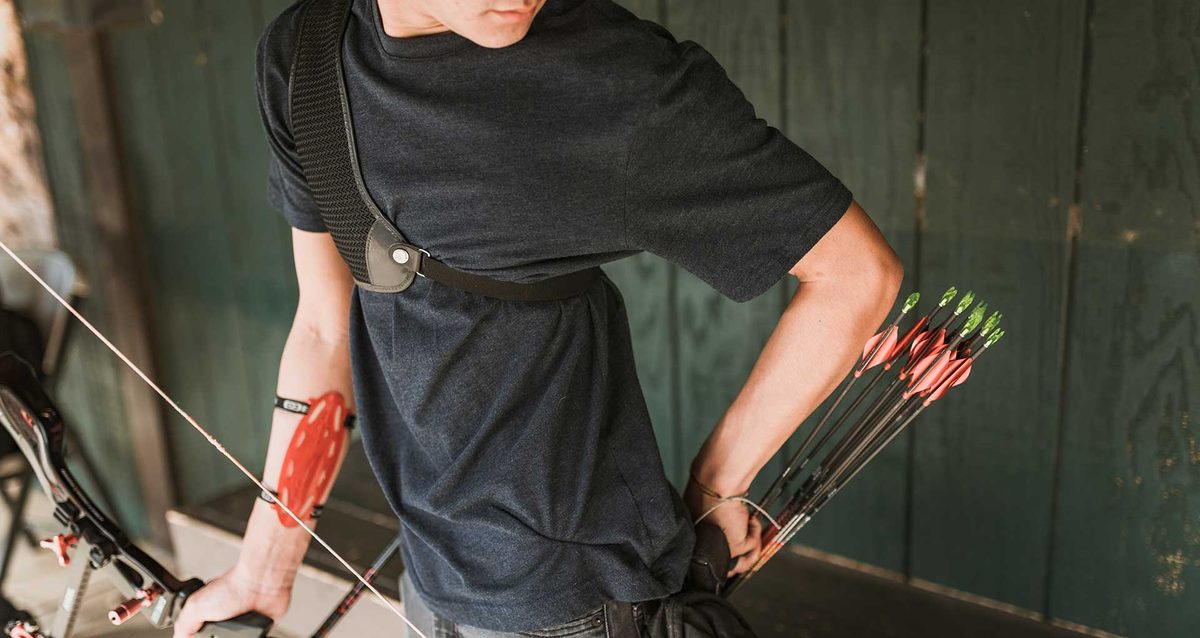
The most reliable at-home check uses a helper and a full-length shaft. Nock it, come to full draw with your normal anchor and release, and have your helper mark the shaft right at the front of the riser shelf or the arrow rest. Let down, then add roughly an inch to that mark for compound clearance before you cut. If you shoot fixed-blade broadheads, dry-fit one and confirm it clears the rest and your hand with room to spare — a broadhead that sits back over your fingers is a hospital trip waiting to happen, and it is the single best reason to err long on the first cut. Longer bows and higher draw weights ride these tolerances harder, so if you are still settling your setup, our quiver selection guide is worth a look for storing a matched dozen once you have them cut.
Why Arrow Length Changes Everything
Length is not just about fit. It is a spine control. Every inch you remove makes the shaft stiffer in flight, which archers call dynamic spine. Trim two inches off a shaft that was already close to correct and you can push it from a good match to noticeably over-spined, which shows up as tail-left tears for a right-handed shooter and points that plane off in the wind.
Point weight pulls in the other direction. Heavier heads and inserts move mass forward and effectively weaken the spine, so a longer, heavier-tipped arrow can behave like a shorter, lighter one. That interplay is why length, point weight, and shaft selection get tuned together rather than one at a time. If you are still choosing shafts, our guide to how to choose arrow spine walks through matching stiffness to your draw weight before you commit to a cut, and the arrow weight and FOC breakdown covers how trimming shifts your front-of-center balance.
Tools You Need to Cut Arrows to Length
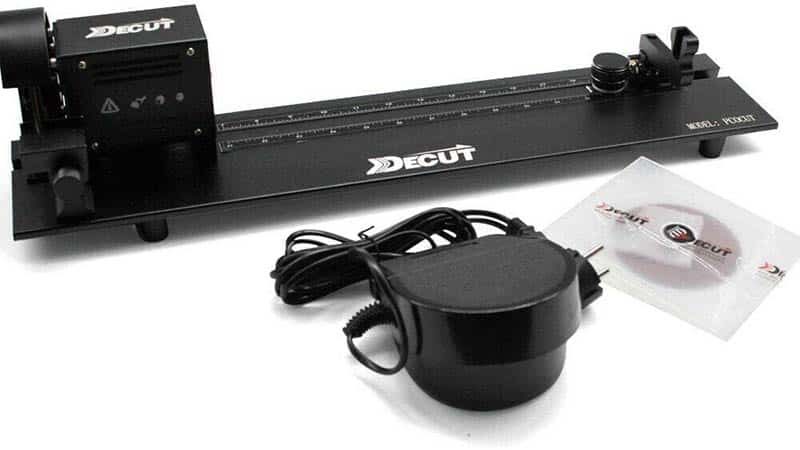
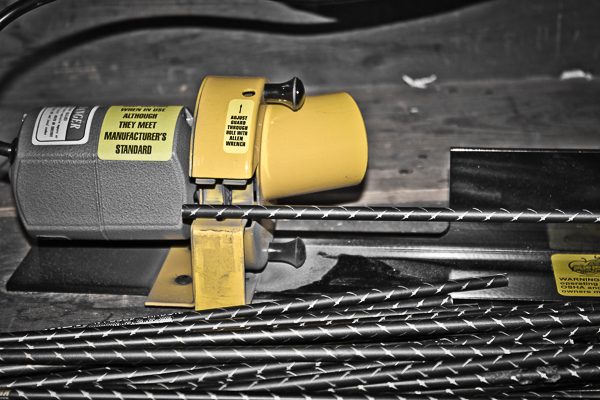
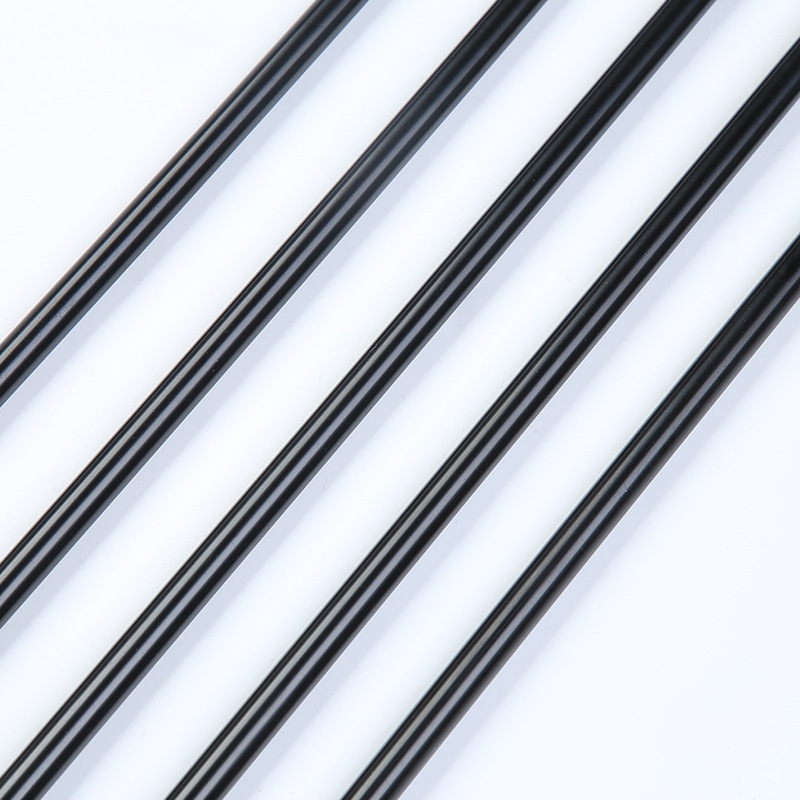
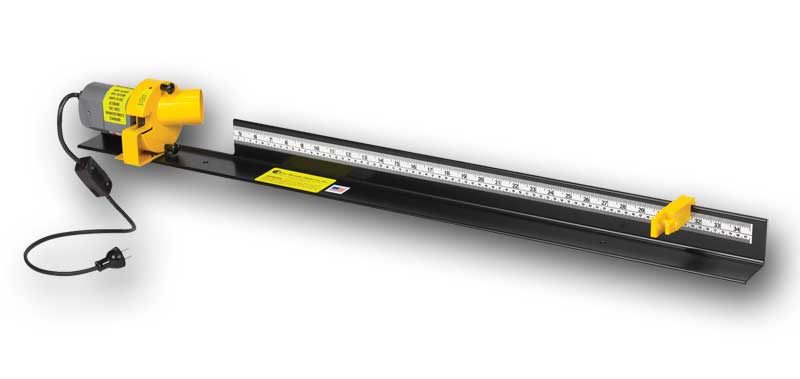
An abrasive arrow saw is the right tool for carbon, full stop. A high-speed cut-off wheel grinds through the fibers instead of pinching them, and pinching is what leaves the frayed, splintered ends that ruin a nock fit or hide a crack. Bench saws with a proper arrow guide and a length stop cost more, but they pay for themselves the first time you cut a dozen matched shafts without a single ragged edge.
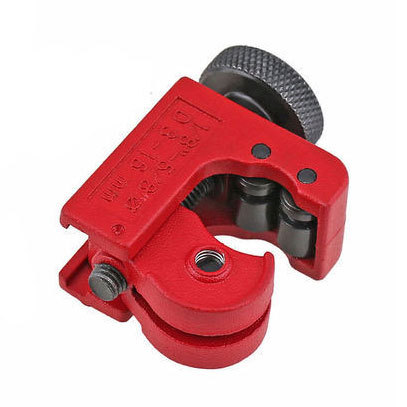
Aluminum is more forgiving. A small rotary tube cutter scores and trims soft aluminum shafts cleanly on a kitchen table, no power and no dust cloud. It is the tool to keep in a range bag for a quick field trim, though it will crush and delaminate carbon, so keep the two jobs separate. Whatever you use, wear safety glasses and a dust mask when cutting carbon: the dust is a fine irritant to eyes and lungs, and a shop vacuum held at the cut keeps most of it out of the air.
How to Cut Arrows to Length in 6 Steps
Cutting arrows to length comes down to a slow, square, well-marked cut. Here is the sequence that keeps every shaft in a batch identical.
- Confirm the measurement. Draw the bow, mark your length on a full shaft, then measure from the bottom of the nock groove to the mark and write it down. This is your master number for the whole dozen.
- Mark with tape, not pen. Wrap a single turn of masking tape at the cut line and draw the line on the tape. Tape gives a crisp visual edge and keeps the cut-off wheel from wandering into the fibers you are keeping.
- Square the shaft to the blade. Seat the arrow in the saw’s guide and check that the wheel meets it at 90 degrees from two angles. A cut that is even slightly angled throws off nock alignment for the life of the arrow.
- Spin up before you touch. Let the saw reach full speed, then rotate the shaft slowly against the wheel rather than shoving it straight in. Rotating scores the outside first and finishes clean.
- Let the wheel do the work. Ease through with light pressure. Force cracks carbon, and a cracked shaft is scrap you cannot always see. One steady pass beats three impatient ones.
- Deburr and check the fit. Knock down the inside and outside edges with fine sandpaper or an arrow squaring tool, then dry-fit an insert. The insert should slide home with no grinding and sit flush.
Squaring the cut end matters more than most people expect. A face that is even a degree off puts the insert, and therefore the point, at an angle to the shaft, and that tiny lean is enough to open groups at distance. Thirty seconds with a squaring tool erases it.
Carbon vs Aluminum: Do You Cut Them Differently?
Yes, and treating them the same is where a lot of shafts get wasted. Carbon must be ground, not sheared. Any tool that squeezes the shaft — a pipe cutter, tin snips, a dull hacksaw — starts a fracture line you may not spot until the arrow fails on release. That is why the abrasive wheel is non-negotiable for carbon and why you rotate the shaft into it instead of plowing straight through.
Aluminum shears fine. A tube cutter’s wheel presses a clean groove into the soft wall and parts it with almost no dust, which is exactly what you want for practice shafts or a quick fix at the range. Full metal jacket arrows split the difference: they wear an aluminum skin over a carbon core, so cut them like carbon on an abrasive saw to protect the fibers underneath.
Common Mistakes That Ruin a Cut
The most expensive mistake is cutting too short, because there is no fix. If your draw length grows later, or you switch to a longer D-loop, a shaft trimmed to the bone becomes over-spined junk. When you are unsure, leave a quarter inch long on the first arrow, shoot it, and confirm before you commit the rest of the dozen. A batch of arrows at slightly different lengths is the other classic error — build one master measurement and cut every shaft to it, or your groups will never fully settle.
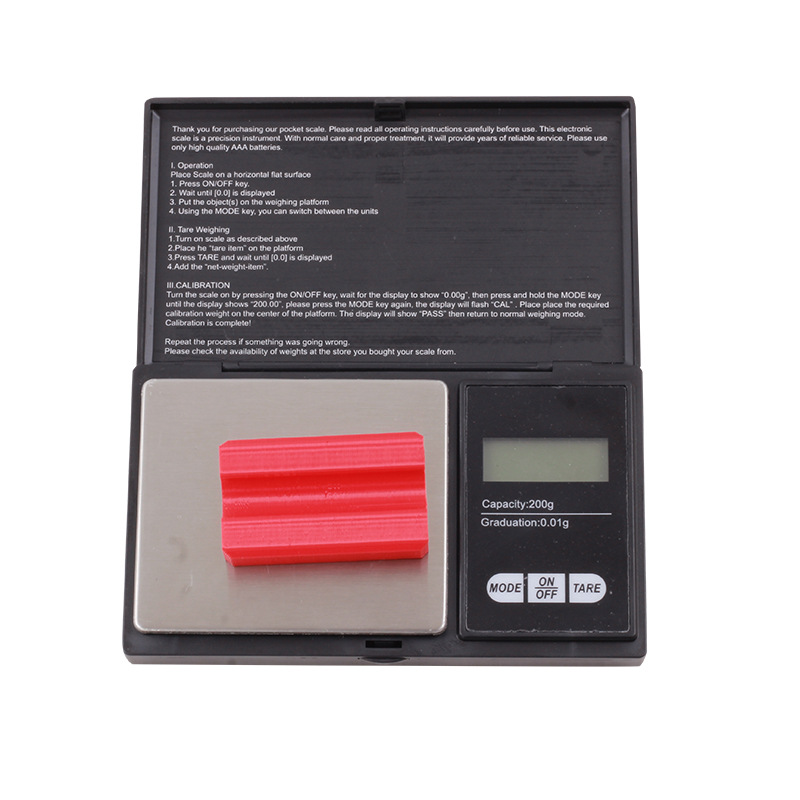
Skipping the weigh-in is a quieter mistake. After cutting and installing inserts, arrows in a dozen can vary by several grains, and mismatched weight scatters impacts at longer ranges. A grain scale lets you sort by finished weight and pair the closest shafts for hunting or competition. It is also the honest way to check that your trimmed arrows still hit the grains-per-pound floor covered in our beginner draw weight guide.
Frequently Asked Questions
Should arrows be exactly your draw length?
Not exactly. Most compound archers finish about an inch longer than draw length so the point clears the rest and front of the riser at full draw. Recurve and traditional shooters often leave a bit more for shelf clearance and softer spine.
Can you cut an arrow too short?
You can, and it cannot be undone. Too short over-stiffens the spine and can leave the point sitting behind the rest, which is unsafe. Always cut a test arrow first and shoot it before trimming the whole set.
Do you really need an arrow saw?
For carbon, effectively yes. An abrasive wheel — a dedicated arrow saw or a rotary tool with a cut-off disc — is the only way to avoid frayed, cracked ends. Aluminum shafts are the exception and cut cleanly with a small tube cutter.
Which end of the arrow do you cut?
Cut from the front, the insert end, never the nock end. The nock end is factory-finished and squared, and trimming it wrecks the fletch spacing and nock fit you paid for.
How much should you add to your draw length?
About one inch is the common compound starting point, measured from the front of the rest at full draw. Traditional and recurve archers often add one to two inches for shelf clearance and a softer spine. Adjust from there based on broadhead clearance and how the arrow tunes.
The Cut Is Where Tuning Starts
Dial the length in and every step after it gets easier — spine matches, broadheads track, and your groups tighten because the arrows are finally identical. Treat the first shaft as a test, prove the number on the range, and only then run the rest of the dozen through the saw. Pick up an arrow saw or tube cutter that suits your shafts, keep a grain scale on the bench, and you will build straighter, more consistent arrows than anything that comes pre-cut off a rack.
Sources
- Easton Archery — Arrow shaft specifications and spine guidance from the industry’s largest arrow manufacturer.
- Bowhunting.com — How to Cut Your Own Arrows — Step-by-step arrow saw process and draw-length measurement.
- Red Label Abrasives — How To Cut Carbon Arrows — Carbon dust safety and abrasive cutting technique.
