Archery Blog
Brace Height Explained: 5 Proven Ways to Tune It
Jul
Move your brace height a quarter inch and a 60-yard shot can drift four inches off target. That is not a coaching exaggeration — it is geometry. Brace height is one of the few bow settings that touches everything at once: arrow speed, noise, hand shock, and how much your bow forgives a sloppy release. Most archers set it once, forget it, and never realize their groups are opening up because the string stretched over a season. This guide walks through what brace height actually is, how to measure it, the numbers you should aim for, and how to dial it in.
What Is Brace Height?
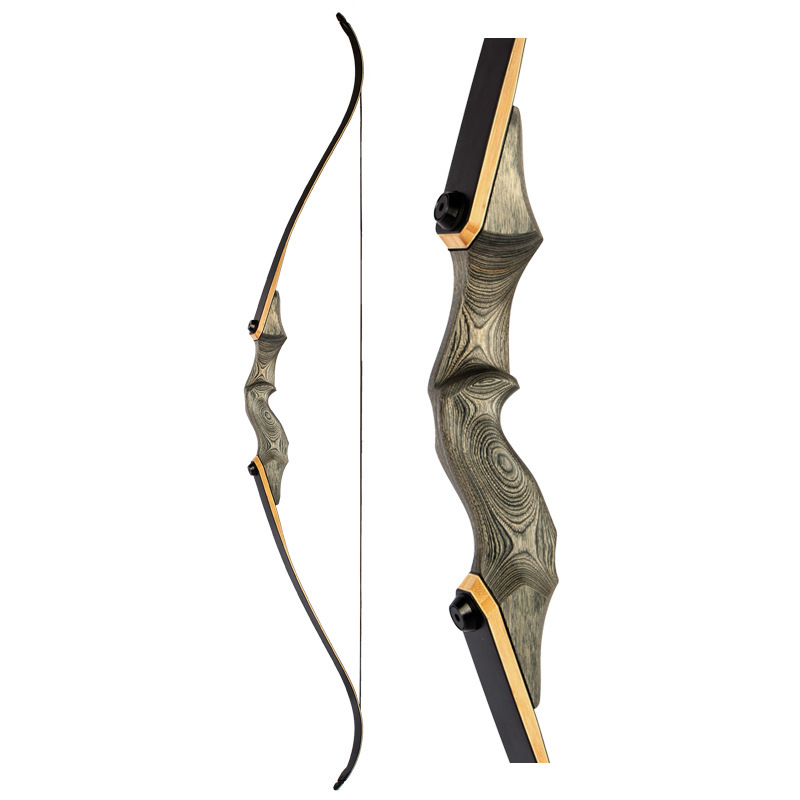
Brace height is the straight-line distance between the bowstring and the throat of the grip — the deepest part of the handle where the web of your hand sits. The bow has to be strung and at rest, not drawn. Traditional archers sometimes call this the fistmele, an old term from the days when you set it by stacking a closed fist with the thumb extended against the belly of the bow. That fist-and-thumb trick still lands most longbows within an inch of correct, which tells you how little the fundamentals have changed in a few hundred years.
The reason this one measurement carries so much weight is simple. It determines the power stroke — how far the string travels from rest to full draw. A shorter brace height means a longer power stroke, so the arrow stays on the string longer and soaks up more energy. That is speed. It is also every one of your form errors amplified, because the arrow is still attached while your hand is recovering from the release.
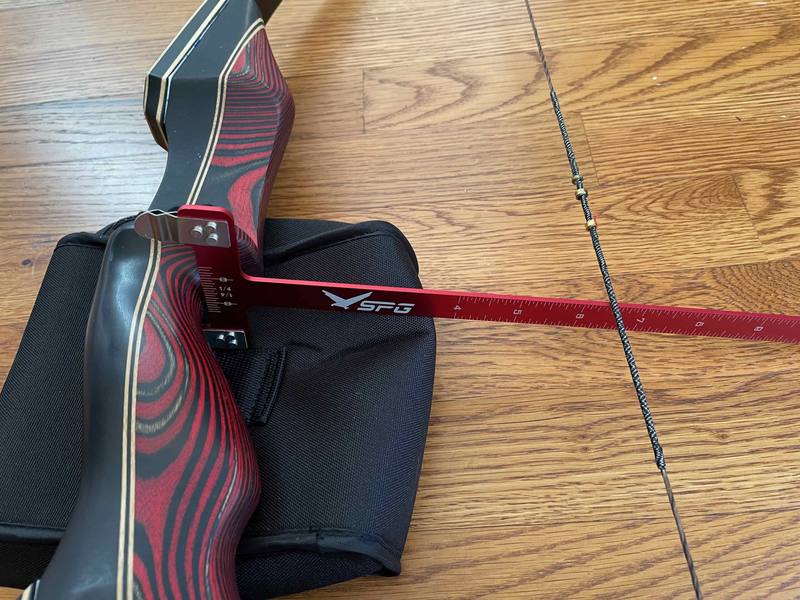
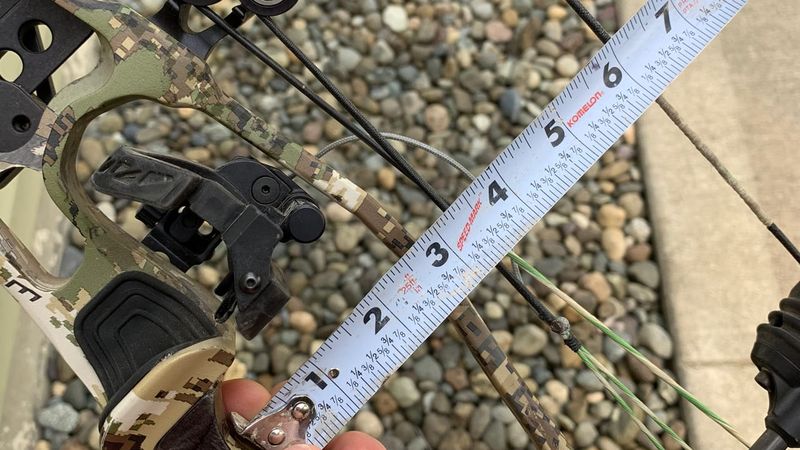
A bow square hooked on the string reads brace height straight off the throat of the grip.
Why Brace Height Matters More Than You Think
Here is the position I will defend: for most recreational and hunting archers, chasing a low brace height for speed is a bad trade. You give up forgiveness — the thing that actually puts arrows in the middle — for a few feet per second you will never notice in the field. Olympic and pro-level shooters can exploit a tight brace height because their form is repeatable to the millimeter. The rest of us are better served leaning toward the forgiving end.
Three things shift when you change brace height. Speed goes up as the number drops. Noise and hand shock climb too, because a bow drawn into a shorter brace stores and dumps energy more violently — that same energy is why a low brace can smack your inner forearm with the string. And forgiveness falls off, because the arrow leaves the string sooner in the shot cycle, giving your errors more time to steer it wide. If your bow has gotten loud or started stinging your arm, brace height is the first thing to check, not the last. It is also tied directly to string wear, which is why a bow that runs loud often just needs its brace height reset.
How Do You Measure Brace Height?
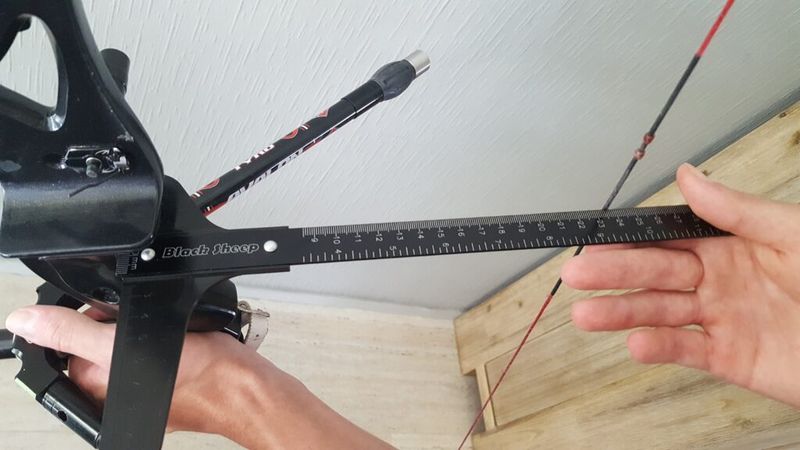
You measure brace height with a bow square — a T-shaped ruler that clips onto the string and lays flat against the riser. Snap the square onto the string just below the nocking point, let the long arm rest against the deepest part of the grip, and read the number where the grip throat meets the ruler. Keep the square at 90 degrees to the string or your reading will run long.
No bow square handy? The fistmele method gets you close on a traditional bow: make a fist against the grip, extend your thumb toward the string, and if the string touches the tip of your thumb you are in the neighborhood of a correct brace. It is a field check, not a precision tool — once you are home, verify with a square. A single millimeter matters more than beginners expect, so measure the same way every time and write your target number down.
What Brace Height Should You Use?
The right brace height depends on your bow’s length and type. Manufacturers publish a range, not a single number, because the ideal spot inside that range is the one where your specific bow shoots quietest and cleanest. Start in the middle of the range and tune from there. These are the widely accepted starting figures:
| Bow Type / Length | Recommended Brace Height |
|---|---|
| 66" recurve | 8.0" – 8.75" (20.5–22.5 cm) |
| 68" recurve | 8.5" – 9.25" (21.5–23.5 cm) |
| 70" recurve | 8.75" – 9.5" (22.5–24.5 cm) |
| Longbow | 7" – 8" (roughly a fistmele) |
| Modern compound | 6" – 7" (fixed by the cams) |
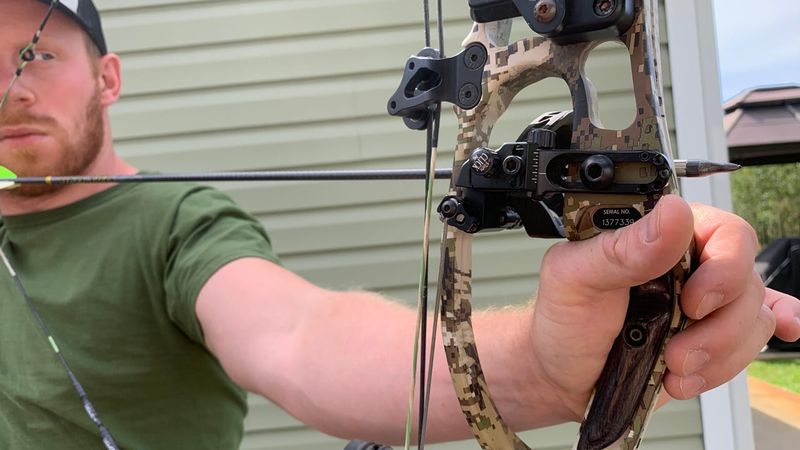
One catch worth knowing: on a compound bow you do not really “set” brace height the way you do on a recurve. It is engineered into the geometry of the riser and cams. Hunting compounds run short brace heights (6 inches is common) to squeeze out speed for flatter arrow flight, while target compounds sit closer to 7 inches for the forgiveness that wins indoor rounds. If you are still weighing which platform fits you, our breakdown of recurve versus compound bows covers how brace height plays into each.
How Do You Adjust Brace Height?
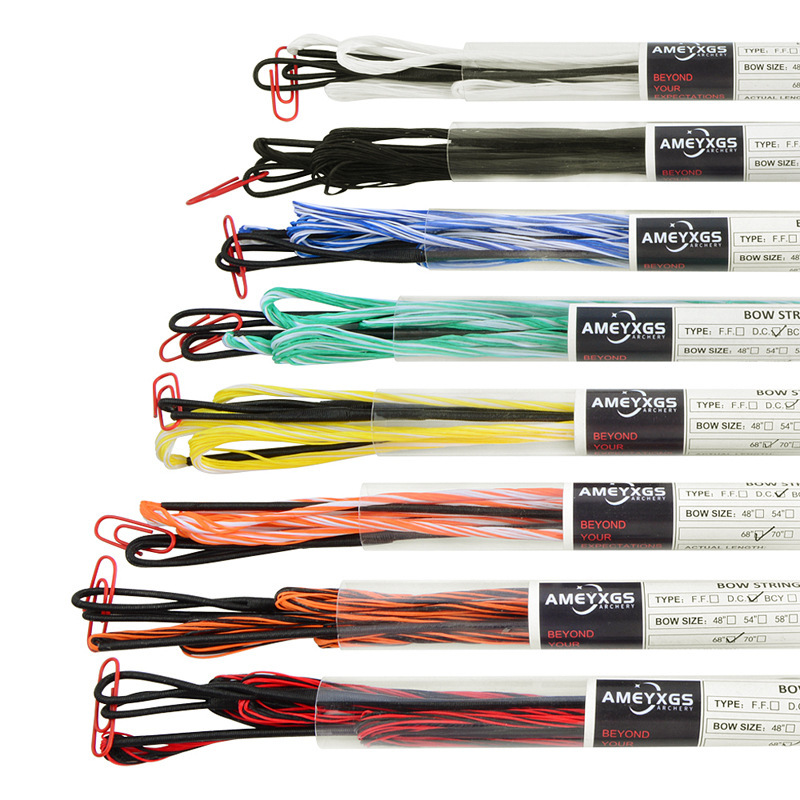
On a recurve or longbow you change brace height by twisting the string, not by touching the bow. Take the string off, twist it in the direction it is already served to shorten it, and a shorter string sits higher off the riser — raising the brace. Untwisting lengthens the string and lowers the brace. As a rule of thumb, two full twists move brace height about a quarter inch. Never go below the manufacturer’s minimum twist count, because an under-twisted string loses its serving and can unravel at the worst possible moment.
Work in small steps. Add or drop two twists, restring, measure, and shoot a few ends before you judge it. You are listening as much as looking: the quietest, deadest-feeling brace height is usually the one your bow wants. When you land on a number that shoots clean, record it so you can return to it after every string change. This is exactly the kind of setting worth nailing down while you learn to string a recurve bow properly, since every restring is a chance to reset it.
Low vs High Brace Height: Which Wins?
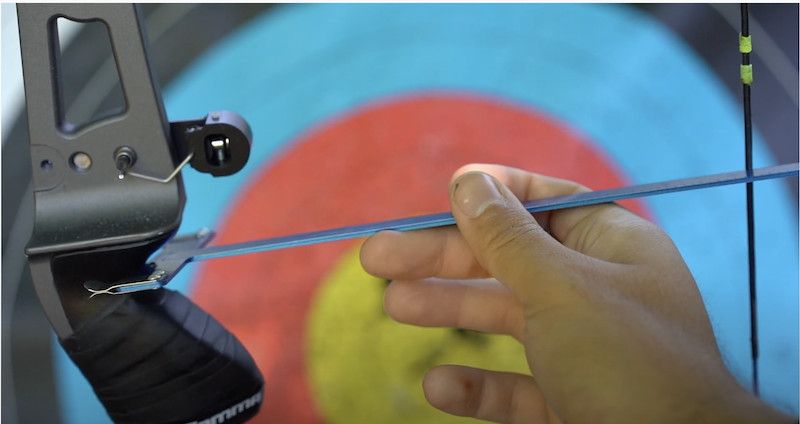
Think of it as a dial between speed and stability. Turn toward a low brace and you buy velocity: the longer power stroke throws the arrow harder, which flattens trajectory and helps at unknown distances. The bill comes due in noise, hand shock, and a bow that magnifies every flinch. Turn toward a high brace and the bow calms down — quieter, softer in the hand, more willing to forgive a rushed release — at the cost of a little arrow speed.
For hunting where a quiet shot matters and shots are usually inside 40 yards, I would take the higher, quieter brace every time; a deer hears a twangy bow before the arrow arrives. For 3D or field archery where you are guessing yardage, a slightly lower brace and its flatter arc can be worth the trade. There is no universally “correct” number — there is the number that matches how and where you shoot.
Common Brace Height Mistakes
The most common error is never checking it again. Strings stretch, especially new Dacron strings in their first few weeks, and a brace height that was perfect on day one can drop an eighth of an inch by week three. The second mistake is measuring inconsistently — hooking the square at a different spot or angle each time, then chasing phantom changes. The third is over-twisting a string to force a brace number the bow was never built for, which strangles arrow speed and stresses the limbs.
One more that trips up new archers: blaming their arrows or their release for a tuning problem that is really brace height. If your bow suddenly got loud, started kicking, or your groups opened up for no reason, measure the brace before you touch anything else. It is a 30-second check that solves a surprising share of “my bow is broken” panics.
How Often Should You Check Brace Height?
Check it every time you string a new bow, then again after the first week of shooting a fresh string, since that is when stretch is fastest. After the string settles, a quick monthly measurement is plenty for most shooters. Tournament archers check before every event, and honestly it takes so little time that building it into your routine costs you nothing. Keep your target number written on a piece of tape inside your bow case and the whole job takes 30 seconds.
Watch: Brace Height Explained
Olympic silver medalist Jake Kaminski breaks down what brace height does and how to set it — worth the few minutes if you learn better by watching than reading a table.
Dial It In and Leave It
Find the brace height where your bow goes quiet, shoot it until you trust it, and write the number down — that is the whole game. The archers who struggle with tuning are almost always the ones who keep guessing instead of measuring. Get a bow square, spend one afternoon walking your brace through its range two twists at a time, and you will have a setting you never have to think about again. From there, the next lever worth pulling is arrow tuning — but a bow that is not braced right will never let a well-spined arrow show what it can do.
Sources
- World Archery — Recurve Equipment — governing body reference on recurve bow setup and components.
- Archery 360 — How to Adjust Brace Height — step-by-step on measuring and twisting to adjust brace.
- Bowhunting.com — What Is Brace Height and Why Is It Important? — compound brace height ranges and speed-vs-forgiveness trade-offs.
