Archery Blog
Dry Fire a Bow: 6 Costly Risks & How to Avoid Them
Jun
A modern hunting compound stores roughly 90 to 100 foot-pounds of energy at full draw. When you shoot, about 80 percent of that energy transfers into the arrow. When you dry fire a bow, that arrow is gone, so the energy has nowhere to go but back into the limbs, cams, string, and your hands. Bow technicians see it constantly: a buddy hands over a bow to “feel the draw,” the string slips, and a five-figure shooting season ends with one loud crack. This guide walks through exactly what happens, which bows are most at risk, and the habits that keep it from happening to you.

What It Means to Dry Fire a Bow
A dry fire happens when the bowstring is drawn and released without an arrow. The term covers any release where there is no arrow to carry the energy downrange — a slipped grip during a draw, a kid testing the string, or letting go at full draw to “see how it feels.” It is the single most common way archers destroy their own equipment, and most of the time it is an accident, not carelessness.
The reason it is so destructive comes down to physics. A bow is an energy-storage machine. Pull the string back and you load the limbs like a spring. Nock an arrow and that spring launches the arrow. Skip the arrow and the spring still releases — it just has no payload, so the energy whips back through the riser and limbs at speeds the bow was never built to absorb empty.
What Happens When You Dry Fire a Bow
The string accelerates forward far faster than it ever would with an arrow on it, because it is not dragging any weight. That overspeed is where the damage starts. The limbs flex past their normal travel, the cams over-rotate, and the whole system vibrates violently as the energy reflects back and forth with nothing to dump it into. On a compound, you often hear a sharp crack and see the string lying in pieces before you understand what happened.
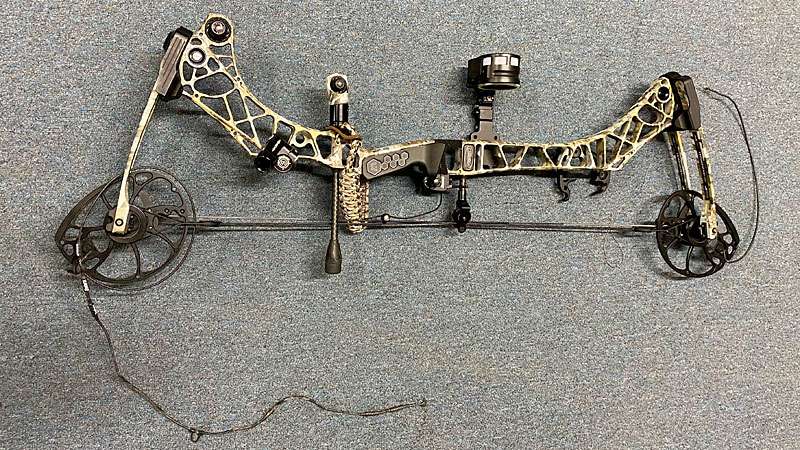
Outdoor Life’s gear testers describe the typical aftermath bluntly: a broken bowstring, splintered limbs, and bent or twisted cams. The louder the bang, the worse the news usually is. The photo below shows a compound bow whose string and cable came apart in a single dry fire — note the limbs survived this time, but the string system is destroyed.
6 Costly Ways a Dry Fire Wrecks Your Bow
Not every dry fire ends the same way. The damage depends on the bow’s design, its draw weight, and a little luck. These are the failures that show up most often on a technician’s bench.
- Snapped string or cables. The most common result. The string takes the first hit of unspent energy and frequently shreds on the spot.
- Cracked or splintered limbs. Composite limbs flex beyond their design limit and delaminate. A hairline crack you cannot see is just as dangerous as an obvious split.
- Bent or twisted cams. The eccentric cams absorb the recoil and often end up tilted off-axis, which ruins tuning even if nothing visibly breaks.
- Cracked riser or limb pockets. On higher draw weights, the shock can travel into the riser itself, which usually totals the bow.
- Loosened or flung accessories. Sights, rests, and stabilizers can shake loose or break off and fly.
- Injury to the shooter. A failing string or limb can whip back into your hand, wrist, or face. Most modern bows rarely cause serious injury, but cuts, bruised knuckles, and the occasional broken bone do happen.
Which Bows Are Most at Risk?
Every bow can be damaged by a dry fire, but compounds suffer the worst because they have the most moving parts and the highest stored energy per pound of draw. The cam system, cables, and short, stiff limbs leave nowhere for the energy to bleed off gently. A dry-fired compound is the one most likely to leave you holding a parts list.
Recurves and longbows are more forgiving but not immune. A traditional bow that gets dry fired can still crack a limb tip or split the riser, and the string can fail. Crossbows are arguably the most dangerous of all, because the limbs are extremely stiff and the trigger makes an accidental dry fire easy — which is why many crossbows now ship with anti-dry-fire mechanisms. The takeaway is simple: the stiffer and faster the bow, the less margin you have.
Draw weight matters as much as bow type. A 70-pound hunting compound stores far more energy than a 25-pound youth recurve, so the same mistake on the heavier bow does proportionally more harm. That is also why handing a maxed-out hunting rig to someone who has never drawn one is such a frequent disaster — they reach the wall, panic, and let the string go. If you shoot a high-poundage bow, treat every draw as a loaded one.
I Just Dry Fired My Bow — Now What?
First, stop. Do not draw it again to test it, and do not shoot an arrow through it to “check.” A bow with hidden limb or cam damage can fail catastrophically on the next draw, and that second failure is the one that hurts people. Unstring a recurve or longbow if you can do so safely, and set a compound down.
Then inspect every part in good light. Run your fingers and eyes along both limbs looking for cracks, splinters, lifted laminations, or anything bent. Check the cams and axles for twist, mushrooming, or play. Look at the string and cables for cut strands, and check that the sight, rest, and quiver are still tight and true. If you find anything questionable — or if it was a heavy bow and a loud one — take it to a pro shop and have it pressed and inspected before it goes anywhere near full draw again. A proper compound bow maintenance routine makes these checks second nature.
Can You Still Shoot a Bow After a Dry Fire?
Sometimes, yes — if a qualified technician inspects it and finds no damage beyond a string that needs replacing. Plenty of bows survive a single dry fire with nothing worse than a blown string, and manufacturers like Hoyt and Mathews have publicly dry-fired their own bows to demonstrate durability. But “it looked fine” is not an inspection. The honest answer is that you cannot clear a dry-fired bow yourself by eyeballing it, because limb delamination and cam micro-fractures hide until they let go. When in doubt, replace the string and have it checked.
How to Avoid Dry Firing a Bow
Prevention is almost entirely about habits, and they are easy ones. Build them early and you will likely never dry fire a bow in your life.
Never draw a bow without an arrow nocked. This is the whole game. If you want to feel the draw cycle, nock an arrow and aim into a safe backstop, or use a draw-check tool — never an empty string. Inspect your nocks before every shot, because a cracked nock or one that does not snap firmly onto the string can pop off during the draw and cause a dry fire even when you did everything else right.
Be ruthless about who handles your bow. The classic dry fire happens when you pass your bow to a curious friend who draws it and loses the string. Hand it over only with an arrow nocked, pointed in a safe direction, and tell them not to draw it. When you are practicing, always shoot into a proper target rather than letting down repeatedly at empty air, and keep your bowstring in good condition so a worn string does not fail mid-draw. Beginners should walk through a full compound bow setup so the bow is tuned and the nocking point is correct before the first shot.
Watch: Dry Firing a Bow Explained
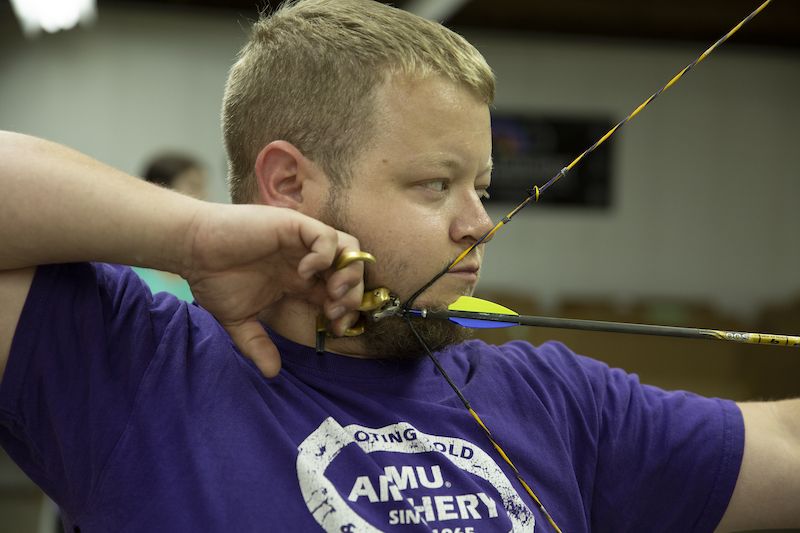
This short beginner breakdown shows what dry firing is and why it does so much damage — worth two minutes before your next range session.
Treat your bow like the spring-loaded machine it is, and the dry fire problem solves itself. Make “arrow first, draw second” automatic, control who touches your gear, and replace tired strings before they surprise you. Do that, and the only crack you will ever hear is an arrow burying into the target where you aimed it. If you do slip up, skip the guesswork — get it inspected and re-string it before the next shot.
Sources
- Outdoor Life — The Best Release Aids of 2026 — gear testing notes on bow energy and release behavior.
- Louisiana Sportsman — Don’t Even Think About Ever Dry-Firing a Bow — real-world dry fire damage account and photos.
- Archery 360 — Everything You Should Know About Dry Firing Bows — definition and prevention guidance.
- Bowhunting.com — Anatomy of a Compound Bow — how limbs and cams store and release energy.
