Archery Blog
How Far Can a Compound Bow Shoot? Effective Range Explained
Jun
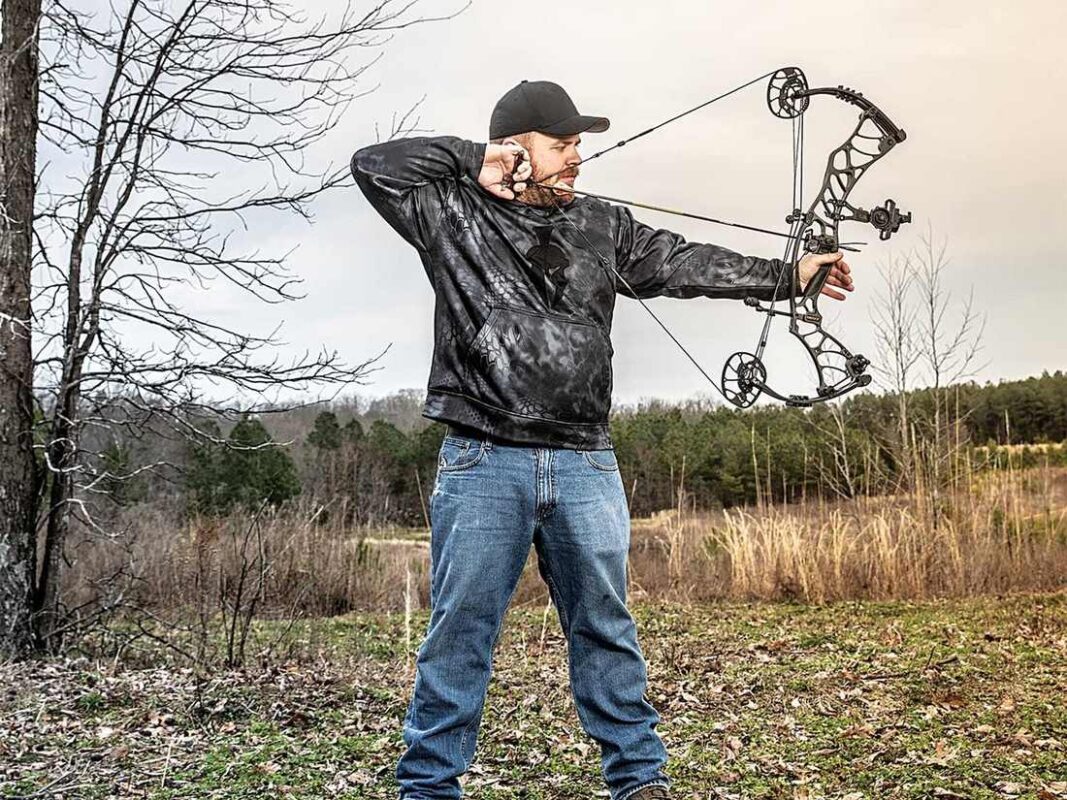
The longest verified compound bow flight shot is well past 600 yards, which sounds like a hunting superpower until you realize nobody can aim at 600 yards. There is a huge gap between how far a compound bow can fling an arrow and how far it can put that arrow where you want it. Mixing up those two numbers is how hunters wound game and target archers blame their equipment for misses that were never the bow’s fault. This guide separates the two and shows you how to find the only range number that actually matters: yours.
How Far Can a Compound Bow Shoot?
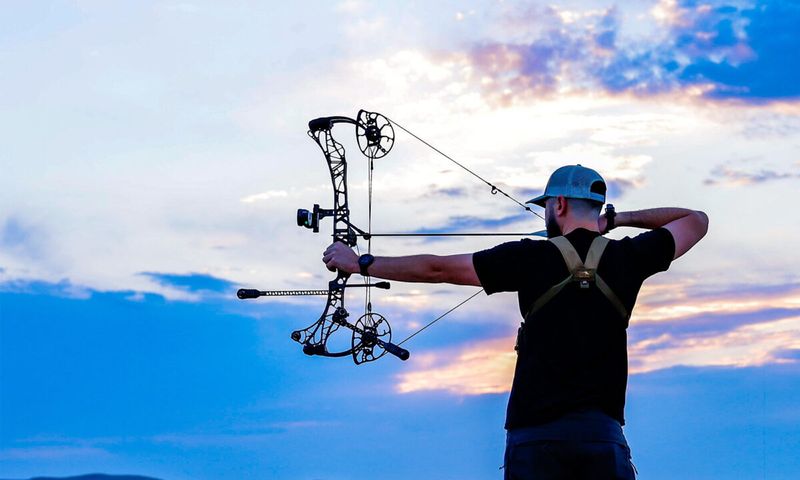
A modern compound bow shooting 300 to 340 feet per second will carry an arrow roughly 300 to 400 yards if you tilt the bow up to about 42 degrees and let physics do the rest. Flight-shooting specialists with tuned ultralight arrows have pushed past 600 yards in controlled settings. That is the ceiling, and it is a number you will never use on a target or an animal.
The reason is simple: past a certain distance the arrow is dropping so steeply and drifting so far in any breeze that a 10-yard error in your range estimate turns into a complete miss. Maximum range answers “where does the arrow finally land?” Effective range answers “where can I reliably hit what I’m aiming at?” Those are different questions with answers that differ by hundreds of yards.
Maximum Range vs. Effective Range
Maximum range is a ballistics fact. Effective range is a skill measurement, and it is personal — it changes with your equipment, your practice volume, and the conditions on a given day. A target archer on a calm indoor range and a winded hunter on a steep hillside have wildly different effective ranges with the identical bow.
Here is roughly how the two stack up across skill levels. Treat the effective-range column as a 6-inch group standard, the size of a deer’s kill zone.
| Archer level | Realistic effective range | Maximum (flight) range |
|---|---|---|
| Beginner (first season) | 15–25 yards | 250–350 yards |
| Intermediate | 30–45 yards | 300–400 yards |
| Advanced / serious hunter | 50–70 yards | 350–450 yards |
| Competition / flight shooter | 80–100+ yards | 450–600+ yards |
Notice that even elite shooters top out around 100 yards for accurate work, while the flight numbers keep climbing. For context, World Archery runs its compound target competitions at 50 meters on an 80-centimeter face — and these are the best compound archers on the planet shooting in stadiums with no wind. That tells you everything about where the realistic ceiling sits.
What Determines How Far a Compound Bow Shoots
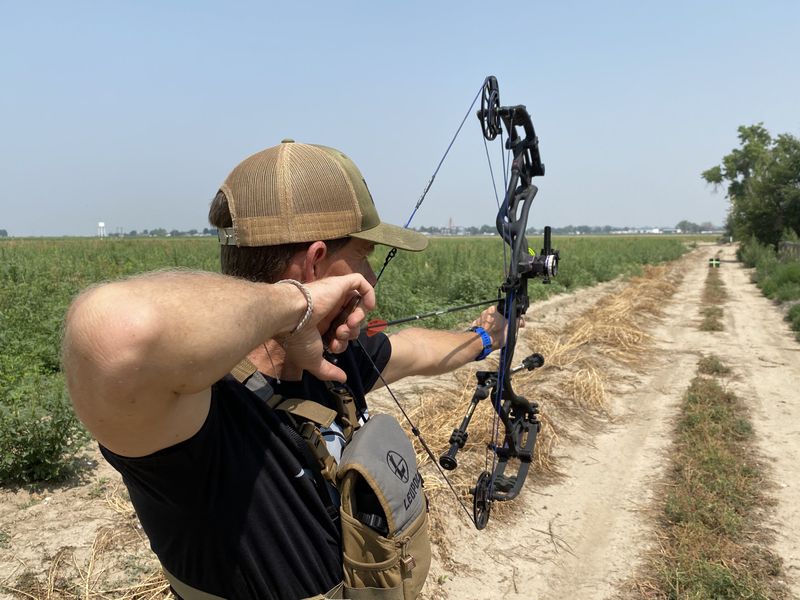
Range is not a single spec you buy. It is the sum of four things, and changing any one of them moves your numbers.
Draw weight is the engine. More poundage stores more energy, which the bow dumps into the arrow as speed and kinetic energy. A 70-pound bow carries flatter and farther than a 50-pound bow with the same arrow, which is also why your hunting setup and your range estimate are tied to draw weight for deer hunting. Speed alone is not the goal, though — kinetic energy is what keeps an arrow stable and lethal downrange.
Arrow weight is the trade-off nobody likes hearing about. Light arrows leave faster and shoot flatter up close, but they bleed energy quickly and get shoved around by wind at distance. Heavier arrows start slower but hold their momentum, which is why long-range hunters often go heavier than the speed crowd expects. Balance beats raw speed every time the distance grows.
Draw length sets how long the string drives the arrow forward. A longer power stroke means more speed for free, so dialing in your compound bow’s draw length correctly is one of the cheapest ways to gain real range. Arrow speed and your sight setup tie it together — a faster arrow has a flatter trajectory, which forgives small range-estimation errors that would wreck a slow setup at 50 yards.
Compound Bow Effective Range for Hunting
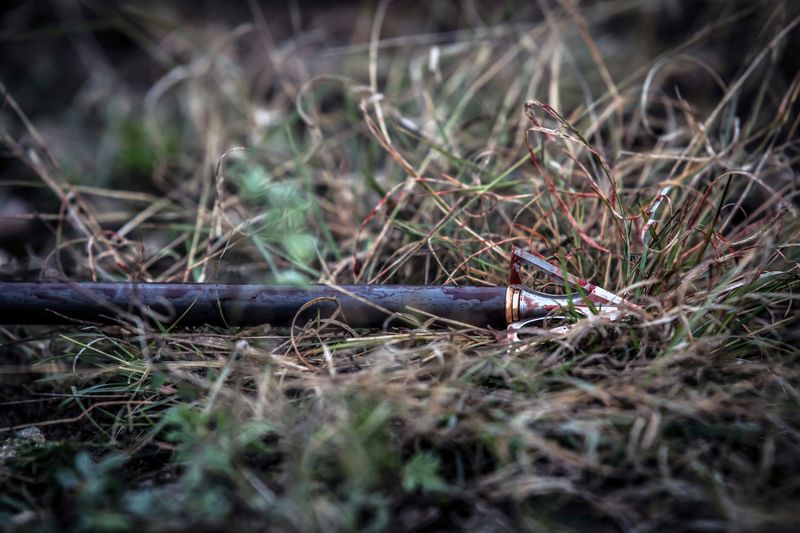
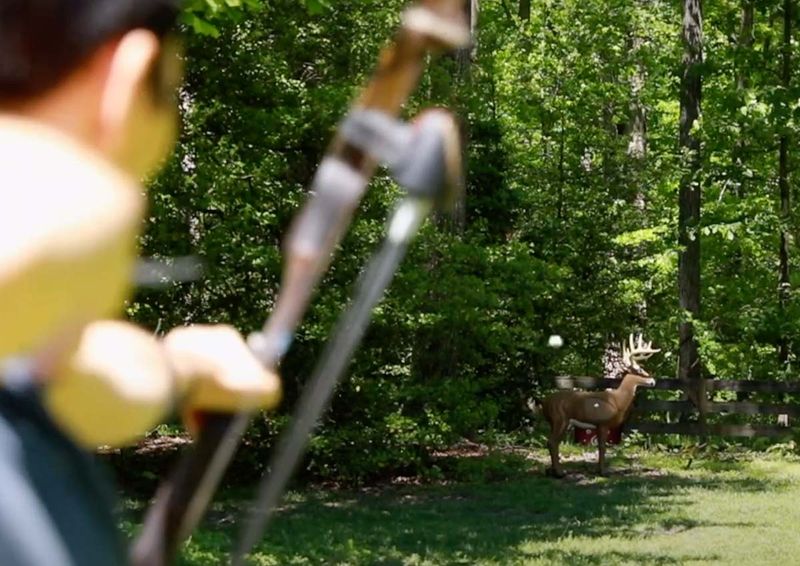
The effective hunting range for a compound bow is 30 to 60 yards, and most experienced bowhunters quietly cap themselves at 40. That is not because the bow can’t reach 60 — it’s because an animal is not a foam block. It takes a step, it ducks the string, the wind nudges your arrow two inches, and at 60 yards those small variables add up to a wounded deer instead of a clean kill.
The honest standard is this: your maximum hunting distance is the farthest range where you can put every single practice arrow into a paper plate, under hunting conditions — kneeling, winded, in a jacket, with one cold first shot. Not your best group on a calm afternoon. Your worst acceptable shot. Grand View Outdoors frames it well: the ethical question isn’t how far the arrow flies, it’s how far you can guarantee the hit.
How to Find Your True Effective Range
Forget what your buddy shoots. Your effective range is a number you measure, and it takes one honest afternoon. Start at 20 yards and shoot a group of five arrows. If all five land inside a 6-inch circle, move back to 30. Keep stepping back in 10-yard increments until one arrow falls outside that circle. The last distance where every arrow stayed inside is your effective range, full stop.
Then do it again with the variables that matter. Shoot it tired, after a sprint, so your heart is pounding. Shoot it in a 10-mile-per-hour crosswind. Shoot one cold arrow with no warm-up, the way the first shot at a deer always happens. Your “calm range day” number and your “real world” number are usually 10 to 15 yards apart — and the smaller one is the truth.
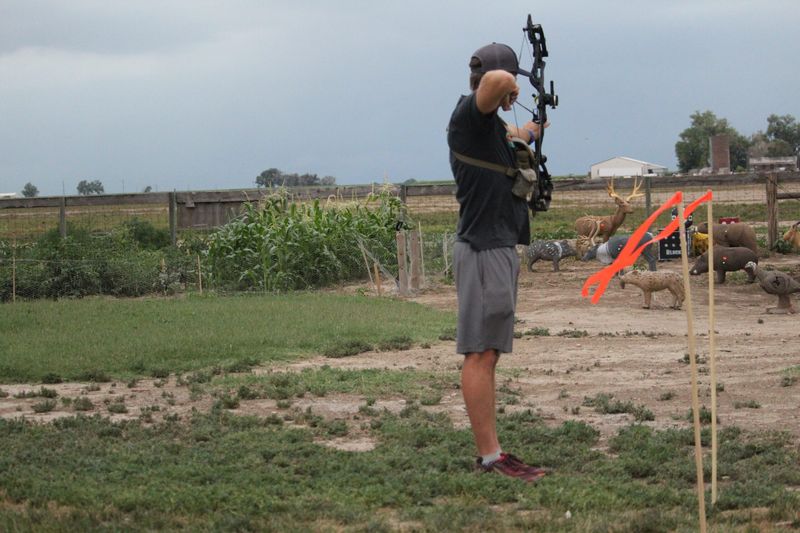
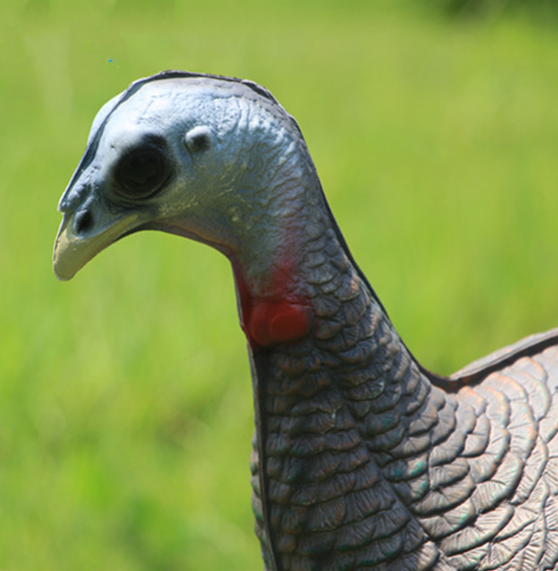
A 3D target helps here more than a flat bag, because it forces you to pick a precise aiming point on a body-shaped form at unknown-feeling distances. That is the exact skill that breaks down at range.
How to Shoot a Compound Bow Farther and More Accurately
Extending your effective range is almost never about buying a faster bow. It’s about removing the small errors that magnify with distance. The same two-inch flinch that costs you nothing at 20 yards costs you the whole target at 60.
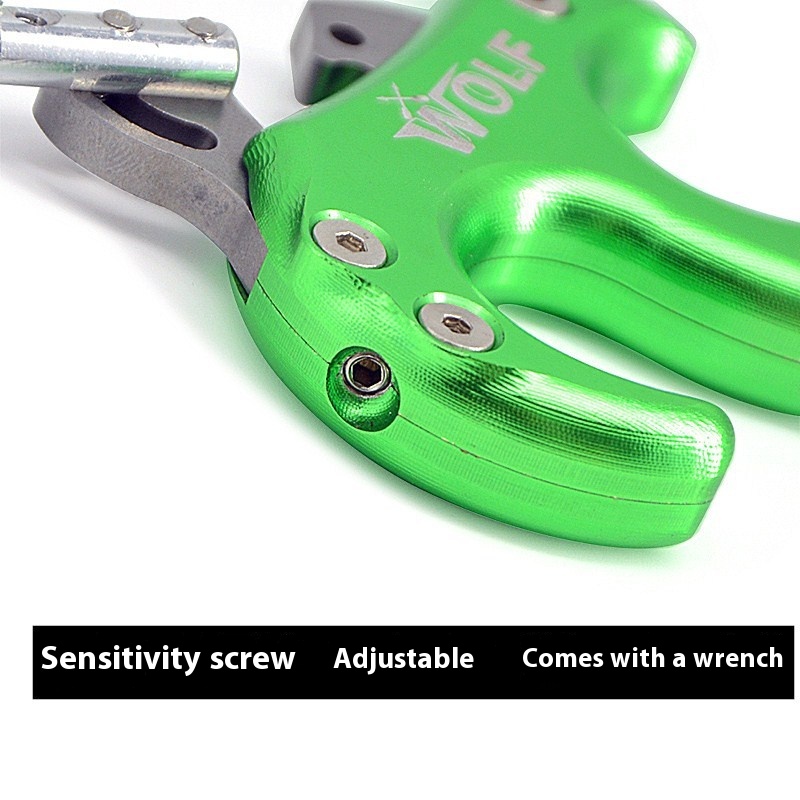
A clean, consistent release is the first fix. A handheld release that breaks the same way every shot eliminates the punch-and-flinch that throws arrows wide downrange — and it shows up most at distance, where there’s more time for the error to grow.
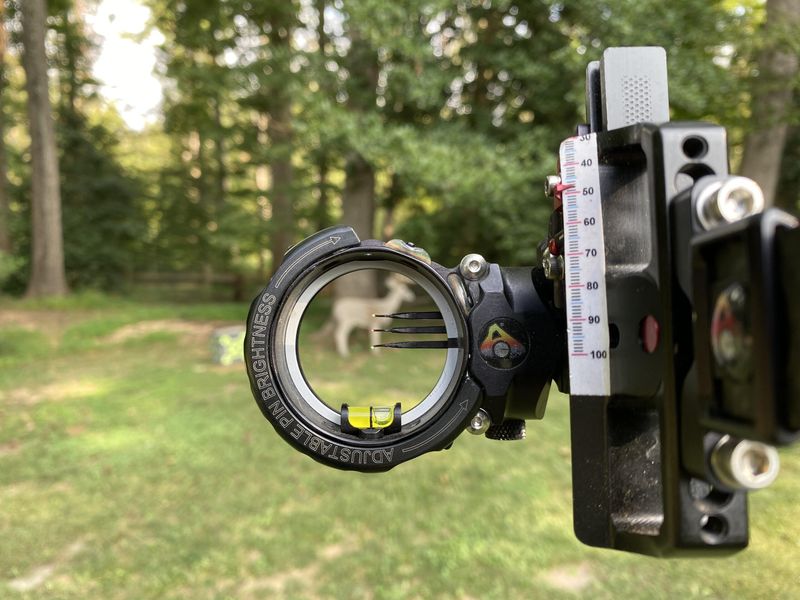
Your sight matters just as much. Beyond 40 yards, arrow drop becomes severe, and a sight with crisp, well-spaced yardage pins (or an adjustable single pin you can dial) is what lets you hold dead-on instead of guessing holdover. If your pins are a cluttered blur at distance, that is your accuracy ceiling — not your arm. Once your hardware is dialed, sight in your compound bow properly at every yardage you intend to shoot, not just 20 and 30.
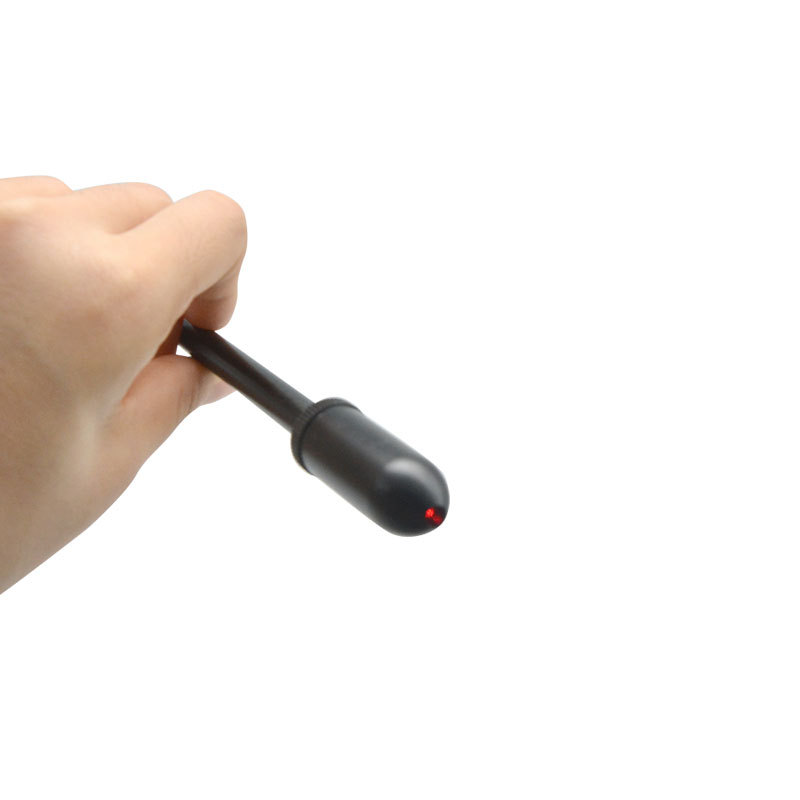
The rest is range time. Practice at distances past your comfort zone — if you hunt at 40, practice at 60. Shooting long shrinks your form errors and makes your hunting distance feel close. Outdoor Life’s long-range guide makes the same point: back tension, a steady bow arm, and reading wind are what earn the yards, not raw arrow speed.
Is It Safe to Shoot a Compound Bow at Long Distance?
Range estimation, not the bow, is the dangerous part of long-distance shooting. An arrow that misses high at 70 yards can travel hundreds of yards before it lands, so a clear backstop and a known, walled-off impact zone are non-negotiable past 40 yards. Never shoot toward a rise you can’t see over.
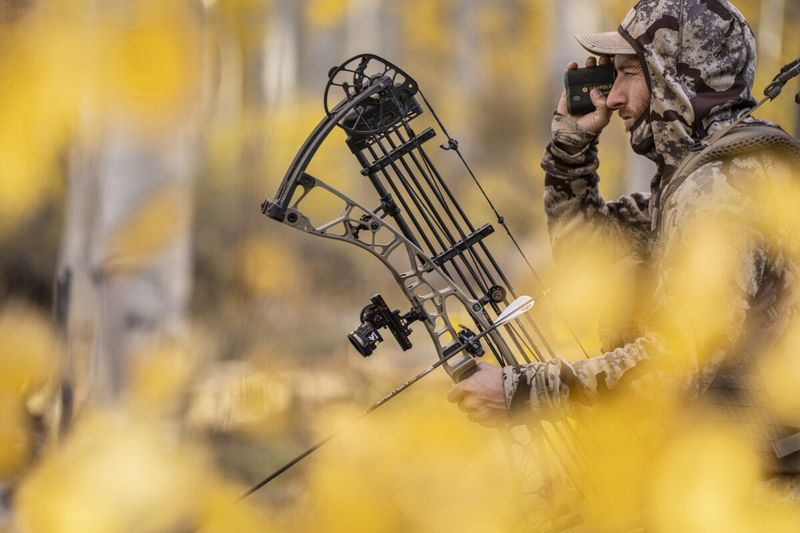
For ranging the shot itself, a laser rangefinder removes the single biggest error at distance — guessing. At 50-plus yards, misjudging the distance by even five yards drops an arrow clean out of the kill zone. Knowing the exact number before you draw is what makes the longer shot defensible in the first place.
Frequently Asked Questions
How far can a compound bow shoot accurately? For most archers, accurate shooting maxes out between 30 and 60 yards using a 6-inch group as the standard. Advanced shooters reach 70 to 100 yards, but those numbers demand serious practice and ideal conditions.
What is the maximum distance a compound bow can shoot? A tuned compound bow can send an arrow 300 to 500 yards at the optimal launch angle, with flight-shooting records past 600 yards. None of that distance is aimable.
How far can a 70-pound compound bow shoot a deer? The bow has the energy for an ethical kill well past 60 yards, but the limiting factor is your accuracy, not the poundage. Most hunters should keep shots inside 40 yards regardless of draw weight.
Does a heavier draw weight mean more range? Yes, more draw weight adds speed and kinetic energy, which flattens trajectory and extends range. But it only helps if you can draw it smoothly and hold steady — an over-bowed archer loses more accuracy than the extra poundage gains.
The Bottom Line on Compound Bow Range
Stop chasing the 500-yard number — it belongs to physics, not to you. The archer who knows their honest 6-inch group is 42 yards and refuses to shoot past it will out-perform and out-ethic the one who brags about hitting a barn at 100. Spend an afternoon measuring your real effective range under pressure, then build the rest of your season around that number. When you’re ready to tighten it, our draw length guide and a properly dialed sight will add the yards honestly.
Sources
- World Archery — Target Archery Disciplines — official competition distances and target-face dimensions for compound archers.
- Outdoor Life — How to Shoot Your Compound Bow Past 40 Yards — long-range form, tuning, and wind-reading techniques.
- Grand View Outdoors — Maximum Range: How Far Is Too Far With a Bow? — the ethics of effective hunting range.
