Archery Blog
Fixed Blade vs Mechanical Broadheads: 2026 Verdict
Jun
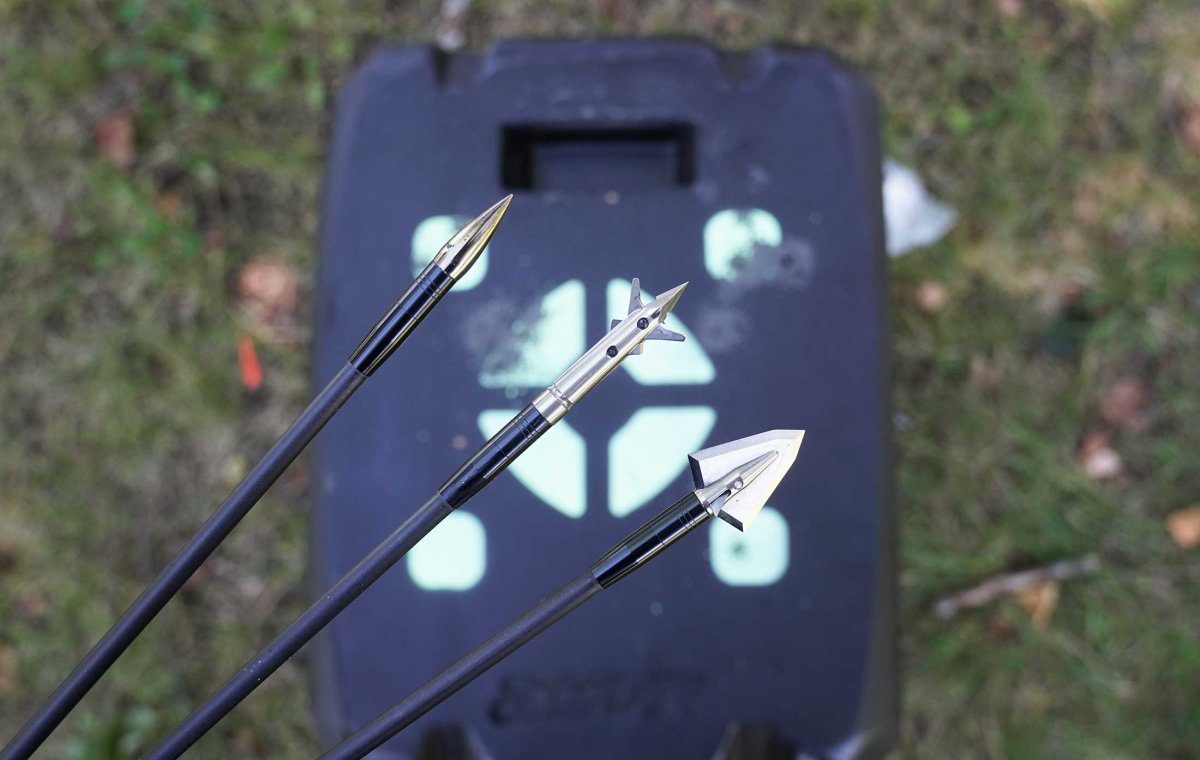
The single most argued piece of bowhunting gear is the thing you screw onto the front of your arrow. In a 2024 cattle-rib test by Field & Stream, only 9 percent of mechanical broadheads survived an impact compared to 40 percent of fixed blades. That gap is what this whole debate is really about — what happens after the head touches the animal, not how it flies on the way there. Both designs can kill cleanly, but they fail in completely different ways, and the failure mode you can tolerate determines which one belongs on your arrow this season.
What Makes a Fixed Blade Broadhead Different
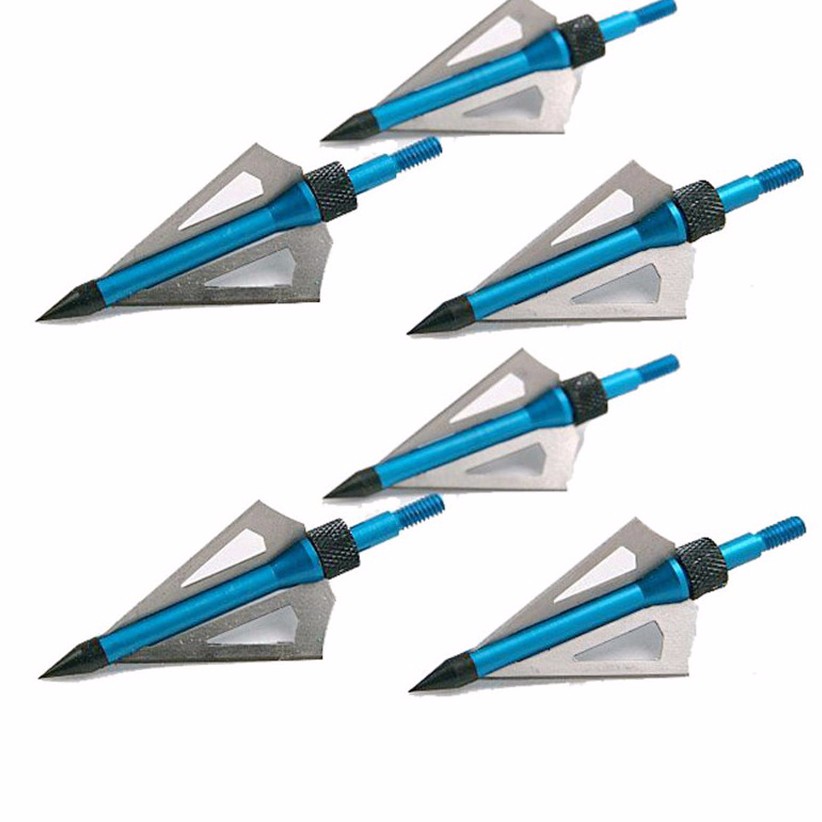
A fixed blade broadhead is a one-piece cutting head with blades welded, locked, or screwed into permanent position. Nothing moves. The head you screw on at the truck is the head that hits the rib cage. That mechanical simplicity is the whole pitch — fewer parts to deploy, no o-rings to slip, no shock collars to lose, no kinetic energy diverted to opening blades on impact.
Most modern fixed blade heads weigh 100 grains and cut between 1 inch and 1 1/4 inches. The blades are short and steeply angled, which is why they punch through. That same short blade design is also why fixed blades plane in the wind if your bow is out of tune — a one-inch blade exposed to crosswind acts like a tiny rudder, and the arrow corrects in flight whether you wanted it to or not. A clean bareshaft tune usually eliminates the planing, but the head will still surface every micro-error in your form.
How Mechanical Broadheads Open
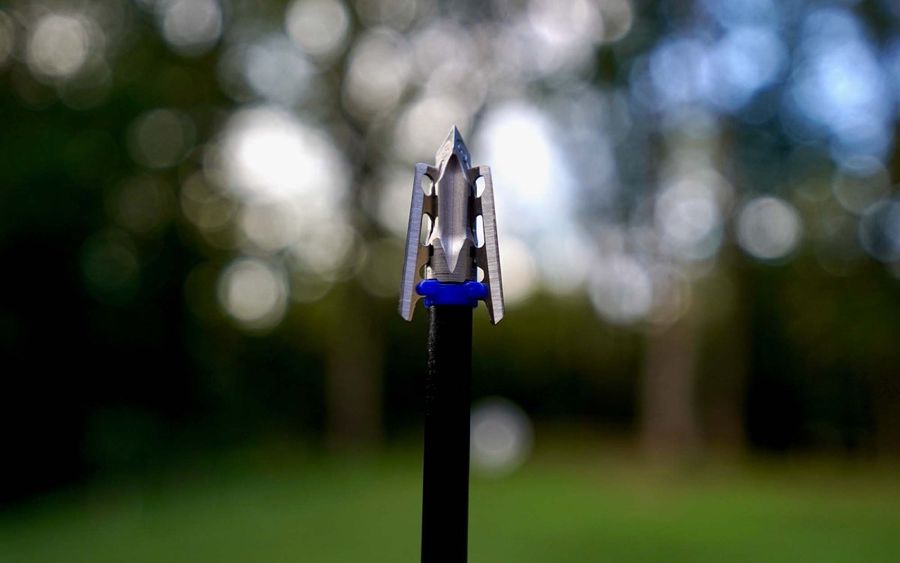
A mechanical, sometimes called an expandable, keeps its blades folded in flight. On contact, the blades swing out — either rear-deploying, where the blades sweep back as the head buries itself, or front-flip, where the blades hinge forward off a collar or shock band. Cutting diameter jumps from roughly 1 inch in flight to anywhere from 1 3/4 inches to 2 1/2 inches once deployed.
The trade is energy. Every mechanical blade has to overcome a retention mechanism, swing through ninety-plus degrees, and finish the slice. Each of those steps eats kinetic energy that a fixed blade has already converted into pure forward momentum. On a 70-lb compound shooting a 425-grain arrow, you’ve got plenty of energy to spare. On a 50-lb setup or a long quartering shot, that lost energy is the difference between a pass-through and a stuck arrow.
Penetration — The Number That Matters Most
If a broadhead doesn’t reach the off-side lung, nothing else about it matters. Penetration is governed by three variables: arrow momentum, head profile, and what the head hits on the way in.
Independent ballistic gel testing from Ranch Fairy and Lusk Archery has shown fixed blade designs averaging 16 to 20 inches of penetration on broadside shots from a 65-lb compound. Comparable mechanical heads in the same test averaged 12 to 15 inches — still plenty for a whitetail, but the cushion shrinks fast on angled or quartering shots. Add a shoulder blade in the path and most two-inch-cut mechanicals stop dead before reaching the lungs.
The fix on the mechanical side is going small. Conservative mechanicals with cutting diameters under 1 1/2 inches close the penetration gap and still cut wider than a 1-inch fixed blade. That’s why heads like the SEVR 1.5 and Rage Hypodermic Trypan dominate the deer woods — they’re the compromise position.
Accuracy — Why Fixed Blades Punish Bad Tuning
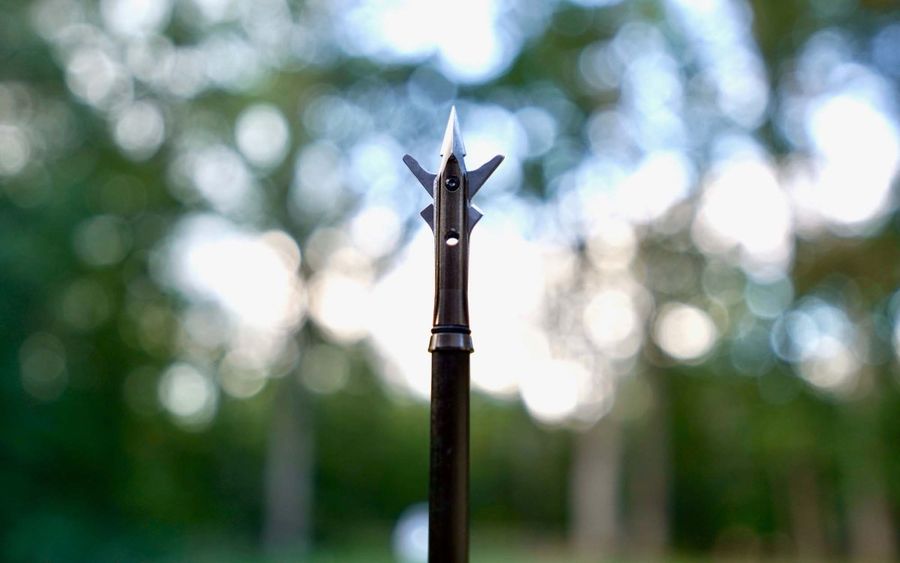
Mechanicals fly like field points, period. That’s the entire reason they exist. Closed in flight, they present a profile nearly identical to your practice tips, so the impact at 40 yards lands where your sight pin says it should. Most hunters can switch from field points to mechanicals on opening day with zero sight tape adjustment.
Fixed blades require real work. Every wobble in your release, every cam-timing drift, every rest setting off by 1/32″ — the fixed blade reads all of it and turns it into a 4-inch impact difference at 30 yards. Bowhunters who shoot fixed blades religiously paper-tune, bareshaft, and broadhead-tune their bows before season, and they do it again any time they change strings, arrows, or rest position. If you’re not willing to put in that bench time, you should not be shooting a fixed head.
The honest math: a hunter who shoots 50 arrows a year and ignores their tune will get cleaner kills with a mechanical. A hunter who tunes seriously and shoots 200-plus arrows in the off-season will be lethal with either, and the fixed blade will reward them with deeper penetration when the angle goes sideways.
Wound Channels and Blood Trails
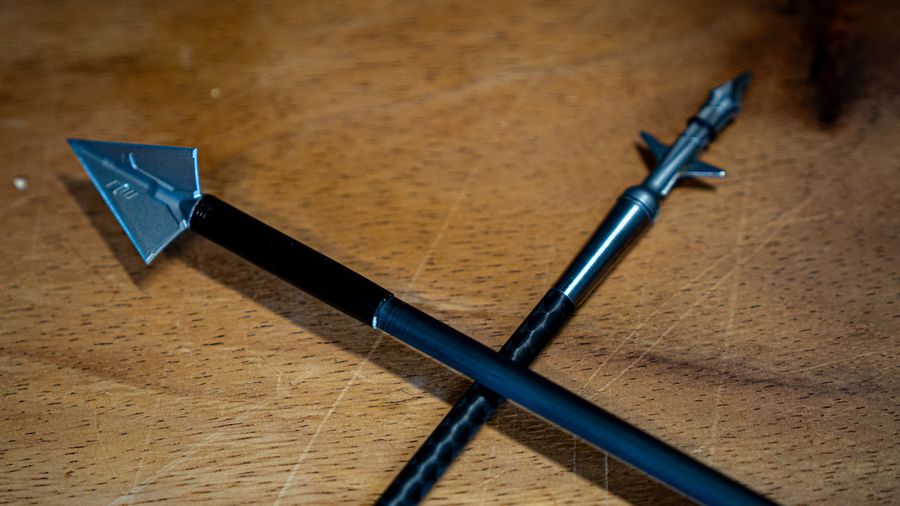
This is where the mechanical fans plant their flag, and they’re not wrong. A 2-inch deployed cutting diameter slices a wound channel roughly 60 percent larger than a 1 1/4-inch fixed blade. Bigger channel, more capillary damage, faster blood loss, easier trail. On a clean broadside shot through both lungs, a deer hit with a 2-inch mechanical often piles up inside 60 yards with a blood trail you can follow at a jog.
The catch is the if. If the broadhead deploys fully. If the angle is broadside. If the deer doesn’t kick when it sees the bow draw. Single-bevel and fixed blade hunters tell stories of one-blade deployments, mechanicals that opened on a tree branch on the way in, blades that folded back closed inside the chest cavity. All of those failures exist in the data. They’re rare in modern designs, but they’re not zero. A fixed blade can’t fail to deploy because it never had to deploy.
The Bone Question
If you hunt elk, mule deer in heavy country, hogs, or anything with a shoulder bigger than a whitetail’s, the bone question stops being academic. A bull elk scapula is a half-inch slab of bone that turns mechanical broadheads into shrapnel. The Field & Stream cattle-rib test cited earlier put that number at 9 percent survival for mechanicals — and that was the broadhead surviving, not the animal getting recovered.
Fixed blade survival rates in the same test ran roughly four times higher, and the heads that did break still penetrated the rib before they failed. For western big game and any quartering-to shot where the off-side lung sits behind bone, the fixed blade is the structurally honest choice. This is also true for serious bowhunters running lower poundage — anyone shooting 45 to 55 lb who plans to hunt anything tougher than a whitetail should default to a small-cut fixed blade and forget the wound-channel debate entirely.
When Fixed Blades Win
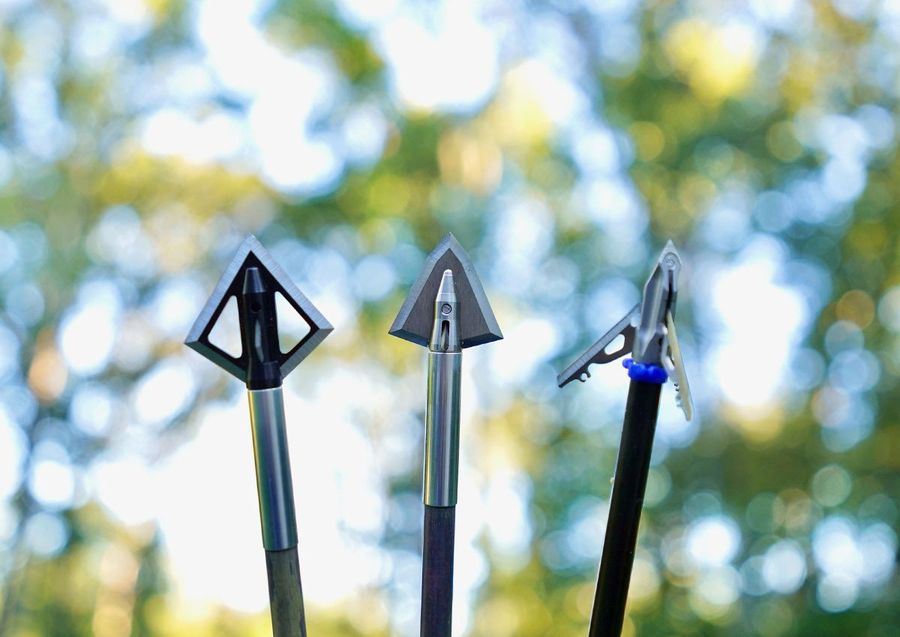
The fixed blade case writes itself when you list the conditions. Heavy bone in the shot path. Low-poundage setup. Long-range shots where retained energy matters. Cold-weather hunts where mechanicals can freeze in deployment mechanisms. Recurve and traditional setups, which have no business running expandables in the first place. International hunts where you may not have a parts kit if a blade snaps.
Fixed blades also make sense the year a hunter commits to bow setup as a craft. Tuning a bow for fixed blades — paper, bareshaft, broadhead — produces a bow that shoots field points and mechanicals lights-out by default. The reverse is not true. A bow tuned only for mechanicals can be deeply out of true and still print field points in the same hole.
When Mechanicals Win
Mechanicals are the right answer when the variables stack the other way. A short-season weekend hunter who can’t sneak away to tune. A treestand hunter shooting broadside whitetails inside 30 yards. Anyone running 65 lb or higher who wants the widest possible wound channel without changing their sight tape. A bowhunter recovering from a shoulder injury who can’t pull enough draw weight to push a 1 1/4-inch fixed blade through a rib cage at angle.
The mechanical case is also stronger for new bowhunters in their first or second season. The form fixes that get exposed by fixed blades — torque, punch-the-trigger releases, weak follow-through — are the same form fixes a beginner is still building. A mechanical buys them a season or two to graduate before the broadhead starts grading their tune.
Grain Weight, Front of Center, and the Setup That Carries Both
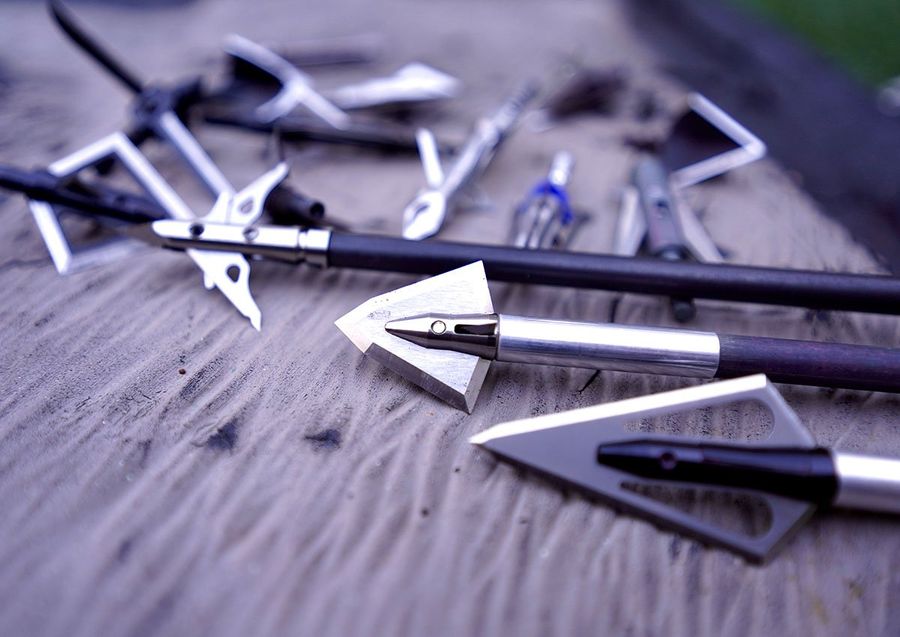
Whichever design you pick, the grain weight conversation is the same. A 100-grain head is the standard. Going to 125 grains shifts the front-of-center balance forward by about 1 to 2 percent, which improves arrow stability mid-flight and adds a small amount of penetration on impact — at the cost of a slightly more arcing trajectory past 40 yards. Heavier heads also let a fixed blade design steer through tissue more predictably, which is why traditional and high-FOC shooters often run 150- and 175-grain fixed heads.
This is also where the right arrow spine stops being optional. A broadhead amplifies arrow spine error by roughly 3x compared to a field point. An arrow that prints groups with field points can scatter wildly with a fixed blade if the spine is even slightly wrong for the draw weight. Get the arrow right before the broadhead. Always.
Maintenance, Sharpness, and the Cost Calculation
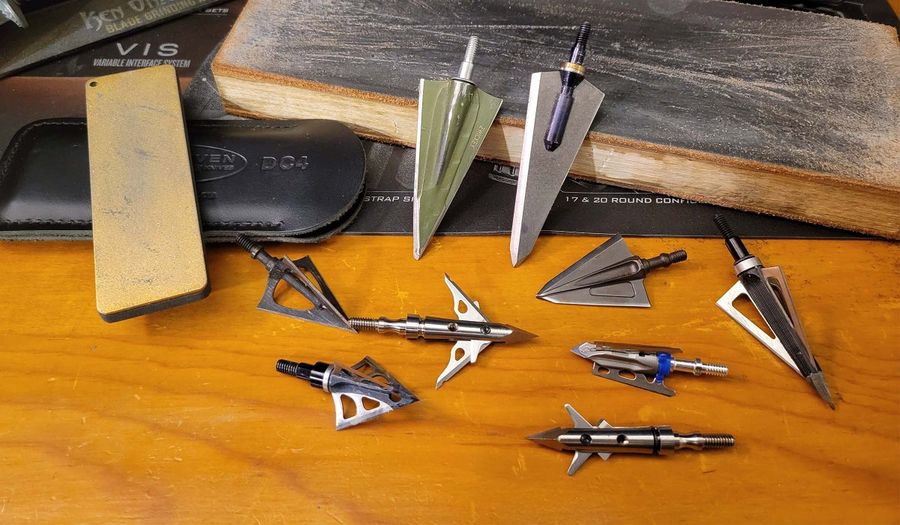
Fixed blades demand sharpening. Some come pre-sharpened, but the edge lasts one or two test shots into a target before it needs to be touched up. A leather strop and a 6,000-grit stone bring most mid-tier fixed heads back to shaving sharp in under five minutes. Hunters who can’t or won’t sharpen broadheads should buy heads with replaceable blade modules — Slick Trick, Iron Will, Magnus all sell them — and treat the whole head as semi-disposable.
Mechanicals are typically replace-the-blade designs from the factory. The blade modules cost $8 to $15 per replacement, and most hunters get one to two seasons of hunting use out of a single head before retiring it. Per-shot cost is higher than a fixed blade you sharpen yourself, but the time investment is much lower.
The Real-World Test — Range and Animal Together
The only honest broadhead test is one that runs the same arrow through both a 3D target and a paper target. Set a broadhead-rated 3D foam target at 30 yards. Shoot three arrows of each design. Measure group size. Now move to paper at five feet. Shoot the same arrows. You’re checking for two things: are the broadhead groups landing where the field points land, and does the paper tear show a clean bullet hole or a tail-high tear that says the bow is out of tune.
If groups land more than 2 inches off the field-point group at 30 yards, the bow needs tuning, not a different broadhead. If the paper tear is clean and the group is tight, you have a bow that will kill cleanly with whichever head you screw on. That confidence — not the marketing language on the package — is what fills tags. The full bowhunting gear checklist covers everything else that goes in the pack on opening day.
Watch the Penetration Test
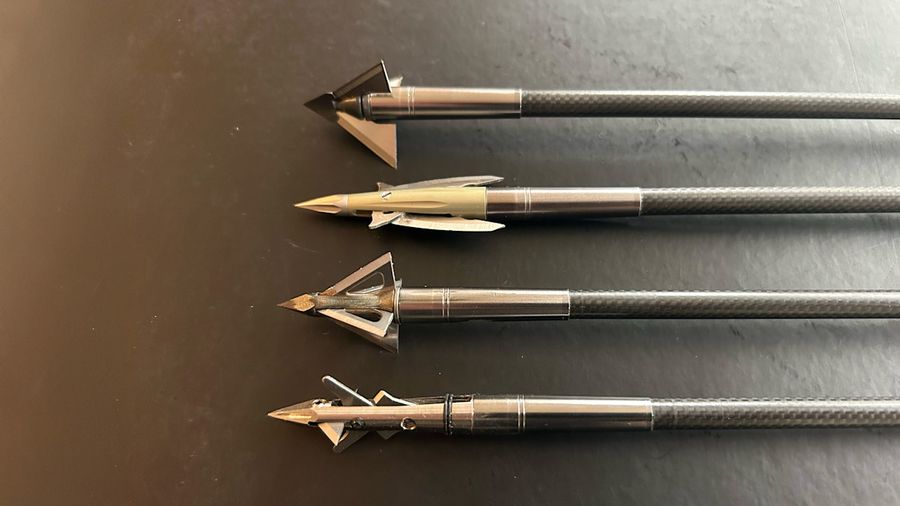
For a side-by-side ballistic test that visualizes how each design behaves on impact, this comparison runs four common broadheads through the same medium:
The 2026 Verdict
Fixed blade for bone, low poundage, long range, cold weather, and anyone who tunes their bow as a hobby. Mechanical for whitetail hunters on a tuned 60-lb-plus compound who want the widest possible wound channel at standard treestand distances. Both designs are honest tools. The dishonest choice is buying whichever one your buddy uses without doing the work to match it to your setup, your animal, and your shot distance.
Test your real-world groups before the season starts. If you can’t put three broadhead arrows inside an 8-inch circle at the distance you plan to shoot, the answer isn’t a new broadhead — it’s another month at the range. Build the shot first, then pick the head.
Sources
- GOHUNT — What Broadhead Design Is Best to Hunt With — Field comparison of fixed and mechanical performance on western big game
- Outdoor Life — Why Mechanical Broadheads Are Still the Best Option for Most Deer Hunters — Argument for mechanicals on broadside whitetail shots
- Bowhunting.com — Choosing a Broadhead: Mechanical vs. Fixed — Beginner-friendly comparison covering tuning expectations and deployment styles
