Archery Blog
Whisker Biscuit: 7 Truths Every Bowhunter Needs in 2026
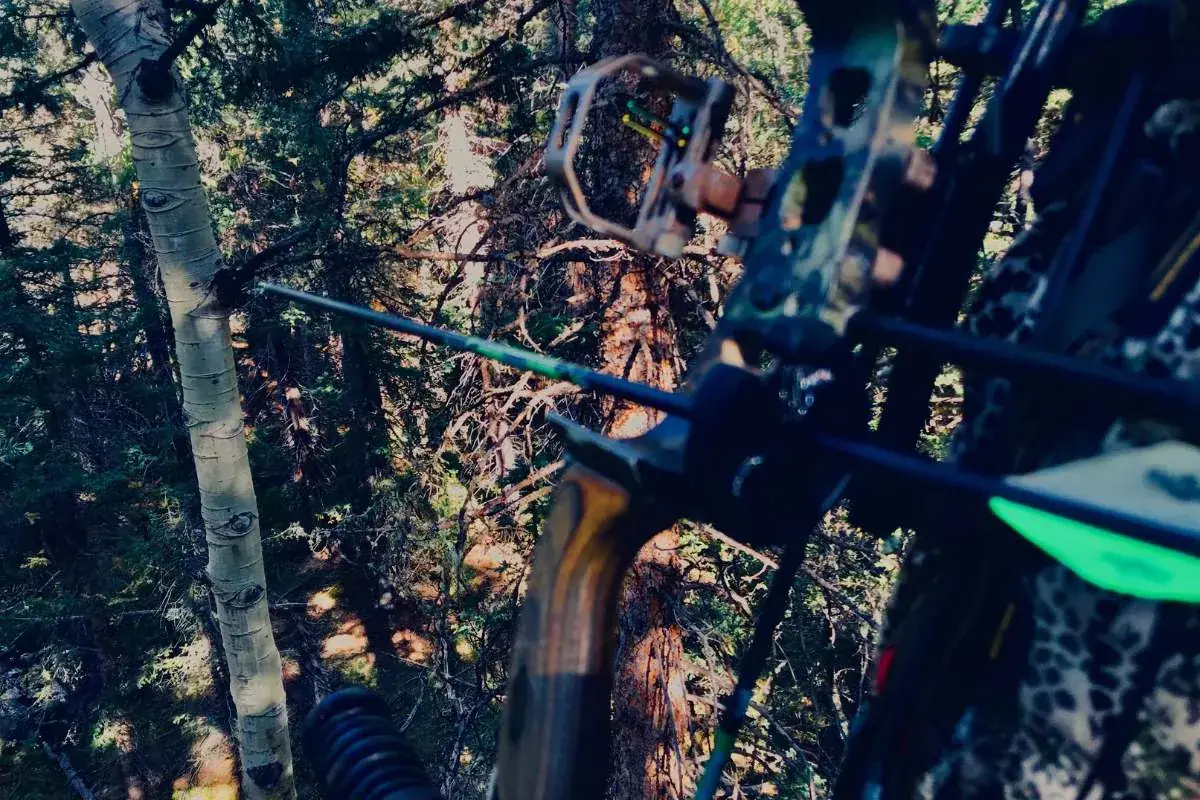
Jun
The Trophy Ridge Whisker Biscuit has outsold every other arrow rest design for more than twenty years, and it still ships on a huge slice of factory bow packages in 2026. That market dominance is the answer to one question — popularity — but it doesn’t answer the one that actually matters: should you put a whisker biscuit on your compound bow, or skip it for a drop-away? The honest answer depends on what kind of shooter you are, where you hunt, and how much accuracy you’re willing to trade for bombproof simplicity. Here are seven truths about the whisker biscuit arrow rest that most product reviews quietly leave out.
What a Whisker Biscuit Actually Is (and Why It Took Over)
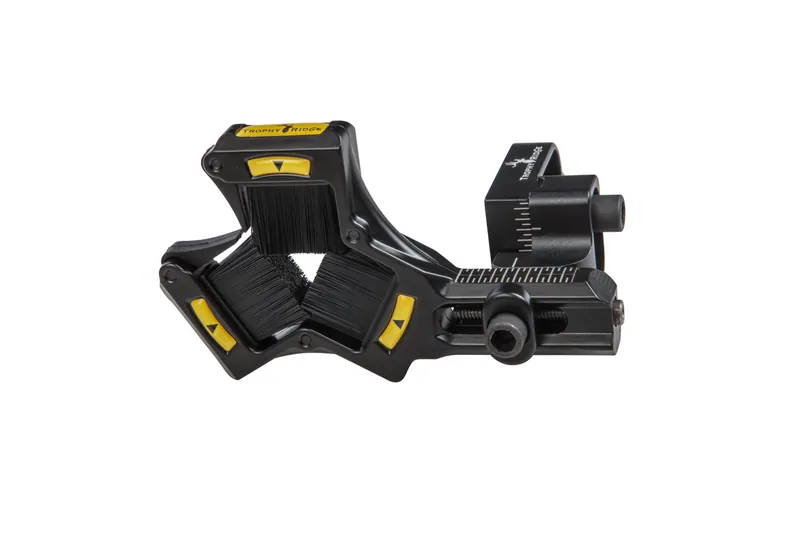
A whisker biscuit is a full-containment arrow rest built around a ring of stiff nylon bristles. The arrow slides through the bristles, which surround the shaft from every direction and hold it captured no matter how you tilt or shake the bow. Trophy Ridge launched the design in 1998, and within a decade it had become the default rest on factory-built compound bow packages from Bear, Diamond, Mission, and PSE. The reason was simple — it solved the single biggest beginner problem in archery: the arrow falling off the rest mid-draw.
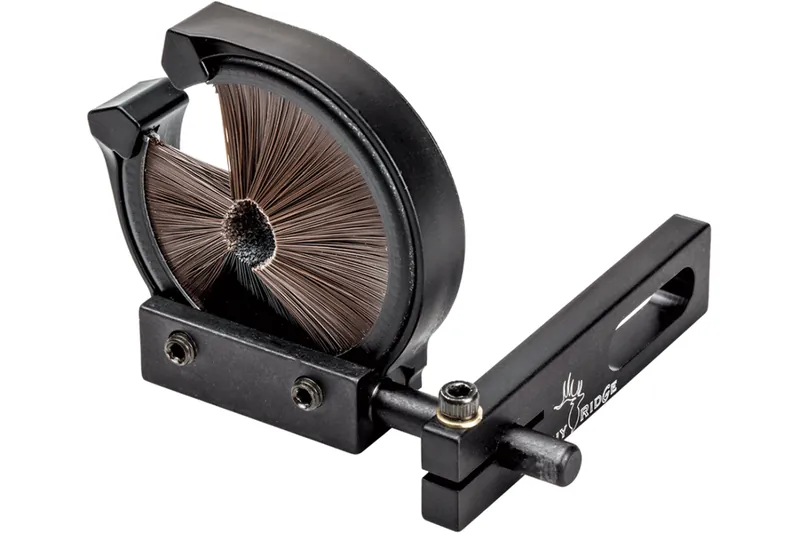
The original Quick Shot Whisker Biscuit still anchors the lineup. Newer versions — the Whisker Biscuit V, V-Max, and Pro — refine the bristle geometry to reduce vane contact, but the core idea hasn’t changed in twenty-seven years. That kind of longevity in archery gear is rare. Either the design is genuinely great, or the marketing department is. The truth is closer to the first.
Whisker Biscuit Pros: Where It Beats Every Other Rest
The single biggest selling point is containment. There are no moving parts, no timing cables, no launcher to mistime — the arrow stays where you nocked it, every time, even if you draw upside-down out of a treestand or stalk on hands and knees through brush. For a still-hunter or anyone who carries a nocked arrow through rough terrain, that reliability is worth real money.
The second pro is durability. With no rubber pistons, no fall-away cords, and no spring-loaded launcher, there’s nothing on a whisker biscuit that can fail at the moment of truth. I have seen drop-away rests come uncorded in the middle of a hunt; a whisker biscuit’s failure mode is the bristles wearing soft after a few thousand shots, which gives you weeks of warning before it actually stops working.
Price is the third pro. A factory whisker biscuit retails between $30 and $70 depending on model. A premium drop-away like a QAD Ultrarest HDX runs $150 to $190. For a beginner bowhunter spending $400 on the whole rig, that price gap matters.
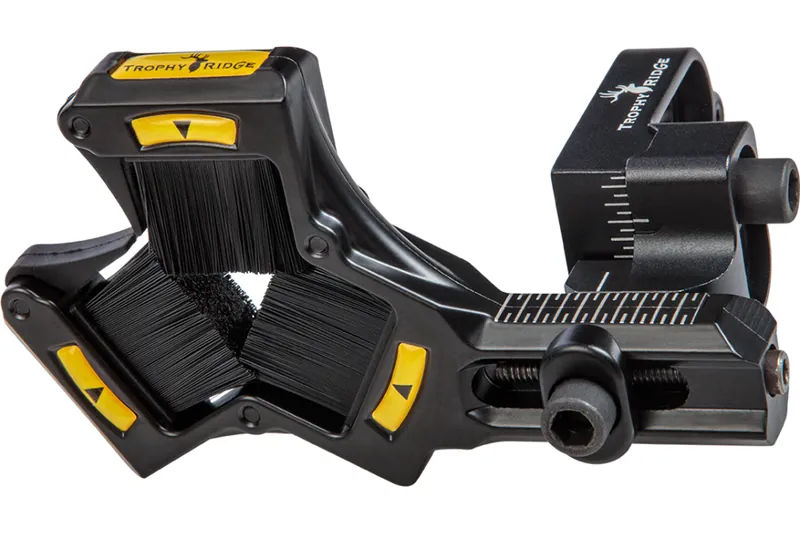
Setup is also dead simple. Bolt the rest to the riser, square it up, run an arrow through, set center shot — done. No cord to tie onto the cable. No timing window to verify. A new bowhunter can have a whisker biscuit installed and tuned in twenty minutes; a drop-away can eat an afternoon if you’ve never tied one in.
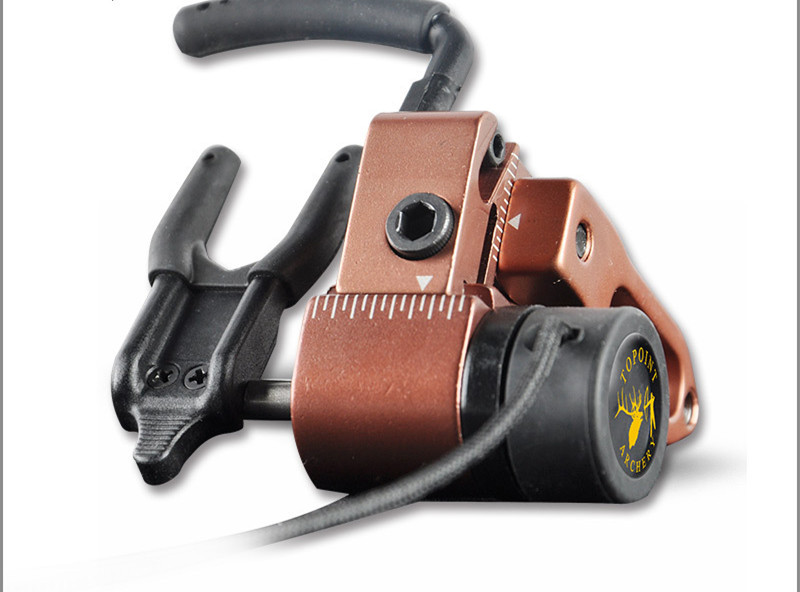
Whisker Biscuit Cons: The Trade-Offs Nobody Mentions in Reviews
The bristles touch the arrow through the entire shot. That’s the design — and it’s also the downside. Every brand-paid review tells you the contact is “minimal” and “doesn’t affect flight.” That’s only true within limits. The bristles scrub against the vanes for the first six inches of arrow travel, costing 5 to 8 feet per second on most setups compared to the same arrow off a drop-away. At 20 yards no one notices. At 60 yards it shows up as drop and drift.
The second real con is fletching wear. After a few hundred shots, the bristles abrade the leading edge of plastic vanes; feathers fare worse and lose their height within a season. You can shoot it with helical fletching, but expect to refletch arrows more often than you would with a clearance rest. If you want the trade-offs spelled out per design, our breakdown of helical vs straight fletching is worth a read before you commit.
Weather is the third weak spot. Wet bristles flatten and cake with ice in cold rain or sleet, which changes the bristle pressure on the shaft. Most bowhunters who shoot late-season Whitetail in the Midwest will tell you a soaked whisker biscuit feels different than a dry one at the shot. It’s not unshootable — but it’s noticeable.
Whisker Biscuit vs Drop-Away: The Real Accuracy Gap
This is the question every bowhunter asks, and the honest answer is: it depends on distance. Inside 30 yards on a typical hunting setup, a tuned whisker biscuit and a tuned drop-away will print identical groups. Most shooters can’t see the difference. Past 40 yards, the drop-away starts to pull ahead. Past 60, the gap is real and measurable — typically 1 to 2 inches of vertical spread on a 60-yard target.
That gap comes from two physics realities. First, the bristle contact bleeds kinetic energy and slows arrow speed, which steepens the drop arc and amplifies any range-estimation error. Second, the bristles can press unevenly if even one or two are bent, introducing a subtle horizontal vector that opens groups laterally at long range.
For 90 percent of whitetail hunting — where the average shot is 18 to 22 yards — none of that matters. For elk hunters who routinely shoot to 50 yards, or 3D archers shooting unknown distances to 80, the drop-away wins. Olympic and competitive target archers don’t shoot whisker biscuits at all, which tells you something about the ceiling. If you want the head-to-head with blade rests in the mix, our existing arrow rests compared guide walks through every category side by side.
How to Install a Whisker Biscuit (8-Step Bow Setup)
Installation is the easiest part of owning a whisker biscuit, but every step matters if you want it to shoot. Follow this sequence and you will not need to redo any of it.
- Remove the old rest. Unscrew the rest from the Berger button hole on the riser shelf.
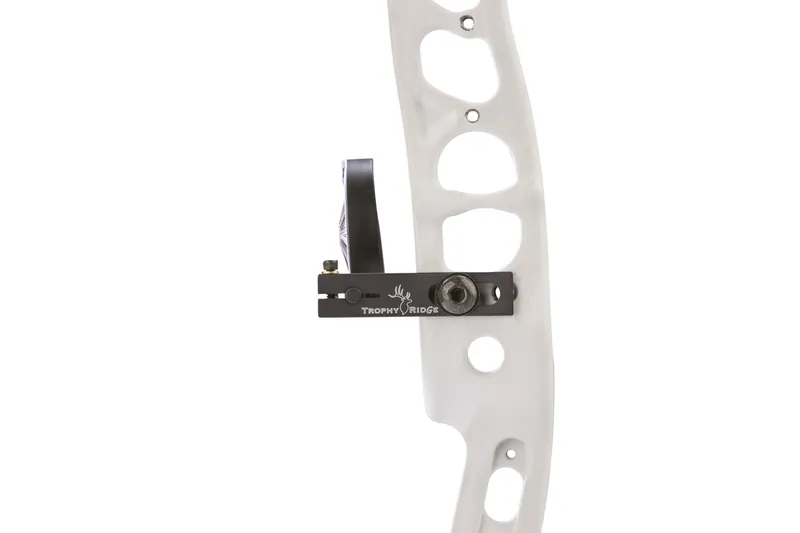
- Mount the whisker biscuit bracket. Bolt the rest to the Berger hole using the supplied hex screw. Snug, but not torqued — you’ll be moving it.
- Set rough center shot. Nock an arrow on the string, run it through the bristles, and slide the rest laterally until the arrow points down the center of the riser. Most setups land around 13/16″ from the riser to the center of the shaft.
- Set rough nock height. Adjust the rest vertically so the arrow sits at 90 degrees to the string — use a bow square if you have one. For most compound bows, the arrow rides 1/8″ above square.
- Tighten the windage screw. Lock the lateral position once center shot is set.
- Tighten the elevation screw. Lock vertical position once nock height is set.
- Paper tune. Shoot through paper at six feet. A clean bullet hole means you’re done. A high or low tear means adjust nock height; a left or right tear means adjust center shot. See our paper tuning a bow guide for the full procedure.
- Walk-back tune. Shoot one pin at 20 and 40 yards. If the arrows print in a vertical line, center shot is correct. If they drift left or right at distance, micro-adjust the windage screw 1/64″ at a time.
Tuning a Whisker Biscuit: Center Shot, Nock Height, Bristle Gap
Most whisker biscuit accuracy complaints trace back to a setup problem, not the rest itself. Three numbers separate a 5-inch group from a 1.5-inch group at 30 yards: center shot, nock height, and the bristle gap at the top of the ring.
Center shot for a whisker biscuit usually falls between 13/16″ and 7/8″ measured from the inside of the riser to the center of the arrow. Start at 13/16″ and walk-back tune from there. If you change arrow spine or point weight, recheck — center shot is arrow-specific, not bow-specific.
Nock height matters more than most shooters think. Even 1/16″ too high and the arrow noses down through the bristles, scrubs the cock vane on the top of the ring, and tears a high paper. The fix is mechanical, not technique: drop the rest 1/16″ and reshoot.
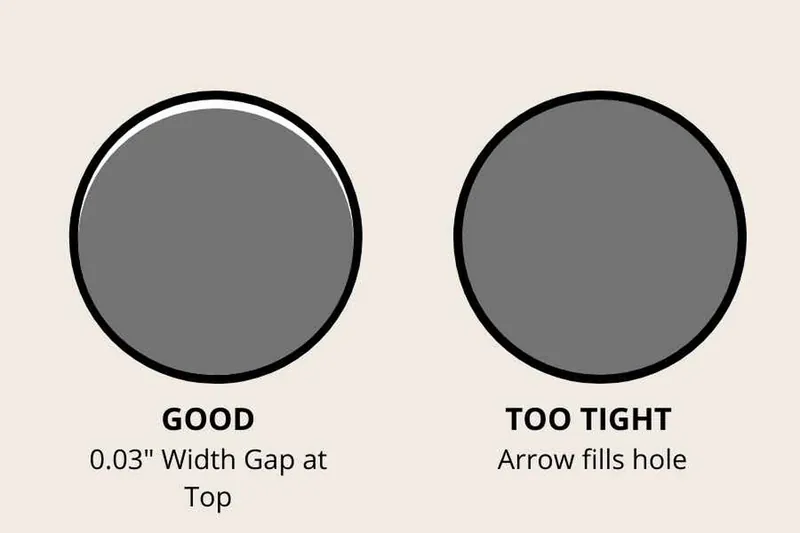
The bristle gap is the part nobody discusses. With the arrow nocked, look at the top of the bristle ring. There should be a hairline gap of roughly 0.03″ between the top of the arrow shaft and the bristles overhead — meaning the arrow rides on the bottom bristles, not pinched from above. If the arrow fills the ring with no gap, the bristles are too tight; you can either trim two or three bristles at the top with sharp scissors, or step down to a smaller diameter rest. Trophy Ridge sells three sizes — small, medium, and large — matched to micro, standard, and large-diameter shafts. If your arrow spine and shaft diameter changed since you bought the rest, the size may need to change too.
Whisker Biscuit Models Compared: Original, V, V-Max, Pro
Trophy Ridge ships four current variants, and they are not interchangeable in performance.
The Original Quick Shot is the rest that built the franchise. Brown bristles, one-piece aluminum bracket, $30 to $40 street price. It works, it lasts, and it’s the right pick for a beginner package bow or a backup hunting rig. The trade-off is that the full bristle ring causes the most fletching contact of any model in the line.
The Whisker Biscuit V introduces a patented V-notch design that centers the arrow on only two contact points instead of all the way around. Side-to-side movement is reduced, vane wear drops measurably, and the arrow exits cleaner. Street price runs $50 to $65. For most bowhunters in 2026, the V is the sweet spot.
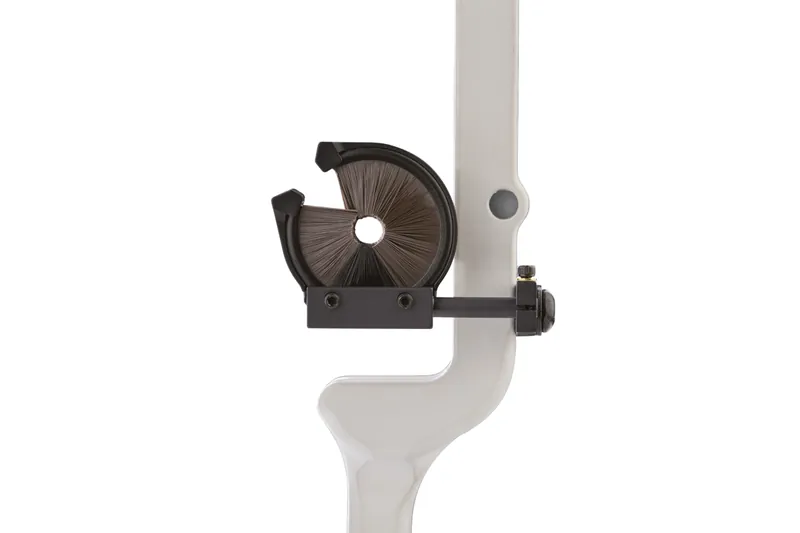
The V-Max IMS takes the V geometry further with perpendicular bristles and an integrated mounting system that adds micro-adjust windage and elevation. It’s $80 to $90 and lives in the gap between hunting rest and target rest.
The Whisker Biscuit Pro is the top of the line — fully machined aluminum, tool-less micro adjustments, and the most refined V bristle pattern. It runs $100 to $120. If you’re already spending that money, the honest comparison isn’t to other whisker biscuits — it’s to a mid-tier drop-away in the same price bracket.
Who Should Buy a Whisker Biscuit (and Who Should Skip It)
Buy one if you’re a new bowhunter, a deep-woods stalker who needs containment over everything, a backup-bow owner who needs zero-maintenance reliability, or a parent setting up a youth bow for a kid who will drop the arrow forty times a session. The whisker biscuit forgives all of that.
Skip it if you’re shooting 3D, target, or precision hunting past 50 yards. The accuracy ceiling is real and you will outgrow it. Skip it also if you’re shooting feathers or thin micro-diameter target shafts — fletching wear will frustrate you within a season.
The truth is, most archery debates around the whisker biscuit aren’t really about the rest — they’re about identity. Hardcore shooters dismiss it because beginners use it. Beginners worship it because it just works. The honest answer is that it’s one of the most successful pieces of archery gear ever made because it does exactly one thing better than any rival: it keeps the arrow on the string until you decide to let go. Pair it with a quality release and a tuned compound bow, and it will kill animals at hunting distances for decades.
Before you mount one, take ten minutes to watch the tuning walkthrough below from Average Jack Archery — it covers the bristle gap and windage steps that most box instructions skip:
If you’re a first-season bowhunter still building out a rig, get a whisker biscuit on the bow this week and spend the rest of summer shooting it. By the time deer season opens, you’ll know whether the trade-offs work for your style of hunting — and if they don’t, a drop-away upgrade later is a one-hour swap, not a setback.
Sources
- Bear Archery / Trophy Ridge — Original Quick Shot Whisker Biscuit — manufacturer product page with full specs and sizing chart.
- Trophy Ridge — Whisker Biscuit V — V-notch design specifications and pricing.
- MeatEater / Wired to Hunt — Is the Whisker Biscuit Dead? — long-form field analysis on whisker biscuit vs drop-away in modern bowhunting.
- Shooting Time — Whisker Biscuit by Trophy Ridge Review — hands-on review of the original model.
- BowAddicted — Should You Consider A Whisker Biscuit Arrow Rest? — bristle gap tuning and accuracy testing.
- Lancaster Archery Supply — Trophy Ridge Quick Shot Whisker Biscuit — current retail pricing and sizing options.
