
Archery Blog
Archery Follow-Through: 6 Fixes for a Rushed Release
Jul
Watch a beginner’s group open up left and low over a practice session and the instinct is to blame the release hand. Half the time the real cause is happening after the string leaves the fingers, not during. The bow arm drops, the head comes off anchor, or the shoulders relax a beat too early — all of it invisible in a single frozen frame, all of it very visible in a group of ten arrows scattered wider than they should be.
Follow-through is the cheapest fix in archery because it costs nothing to add and it’s rarely about strength. It’s about patience for roughly 400 more milliseconds than most beginners naturally give it.
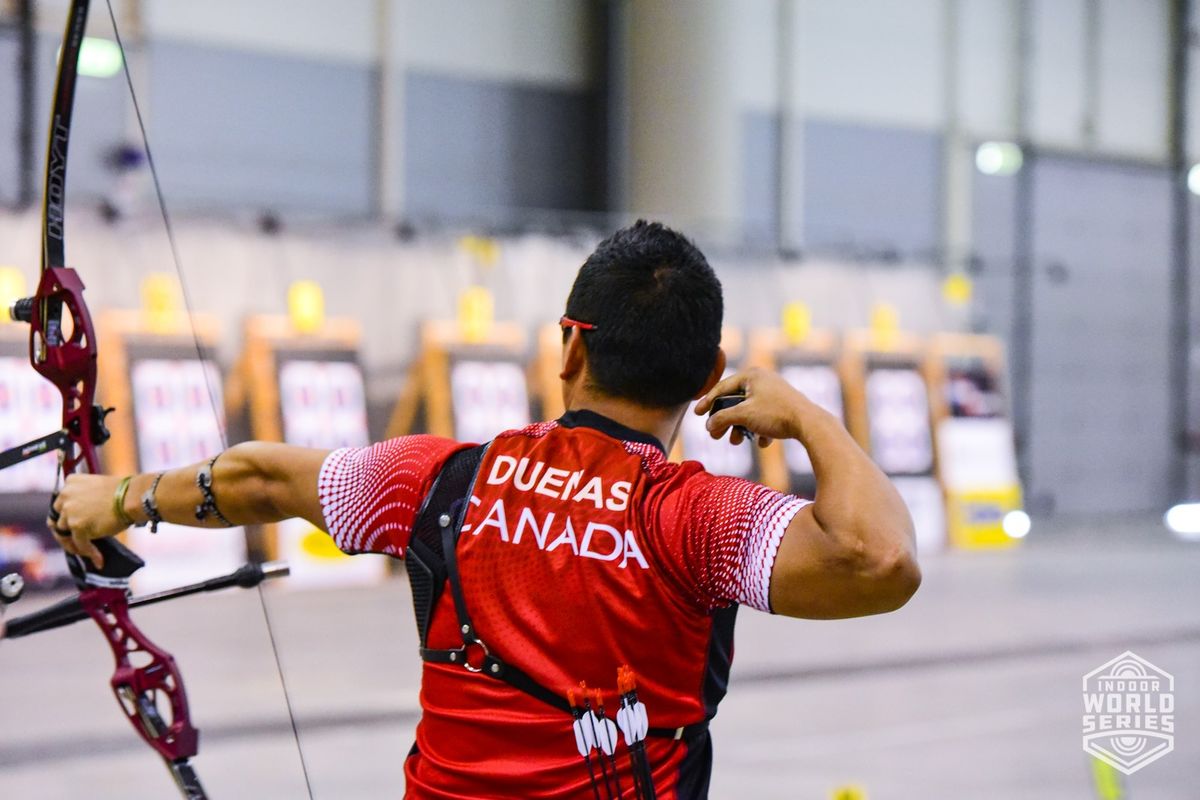
A clean follow-through: bow arm still up, string hand back, well after the arrow has left.
What Archery Follow-Through Actually Looks Like
A textbook follow-through has three visible markers. The bow arm stays extended toward the target instead of dropping the moment the shot breaks. The string hand continues moving backward past the face — coaches call this “the string hand goes to the ear” — rather than stopping dead at release. And the archer’s head stays on the string, still looking at the target through the same sight picture, for a beat after the arrow is already gone.
None of that is decorative. Each piece prevents a specific failure. A bow arm that drops early means it was already dropping, just slightly, before the arrow cleared — and “slightly” at full draw becomes inches downrange. A string hand that stops dead at release usually means the archer punched the trigger or plucked the string rather than executing a controlled expansion, which torques the string sideways as it leaves the fingers. A head that comes off target early means the archer stopped watching the shot before it was actually finished, which is as much a mental habit as a physical one.
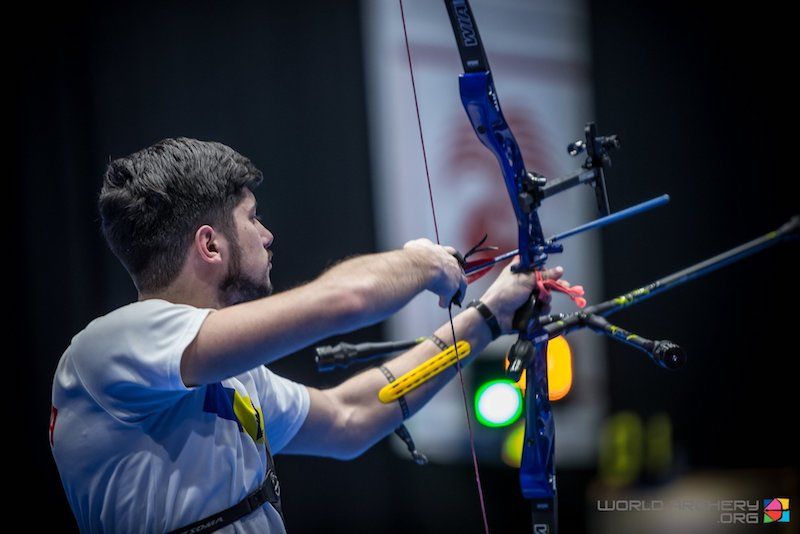
Everything about the follow-through is decided in the half-second before release, not after.
Why It Matters More Than Beginners Assume
The honest answer most new archers don’t want to hear: follow-through matters because the arrow is still in contact with the string for longer than people think. High-speed footage of a shot shows the arrow staying on the string through several inches of forward travel, easily out past where most beginners have already started relaxing. Any movement in that window — the bow torquing left, the arm dropping, the shoulders collapsing — happens while the arrow is still being steered by the string, not after.
Back tension is the mechanism that makes a real follow-through possible in the first place. An archer pulling with the back muscles rather than just the fingers naturally continues that expansion through and past the release, because the movement was never just a finger twitch to begin with. Our back tension guide covers that muscle engagement in more depth — it’s the piece that makes follow-through feel automatic instead of like a separate thing you have to remember to do.
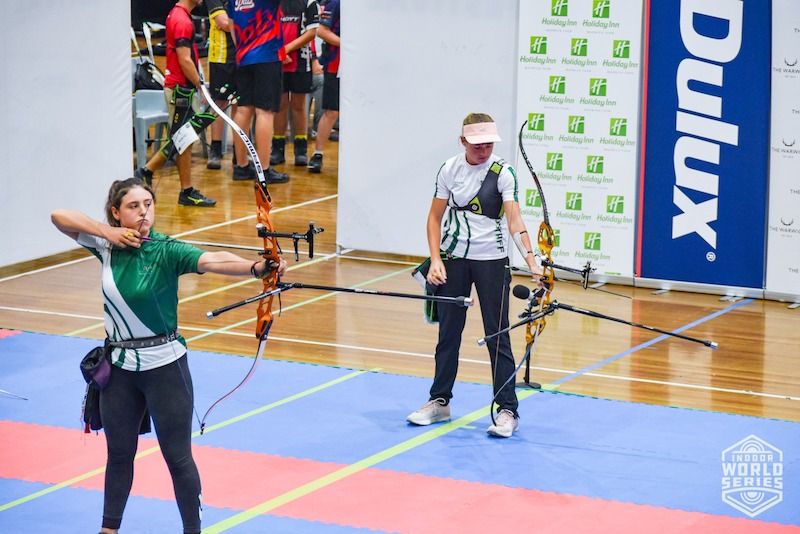
Follow-through starts at setup — a rushed stance produces a rushed finish.
Compound vs Recurve: The Follow-Through Isn’t Identical
Recurve shooters expect the bow arm to stay elevated and the string hand to travel back toward the rear shoulder, since the whole shot is built around back-tension expansion through a clicker. Compound shooters have a different problem: a mechanical release aid can make it feel like the shot is “done” the instant the sear breaks, because there’s no finger tension to consciously let go of. That illusion is exactly why compound follow-through breaks down more often than people expect — the archer’s brain registers the click and starts standing down before the arrow has actually left.
A hinge or back-tension release forces better habits here almost by accident, since it fires from continued rotation rather than a deliberate trigger pull, which means the follow-through motion and the release motion are the same motion. Index-finger trigger releases don’t have that built-in safeguard, so compound shooters running a trigger release need to consciously hold form afterward rather than relying on the equipment to do it for them.
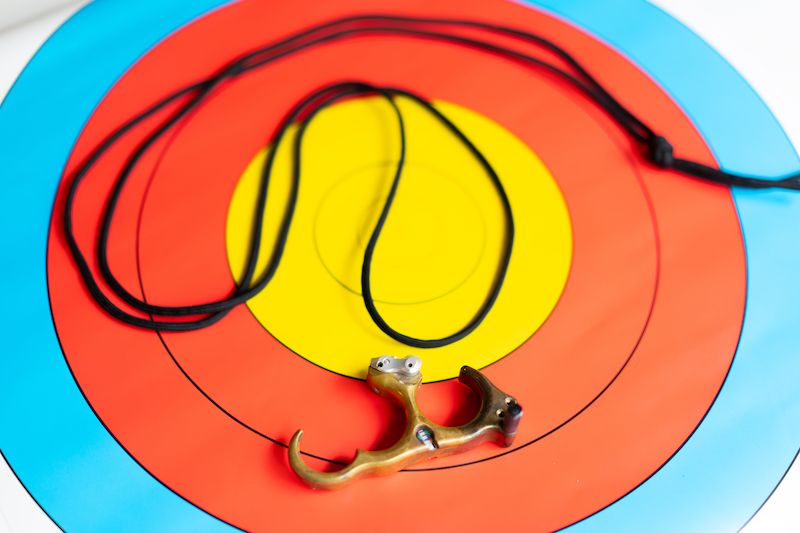
A hinge release ties the release motion and the follow-through motion together into one continuous action.
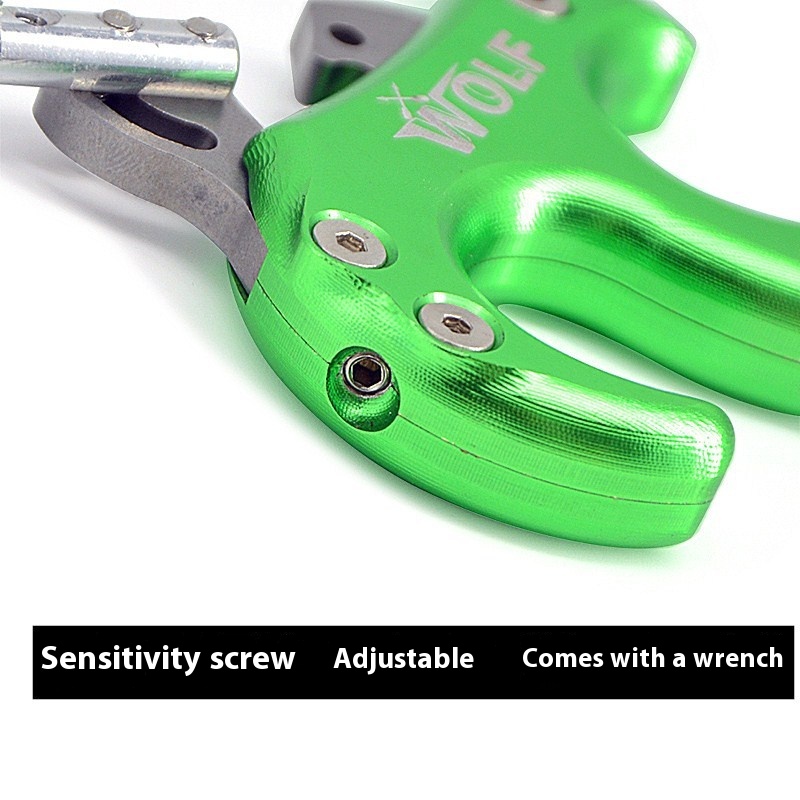
Drills That Actually Build It
Blank bale shooting with your eyes closed at release is the single most effective drill for this, and it works precisely because it removes the temptation to watch the arrow hit — which is the exact habit that pulls the head off target early. Draw, anchor, execute the shot, and hold your full position for a two-count before opening your eyes. Do this for twenty shots and the difference in group size once you go back to shooting at a real target is usually obvious the same session.
A second drill worth running: have a training partner call out “hold” the instant they see your arrow hit, and don’t move until they say so. This builds the habit externally before it becomes automatic internally, and it catches archers who think they’re holding follow-through but are actually dropping the bow arm half a second sooner than they realize. Video review does the same job without a partner — record five shots from the side and watch for the bow arm dipping before the arrow reaches the target.
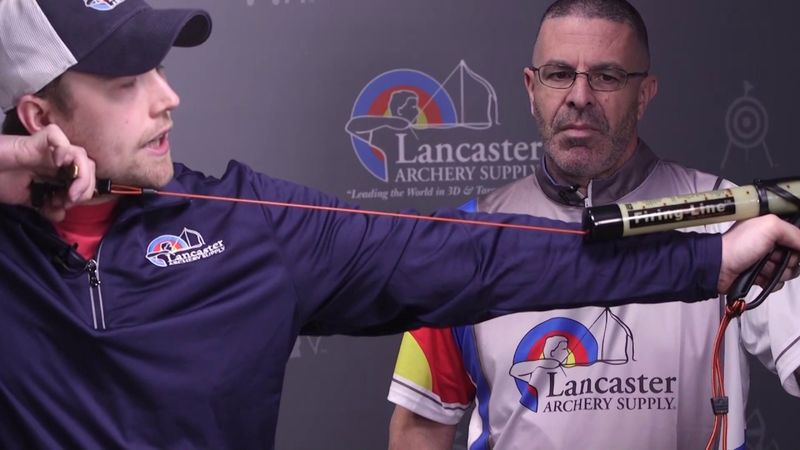
Shot trainers and slow-draw drills reinforce the same hold-through-release habit blank bale work builds.
How Long Should You Actually Hold It?
There’s no universal count, but a useful working target is one to two full seconds after the arrow leaves, or roughly the time it takes the arrow to actually reach a 20-yard target. Coaches often teach “hold until it hits” for exactly this reason — it gives beginners a concrete external event to hold through rather than an abstract time count they’ll rush under pressure. Once the habit is built, most archers naturally settle into a hold time that feels instant to them but reads as a clean one-to-two-second pause on video.
Competition tempo changes this slightly. Field and 3D archers shooting against a shot clock sometimes shorten follow-through under time pressure, and that’s one of the more common places tournament scores slip compared to relaxed practice sessions — not because the archer forgot how to follow through, but because clock pressure quietly shortens it a fraction of a second at a time until the habit erodes. If your practice scores are noticeably better than your competition scores, checking whether your follow-through is surviving the shot clock is worth doing before you assume it’s nerves.
The Most Common Follow-Through Mistakes
Dropping the bow arm the instant the shot breaks is the single most common error, and it’s almost always paired with watching the arrow fly rather than staying on the sight picture. Fix the eyes and the arm usually follows, because the arm drop is frequently just the archer’s body chasing where their eyes already went.
Punching the release — snapping the trigger the moment the sight settles rather than executing a controlled squeeze — is the second common failure, and it’s a compound-specific problem that shows up as a flinch just before the shot rather than after it. That one isn’t really a follow-through issue at its root; it’s an anticipation issue that happens to wreck the follow-through as a side effect, since a punched release rarely continues into a controlled finish.
The third mistake is more subtle: rushing the whole shot cycle when tired or shooting late in a long session, which shortens follow-through time without the archer noticing it’s happening. Fatigue doesn’t usually announce itself as fatigue — it shows up first as slightly less patience at the exact moment patience matters most.
A fourth mistake shows up specifically in archers who’ve been coached on follow-through recently: overcorrecting into a stiff, held pose that looks right on video but adds tension rather than removing it. Follow-through should be a continuation of a relaxed, already-moving expansion, not a freeze-frame the archer consciously locks into. If your shoulders or neck feel tight during the hold, you’ve likely swapped a real follow-through for a held pose that’s fighting your own muscles instead of finishing a motion that was already in progress.
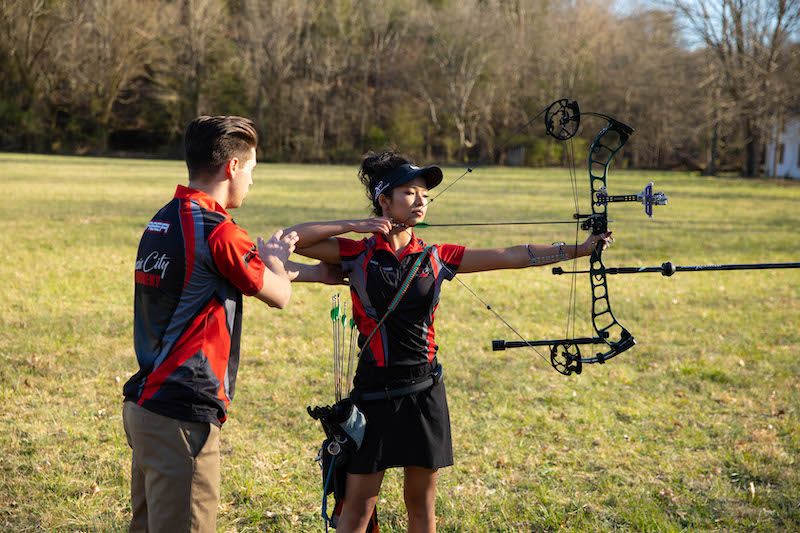
Good form through the whole shot cycle, not just at release, is what makes follow-through repeatable.
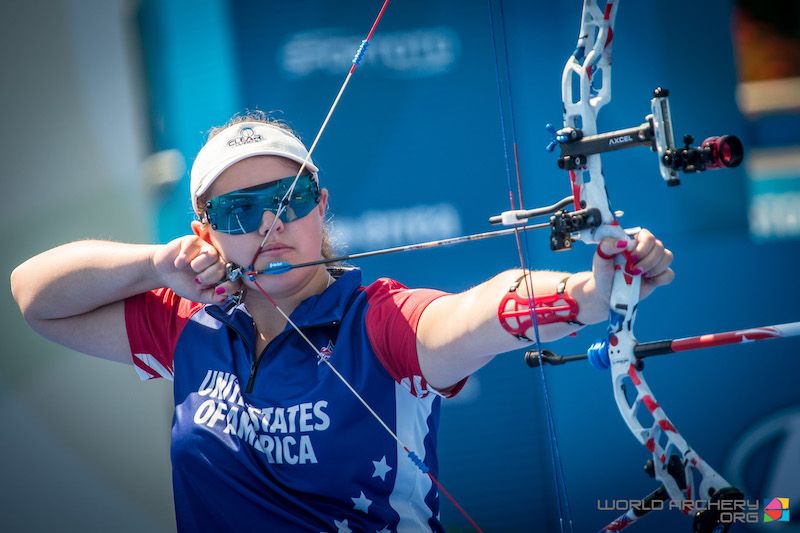
A rushed setup rarely produces a patient finish — the two are connected more than archers expect.
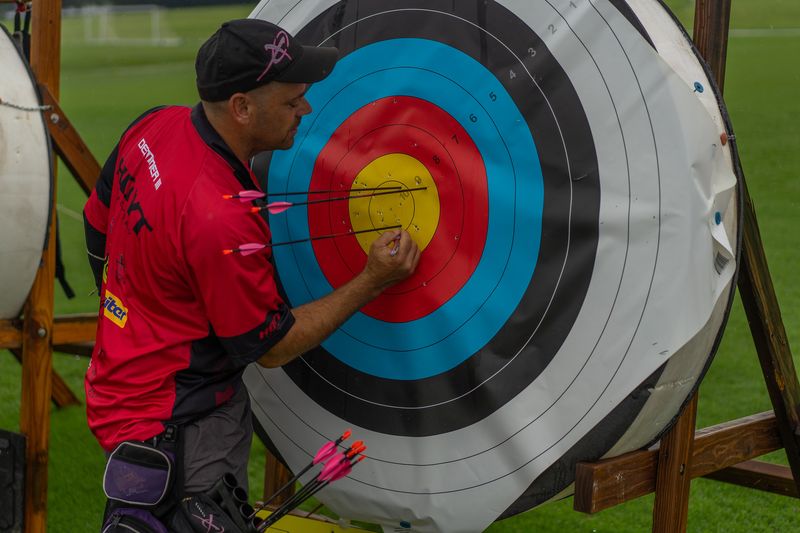
The moment of release is where follow-through either continues cleanly or breaks down.
If your groups are opening up vertically rather than side to side, the problem is more likely in your anchor consistency than your follow-through — our anchor point guide covers that specific failure pattern. And if you want the complete shot cycle from stance through this exact finish position, our full form walkthrough puts follow-through in context with everything that comes before it.
Sources
- How to Draw a Bow — Archery360 / USA Archery
- How to Work on Your Form — Archery360 / USA Archery
- Recurve equipment overview — World Archery
