
Archery Blog
Pin Gap Aiming: Multi-Pin Bow Sight Holds That Beat Single Pin Dialing
May
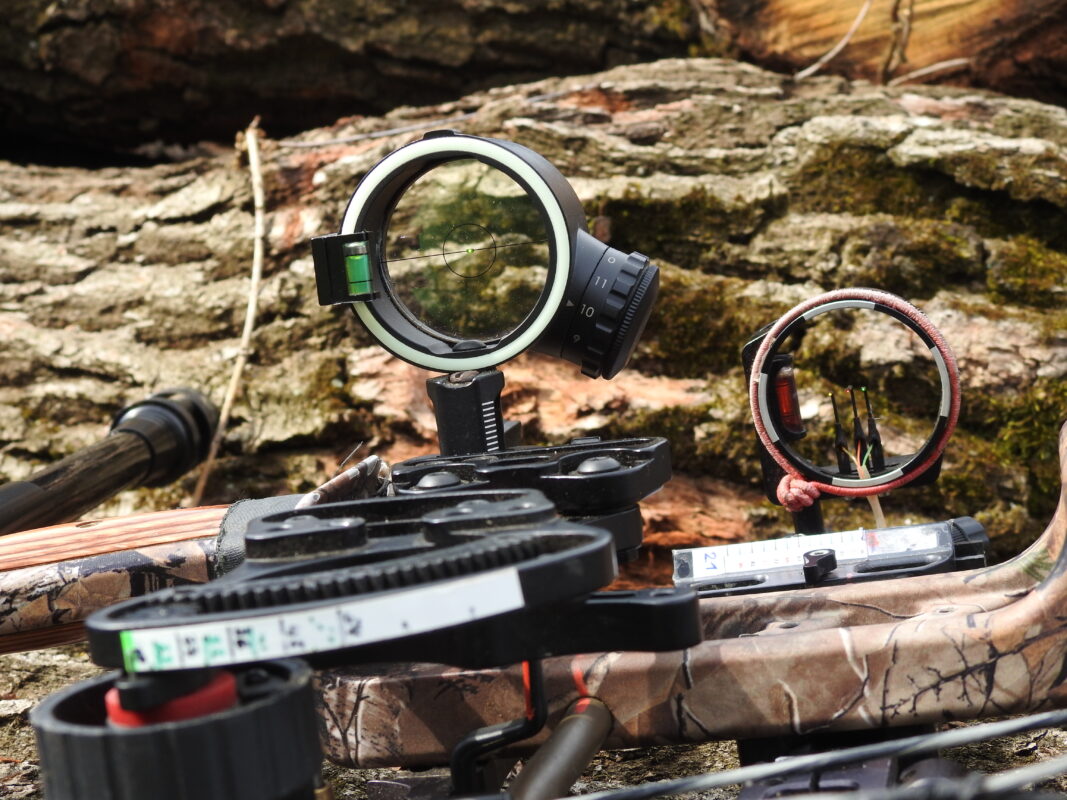
Most single pin vs multi-pin debates focus on which setup is better. That misses the real divide. A multi-pin sight gives you something a single pin physically cannot — the empty space between pins. Skilled bowhunters use those gaps as half-yardage reference points, turning a 3-pin sight into a 6-distance sight without touching a dial. Here is how pin gaps work, when they save you from a missed shot, and why single pin shooters trade that ability for something else entirely.
What Pin Gap Actually Means
A multi-pin bow sight stacks horizontal pins at fixed yardages — typically 20, 30, 40, sometimes 50, 60, and 70. Each pin sits below the one above it because arrows drop more with every added yard. The vertical space between two pins is not dead zone. It represents real distances between the marked yardages. A 25-yard shot does not require guessing — your 20 and 30 pins together describe that point in space if you know how to read it.
Single pin sights eliminate this concept entirely. You dial the slider to your exact distance, anchor, aim with one reference, release. Whatever distance you chose is the only distance the sight shows you in that moment. The trade-off comes down to flexibility versus precision. Multi-pin shooters keep every common range visible at once and use gap reading for the in-between numbers. Single pin shooters get one perfect reference per shot but have to dial each time the distance changes.
The Math Behind Pin Gaps
Pin gap math depends on three things — your arrow speed, your sight radius (axle of pin housing to your eye), and the yardage between pins. A typical 280 FPS compound bow with a standard sight radius produces these approximate drop values: 20 to 30 yards is about 6 inches of drop, 30 to 40 yards is roughly 10 inches, and 40 to 50 yards expands to around 15 inches.
The gaps grow because arrow drop accelerates with distance — gravity has more time to act. Faster bows compress these numbers. A 320 FPS setup might have pin gaps that look almost equal because the trajectory stays flatter through 40 yards.
What matters for the shooter is not the inches of drop. It is where the pin-gap hold point lands on the target at intermediate ranges. At 25 yards, a midpoint hold between your 20 and 30 pins puts the arrow roughly on target — not exactly on the centerline because drop is not linear, but close enough on a vital-zone-sized target. Some hunters tape a small reference dot in the gap. Others memorize that 25 is two-thirds of the way down from the 20 pin to the 30 pin. Most just shoot it at the range until the hold feels intuitive.
Half-Yardage Holds Using Pin Space
This is where multi-pin really earns its name. Picture a Western hunting scenario where you ranged an elk at 47 yards. Your options on a 5-pin sight are three:
- Use the 40 pin and aim high — gap shooting upward.
- Use the 50 pin and aim slightly low — gap shooting downward.
- Use the gap space between 40 and 50 with a learned hold — most accurate of the three.
A trained pin-gap shooter handles 23, 27, 34, 38, 43, and 47 yard shots without dialing anything. They have practiced enough that their bow becomes a continuous-yardage instrument disguised as a fixed-pin sight.
Single pin shooters in the same elk scenario have one move — dial to 47, settle, release. If the elk takes two steps and the new range is 43, they dial again. If the elk takes two more steps and ranges 39, dial again. Each adjustment costs movement and time.
Pin Diameter and Gap Visibility
The size of your fiber optic pins controls how much gap you actually have to work with. Standard pin diameters fall into three categories. A .010 inch pin is the finest option, leaves maximum gap space, and works best for target and long-range hunting. A .019 inch pin is the middle ground and the most popular size for general bowhunting. A .029 inch pin is the thickest, easier to see in low light, but eats into pin-gap space.
A 5-pin .029 inch sight at full draw can look like a wall of pins with very little usable gap. The same housing with .010 inch pins shows clear black space between every pin — perfect for gap aiming. Most serious pin-gap shooters run .010 or .019 inch pins. Some hybrid setups use .029 only on the 20-yard pin (for quick close shots in heavy brush) and finer pins on every pin below that.
Where Single Pin Beats Pin-Gap Aiming
Pin-gap shooting has hard limits. First, it depends on light. Once dim conditions arrive, your fiber optics glow and the dark gaps between them disappear visually. The pins start to bloom and merge. A single pin in low light still gives you one clear reference because there is nothing competing with it.
Second, it depends on practice. A multi-pin shooter who only shoots at fixed 20, 30, and 40 yard targets never builds the gap-reading skill. Without practiced gap holds, in-between yardages become guesswork. A single pin shooter dials a number — no guessing.
Third, it depends on target size. Pin-gap aiming has accuracy limits because you are estimating a hold position rather than aiming at a defined point. On an elk vital zone at 50 yards, gap aiming works. On a small 3D target scoring ring at 50 yards, the single pin exact dial wins.
Fourth, it depends on bow speed. Slow bows under 270 FPS have huge pin gaps that compress hold accuracy. Very fast bows over 330 FPS have such small gaps that pin reading barely helps — you are better off with fewer pins set wider apart.
Configuring Your Multi-Pin Spacing
If you decide pin-gap aiming fits your style, your pin layout choices matter. Western-hunting configurations typically follow one of three patterns:
- 20/30/40/50/60 yard pins — covers everything from brush shots to long open-country setups. Gaps cover 25, 35, 45, and 55.
- 20/30/40/50 yard pins — slightly cleaner sight picture, sacrifices the 60 yard option.
- 20/40/60 yard pins — wider gaps for skilled shooters who want to gap-aim every odd number with practice.
The wider you space your pins, the more gap real estate you have, but the more skill the in-between holds require. Tight pin spacing every 10 yards trades practice difficulty for sight picture clutter. Treestand hunters who rarely shoot beyond 30 yards often run 20/25/30 pins — tight spacing, no gaps needed because every common shot lands directly on a pin.
Common Mistakes With Pin-Gap Aiming
Assuming Gaps Are Linear
The space between your 20 and 30 pin does not equal the space between your 30 and 40 pin. Drop accelerates. A 25-yard hold is not the midpoint between the 20 and 30 pins on most setups — it is usually slightly above midpoint because the 20 to 30 drop is smaller than the 30 to 40 drop.
Training on Flat Ground Only
Pin-gap holds change on uphill and downhill shots because you compensate for true horizontal distance, not line-of-sight distance. Practice angled shots before you need them in the field. A treestand 20-foot platform changes hold significantly even on a 25-yard target.
Changing Arrows Without Re-Checking
A new arrow weight or fletching change shifts your trajectory, which shifts every pin gap. The pins are still set for the old arrow, so your gap holds will print differently. Re-sight every pin after any arrow change and re-learn the gaps before you trust them on a real animal.
Ignoring Wind
Pin gaps describe vertical drop. Crosswind is horizontal. The gap reading does nothing to fix wind drift — you still need to hold off left or right based on wind speed and distance. A 47-yard pin-gap shot in a 15 mph crosswind misses by feet, not inches, if you only think about elevation.
Single Pin Workflow vs Pin-Gap Workflow
Here is how the same hunt plays out under each system. A multi-pin pin-gap shooter sees a buck at 36 yards. He places the hold two-thirds of the way down from his 30 pin toward the 40 pin, anchors, settles, releases. Elapsed time from ranging to shot is four to six seconds. No dial movement, no audible clicks, no eyes-off-target.
The single pin shooter sees the same buck at 36 yards. He dials from his stand-by 30 setting to 36, double-checks the indicator, draws, anchors, aims, releases. Elapsed time is eight to twelve seconds. The dial click is faint but real. His eyes leave the deer for one second to verify the slider position.
In thick timber with shifting deer, the multi-pin shooter usually wins. In a long-range Western glassing situation with minutes of prep time, the single pin shooter usually wins through more precise aim and zero estimation.
Choosing Your Setup Based on Hunting Style
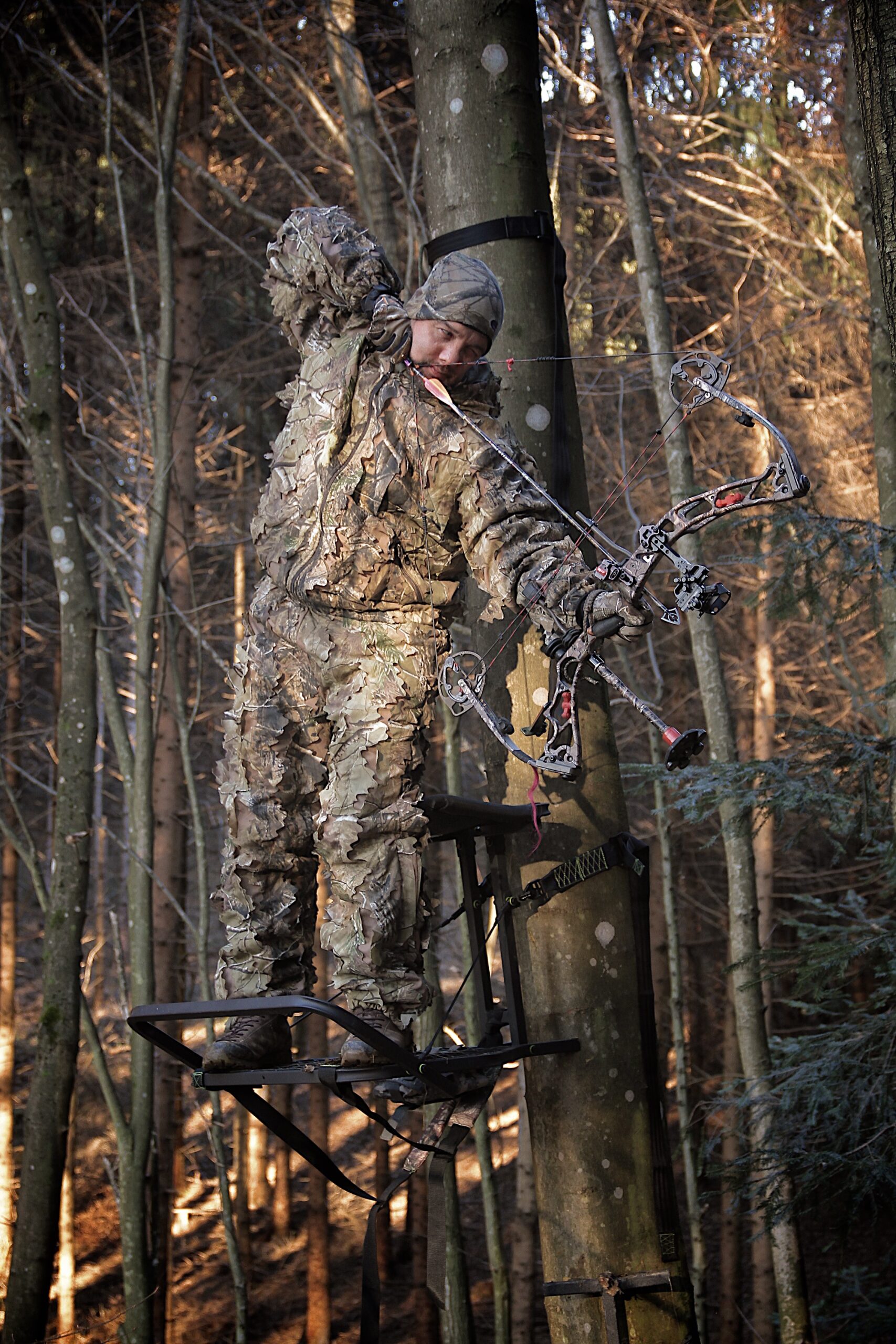
Match the sight system to the hunt you actually take. Whitetail treestand under 30 yards with quick shots favors multi-pin without needing pin-gap reading at all. Western elk and mule deer hunts with ranged shots from 30 to 70 yards and prep time favor single pin for maximum precision. 3D archery courses with unmarked yardages reward multi-pin with practiced pin-gap reading — it is the competition standard. Hog hunting in mixed terrain with snap shots favors multi-pin every time, with gaps used as needed.
Hybrid slider sights blend both worlds with multiple pins on a slider housing, but that is a separate setup with its own learning curve and not a substitute for understanding pin gaps first.
Practice Drills for Pin-Gap Aiming
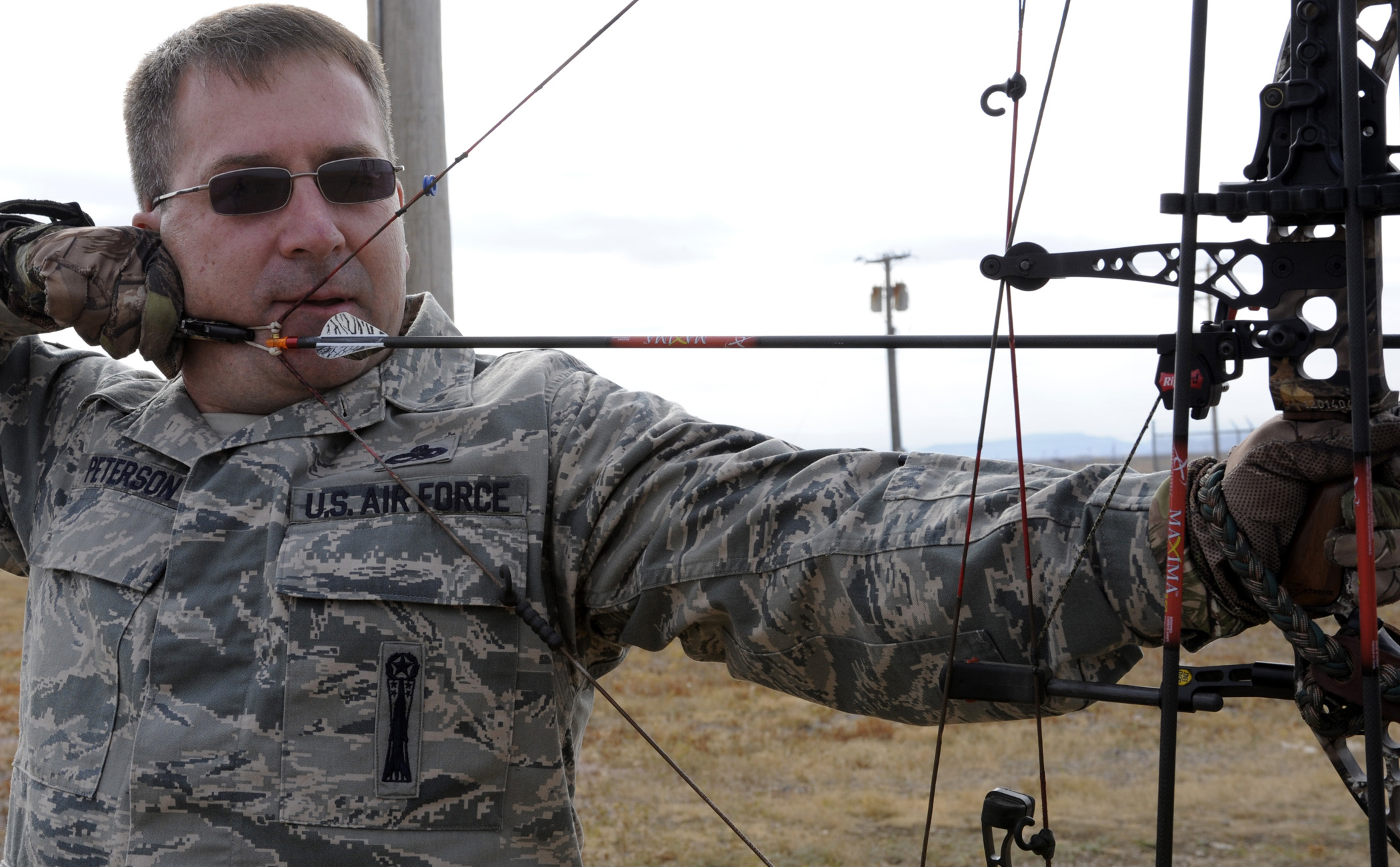
Set targets at off-yardage numbers — 23, 27, 33, 38, 44, and 48 yards. Shoot three arrows per yardage using only gap holds. Do not dial, do not substitute pins. Use only the gaps. Track group center placement against your point of aim. After 50 to 100 arrows you will have a mental map of which gap position prints where. That map becomes intuitive and you stop calculating during shots.
Some shooters write their gap holds on a small sight tape stuck to the riser — 25 equals mid 20/30, 35 equals upper 30/40, 45 equals upper 40/50. It is a cheat sheet for early practice that fades as the skill becomes muscle memory.
The Honest Trade-Off
Single pin sights and multi-pin sights are not really competing on the same axis. Single pins compete on precision per shot. Multi-pins compete on flexibility per situation. Pin-gap aiming is the hidden third option that almost everyone overlooks in the comparison. It is why experienced bowhunters with cheap 5-pin sights can outshoot beginners with expensive slider sights at variable yardages. The multi-pin user has been quietly using the space between his pins as bonus references for years.
If you have been on a multi-pin sight without practicing gaps, you have been leaving half your sight capability unused. If you have been considering a single pin upgrade, ask yourself first whether pin-gap reading would solve the same problem cheaper. Most bowhunters who learn gap aiming stop wanting to dial. Some still upgrade — they just upgrade to a hybrid slider that gives them both options at once.

Sources
Browse archery bows, arrows, and accessories at the Archery Supplier shop →
