
Archery Blog
Compound Bow Buying Guide 2026: Price Tiers, Hidden Costs, and What to Skip
May
The 2026 compound bow market gives buyers more genuine options at every price point than at any time in the last decade — but it also makes overspending on features beginners cannot use, or saving money in the wrong places, easier than ever. This buying guide skips the deep spec-sheet rabbit hole and reframes the purchase as a budget question first, because how much you spend determines which features you can safely ignore. Cam aggressiveness, axle-to-axle length, and draw-cycle micro-tuning are real debates at the $1,200 level, but at $400 they are mostly noise. The bow you pick has to land inside a total setup budget that includes a release aid, sight, rest, quiver, arrows, and a safe backstop. Below we work through three realistic price tiers, the hidden accessory costs nobody warns first-time buyers about, and the small set of specs that should actually drive a buying decision.
Compound Bow Pricing in 2026: The Honest Landscape
The 2026 compound bow market splits cleanly into three tiers — entry ($250–$450), mid ($500–$850), and premium ($900–$1,400+). Sticker prices have crept up roughly 8–12% since 2024 thanks to material and shipping inflation, but the used market has more liquidity than ever, which softens the blow if you shop carefully. Manufacturer rebates and bundle offers from large retailers and pro shops cluster around late spring and the post-hunting-season clearance window in January and February, so timing your purchase can save you nearly as much as choosing a different model.
The biggest mindset shift for new buyers in 2026 is recognizing that the bow itself is only about half of the total spend. The other half — accessories, arrows, fitting, and a safe practice setup — determines whether the bow you bought ever shoots well.
Entry Tier ($250–$450): What You Actually Get
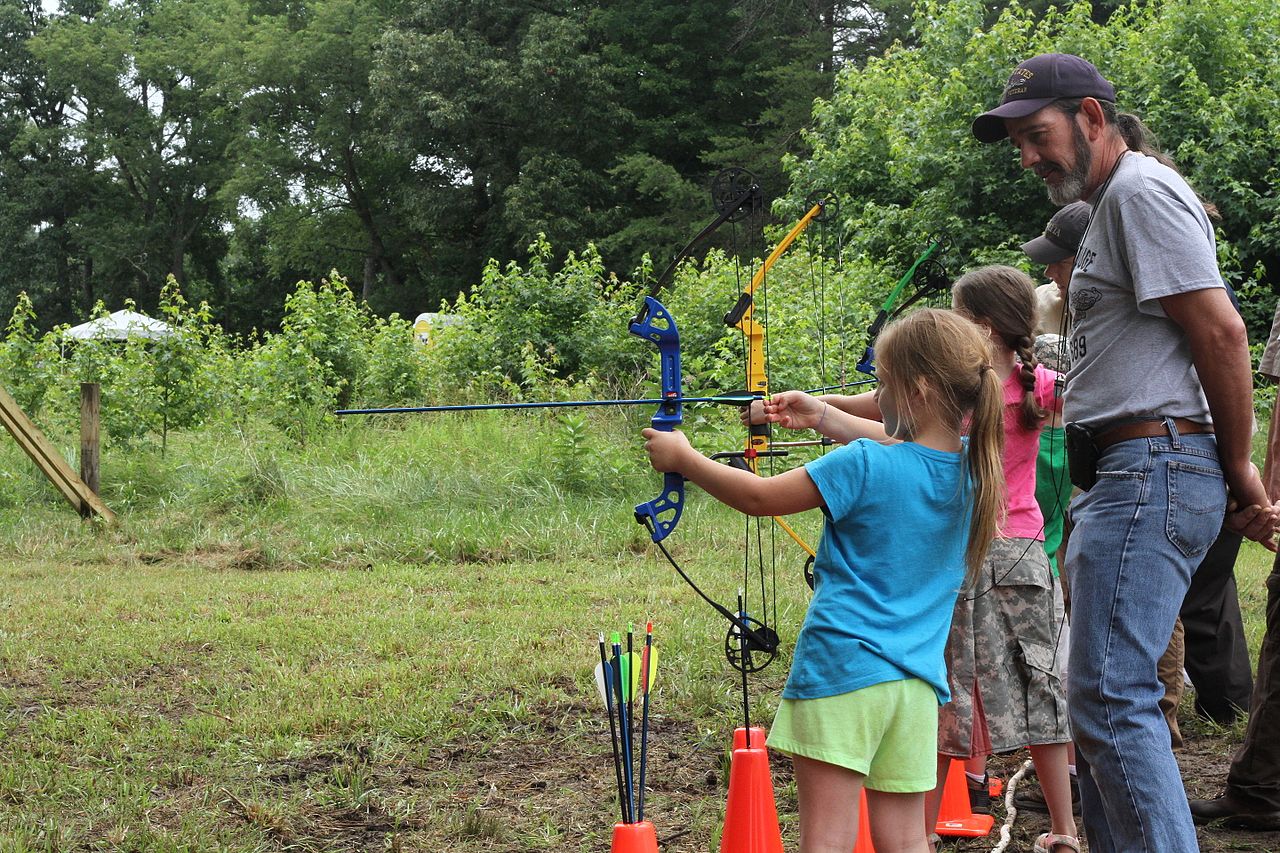
Bows in the entry tier are aimed squarely at first-time buyers, growing teens, and parents kitting out a household. You should expect adjustable draw length over a wide range (often 12 to 30 inches), adjustable draw weight from roughly 5 to 70 pounds, and a forgiving brace height. The cams are conservative — slower, quieter, and more tolerant of grip torque, which means they hide form errors. That is exactly what a beginner needs.
The Bear Archery Cruzer G3, Diamond Infinite Edge Pro, and Bear Cruzer Lite dominate this tier because they grow with the shooter and ship with usable accessory packages. These bows are accurate enough for backyard practice, 3D ranges, and even close-range whitetail hunting. What they will not do is reward expert form once you reach it — and if you take archery seriously, you may outgrow them inside twelve months.

Mid-Tier ($500–$850): The Sweet Spot for Most Buyers
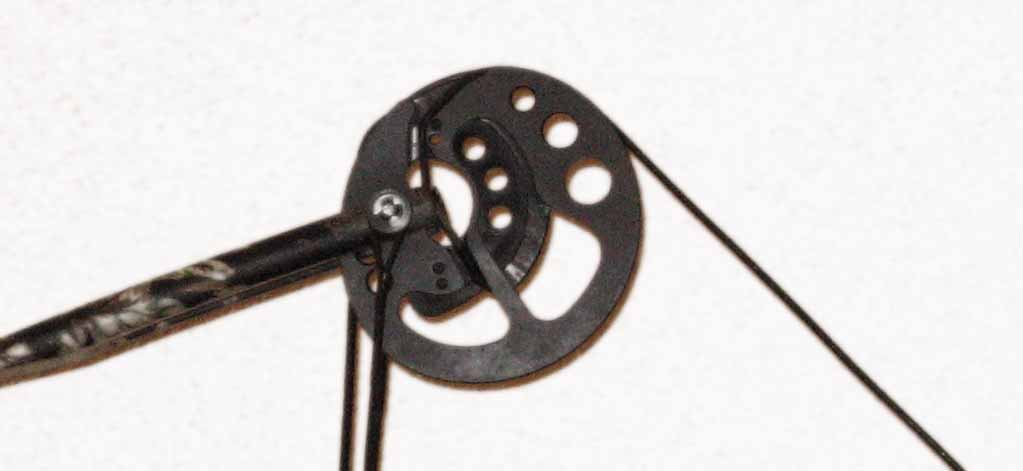
Mid-tier is where the cost-per-feature curve flattens dramatically. A PSE Brute NXT, Bear Whitetail Legend, or Mission Switch sits squarely in this range and delivers most of what a flagship offers — quality cam systems, real BCY string materials, smoother draw cycles, and the kind of accuracy that exposes (and rewards) good shooting form. You give up exotic stiff risers, ultra-aggressive speed cams, and ultralight carbon limbs.
For roughly 95% of bowhunters and weekend 3D shooters, that is a fair trade. If you have shot more than 50 hours of compound, know your draw length and weight will not drift, and want a bow that will not be the bottleneck in your group at 50 yards, this is the tier to live in.

Premium Tier ($900–$1,400+): When the Cost Is Justified
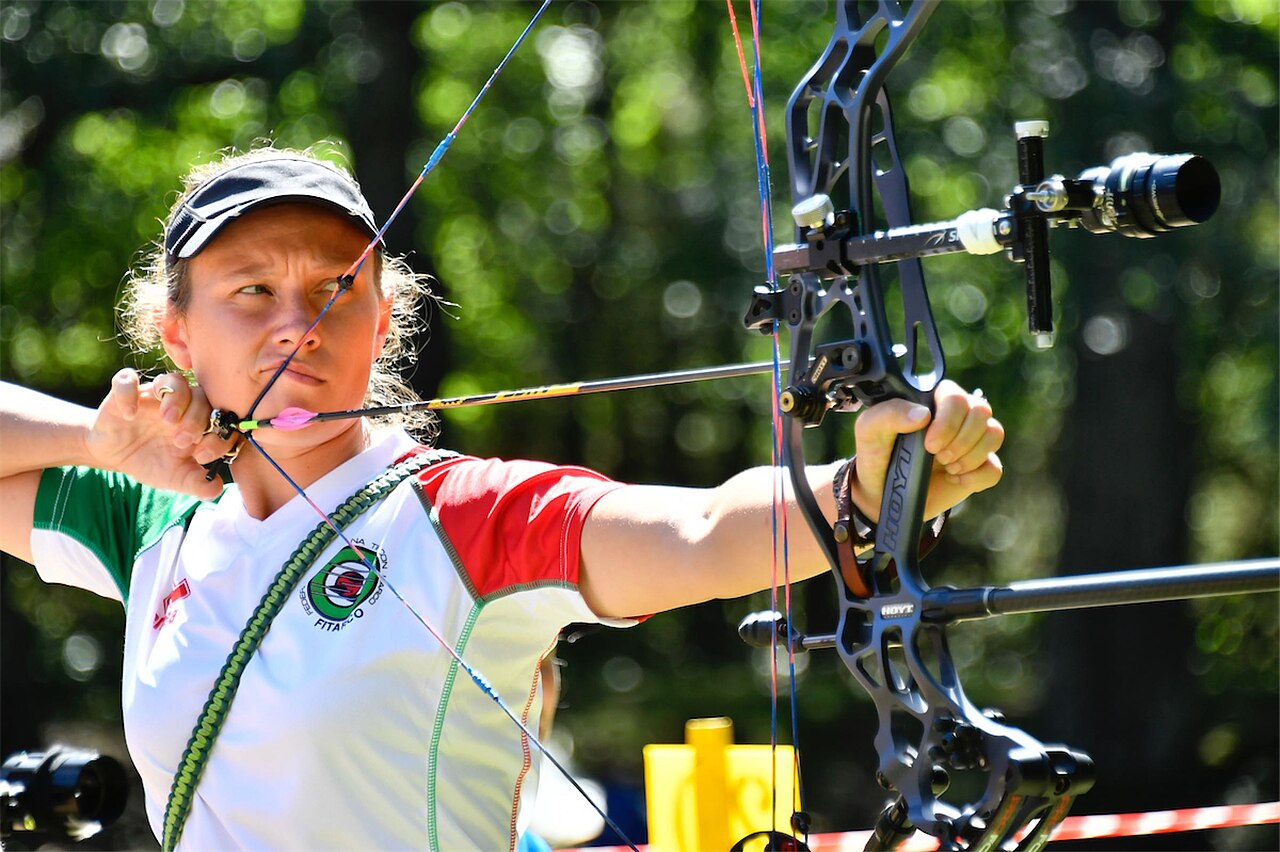
Hoyt RX-7, Mathews Phase4 and Lift, PSE EVO XF — these bows justify their price in two narrow situations. First, competitive target archery, where vibration, balance, and forgiveness on long shots translate directly to scorecard points. Second, demanding Western hunts where a 6.5–7 inch brace height, a near-silent draw cycle, and riser geometry that holds steady at 80-plus yards earns its keep on a single late-season elk opportunity.
If you are shooting paper plates at 30 yards in your backyard, a flagship bow will not make you measurably better than a properly tuned mid-tier rig. The honest filter for premium gear is not income — it is repetition and shot distance. If both are high, the spend pays back. If either is low, the money belongs in arrows and lessons.

The Hidden Costs Nobody Warns You About
A bare bow is roughly half of the total spend on a real shooting setup. Plan for the following accessory line items before you commit to any specific bow:
- Release aid — $40 to $150 (index, hinge, or thumb-release)
- Bow sight — $50 to $400 (single-pin slider or fixed multi-pin)
- Arrow rest — $30 to $200 (drop-away or full-containment)
- Stabilizer — $30 to $200 (front bar plus optional back bar)
- Quiver — $30 to $120 (bow-mounted or hip)
- Arrows with components — $80 to $200 for a dozen properly cut and fletched
- Target / backstop — $50 to $200 for safe practice
- Pro-shop fitting and tune — $50 to $100, the most underrated line item in the whole setup
For an entry-tier rig, expect $300–$450 in accessories on top of the bow. For a premium rig, that figure can easily double once you add a quality sight, carbon stabilizer system, and premium arrows.
New vs Used: When Used Actually Wins
A used compound bow can save 30–50% off retail if you buy carefully. The risk is invisible damage — limb micro-cracks, cam timing drift, and string wear that does not show in photos. A used bow with a known model year, a documented owner, visible string twist count, and recent string-and-cable replacement is worth shopping for. A used bow at an unverified flea market or marketplace listing is not.
If you go the used route, factor in fresh string-and-cable replacement ($120–$200), a professional tune, and an inspection by a certified archery technician before your first practice session. Skip those steps and you have not actually saved money — you have just deferred the cost into a future failure.
Pro Shop vs Online: Where to Buy in 2026
Online retailers like Lancaster Archery and the manufacturer direct outlets win on price and stock, especially for confirmed buyers who already know their draw length, draw weight, and preferred cam. A local pro shop wins on fitting, tuning, follow-up service, and the kind of in-person diagnosis that can fix a developing target panic problem in twenty minutes of dry-fire-safe coaching.
For a first bow, pay the pro shop premium without hesitation. The fitting, tune, and walk-out coaching session are worth every dollar of the markup. For a second or third upgrade where you already know what you want, online ordering is fine — just budget the pro tune separately when the bow arrives.
The Specs That Actually Matter (and What to Ignore)
Most spec-sheet debates do not affect your scorecard or your hunt. The short list of specs that genuinely drive a buying decision:
- Draw length — must match your wingspan-derived draw within ±0.5 inch. The single most important spec, period.
- Draw weight — pick a peak weight you can hold comfortably for 30 seconds without trembling. Most adult shooters land at 50–65 pounds.
- Axle-to-axle length — short (28–30 inches) for tree stands and ground blinds, longer (32–34 inches) for target archery and forgiveness.
- Brace height — 6.5 inches or more is significantly more forgiving for newer shooters. Sub-6-inch brace heights belong on speed-tuned target rigs.
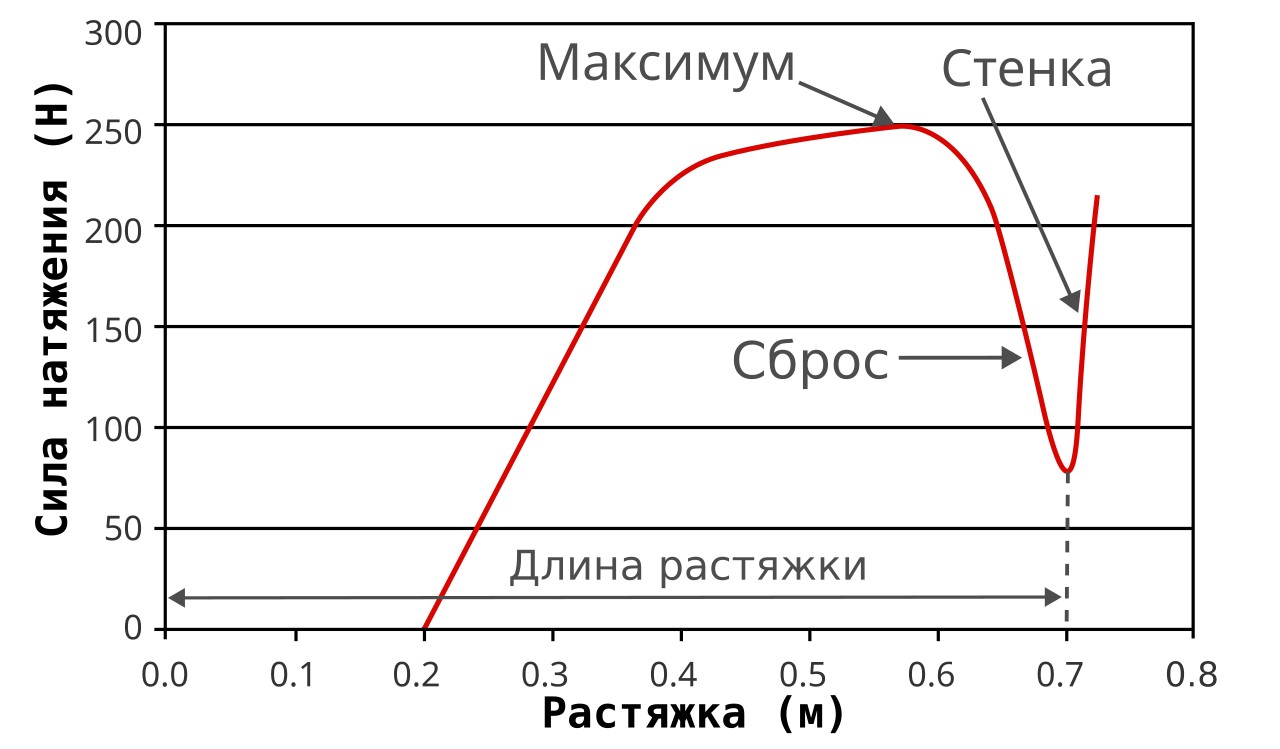
- Let-off — 80–90% is standard. Higher let-off saves arm strength on extended holds at full draw.
IBO speed ratings are the most over-marketed spec in archery. Ten or twenty feet per second of advertised speed will not save a poorly tuned bow or a bad release. Use IBO as a tiebreaker between two otherwise identical bows, never as a primary buying criterion.
A Buying Decision in Five Steps
- Set a total setup budget that includes the bow, accessories, arrows, and a pro tune.
- Get measured for draw length and weight at a pro shop before browsing models.
- Pick the price tier that fits your actual repetition volume, not the one that looks pro.
- Demo at least three bows in that tier before paying. Cam feel is personal.
- Pay for a pro tune within 30 days of purchase, even if the bow shoots well out of the box.
Final Word: Buy the Setup, Not the Bow
Almost every bad compound bow purchase in 2026 follows the same pattern: a buyer falls in love with a single spec or a flagship name, spends 90% of the budget on the bow, and ends up with cheap accessories and unfletched arrows that prevent the bow from ever shooting to its potential. The buyers who end up happy think in terms of a complete setup from day one — bow, accessories, arrows, fitting, tune, and target — and split the budget accordingly.
Pick the tier that matches how often you will actually shoot, demo before you buy, and pay for the pro tune. That sequence beats spec-sheet shopping every time.
Sources
- Archery Trade Association — industry data and 2026 retail trends
- Lancaster Archery Supply Learning Center — buying and tuning guides
- World Archery — equipment specifications and competitive standards
- Bear Archery — entry and mid-tier compound bow specifications
- Mathews Archery — flagship compound bow technical documentation
- PSE Archery — compound bow lineup and IBO speed standards
Browse archery bows, arrows, and accessories at the Archery Supplier shop →
Shop on Amazon
Compound Bows on Amazon →
As an Amazon Associate we earn from qualifying purchases.
Shop on eBay
Compound Bows on eBay →
We may earn a commission when you shop through our eBay links.
