Archery Blog
Archery Safety Rules for Beginners
Feb
Archery safety rules protect you and everyone around you on the range. While archery is remarkably safe when practiced responsibly, arrows are lethal projectiles that demand respect. Learning and following these fundamental safety principles before your first shot creates habits that prevent accidents throughout your archery career.
The Cardinal Rules of Archery Safety
1. Never Point a Drawn Bow at Anyone
Treat every bow like it could release at any moment, even when unloaded. Never aim at people, pets, or anything you do not intend to shoot. This fundamental rule prevents accidents from unexpected releases, equipment failures, or momentary lapses in attention. Point your bow at the ground or target only.
2. Know Your Target and What Lies Beyond
Arrows travel far and penetrate deeply. Before every shot, positively identify your target and confirm what lies behind it. An arrow that misses or passes through the target continues traveling until it strikes something solid. This rule applies equally to backyard practice and hunting situations.
3. Only Nock an Arrow When Ready to Shoot
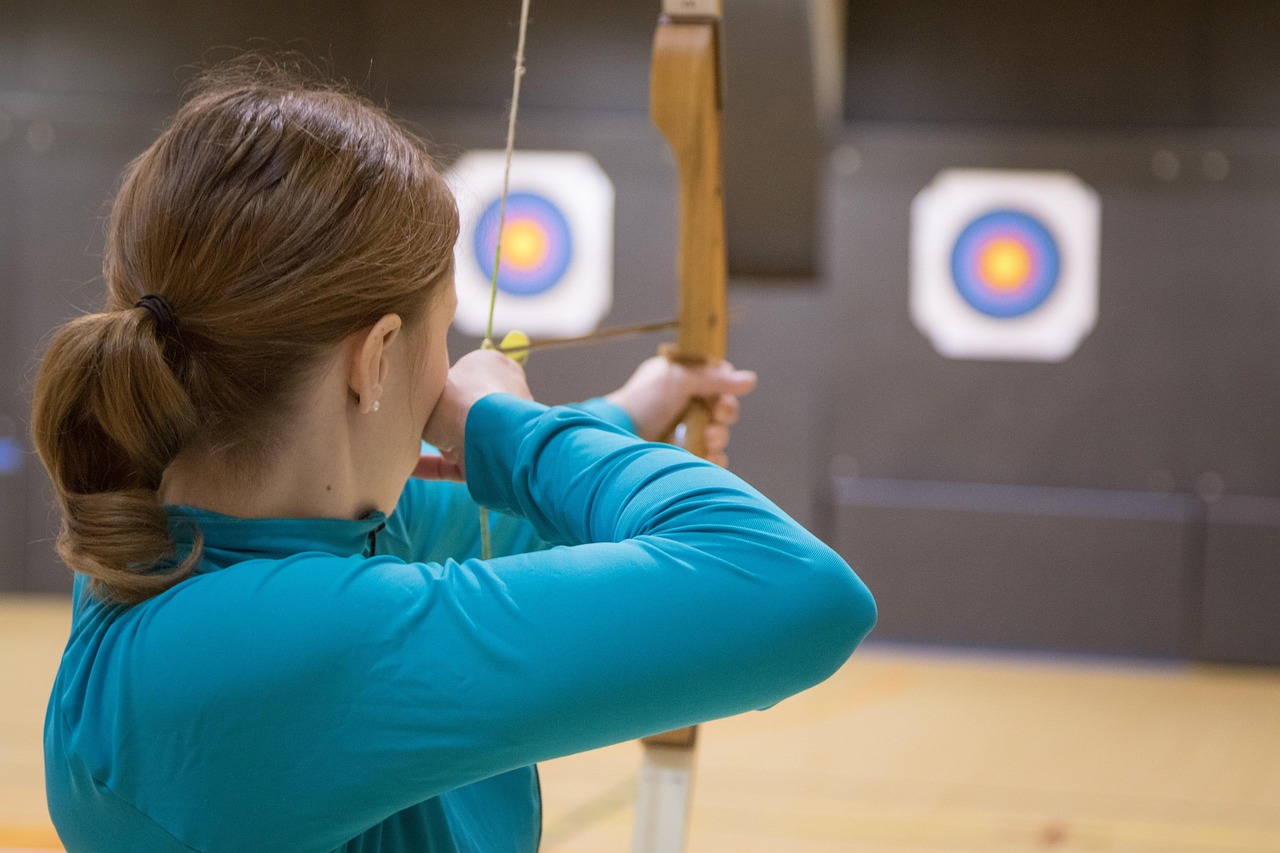
Keep arrows securely in your quiver until you stand at the shooting line, facing the target, ready to draw. Walking with a nocked arrow risks accidental release and creates danger for everyone nearby. This simple discipline eliminates a major category of range accidents.
4. Never Dry Fire a Bow
Dry firing means releasing the bowstring without an arrow nocked. This sends all stored energy into the bow rather than an arrow, often causing catastrophic limb failure. Modern bows can literally explode from dry firing, sending dangerous fragments in all directions. Always verify an arrow is properly nocked before drawing.
Essential Range Commands
Organized ranges use standardized verbal commands to coordinate shooting safely. Learn these commands before your first range visit:
- Range is hot: Shooting may begin. If not actively shooting, remain behind the shooting line.
- Range is cold / Clear: All bows must be set down. No one may touch bows or arrows. Safe to walk downrange and retrieve arrows.
- Cease fire / Hold: Stop shooting immediately. Do not draw or release. Used for emergencies or when someone enters the range unexpectedly.
Never walk downrange while the range is hot, regardless of whether you believe everyone has stopped shooting. Wait for the official cold range command.
Equipment Safety Inspections
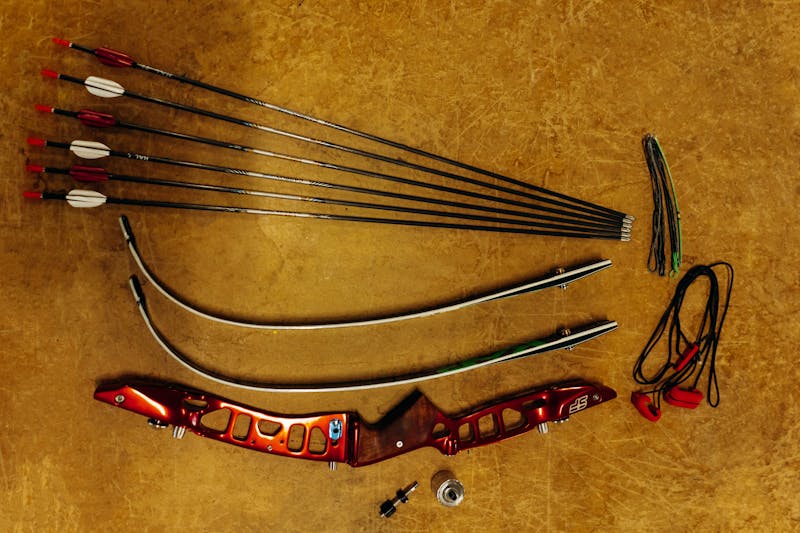
Inspect your equipment before every shooting session. Damaged gear fails unpredictably, creating dangerous situations:
- Bow limbs: Check for visible cracks, delamination, or twisted appearance
- Bowstring: Look for fraying, wear, or broken strands, especially near the nocking point
- Arrows: Inspect for cracks along the shaft, particularly around nocks where stress concentrates
- Arrow points: Verify points are secure and not loose or damaged
- Nocks: Check for cracks that could cause the arrow to fall off the string
A cracked arrow can shatter on release, sending splinters into your hand, arm, or face. When in doubt, discard damaged arrows rather than risk injury.
Proper Draw Weight Selection
Overbowing—using more draw weight than you can handle—creates multiple safety hazards. Fatigued muscles shake, causing erratic releases. Struggling archers develop dangerous compensating movements. Loss of control at full draw can send arrows in unintended directions.
Start with a weight you can draw smoothly and hold steady for several seconds while maintaining proper form. Increase gradually as your archery-specific muscles develop.
Protective Gear Requirements
Several pieces of protective equipment prevent common archery injuries:
- Arm guard: Protects your forearm from painful string slap. Essential for beginners and recommended for all archers.
- Finger tab or glove: Prevents blisters, calluses, and provides consistent release. Bare fingers suffer quickly.
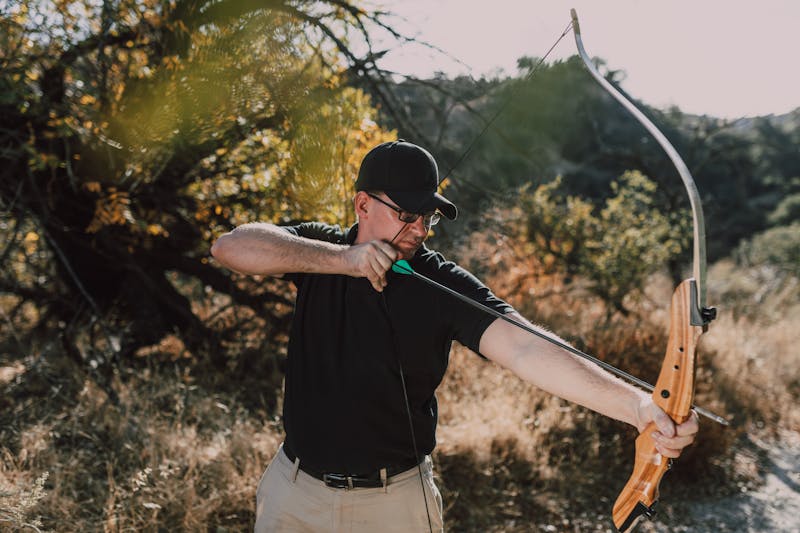
- Proper clothing: Avoid loose sleeves, dangling jewelry, or anything that could catch the bowstring during release.
Arrow Retrieval Safety
Wait for the official cold range command before walking to targets. Approach targets carefully—arrows protruding at face level can cause serious eye injuries. Always be aware of arrow positions as you approach.
Pull arrows straight back to avoid bending shafts. Support the target with one hand while pulling with the other. Walk, never run, on the range to prevent trips and falls onto equipment or embedded arrows.
Home Range Safety Considerations
Backyard archers must create and enforce their own safety systems:
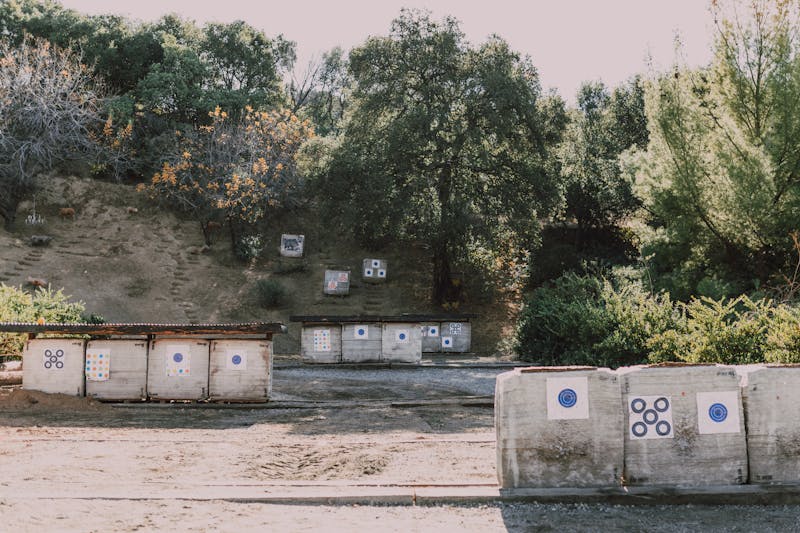
- Install adequate backstops behind all targets
- Post visible warning signs on all approaches to the shooting area
- Create a system to indicate when shooting is active
- Never shoot when others might unexpectedly enter the range area
- Verify local regulations and liability considerations
- Secure equipment when not in use to prevent unauthorized access
Safety in archery comes from awareness, preparation, and consistent habits. Practice these rules until they become automatic reflexes that you follow without conscious thought.
Setting up a safe range? Our EVA Foam Targets and Target Pins help create a proper backstop system.
Ready to practice? Check out our paper targets in the shop.
