
Archery Blog
What Makes One Compound Bow Cost More Than Another?
Jul
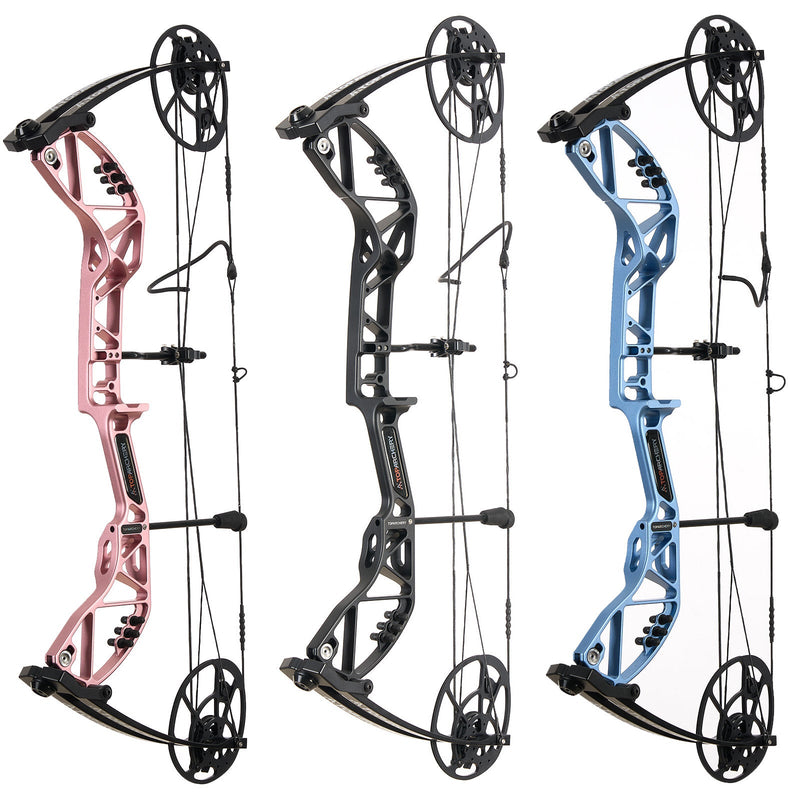
Walk into any pro shop and you can find two compound bows hanging side by side that look almost identical — same axle-to-axle length, same draw weight, same aggressive cam profile — yet one costs $350 and the other costs $1,300. To a newcomer, that gap feels arbitrary, like paying extra for a badge. It isn’t. Every dollar in a compound bow’s price tag is buying something specific: tighter machining tolerances, more expensive materials, more engineering hours, or a warranty that will actually be honored a decade from now. Understanding what that money buys is the difference between overspending on features you’ll never feel and underspending on the one thing that would have made you a better shooter.
Instead of ranking models, this guide dismantles the compound bow itself and follows the money — part by part — so you can look at any price tag and know roughly where it came from.
The Cam System: Where Most of Your Money Goes
If you want to understand compound bow pricing, start with the cams — the eccentric wheels at each end of the bow. This is the single component that separates a budget bow from a flagship more than any other, because the cam system is what a compound bow fundamentally is. It stores the energy, controls the draw cycle, and determines how the bow feels in your hands at full draw.
Cheap bows use simple single-cam or basic dual-cam systems with a fixed draw length. The draw cycle tends to be harsh — the weight spikes hard as you pull, then dumps into the valley. It works, and plenty of animals have been taken and plenty of medals won with modest cams, but you feel the compromise on every shot.
Spend more and you get adjustable, precision-machined cams: rotating modules that let you change draw length without a bow press, synchronized binary or hybrid cams that stay in perfect timing, and a smoother, more forgiving draw curve. On the top end you’re paying for cams that hit rated speed while also feeling silky — a genuinely hard engineering trade-off, because speed and comfort usually fight each other. That balance is expensive to design and expensive to manufacture to tolerance.
The Riser: Machined Aluminum vs. Cast Metal
The riser is the central body of the bow — the part you grip and the part everything else bolts onto. Its job is to be rigid and dead-stable so that all your stored energy goes into the arrow instead of flexing away as vibration. How a riser is made tells you a great deal about the bow’s price.
Entry-level bows often use cast aluminum risers. Casting is cheap and fast: molten metal poured into a mold. The result is perfectly serviceable but heavier, less rigid, and less consistent from unit to unit. Step up in price and the riser is CNC-machined from a solid billet of 6061 or 7075 aircraft-grade aluminum. Machining removes material precisely, allowing engineers to carve out weight where it isn’t needed and leave it where it is — producing a riser that is lighter, stiffer, and more accurately dimensioned. That milling time is real money, and it shows up on the tag.
At the very top, some target and premium hunting bows use carbon-fiber risers. Carbon is lighter than aluminum, dampens vibration beautifully, and stays dimensionally stable across temperature swings — a genuine advantage for a bowhunter sitting in a freezing tree stand. It’s also dramatically more expensive to produce, which is why carbon-riser bows sit at the top of nearly every lineup.
Shop Ready-to-Hunt Compound Bow Packages on Amazon →
Limbs, Strings, and the Little Things That Add Up
The limbs store the energy the cams release. Budget limbs are usually solid fiberglass — durable and cheap, but heavier and slower to recover. Better bows use laminated or split-limb designs with higher-grade composites that return energy faster and resist fatigue over tens of thousands of shots. Split limbs also reduce mass at the ends of the bow, which cuts vibration.
Then there’s the string and cable system, which is quietly one of the most price-sensitive parts of the whole package. A cheap bow ships with a mass-produced string that will creep, stretch, and go out of tune quickly, forcing frequent re-tuning. Premium bows come with hand-built, pre-stretched strings using high-modulus materials that hold their length and timing far longer. If you want to see how much the string itself matters to performance, our guide to bowstring materials breaks down the differences.
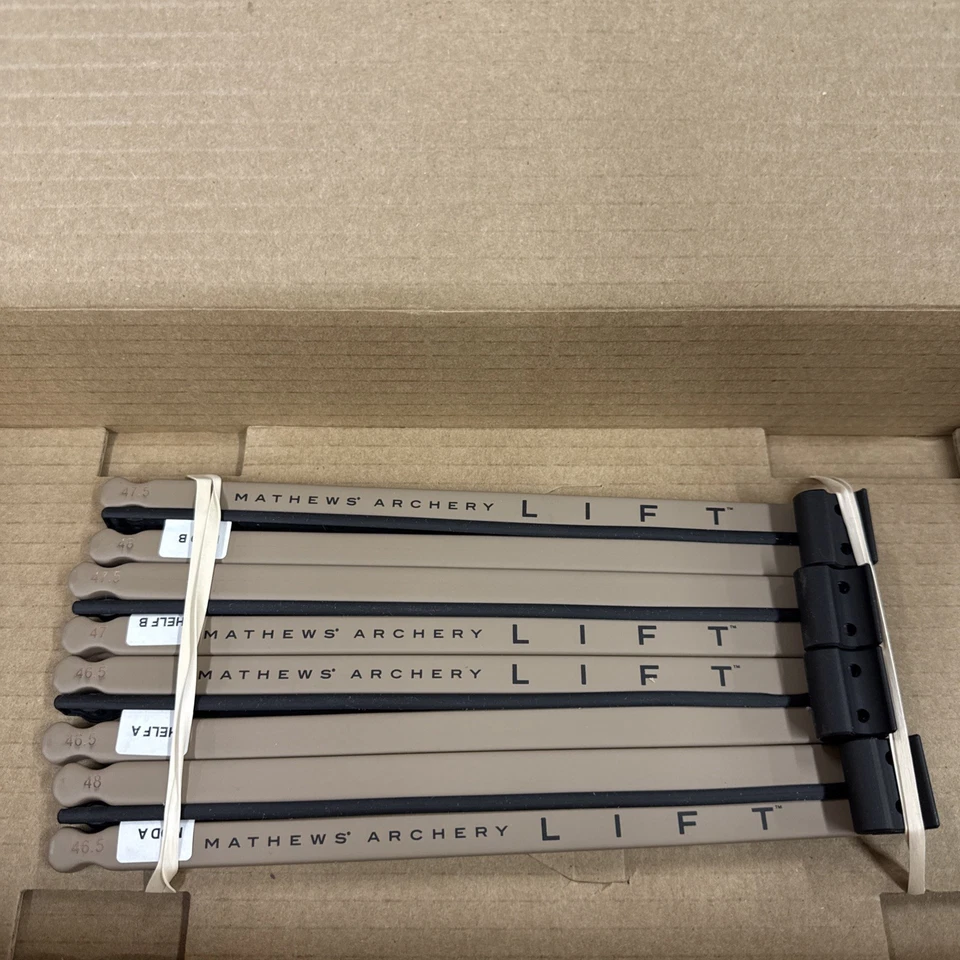
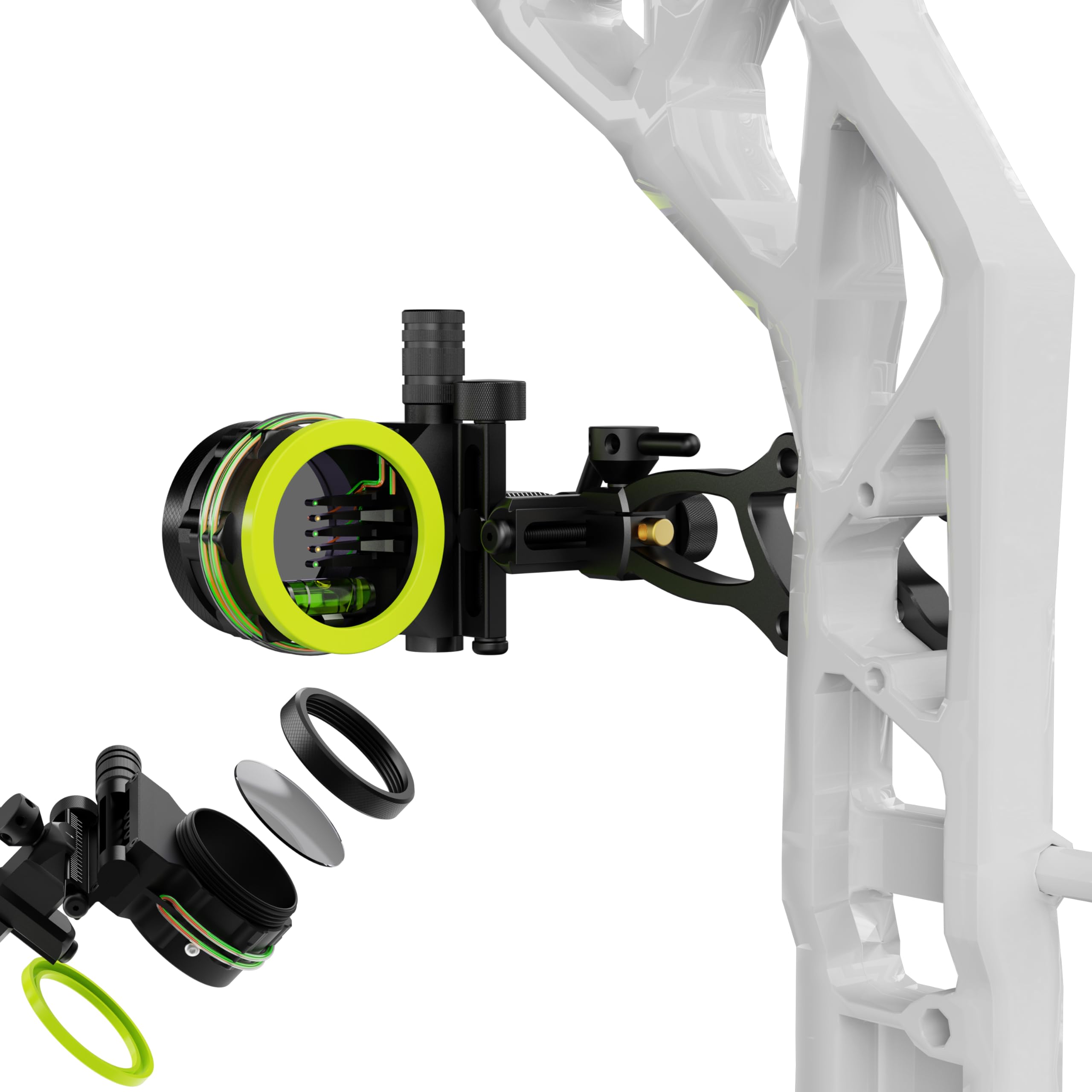
Finally, factor in what comes bundled. A “ready-to-shoot” package at a low price often includes a basic sight, rest, quiver, and stabilizer — and those components are usually the cheapest versions the manufacturer could source. A bare premium bow with no accessories may cost the same as a fully loaded budget package, because you’re paying for a better bow and are expected to choose your own accessories separately.
Following the Money Through Three Price Brackets
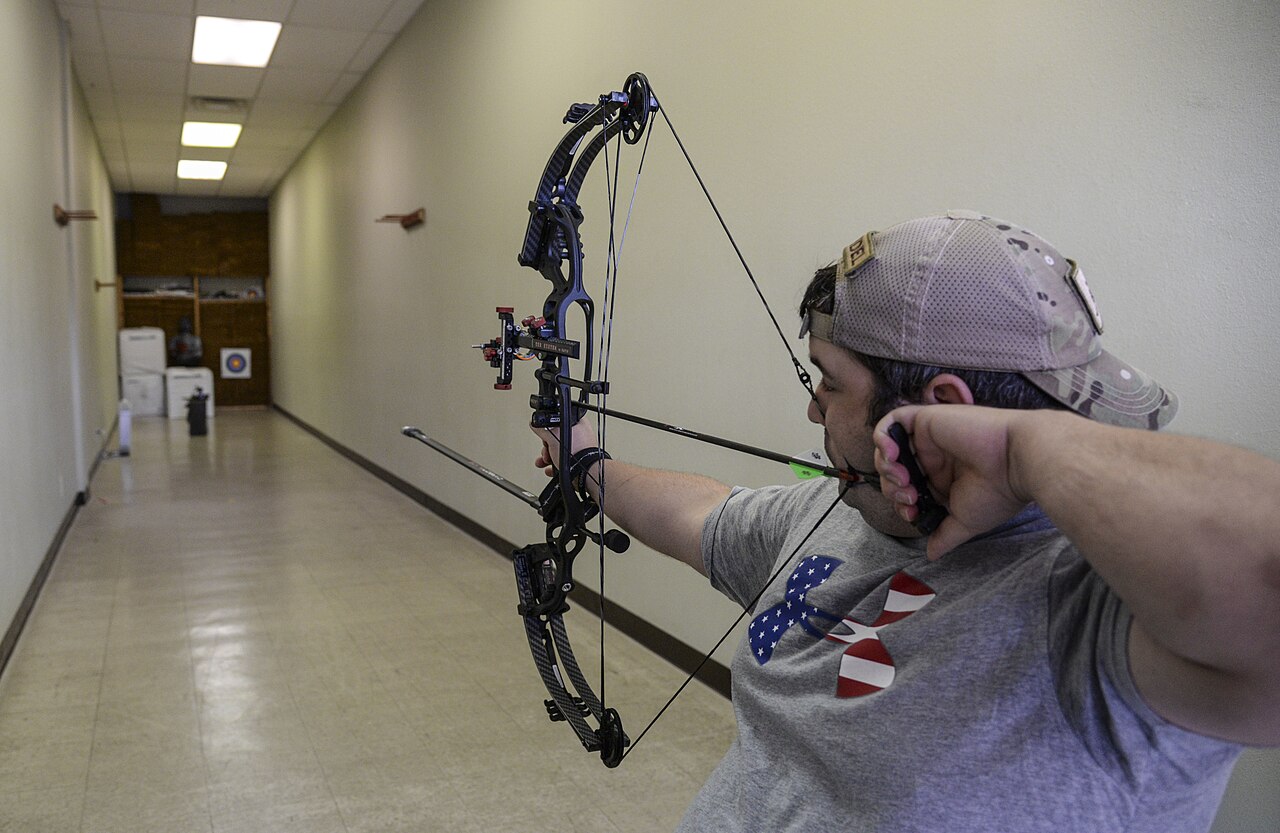
Put the components together and the price ladder starts to make sense. Here’s what your money is genuinely buying as you climb.
The Entry Bracket (roughly $150–$400)
Here you’re buying function, not finesse: cast risers, fiberglass limbs, basic cams, and a bundled accessory kit. These bows will punch paper, shoot 3D courses, and take game at sensible ranges. What you give up is smoothness, adjustability, and long-term tuning stability. For a first-year archer who isn’t sure the sport will stick, this bracket is exactly right — spending more here is often wasted on skills you haven’t developed yet.
The Mid Bracket (roughly $500–$900)
This is where the value curve is steepest. Your money now buys a machined aluminum riser, better composite limbs, tool-less or module-based draw-length adjustment, and cams with a noticeably smoother draw. The bow holds tune longer and forgives small form errors better. For the vast majority of hunters and recreational target shooters, a well-set-up mid-bracket bow delivers 90% of what a flagship does. This is the bracket most experienced archers quietly recommend.
The Flagship Bracket ($1,000 and up)
At the top you’re paying for the last increments: the smoothest possible draw at a given speed, carbon risers, premium strings, cutting-edge vibration damping, the lightest possible mass, and the deepest R&D. These are real improvements — but they are increments, not revolutions. This is the domain of diminishing returns, which we explored in our look at whether expensive compound bows are worth it. Serious competitors and dedicated hunters who shoot year-round will feel and appreciate the difference. A weekend archer usually won’t.
Shop Mid-Range Compound Bows on Amazon →
Where the Price Stops Buying Performance
The uncomfortable truth for anyone with an unlimited budget is that a compound bow’s accuracy is capped by the archer, not the machine. A $1,500 flagship in untrained hands will lose to a $600 mid-bracket bow driven by someone with a repeatable release and a consistent anchor point. Past the mid bracket, price buys comfort, marginal speed, and refinement — none of which fixes a flinch or a torqued grip.
That’s why the smartest spenders often split their money differently: a solid mid-bracket bow paired with a genuinely good sight, rest, and release aid, plus enough arrows and a target to practice hard. The accessories and the reps frequently move your groups more than the bow itself. If you’re still deciding which model fits your shooting style, our compound bow buying resources can help you match spend to how you actually shoot.
Reading a Price Tag Like an Insider
The next time you compare two compound bows, don’t ask “which one is more expensive?” Ask where the money went. Pick up each bow and draw it. Does the price gap live in the cams — a smoother, quieter draw cycle? In the riser — machined or carbon versus cast? In the limbs and string quality? Or is it hiding in a bundle of cheap accessories inflating a low-end bow’s sticker?
Once you can trace the cost to a component, the whole market stops feeling like a lottery. You’ll spot the mid-bracket bow that punches above its price, recognize the flagship features you’ll genuinely use, and — just as importantly — walk past the premium you’d never actually feel. That’s what turns a confusing wall of price tags into a confident, deliberate purchase.
Shop Beginner Compound Bow Kits on Amazon →
Sources
- USA Archery — national governing body for the sport of archery in the United States
- World Archery — international federation, equipment classes and competition standards
- Wikipedia: Compound Bow — overview of cam systems, riser construction, and bow mechanics
