
Archery Blog
Let-Off Explained: How Compound Bows Ease Your Holding Weight

Jul
Pick up a compound bow set to sixty pounds, draw it back, and something surprising happens. The moment you reach full draw, the weight seems to vanish. What felt like sixty pounds of resistance suddenly collapses to a soft ten or twelve pounds resting against your fingers. You can hold there, settle your pin, and breathe. That collapse is called let-off, and it is the single feature that separates a compound bow from every other bow ever built. Understanding how it works will change the way you shoot, the way you shop for a bow, and the way you tune it.
What Let-Off Actually Means
Let-off is the reduction in holding weight that occurs at the back end of a compound bow’s draw cycle. It is expressed as a percentage. A bow rated at 60 pounds of peak draw weight with 80 percent let-off will hold at only 12 pounds when you reach full draw — because 80 percent of that 60-pound peak has been mechanically removed from your fingers.
The number matters because holding weight is what you actually fight while you aim. On a traditional recurve or longbow, holding weight and peak weight are almost the same thing. Draw a 40-pound recurve and you are holding close to 40 pounds the entire time you aim, which is why recurve archers shoot quickly — their muscles are burning. A compound archer holding 12 pounds can float on the pin for many seconds, make micro-corrections, and release only when the sight picture is perfect.
So let-off is not a comfort feature bolted on as an afterthought. It is the whole point of the compound design. It decouples the energy stored in the bow from the effort required to hold that energy in place.
The Cams Do the Work
The mechanism behind let-off lives at the ends of the limbs, in the rotating wheels called cams or eccentrics. Unlike the round, centered pulleys on old-fashioned bows, a compound cam is shaped off-center. Its cable and string ride on grooves of different radii as the wheel rotates through the draw. That changing radius is a lever arm, and a changing lever arm changes the force you feel.
Early in the draw the geometry works against you. Force climbs steeply until you reach peak weight, usually somewhere in the first half of the draw stroke. Then the cam rolls over its high point. Past that peak, the lever arm shifts so that the limbs’ stored tension is held mostly by the cable system and the cam itself, not by your drawing hand. Force drops off a cliff into what archers call the valley — the comfortable holding zone at the back of the draw.
The shape of that force curve is entirely a product of cam design. A gently rounded cam produces a smooth, forgiving draw with a wide, soft valley. An aggressive cam stores more energy for faster arrow speed but pulls hard and drops into a narrower valley that punishes sloppy form. This is why two bows with identical peak weight and let-off numbers can feel completely different in the hand.
The Draw Force Curve, Visualized
Imagine plotting draw weight on the vertical axis and draw distance on the horizontal axis. On a recurve the line climbs steadily and never comes back down — the farther you pull, the more it fights you, right up to the moment of release. On a compound, the line climbs to its peak, holds a plateau, and then plunges into the valley before flattening out at your holding weight. That plunge is let-off drawn as a picture.
The area underneath that curve represents the total energy stored in the bow, and stored energy is what launches the arrow. Here is the elegant trick: the compound stores a large area of energy under the peak-and-plateau section, yet asks you to hold only the tiny sliver of weight at the bottom of the valley. You get the arrow speed of a heavy bow with the holding effort of a light one. A recurve cannot cheat this way — to store more energy it must simply be harder to hold.
Choosing a Let-Off Percentage
Most modern hunting compounds ship with 80 to 85 percent let-off, and many target bows offer adjustable modules that let you dial it down. More let-off is not automatically better, and this surprises a lot of new archers who assume the lightest possible hold must be the goal.
High let-off — 85 percent and up — is a gift to hunters. When a buck steps out and you have to hold at full draw for thirty seconds waiting for a clear shot, holding six pounds instead of twelve keeps your muscles quiet and your pin steady. The tradeoff is a mushier feeling wall and less back-tension feedback, which can make a clean release harder to time.

Lower let-off — in the 65 to 75 percent range — keeps more weight against your back muscles at full draw. Target and competition archers often prefer this because that residual tension gives them something to pull into. It promotes a consistent, expanding back-tension release and a crisper feel at the wall. The cost is fatigue: hold a target bow through a long qualification round and you will feel every extra pound.
If you are choosing your first rig, note that governing bodies matter too. World Archery and many indoor leagues cap let-off at 65 percent for certain compound divisions, so a competitive target archer cannot simply run maximum let-off even if they wanted to. Hunters face no such rule and are free to prioritize comfort.
Shop compound bow hunting packages on Amazon →
Let-Off and the Wall
When you reach the end of the draw stroke, the string stops hard against the cam’s mechanical limit. Archers call this the wall — the solid stop you feel at full draw. Let-off and the wall are tightly related. A bow with a firm, well-defined wall lets you pull into a repeatable stop every single shot, which anchors your draw length and your consistency. A soft, spongy wall lets the string creep forward or backward, changing your holding weight shot to shot and quietly wrecking your groups.
This is where the valley comes back into the conversation. A wide valley is forgiving: you can let the string drift a little without the weight ramping up. A narrow valley is unforgiving but precise — drift forward even slightly and the bow will try to yank your arm forward as the force curve climbs back out of the valley. Aggressive speed bows tend to have narrow valleys, one more reason beginners are steered toward smoother, more forgiving cams.
How Let-Off Affects Your Shot
Beyond the mechanics, let-off shapes the entire rhythm of how you shoot. Because you can hold comfortably, the compound game becomes about aiming, not about muscling. You draw to the wall, settle into the valley, let your pin float over the target, and execute the release with your back muscles while barely fighting the bow. This is why compound archers can shoot such tight groups at long distances — they have time and a steady platform to aim from.
But let-off can also hide bad habits. Because the bow holds so much weight for you, it is easy to collapse your form, drop your bow arm, or punch the trigger of a release aid without any physical penalty in the moment. The bow forgives you right up until the arrow misses. Good compound archers learn to keep tension in their back even when the bow is doing most of the holding, treating let-off as a helper rather than a crutch.
A release aid is nearly universal on compounds for exactly this reason. With the string held at a light holding weight and stopped against a firm wall, a mechanical release lets you trip the shot cleanly without torquing the string with your fingers. The combination of let-off, a solid wall, and a release aid is what makes compound accuracy possible.
Shop compound bow release aids on Amazon →
Setting and Checking Let-Off on Your Bow
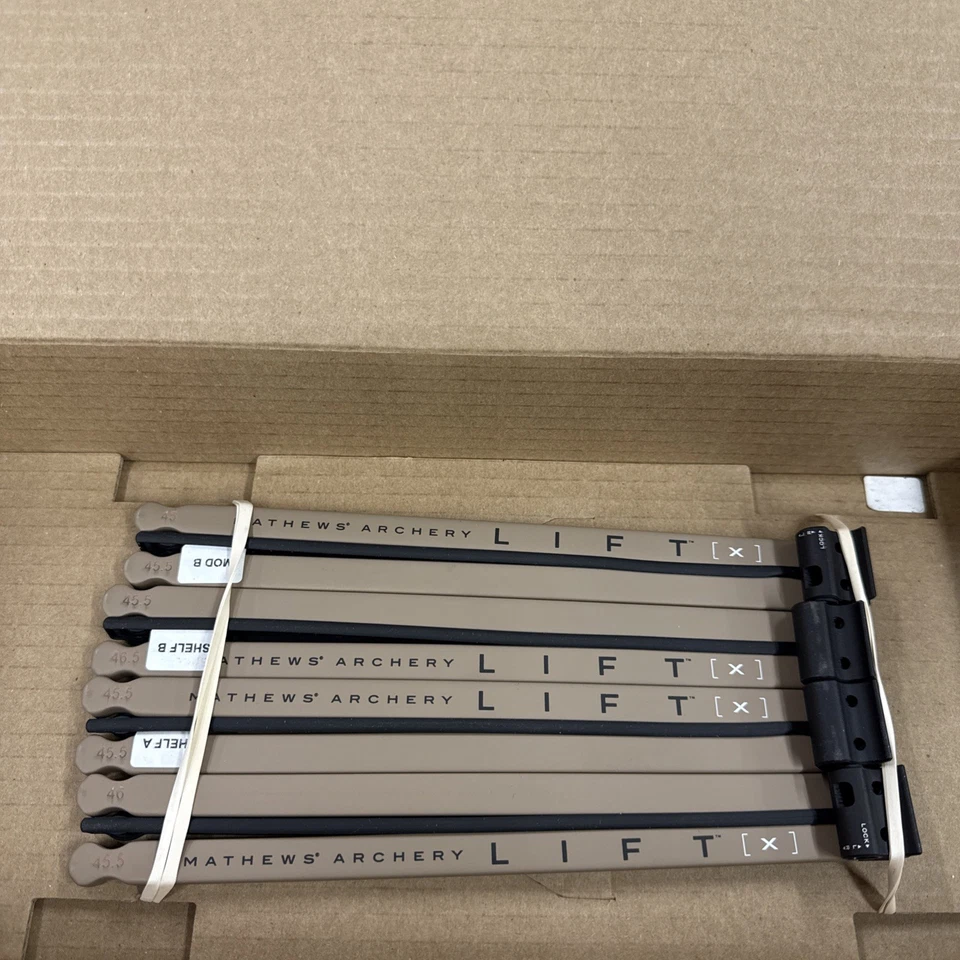
On many modern bows, let-off is adjustable through interchangeable cam modules or a small screw that shifts the draw stops. Changing it is a job for a bow press and often a pro shop, because you are altering the cam timing that governs how the bow shoots. If you switch modules yourself, you must re-check cam sync and draw length afterward, since let-off, draw length, and cam timing are all bound together in the same geometry.
You can measure your real holding weight with a simple hanging bow scale. Draw the bow slowly on the scale, watch the peak weight as the cam rolls over, then read the weight once you settle into the valley. Divide the held weight by the peak weight, subtract from one, and you have your true let-off percentage. It is common to find the real number differs a little from the sticker on the bow, especially after modules, strings, or draw length have been changed.

If your holding weight feels wrong — heavier than expected, or with a wall that has gone soft — the culprit is usually cam timing drifting out of sync as the strings and cables stretch over a season of shooting. A quick trip to the shop to re-time the cams restores both the wall and the let-off to spec. Treat that as routine maintenance, like rotating tires, rather than a repair.
The Bottom Line on Let-Off
Let-off is the reason a compound bow can be simultaneously powerful and easy to aim. The cams store a big load of energy under the draw curve while handing you only a fraction of the weight to hold, so you get a fast arrow and a steady, relaxed anchor at the same time. Choose a higher percentage if you hunt and need to hold for long stretches, a lower one if you compete and want back-tension feedback and a crisp wall. Learn where your valley sits, keep your cams in time, and treat the light holding weight as a platform for good form rather than a substitute for it. Once you understand let-off, the compound bow stops feeling like a machine full of mystery and starts feeling like a tool you can genuinely control.
Sources
