Archery Blog
How to Choose a Quiver: 5 Types Every Archer Should Know
Jul
A five-arrow bow-mounted quiver can add close to a pound of weight to the side of your bow, and that single fact changes how you should think about the decision. Learning how to choose a quiver is less about brand names and more about where your arrows need to sit while you shoot, walk, and reload. Get it wrong and you fight your gear on every shot. Get it right and you stop noticing the quiver exists, which is exactly the point.
This guide breaks down the five quiver styles you will actually run into, the one hip-versus-field detail most beginners miss, and a simple way to match a quiver to your discipline without overspending.
What a Quiver Does (and Why the Right One Matters)
A quiver holds your arrows, keeps the points covered, and puts the nocks where your hand can find them without looking. That sounds trivial until you have shot a full round with the wrong one. A back quiver rattles on a hunting stalk. A heavy bow-mounted quiver torques a lightweight target rig off balance. The job never changes, but the right execution depends entirely on the shooting you do.
Knowing how to choose a quiver comes down to three questions: How do you carry the bow? How fast do you need the next arrow? And how much does weight on the bow matter to your shot? Answer those honestly and the field narrows fast.
The 5 Main Types of Archery Quivers
There are five quiver styles worth knowing. Most archers end up owning two — one for practice and one for their main discipline.
Bow-Mounted Quiver
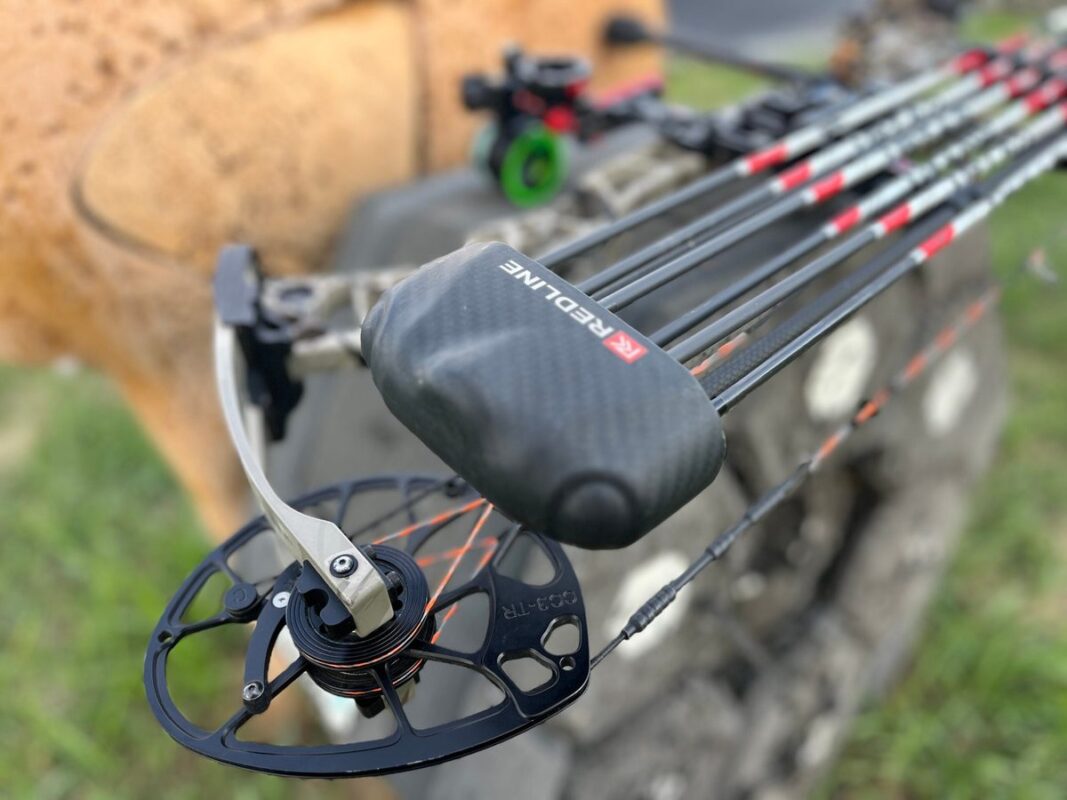
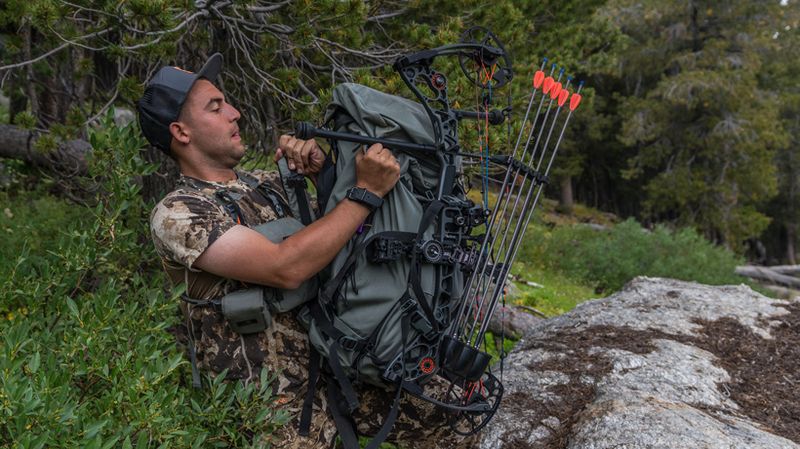
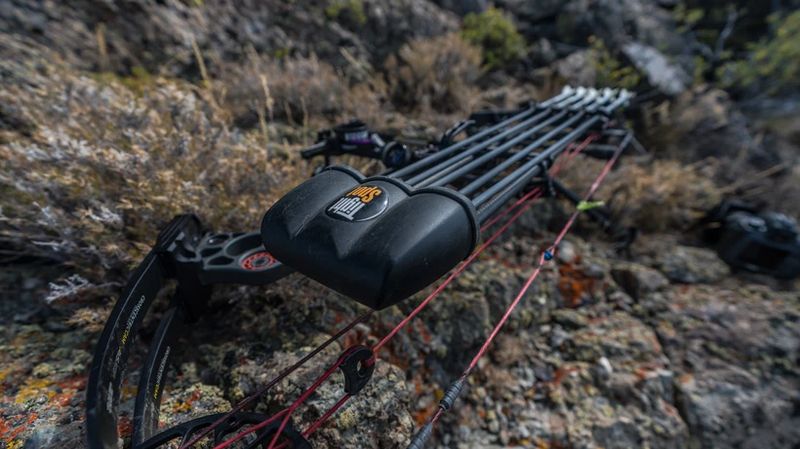
Attached directly to the riser, a bow-mounted quiver keeps arrows traveling with the bow. It is the default for compound bowhunters because your hands stay free to climb, glass, and move through cover, and the arrows never touch the ground. The trade-off is weight and balance: a loaded quiver shifts the bow’s center of gravity, which is why many hunters run detachable models and pull the quiver before the shot. Some traditional and recurve shooters use them too, though they are less common there.
Hip Quiver
A hip quiver hangs off your belt at your side with the arrow tubes angled forward, putting nocks right at your draw hand. Target archers love it because reloads are quick and the arrows stay out of the shooting lane. It also carries accessories — a scope, a pencil, a rangefinder — in built-in pockets. If you shoot a lot of arrows in a session, this is the fastest to work from.
Field Quiver
A field quiver looks like a hip quiver’s cousin, but the arrows angle backward instead of forward. That backward tilt keeps the fletching behind you and away from other archers on a crowded line, and the sleeker build hangs flatter against your leg for walking a field or 3D course. The distinction between hip and field is the single detail most new archers overlook, and it is worth its own section below.
Back Quiver
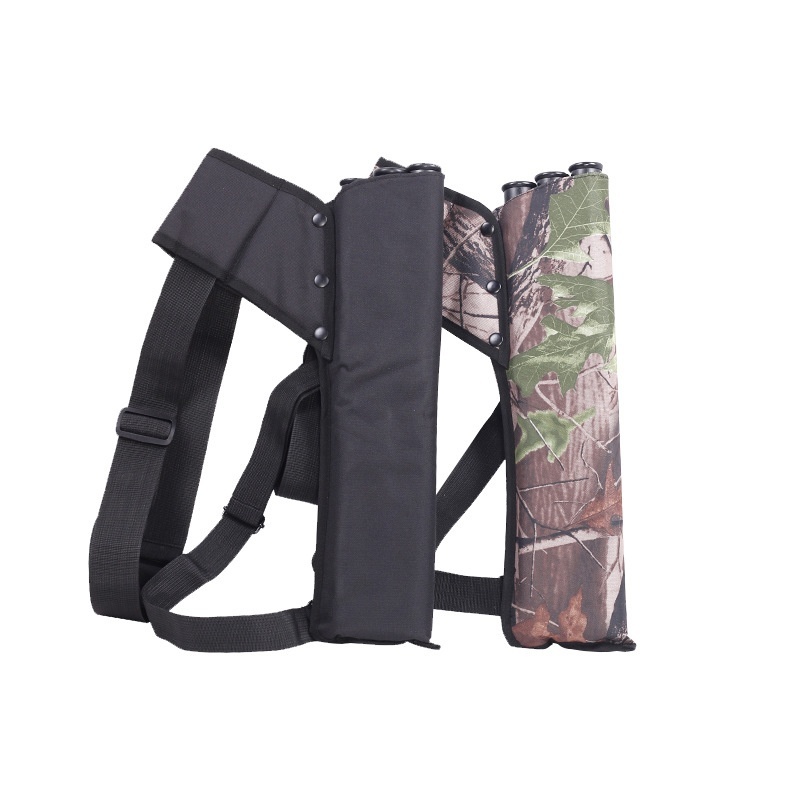
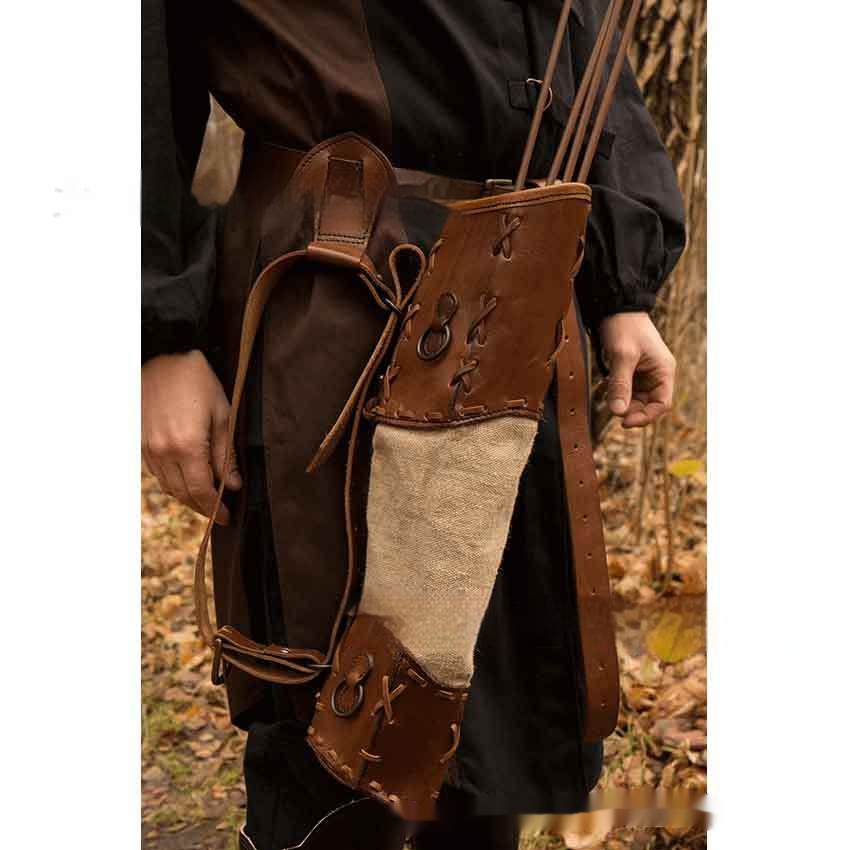
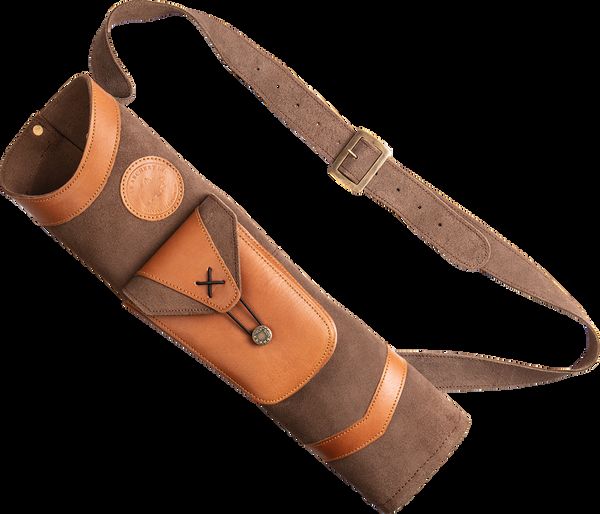
The back quiver is the one everyone pictures — slung over the shoulder, arrows rising behind the head. It carries a lot of arrows and looks the part for traditional and historical shooting. The honest downside: drawing from it is slower and noisier than from a hip quiver, and arrows can spill if you bend over. It shines for traditional roving, stump shooting, and anyone who values the classic feel over speed.
Ground Quiver
A ground quiver is a simple stake or frame you push into the turf at the shooting line, holding arrows upright beside you. It carries nothing on your body, which makes it a favorite for practice ranges and beginner sessions. It does not travel with you, so it is useless for hunting or walking courses, but for standing at one spot and drilling form it is hard to beat for the price.
Hip Quiver vs Field Quiver: The Detail Most Beginners Miss
Both ride on your belt, so shops and beginners treat them as the same thing. They are not. A hip quiver angles arrows forward, so the nocks sit ahead of your hip and reach toward your draw hand — fast to grab, but the fletching points out into the shooting line. A field quiver reverses that, tilting arrows backward so the fletching sits behind you.
Why care? On a packed target line, forward-angled arrows can crowd your neighbor’s space. Field quivers keep everything tucked behind you and hang flatter for the long walk between targets on a field or 3D course. Target archers who shoot mostly from a fixed line often prefer the hip style’s speed; field and 3D archers who cover ground usually go field. Easton’s own breakdown of the two settles the debate cleanly if you want the deep version.

How to Choose a Quiver by Your Style of Archery
Discipline drives the decision more than anything else. Here is the short version of how to choose a quiver for the four most common ways people shoot.
| Your Shooting | Best Quiver | Why |
|---|---|---|
| Compound bowhunting | Bow-mounted (detachable) | Hands free, arrows silent and covered; pull it before the shot for balance |
| Target / Olympic recurve | Hip quiver | Fast reloads from a fixed line, holds tools and scope |
| Field / 3D archery | Field quiver | Sleek profile, arrows tucked behind you, easy walking |
| Traditional / roving | Back or side quiver | Classic feel, high capacity for stump shooting |
If you shoot more than one style, buy for your primary discipline first and add a cheap ground quiver for home practice. There is no single quiver that wins everywhere, and chasing one usually means owning something that does nothing well.
Capacity, Materials, and Mounting
Once the style is settled, three practical details decide which specific quiver you buy. Capacity comes first: three to five arrows suit most hunters, while target archers want six to twelve tubes plus pocket space. Overbuying capacity just adds bulk you carry for nothing.
Material sets the tone and the price. Molded plastic and ballistic nylon are light, cheap, and weatherproof — ideal for hunting and hard use. Leather costs more and needs care, but nothing else looks right on a longbow or recurve. For traditional shooters, the material is half the appeal.
Mounting is the detail people forget. A bow-mounted quiver needs to fit your riser’s accessory holes and, ideally, detach with a quick release. Hip and field quivers ride on a belt clip or loop, so check that it fits your belt width. Back quivers live or die on the strap — an adjustable, non-slip strap is the difference between a quiver that stays put and one you re-seat every few minutes.
Common Quiver Mistakes That Cost You
The most expensive mistake is buying a hunting bow-mounted quiver for target work, or the reverse. They are built for opposite jobs and neither crosses over well. Close behind is ignoring arrow length: a quiver sized for short compound bolts will not hold long traditional arrows securely, and points can poke past the hood.
People also skip the strap and clip check, then wonder why a full back quiver slides sideways every time they lean. And plenty of new archers buy a twelve-tube target quiver when they own six arrows. Match the capacity to what you actually carry. Your arrows matter here too — before you load up, it is worth getting your arrow spine and hunting arrow weight dialed in, because a quiver full of mismatched arrows is a quiver full of problems.
Fill It With the Right Arrows
A quiver is only as good as what goes in it. If you are still building a setup, start with a set of consistent practice shafts and grow from there. Matched arrows out of a well-fitted quiver, feeding into a clean arrow rest, is the foundation every accurate shot sits on.
See the Quiver Types in Action
If you learn better by watching, this short breakdown walks through the main quiver styles side by side so you can see how each one sits and draws before you buy.
Frequently Asked Questions
What is the best quiver for a beginner? For a new target archer, a basic hip quiver or a ground quiver at the practice range is the easiest start — cheap, forgiving, and quick to work from. Beginning bowhunters are usually better served by a simple bow-mounted quiver.
Do I need a quiver to shoot? No — you can stick arrows in the ground or a stand. But a quiver keeps points covered, arrows organized, and your reloads consistent, which matters the moment you shoot more than a few arrows at a time.
Can I use a hunting quiver for target archery? You can, but it is not ideal. Bow-mounted hunting quivers add weight and bulk that target archers spend money trying to remove. A belt-worn hip or field quiver is the better tool on the line.
The Bottom Line
Skip the temptation to buy the quiver that looks coolest on the shelf. Decide how you shoot first, then let the discipline pick the style — bow-mounted for the hunt, hip for the target line, field for the 3D course, back or side for traditional. Once the style is set, capacity, material, and a mount that actually fits are all that is left to sort. Do that and your next quiver becomes the piece of gear you never think about again, which is the highest compliment archery equipment can earn.
Sources
- Easton Archery — Hip Quivers and Field Quivers: What’s the Difference? — Manufacturer breakdown of the forward vs backward arrow angle.
- GoHunt — Quiver Options for Any Bowhunter — Field notes on bow-mounted quiver weight and balance.
- 3Rivers Archery — How to Choose the Right Type of Bow Quiver — Traditional quiver selection guidance.
