Archery Blog
Fletching Types and Sizes: A Guide to Steering Your Arrows
Jun
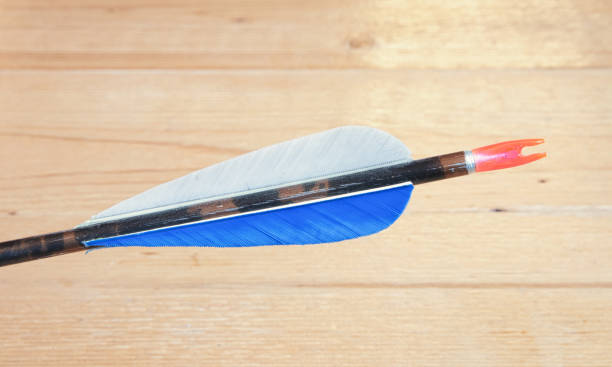
Three little fins glued near the back of a carbon shaft do more work than almost any other component on your arrow. They are the rudder, the keel, and the brakes all at once. Get your fletching right and a stray arrow tightens into a clean group; get it wrong and even a perfectly tuned bow throws fliers you can’t explain. Yet fletching is the part most archers think about last, choosing whatever color looked good in the shop. This guide walks through the real decisions that matter: the two material families, the sizes that actually steer your setup, and the way each fin is mounted to the shaft.

What Fletching Actually Does
An arrow leaves the bow with its center of gravity well forward of center, but it is the back end that needs to be tamed. The moment the shaft clears the rest, it begins to flex and yaw. Fletching creates drag at the tail, and that drag drags the rear of the arrow back in line behind the point — the same way feathers on a dart or fins on a rocket keep the nose forward. The instant any part of the shaft turns sideways to the airflow, the fletching catches more air and corrects it.
That correction comes at a cost. Every square millimeter of fletching surface is also a square millimeter of resistance that bleeds speed and exaggerates the effect of crosswinds. The entire art of choosing fletching is balancing those two forces: enough steering authority to stabilize your particular arrow and broadhead, but no more surface than you actually need. A field-tipped target arrow and a fixed-blade hunting arrow can use the same shaft and still want completely different fins.
Feathers Versus Vanes: The Two Material Families
Almost every fletching on the market falls into one of two camps — natural feather or synthetic plastic vane — and the choice shapes everything else about your setup.
Natural Feathers
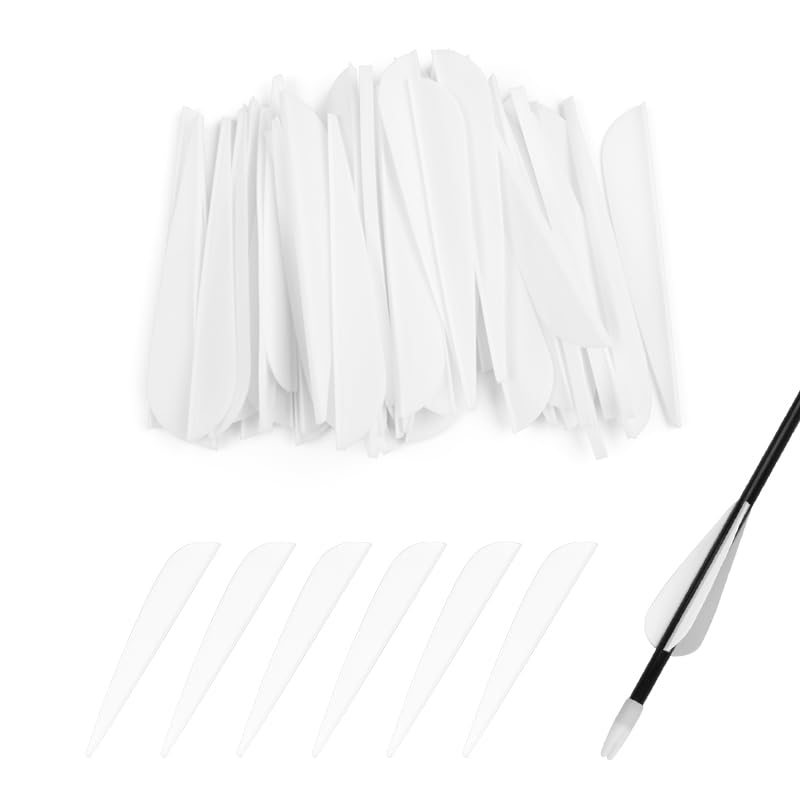
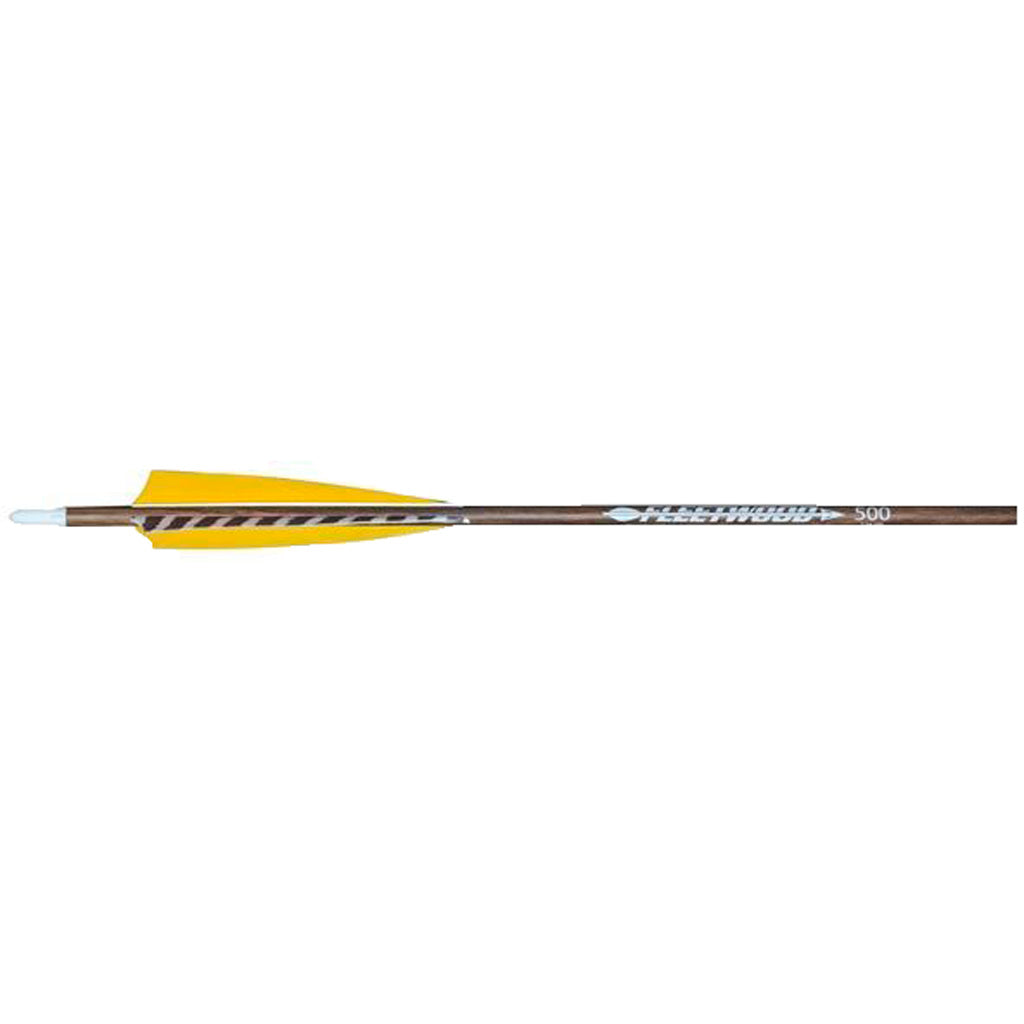
Feathers are cut from the wing quills of turkeys and come in left-wing and right-wing varieties — the curvature is fixed by which wing the feather grew on, so all three on an arrow must come from the same wing. Their headline advantage is weight: a feather can be a third the mass of a comparable vane, which keeps the rear of the arrow light and forgiving. Their porous, rough surface also grips the air aggressively, giving outsized steering power for the size.
That same grip makes feathers the default for traditional shooters and anyone using a finger release off the shelf, because a feather simply folds and springs back when it brushes the riser, where a stiff vane would deflect the arrow. The trade-off is durability. Feathers soak up rain, flatten in a quiver, and shred against foam targets. They are the choice when forgiveness and weight matter more than weatherproofing.
Plastic Vanes
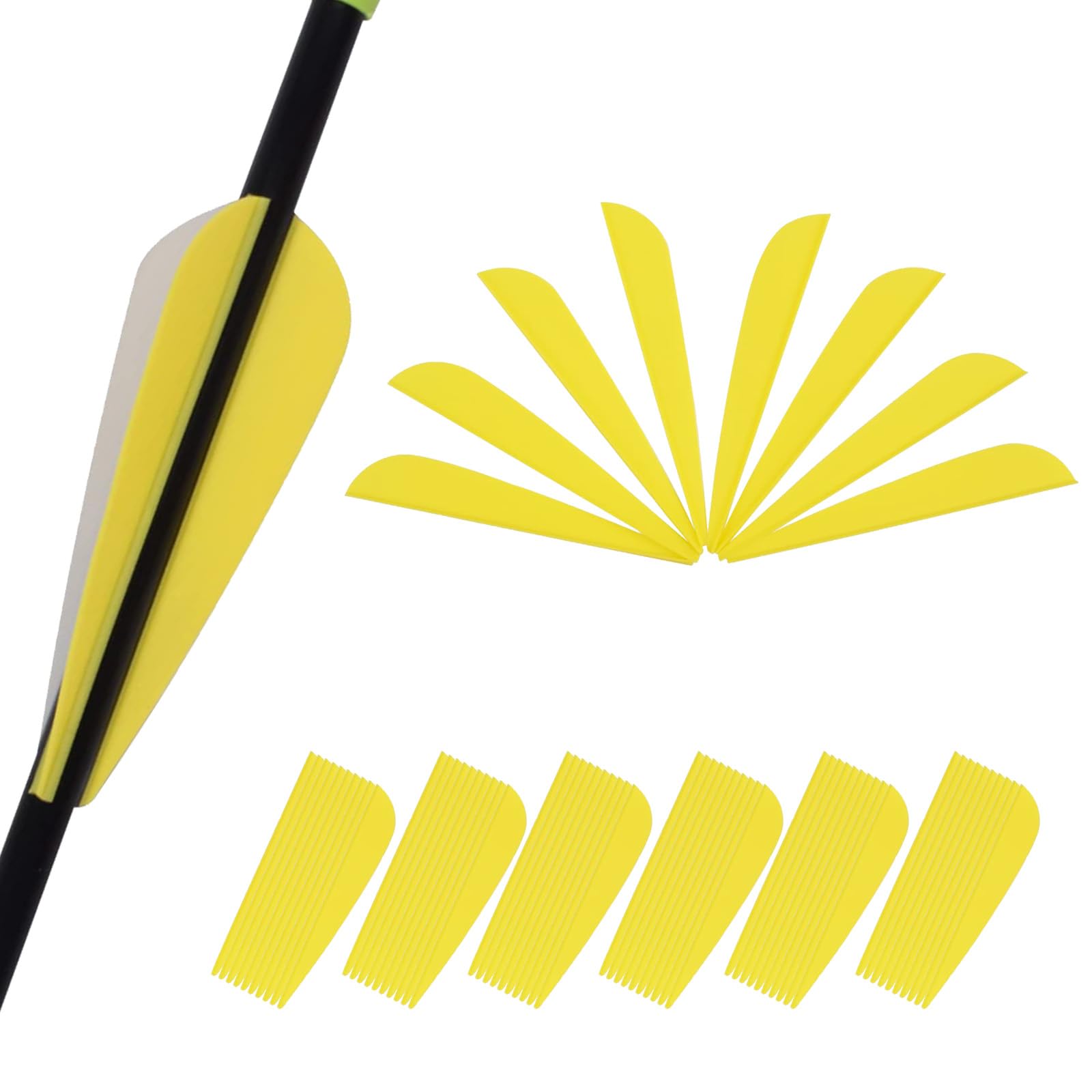
Vanes are molded from flexible plastics and dominate the compound and modern target world. They shrug off rain, survive being crammed into a quiver, and wipe clean after a muddy hunt. Because their surface is smooth and non-porous, they generate less drag than a feather of identical size — which is why vanes are often run slightly larger or with more aggressive mounting to make up the steering difference.
Vanes do demand clearance. A stiff plastic fin that smacks the arrow rest will kick the arrow off course every time, so vanes pair best with a drop-away or a launcher rest and a release aid. For the compound shooter who wants consistency in any weather, vanes are the practical default.
The simplest rule of thumb: shoot off the shelf or off your fingers, lean feather. Shoot a release through a modern rest, lean vane.
Fletching Sizes and What They Steer
Size is measured by length along the shaft, and the common range runs from roughly two inches up to five. Length is a proxy for surface area, and surface area is a proxy for how much steering force the fletching delivers. The heavier or more wind-catching the front of your arrow, the more fletching you need at the back to keep it pointing true.
Four to Five Inches
The big five-inch feather and the classic four-inch vane are the heavy-correction tools. They exist to stabilize fixed-blade broadheads, which act like tiny wings up front and fight to steer the arrow themselves. Long fletching also helps with heavy points and longer hunting shots where the arrow has time to wander. The cost is speed and wind drift, but for a bowhunter putting a broadhead exactly where a field point lands, the larger fletch is cheap insurance.
The Three-Inch Middle Ground
Three inches is the do-everything size. It carries enough authority to steer mechanical broadheads and most field-point hunting setups while shedding some of the drag penalty of the larger fletch. If you only ever buy one size of vane, three inches is the safe bet — it forgives a slightly out-of-tune bow and still flies flat enough for general target work out to moderate ranges.
Two-Inch and Low-Profile Vanes
Short vanes in the two-inch class, including the stubby high-profile designs popular in indoor and 3D circles, are all about speed and flat trajectory. With less surface to catch crosswinds and less drag to slow the shaft, they shine when the arrow is tipped with a field point or a streamlined broadhead and the bow is well tuned. They demand a clean release and good arrow tune, because they have far less authority to fix a wobble. Run them on a setup that is already shooting bullet holes through paper, and they reward you with tighter long-range groups.
How the Fletch Is Mounted: Straight, Offset, and Helical
Type and size tell only part of the story. How the fin is glued to the shaft determines whether the arrow merely stays straight or actively spins, and spin is what turns a good group into a great one.
A straight mount runs the fletch parallel to the shaft. It produces the least drag and the fastest arrow, but it imparts no rotation, so it relies purely on drag to steer. Straight fletching suits short indoor target arrows where speed and clearance matter and the shot is too brief for spin to do much.
An offset mount keeps the fin flat but angles it a few degrees relative to the shaft, so the airflow starts the arrow rotating like a rifled bullet. That spin averages out small imperfections and dramatically improves broadhead flight, at a modest speed cost. It also keeps vane clearance manageable, which is why offset is the everyday compound choice.
A helical mount physically curves the fin around the shaft in a gentle spiral, generating the most aggressive spin and the most steering authority of all. Helical is the broadhead-tamer — it forces the fastest rotation and the tightest recovery — but it bleeds the most speed and is hard to achieve with stiff full-length vanes that won’t bend around the shaft. Feathers, being flexible, take a helical beautifully, which is part of why traditional arrows fly so forgivingly.
Matching Fletching to Your Setup
Put the three variables together and a clear logic emerges. Start from the front of the arrow and work back. A streamlined field point or target tip needs the least help, so it pairs with shorter, low-drag vanes mounted straight or with a slight offset for speed and flat flight. A mechanical broadhead, which stays folded in flight, sits in the middle and is happy with three-inch vanes and a healthy offset.
A fixed-blade broadhead is the demanding case. Those exposed blades steer the arrow against you, so you counter them with the most authority you can muster: four- or five-inch fletching, often feathers, mounted with a strong offset or full helical. The goal is for the broadhead to group with your field points at hunting range, and that almost always means more fletch and more spin, not less.
Your bow and rest set the outer limits. Shooting off the shelf or off fingers pushes you toward feathers regardless of everything else, because they forgive contact. A drop-away rest with a release opens the door to any vane and any mounting you like. When in doubt, fletch a few arrows each way and shoot them through paper and over a chronograph — the arrows will tell you what they want faster than any chart.
Shop Fletching Jigs on Amazon →
Fletching at Home: A Few Practical Notes
Most fletching standards put three fins at 120 degrees around the shaft, with one designated the index — traditionally the odd-colored cock feather — turned away from the rest for clearance. Four-fletch setups at 90 degrees trade a little speed for extra forgiveness and let you ignore arrow orientation entirely, which appeals to some target shooters. There is no universally correct count; three is the standard and four is a deliberate forgiveness choice.
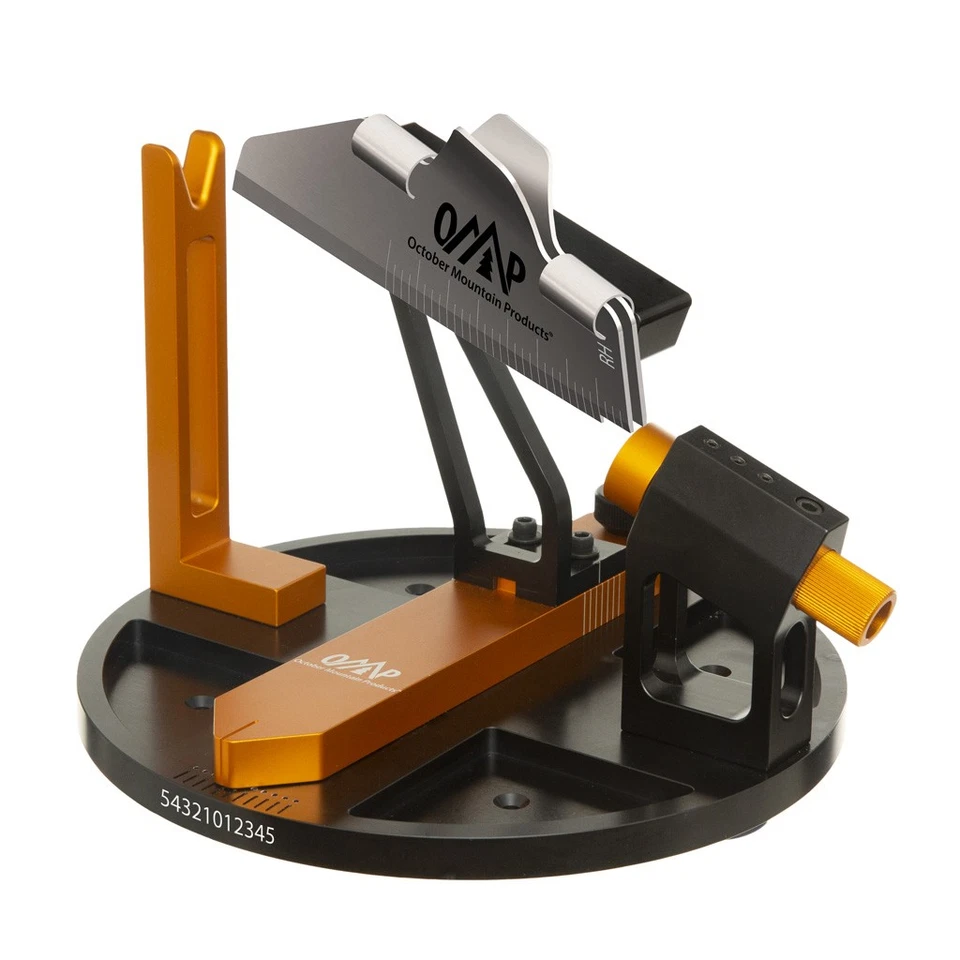
If you build your own arrows, a fletching jig and the right glue are worth more than any single component. The jig holds the precise offset or helical angle while the adhesive cures, so every arrow in your dozen steers identically. Prep matters too: wipe the shaft with alcohol so the glue bites, and don’t rush the cure. Consistent fletching is half of consistent arrow flight, and it is the half you control entirely on your own bench.
Shop Feather Fletching on Amazon →
The Bottom Line
Fletching is a balancing act between control and speed, and the right answer is the smallest fletch that fully stabilizes your point of choice. Pick your material for your release and the weather you shoot in, size it to the tip you’re flinging, and mount it with enough offset or helical to spin the arrow true. Tune from there by watching your groups, not by copying someone else’s arrows. The fins are tiny, but they are where a tuned bow turns into a tuned shot.
Sources
- USA Archery — coaching and equipment guidance
- Wikipedia: Fletching — overview of fletching history and mechanics
- Bowhunter-Ed — arrow and broadhead fundamentals
