Archery Blog
Bow Maintenance Guide: Keeping Your Compound Shooting True
Jun
A compound bow is a machine under tension. Even at rest, its cables, string, and limbs hold dozens of pounds of stored energy, and every shot cycles that load through a network of small, precise parts. Neglect them and the bow doesn’t fail dramatically—it drifts. Your groups open up, your peep rotates a hair, your nocking point creeps, and one day a frayed serving lets go at full draw. This bow maintenance guide walks through the routine care that keeps a compound shooting true, so the only variable left on the range is you.
Why Maintenance Beats Repair
The cheapest fix is the one you never have to make. A waxed string lasts two to three times longer than a dry one. A cam inspected monthly never strands you mid-hunt. The whole philosophy of bow maintenance is catching small wear before it becomes a failure, because failures on a compound are rarely cheap and occasionally dangerous. A string that breaks at full draw can crack a limb, throw a cam off its track, or whip back hard enough to injure the shooter.
The good news is that compound bows are remarkably durable when cared for. The strings and cables are the only true wear items—almost everything else is inspection rather than replacement. Build a simple rhythm of looking, waxing, and tightening, and a quality bow will shoot accurately for a decade or more. Think of it less as a chore and more as the habit that protects your investment and your tune.
The Strings and Cables Come First
Strings and cables take the most abuse and need the most attention. Modern bowstrings are built from blended synthetic fibers that resist creep, but they still dry out, fuzz, and stretch over time. Your job is to keep them lubricated and to watch for the warning signs of a string nearing the end of its service life.
Waxing the Right Way
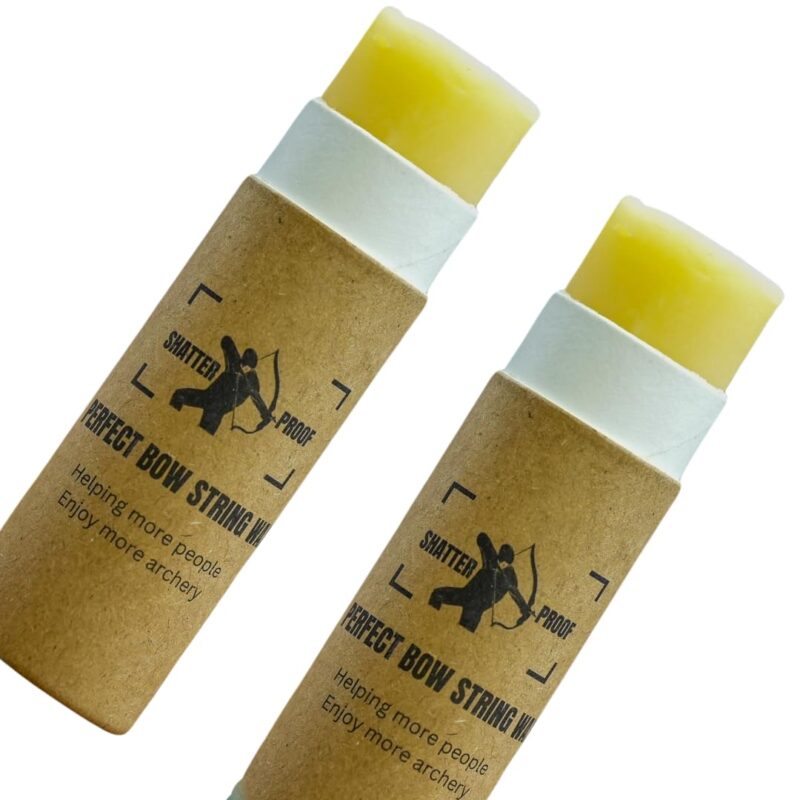
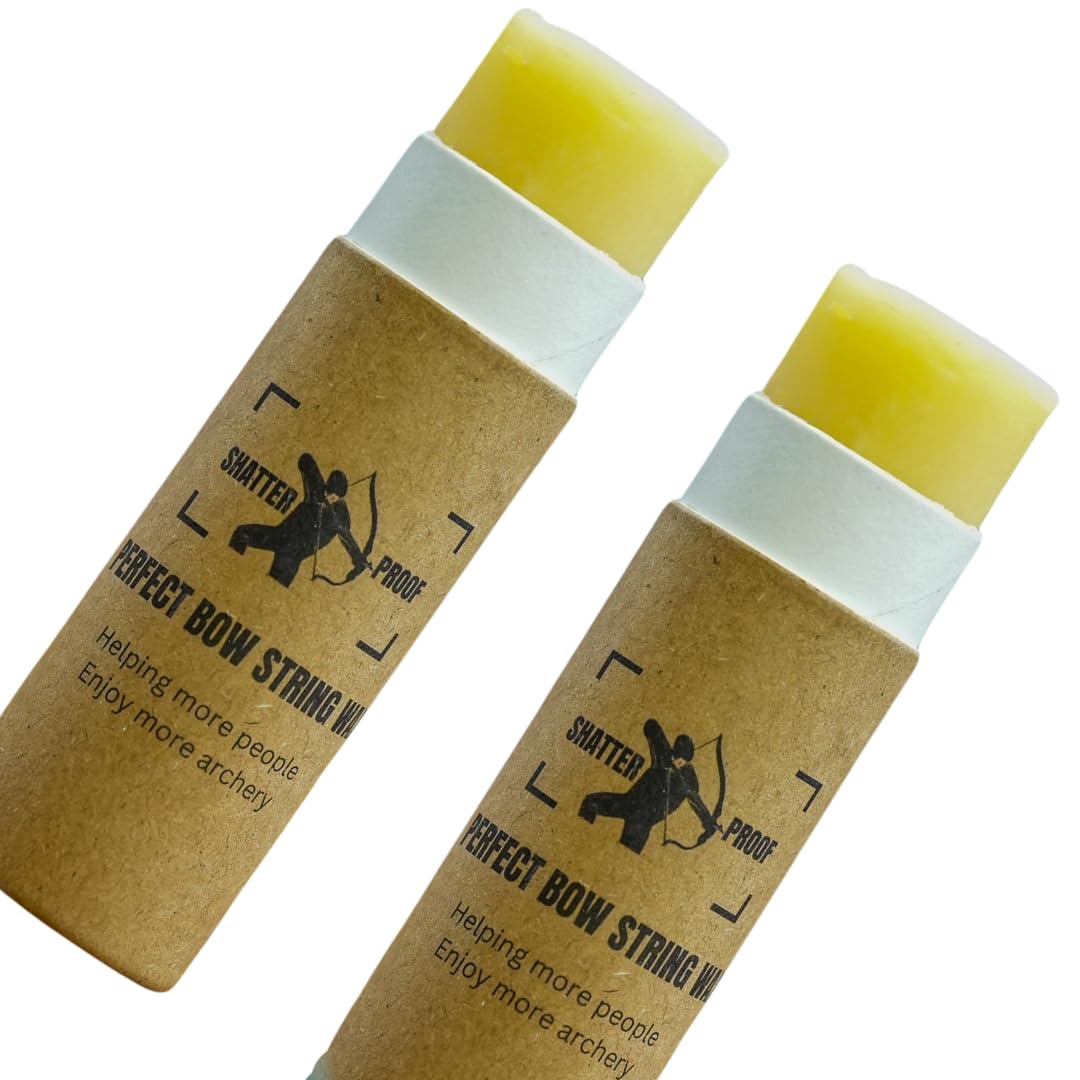
Wax the string every two to three weeks of regular shooting, or any time it starts to look fuzzy or feel dry to the touch. Use a dedicated bowstring wax—not candle wax, which is too hard and tends to attract grit. Run a thin bead along the string body, then work it into the fibers with your fingers until friction warms the wax and it disappears into the strands. Skip the served sections—the tightly wrapped areas at the loops, peep, and nocking point—because wax there does nothing useful and just collects dirt.
The goal is penetration, not a thick coating. A greasy, over-waxed string grabs dust and sand in the field, and that grit acts like sandpaper inside the strands. Less is more: you want the fibers conditioned and supple, not caked in a sticky shell.
Shop Bowstring Wax on Amazon →
Reading String Wear
Run the string through your fingers in good light and look for trouble. Light fuzzing is normal and waxes back down. What you’re hunting for is more serious: a single broken strand, served sections that have separated or unraveled, or fuzz that won’t lie flat no matter how much wax you work in. The serving around the nocking point and cam tracks wears fastest—if you can see the string core peeking through the serving, that string is on borrowed time.
As a rule of thumb, a string and cable set should be replaced every two to three years for an average shooter, sooner if you shoot heavily or hunt in harsh conditions. Replacing strings requires a bow press and proper measurements, so unless you own one and know your specs, this is the moment to hand the bow to a pro shop. Doing it wrong can damage the cams or limbs.
Cams, Timing, and Axle Health
The cams are the heart of a compound’s performance, and they’re sensitive. On a dual-cam bow, both cams must roll over in sync—this is called cam timing. When timing slips, the bow shoots erratically, draws roughly, and loses its forgiving valley. You can spot drift yourself: draw the bow slowly (on a draw board if you have one) and watch whether both cams hit their stops at the same instant. If one lags, the cables have stretched unevenly and the bow needs a press and a tune.
Check the axles and bearings too. With the bow at rest, wiggle each cam gently side to side. A whisper of play is fine; noticeable wobble or a gritty feel means the bearings or axles are wearing and should be looked at. Listen as you draw, as well—a healthy compound is nearly silent through the cycle. New squeaks or clicks are the bow telling you something has gone dry or loose.
Cam Lean and Serving Separation
Sight down the string toward the cam and check that the string tracks cleanly into the cam groove without excessive lean. A little is normal by design; a lot causes the string to wear unevenly and can rob you of accuracy. Combine that with the serving check above—the section riding in the cam track is where most strings give up first. Catch separation early and you replace one string on your schedule instead of an emergency set the night before a hunt.
Limbs, Cables, and the Riser
Limbs are the powerhouse, and a cracked limb is the one failure you must never shoot through. Inspect both limbs top and bottom under bright light before each season and after any dry fire or fall. You’re looking for cracks, splinters, lifting laminate, or hairline fractures near the limb pockets and tips. Flex the limbs slightly and listen for creaks. If you suspect a crack, stop shooting immediately—a limb that fails at full draw is genuinely dangerous. Many manufacturers cover limbs under warranty, so a suspect limb is worth a call to the maker.
The cables deserve the same treatment as the string: wax, inspect, and watch the serving. Also check the cable slide or roller guard that keeps the cables clear of the arrow’s path. A worn slide develops grooves and drag; a roller guard should spin freely. A drop of light lubricant on a roller guard keeps it quiet and smooth.
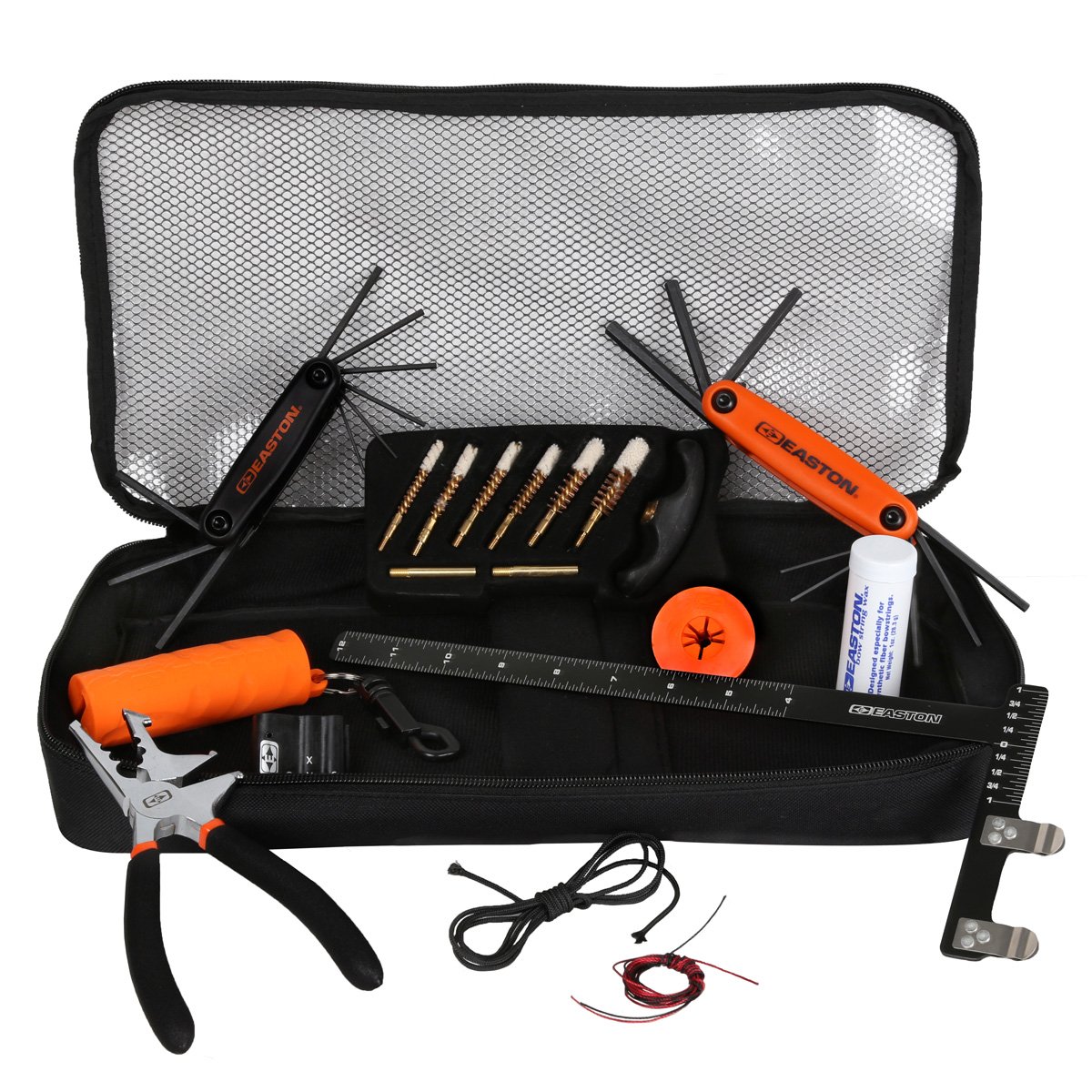
The aluminum riser is the most durable part of the bow, but it carries everything bolted to it. Once a season, work methodically over every screw with the correct hex wrench: limb bolts, sight, rest, stabilizer, quiver mount, and cable guard. Vibration loosens fasteners over hundreds of shots, and a sight screw that backs out mid-season is a maddening, invisible accuracy thief. Snug, don’t gorilla—most archery fasteners want firm but moderate torque, and a few even specify a value you can hit with a torque wrench.
Shop Archery Bow Tool Kits on Amazon →
Accessories: The Quiet Accuracy Drains
Plenty of mystery flyers trace back not to the bow but to the bits hanging off it. The arrow rest is the prime suspect—containment arms wear, drop-away cords stretch, and launcher blades develop fatigue. Verify the rest still rises fully and times correctly with the shot. On a peep sight, confirm it returns to perfect alignment at full draw every single time; a peep that rotates means the string has settled and needs attention.
Check sight pins for looseness and the bubble level for accuracy, since a canted level quietly pushes shots left or right at distance. Inspect your release aid, too—a gritty or inconsistent release sabotages a perfectly tuned bow. Wipe optics clean, confirm the stabilizer is tight, and make sure the d-loop shows no fraying where it meets the string. None of these takes long, and together they account for a surprising share of accuracy complaints.
Storage, Transport, and a Simple Schedule
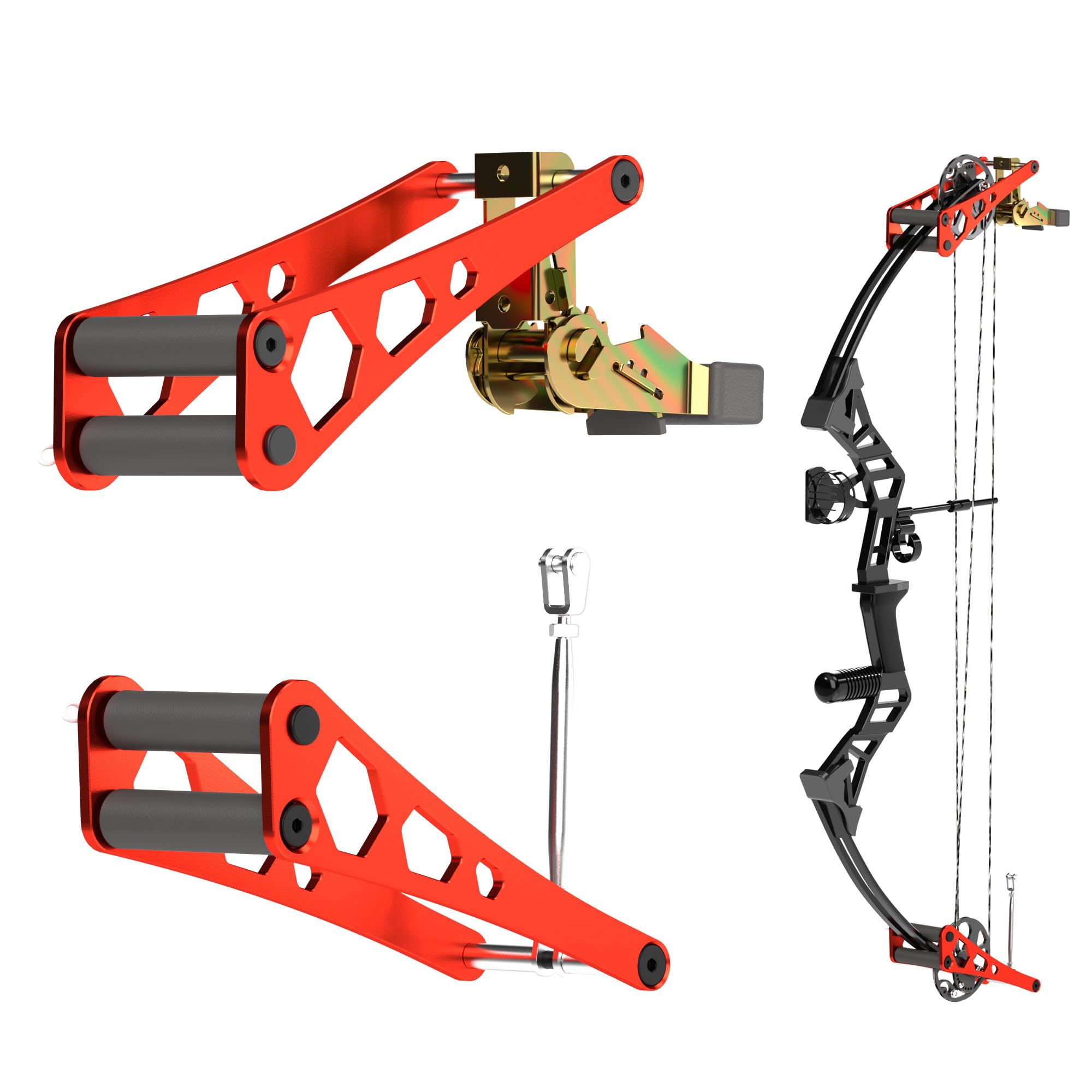
How you store a bow between sessions matters as much as how you shoot it. Keep it out of extreme heat—a closed car in summer can soften adhesives and stress limbs—and away from prolonged damp, which corrodes hardware and dulls strings. A hard or padded case protects the cams and sight from knocks in transit. There’s no need to de-tension a quality compound for storage; it’s engineered to hold draw weight indefinitely. Just store it hung or cased, not leaning where it can fall.
The whole program comes down to a rhythm. Before each shooting session, give the bow a ten-second glance—string, cams, and loose nothing. Every two to three weeks of shooting, wax the string and cables and run the hex wrench over the fasteners. Each season, do the deep inspection: limbs, axles, timing, accessories, and a fresh look at string wear. And every two to three years, or at the first real sign of string fatigue, install a new string and cable set and have the bow re-tuned.

Maintenance isn’t glamorous, but it’s the difference between a bow you trust and a bow you hope about. Keep the strings fed, the cams in sync, the limbs honest, and the screws tight, and your compound will reward you with the same arrow, in the same spot, every time you draw. That consistency—shooting true, shot after shot—is the entire point.
Sources
- USA Archery — equipment and safety guidance
- Archery Trade Association — industry equipment standards
- Compound bow overview — mechanics and components
