Archery Blog
Archery Strength Training: Build Draw Power and Hold Steadier at Anchor
Jun
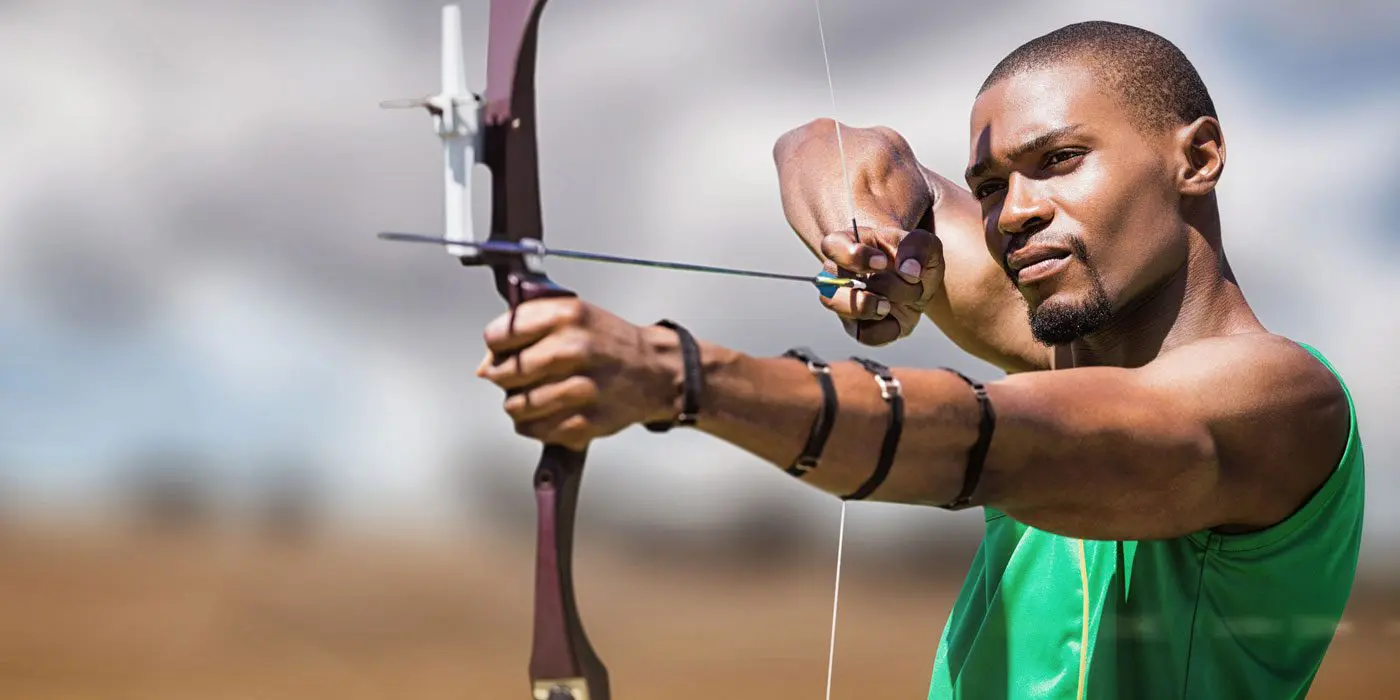
Pulling a 50-pound compound bow looks effortless on YouTube, but most new archers start trembling by the third end. The fix isn’t a lighter bow — it’s targeted archery strength training. Specific work on your back, shoulders, and core lets you hold a steady anchor through a full 3D round, a hunt setup, or a long target session without your form breaking down.
Why Archery Demands Its Own Strength Work
Archery sits in a strange corner of the strength world. You’re not lifting an explosive max load. You’re not running for endurance. You’re holding static tension at 60-90% of your draw weight for several seconds at a time, then doing it again, and again, for 60 to 120 ends in a tournament. General gym training rarely prepares you for that specific demand.
The archers who shoot tightest groups in the final hour of a long session aren’t necessarily the strongest people on the line. They’ve conditioned the exact muscles a draw recruits, in the exact way a draw recruits them. That’s what archery strength training really means — not getting bigger, but getting durable in the positions a bow actually demands.
The Muscles Behind a Clean Shot
Back and Rear Shoulders
A draw is almost entirely a rowing motion. Your lats initiate the pull, the rhomboids and mid-trap finish it as your draw hand reaches anchor, and the rear deltoid keeps your draw elbow tracking straight back. Weak upper back is the single most common reason archers “muscle” the draw with the front shoulder — the bow arm collapses, the front shoulder rounds forward, and groups open up by the third or fourth end.
The Rotator Cuff
Four small muscles wrap the head of your humerus and hold the shoulder joint stable through every draw. Ignore them and you become another statistic in the long line of archers who develop chronic shoulder pain by their second season. USA Archery flags rotator cuff conditioning as the most important injury-prevention work an archer can do — more important than back work, more important than core, more important than anything else in the gym.
Core and Trunk
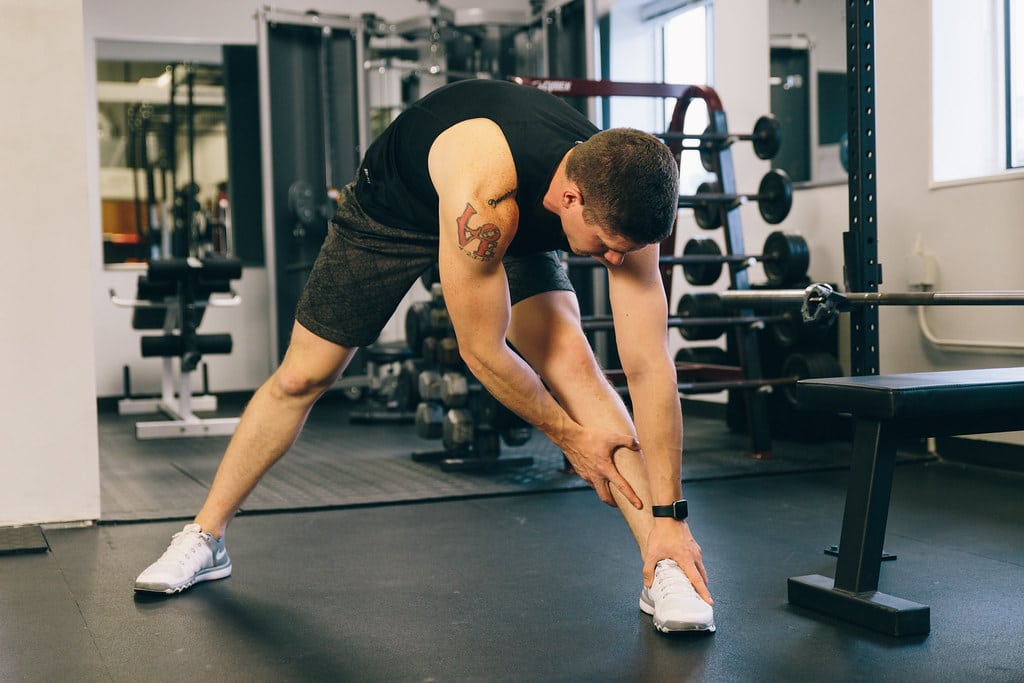
A loose core lets your form drift. Every micro-shake in your spine moves the bow several inches at 20 yards. Plank work and anti-rotation drills — not crunches — translate directly to a stable shot. Olympic recurve coaches treat core stability as non-negotiable, on the same level as drawing technique itself.
Seven Exercises That Translate Straight to the Bow
1. Bent-Over Dumbbell Row
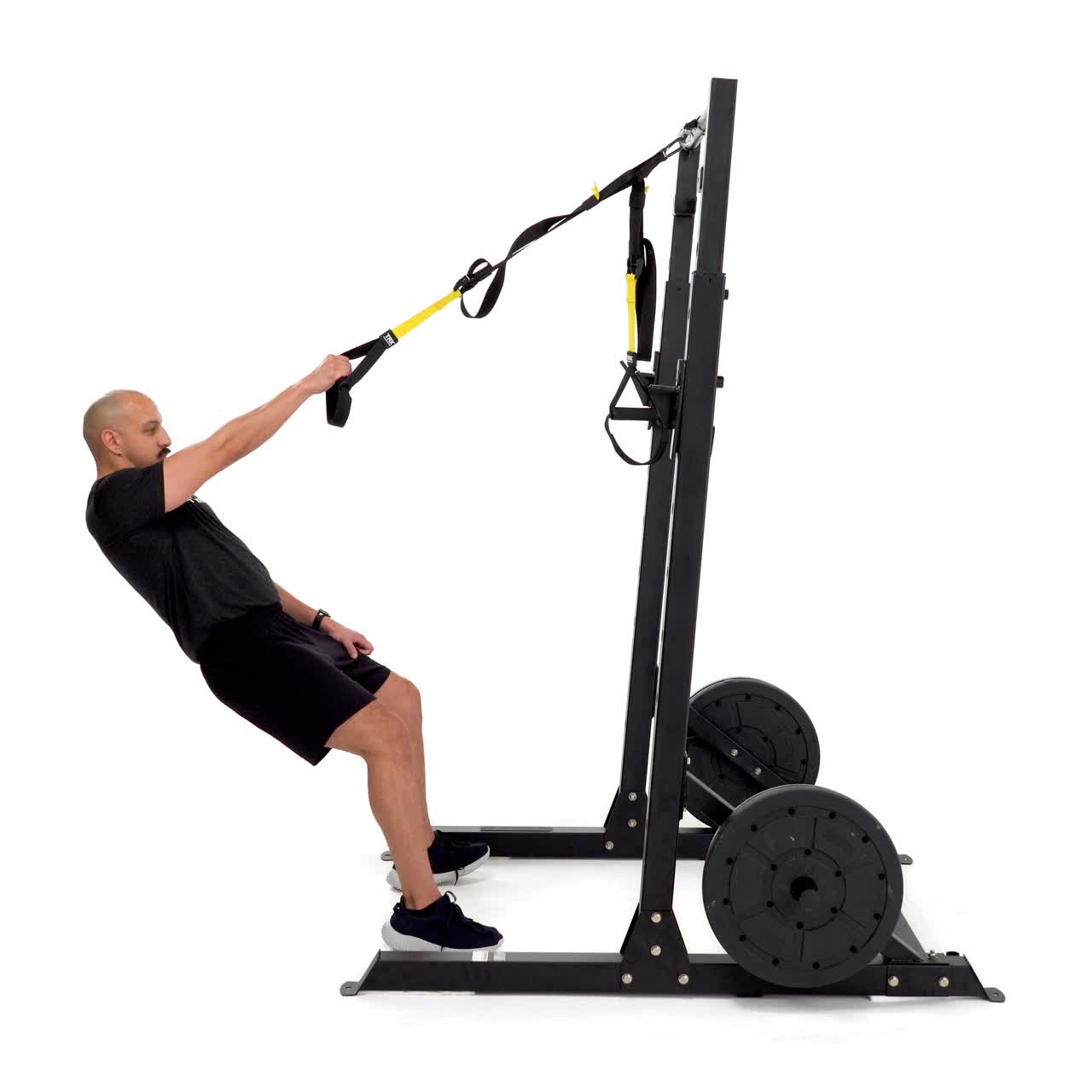
The closest gym lift to an actual draw. Hinge at the hips with a flat back, hold a moderate dumbbell, and pull it to your hip with your elbow tracking straight back — never flaring out. The pull should feel like it starts from your shoulder blade, not your bicep. Three sets of 10 per arm, twice a week, builds the exact pulling pattern your draw needs.
2. Face Pull
Anchor a resistance band at face height. Pull the band toward your forehead with your elbows high and wide. This single exercise wakes up the rear deltoids and external rotators — the exact small muscles that hold your draw shoulder packed down and prevent it from creeping up toward your ear at full draw. Three sets of 15, two or three times a week.
3. Banded Pull-Apart
Hold a light resistance band straight out in front of you and pull it apart until it touches your chest. Looks too easy to matter, but 50 reps a day undoes more rounded-shoulder posture than any other single exercise. Build it into your warm-up before every shoot and you’ll feel the difference inside a month.
4. External Rotation
The single best rotator cuff exercise. Tuck your elbow against your side at 90 degrees and rotate your forearm outward against a light resistance band. Slow on the way out, slower on the way back. Three sets of 15 per arm, three times a week. Do this for life — it isn’t optional for any archer shooting more than once a week.
5. Single-Arm Plank
A standard plank with one arm lifted off the floor. Your core has to resist rotating — the same demand the bow places on your trunk every time you reach full draw. Three sets of 30 seconds per side. If you can hold a minute clean on each side, your core is already strong enough for any draw weight you’ll realistically shoot.
6. Dead Hang
Hang from a pull-up bar for 30 to 60 seconds, shoulders packed down rather than shrugged. Decompresses the shoulder joint after a long shoot, builds the grip endurance that finger-release recurve archers absolutely need, and exposes shoulder mobility issues you didn’t know you had. Daily if you can.
7. SPT — Specific Physical Training
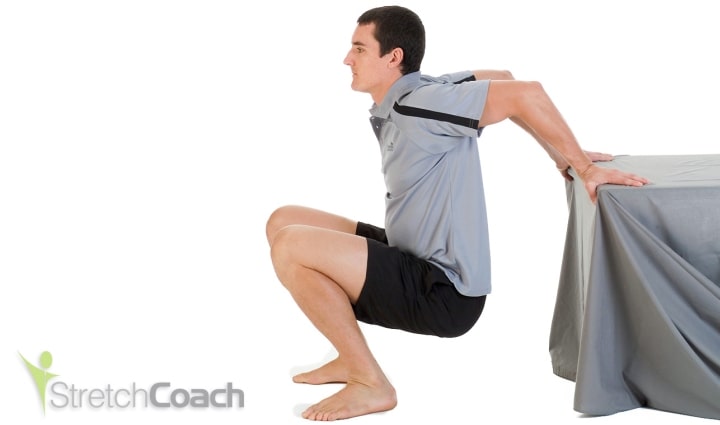
This is the archery-specific one, and it’s the most important. Draw your bow — or a slightly heavier training bow — and hold at anchor for 30 to 60 seconds without releasing. Olympic recurve coaches build entire training blocks around SPT, sometimes prescribing hundreds of seconds of holding time per session. Start with three holds of 30 seconds and build from there. SPT translates one-to-one to tournament endurance because it is tournament endurance.
Shop Archery Resistance Band Trainers on Amazon →
Sample Weekly Strength Plan
You don’t need a four-hour gym routine to support your archery. A focused two-day plan plus daily mobility work covers everything an intermediate archer needs.
- Monday: Dumbbell rows, face pulls, external rotation, single-arm plank
- Tuesday: Banded pull-apart (50 reps), dead hang, SPT holds at the range
- Wednesday: Rest or light walking
- Thursday: Same as Monday
- Friday: Banded pull-apart, external rotation, easy range session
- Saturday: Range session — focus on form, not high volume
- Sunday: Mobility, foam rolling, recovery
Tools That Make Off-Bow Training Realistic
You can do almost all of this with three pieces of equipment at home. None of them cost much, and they take up less space than a single bow case.
Resistance bands are the most versatile — face pulls, pull-aparts, external rotations, even simulated draws with a band trainer. A set with a door anchor covers about 80% of your archery strength work.
Shop Archery Resistance Band Sets on Amazon →
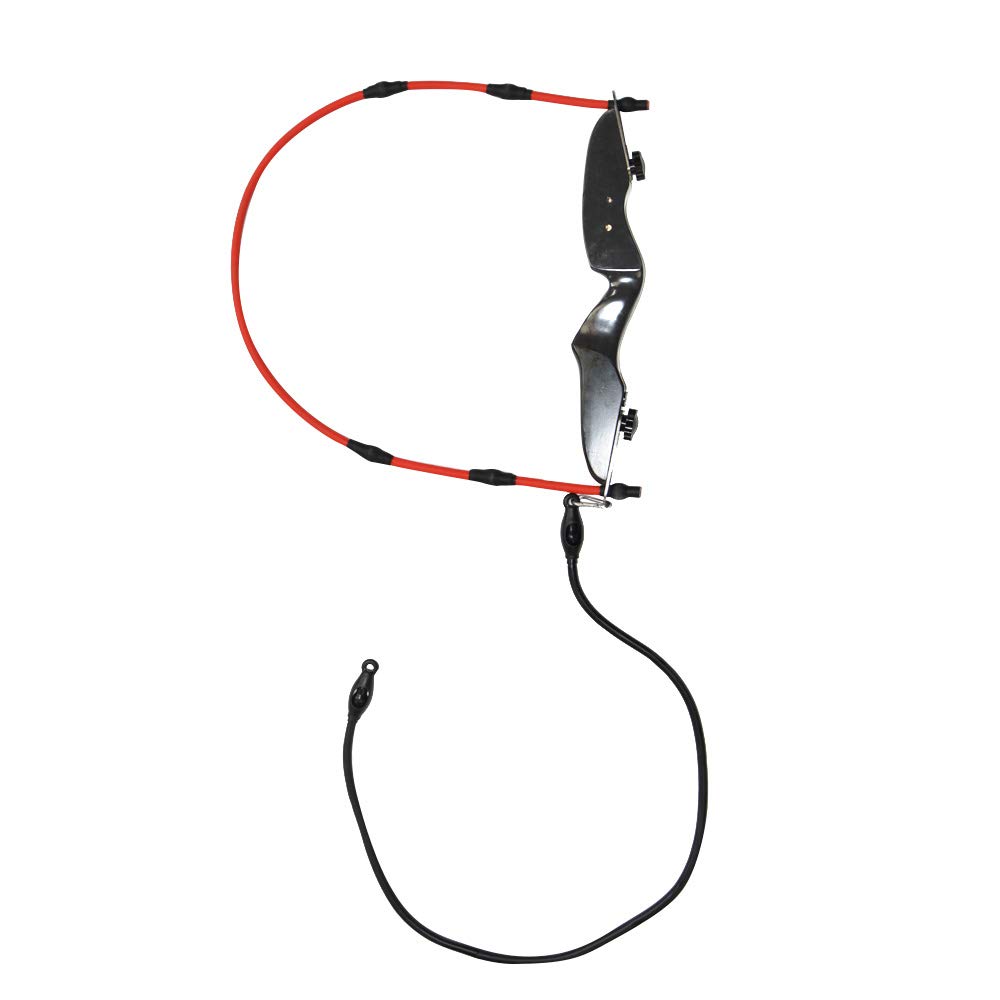
A stretch band trainer — sometimes called a draw trainer — mimics the full draw motion without a bow. Use it to grease the groove before a shoot or to build pulling endurance on rest days. Cheaper than a backup bow and quiet enough to use in your living room.
Shop Archery Stretch Band Trainers on Amazon →
Adjustable dumbbells handle the rows. You don’t need a barbell or a power rack — a single pair of adjustable dumbbells covers the strength work that the bands can’t.
Shop Adjustable Dumbbells on Amazon →
Mistakes That Wreck Archery Strength Programs
Training shoulders too hard the day before a shoot. Heavy rows on Friday will sandbag your group on Saturday. Strength work goes in the early week, range work goes at the end of the week.
Skipping the rotator cuff because it feels like nothing. The external rotation looks like a warm-up. It is the warm-up — and it’s also the single exercise standing between you and a torn cuff six years from now.
Chasing big lifts. A 200-pound bench press has almost no carryover to a 50-pound draw. The position is different, the muscles fire differently, the time under tension is different. Train for archery, not for Instagram.
Pushing through shoulder pain. Shoulder pain is the bow telling you to stop. Back off, address the rotator cuff, and come back stronger. Push through it and you’ll spend a year out of competition.
Recovery, Mobility, and Longevity
Strength is half the equation. The other half is undoing the rounded-shoulder posture that comes from spending hours holding a bow. Spend 10 minutes a day on doorway pec stretches, thoracic spine mobility on a foam roller, and gentle neck rotations. World Archery’s high-performance coaching material hammers this point relentlessly — archers who stretch the front of the body and strengthen the back of the body keep shooting cleanly into their sixties.
Add a single yoga session a week if you can. The mobility carryover to anchor consistency is enormous, especially for anyone who sits at a desk all day.
Building It Into Your Range Routine
Most archers fail at strength work the same way they fail at diets — they go too hard, too fast, and quit by week three. Start small. Pull-aparts and external rotations before every range session. Rows and face pulls twice a week. SPT holds at the end of every shoot. That’s it. Build that base for six weeks before adding anything else to the program.
The archers shooting tightest groups in the last hour of a tournament didn’t out-shoot you on the day. They out-trained you in their living room three months ago. Archery strength training is boring, repetitive, and unglamorous — and it’s the single thing that separates archers who plateau from archers who keep getting better year after year.
Sources
- USA Archery — Coaching and athlete development resources
- World Archery — High-performance training references
- Wikipedia — Archery — Background on technique and equipment
