Archery Blog
3D Archery Shoots: 7 Essential Beginner Tips for 2026
Apr
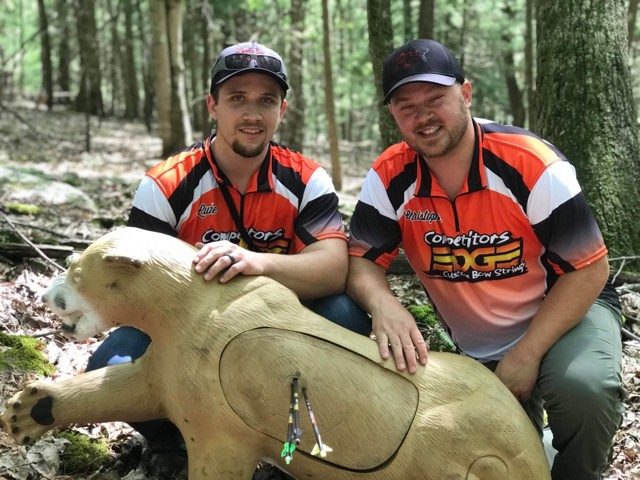
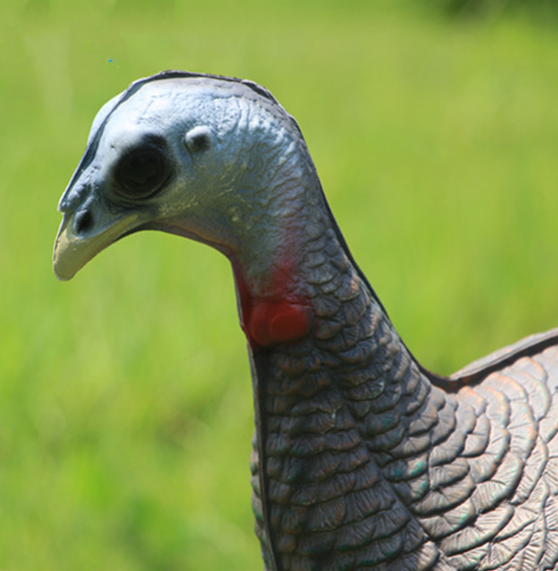
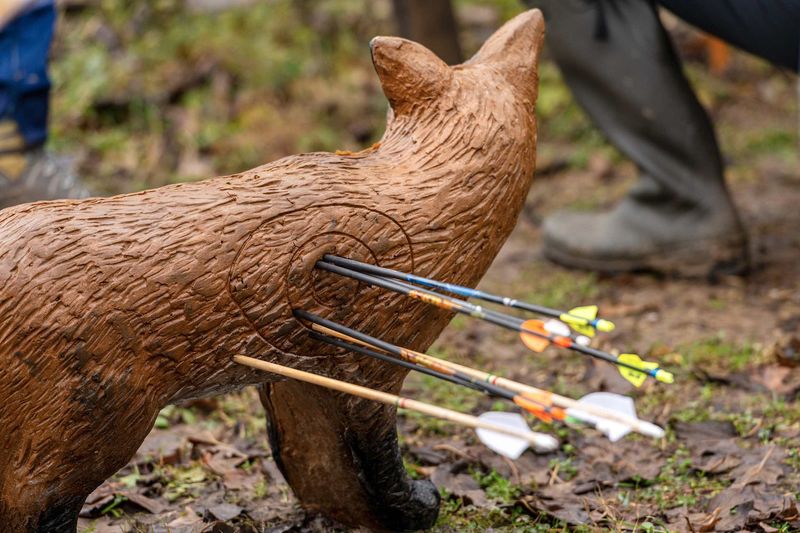
3D archery shoots are competitive walk-through courses where archers shoot at three-dimensional foam animal targets placed at unmarked distances on a wooded or open-field range. Each shoot strings together 20 to 40 targets — deer, bear, turkey, javelina, even dinosaurs — and scores hits by which ring the arrow finds inside the vital area, blending bowhunting realism with the focus of a tournament round.
If you’ve only ever shot at a bag target in your backyard, your first 3D archery shoot is going to feel different. The targets are at angles. The light shifts as you walk through trees. You’ll be guessing yardage. And there’s a stake under your feet you have to keep contact with. The good news: the format is welcoming, the learning curve is fast, and a $20 entry fee buys a half-day of practice that’s worth more than a season of static range work.
What Is a 3D Archery Shoot?
A 3D archery shoot is a stake-to-stake competition where archers walk a course and shoot one arrow at each life-sized foam target. The targets are sculpted to match real game animals and are scored by where the arrow lands inside the vital zone — the higher-value rings sit roughly where the heart and lungs would be. Most shoots run 20 or 40 targets and take two to four hours to complete with a group of three or four archers.
The format started as off-season bowhunting practice and grew into one of the largest disciplines in American archery. According to the Bowhunters United guide, 3D shoots reward the skills you actually use in the woods: estimating distance, picking a spot through brush, drawing slowly, and executing one shot under pressure. That’s why so many bowhunters use spring and summer 3D shoots as live-fire conditioning before fall hunting season opens.
Unlike indoor target archery, where everything is squared off at known distances, 3D throws variables at you on every target: uphill, downhill, quartering shots, deep shadow, glare, narrow shooting lanes through brush. The shoot tests judgment as much as form.
How 3D Archery Scoring Works (ASA vs IBO)
Two big organizations write the rule books for competitive 3D in the U.S.: the Archery Shooters Association (ASA) and the International Bowhunters Organization (IBO). Local club shoots may use either system or a simplified version of one.
ASA Scoring
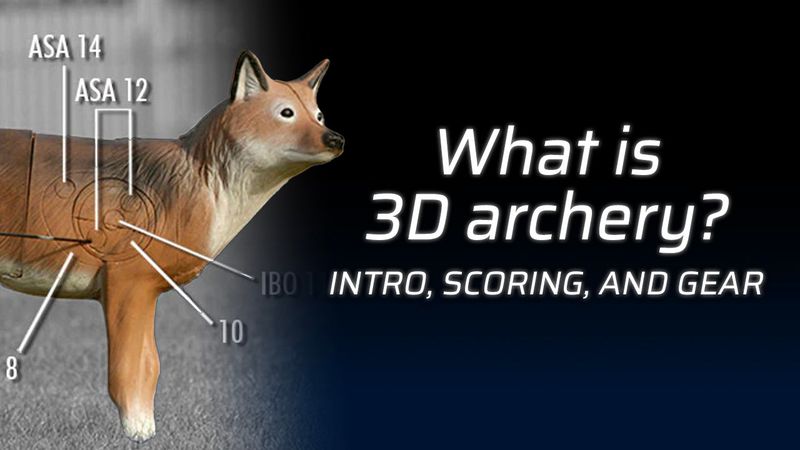
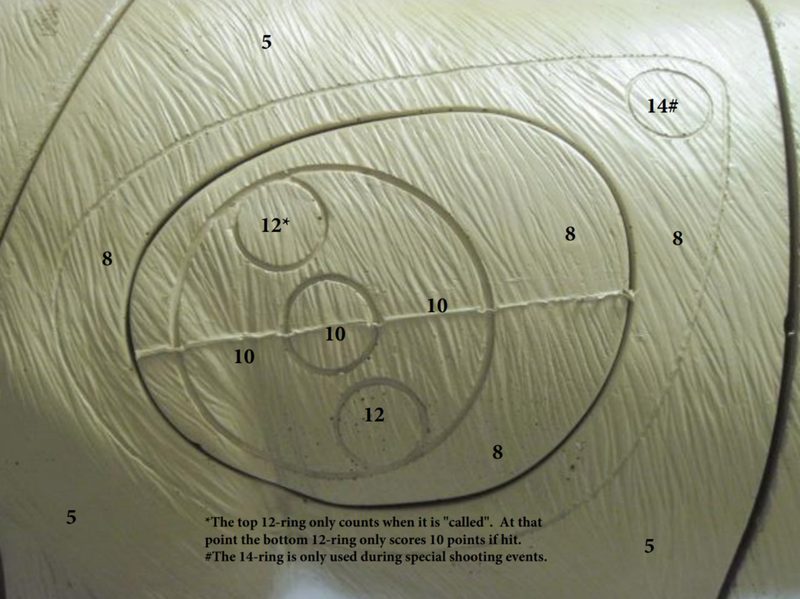
ASA uses a 5/8/10/12/14 ring system. A hit anywhere on the body scores 5 points. The outer vital is 8. The standard 10-ring sits inside the 8. Two small 12-rings (about the size of a quarter) sit at the top and bottom of the 10. A 14-ring tucked into the upper corner of the 8 acts as a high-risk bonus that you have to call before you draw — miss the 14 by going too aggressive and you can drop to an 8 instead of a safe 10. You can read the official ring placement on ASA’s scoring images page.
IBO Scoring
IBO simplifies things with a 5/8/10/11 ring system. Body hit is 5. Vital area is 8. The 10-ring is centered inside the 8. A small 11-ring (about a quarter the size of the 10) lives inside the 10 and acts as the X-ring tiebreaker. There are no called shots and no off-the-shoulder bonus rings, which is why a lot of new shooters start with IBO-format club shoots before moving to ASA.
A clean perfect score on a 20-target ASA round is 240 (twelve points per target). On IBO it’s 220 (eleven per target). For benchmarks, a beginner who shoots even — averaging the 10-ring on every target — will land around 200 on IBO or 200 on a “10s only” ASA round. Anything above that is “shooting up” and below that is “shooting down” in 3D shorthand.
What Gear You Need for 3D Archery Shoots
You don’t need a stack of dedicated 3D gear to walk your first course. Whatever bow you already shoot — compound, recurve, traditional — has a class to compete in. That said, a few setup choices make the day a lot easier:
- Sighted compound bow: a 3-pin or 5-pin sight with pins set at 20, 30, and 40 yards covers about 90% of typical 3D distances. Single-pin movable sights are popular at the upper levels but trickier for first-timers.
- Field tips, not broadheads: every 3D shoot in the country uses field tips. Broadheads will tear the foam and get you kicked off the property. Stick to the same grain weight as your hunting tip so the arrow flies the same.
- A release aid if you shoot compound. Index-finger releases are the standard. Hinge and thumb releases show up at upper levels.
- Binoculars in the 8x or 10x range. Spotting your arrow’s exact ring at 40 yards saves arguments at the stake. You’re allowed to glass between your shot and walking forward to score.
- Quiver, arm guard, and a rangefinder if your class allows it. Some classes — Known 50 in ASA, Hunter Class in IBO — let you laser the distance. Most beginner-friendly classes are unmarked.
One thing worth investing in early: a foam target for your own backyard. Practicing on actual 3D shapes at random distances is a completely different skill from punching a 60cm paper target at 20 yards. Browse our archery target guide for sizing and material trade-offs before you buy.
Range Etiquette and the Walk-Through Format
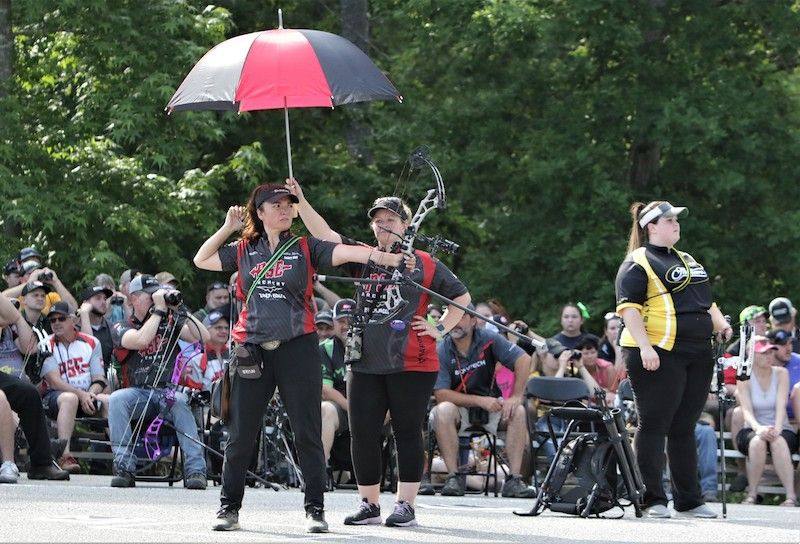
You’ll check in at the clubhouse, get a scorecard, and get assigned to a group of three or four. Groups stagger so nobody is waiting behind another group at the same target. Mossy Oak’s tournament guide notes that group order rotates after each target — first shooter walks to the back of the lineup so everyone takes a turn going first.
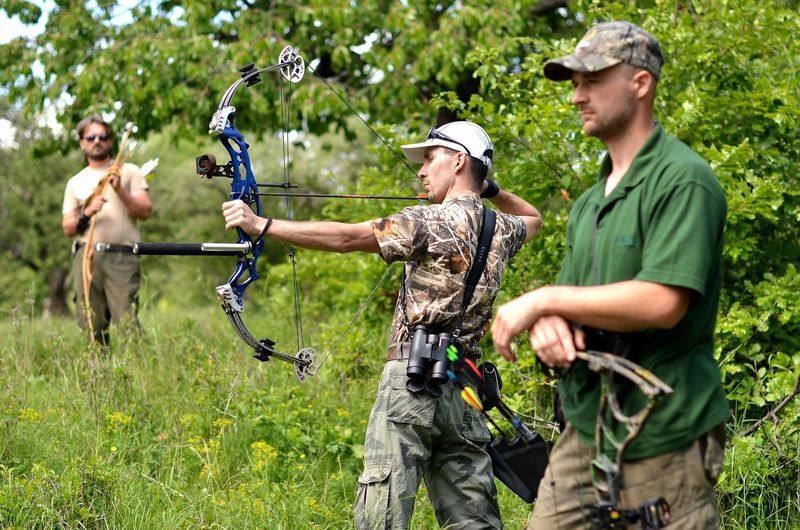
Each target has color-coded stakes for different classes. Red is typically open compound, blue is hunter class, yellow is youth, white is traditional. Stand at your stake — most rules require you to touch it with one foot. You get one arrow. Draw slow, pick your spot, execute clean. After all archers in your group have shot, walk forward together to score the target before pulling arrows.
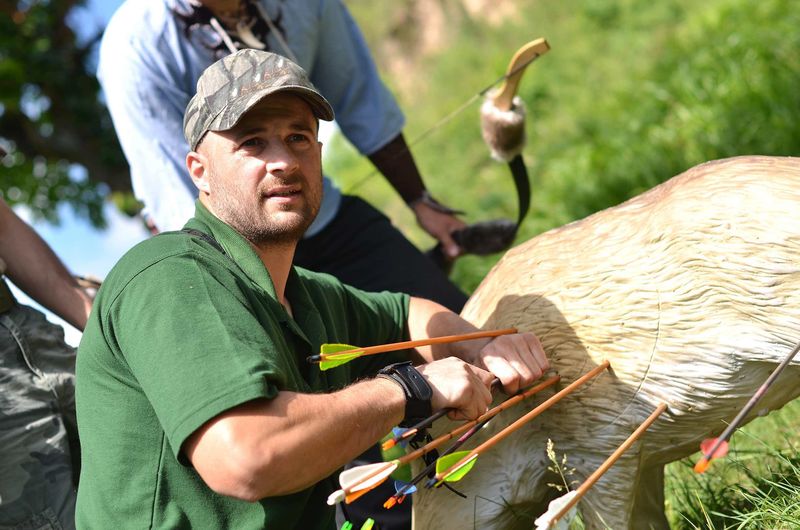
Pulling and scoring etiquette: highest-scoring arrow gets called first, then the rest by ring. If two arrows touch a line, the higher value counts. Pull straight back without twisting — foam targets cost the club $200 to $400 and pulling sideways tears the inserts.
7 Essential Tips for Your First 3D Archery Shoot
The biggest gap between a first-time 3D shooter and someone who’s been doing it for a season isn’t form — it’s habits. These are the seven that pay off fastest.
- Shoot at unknown distances at home. Most beginners can hit a 20-yard pie plate all day. Set targets at 17, 23, 31, and 38 yards and learn to gap between sight pins. The course will not give you a flat 30.
- Aim small, miss small. At the stake, pick the smallest visible spot inside the vital — a hair, a shadow line, the corner of the 12. Don’t aim at “the deer.” Aim at one square inch of the deer.
- Estimate yardage, then commit. Look at the target, give it a number, and shoot that number. Second-guessing your estimate at full draw kills more arrows than bad pin gap. Archery 360 recommends ranging the same target three different ways — half it, double the half, and compare to a known distance — before you commit.
- Watch the lighting. A target in deep shadow looks closer than it is. A target in glare looks farther. Add or subtract two yards mentally based on light, especially in afternoon shoots.
- Don’t change your bow between targets. Resist the urge to dial windage after a missed shot. One bad shot is bad form, not bad equipment. You can adjust at the end of the round.
- Hydrate and snack. A 40-target round is two to four hours of walking and standing in the sun. Dehydration shows up as shake at full draw long before you feel thirsty.
- Sign up for a beginner-friendly class. ASA’s Bowhunter or IBO’s Hunter Class allow sighted bows with reasonable pin counts and modest restrictions. Don’t enter Known 50 or Open Pro your first day.
Where to Find 3D Archery Shoots Near You
Most weekends from March through October, somewhere within a two-hour drive of you is hosting a 3D shoot. The big national circuits travel between major venues; club shoots run weekly out of local archery ranges and sportsmen’s clubs.
The big circuits to know:
- ASA Pro/Am Tour — eight national-level shoots a year with cash purses for pros and class-level rankings for everyone else. Foley, Alabama hosts the Classic.
- IBO World Championship circuit — three majors plus the IBO Worlds in Pennsylvania every August. Family-friendly, slightly more relaxed than ASA Pro/Am.
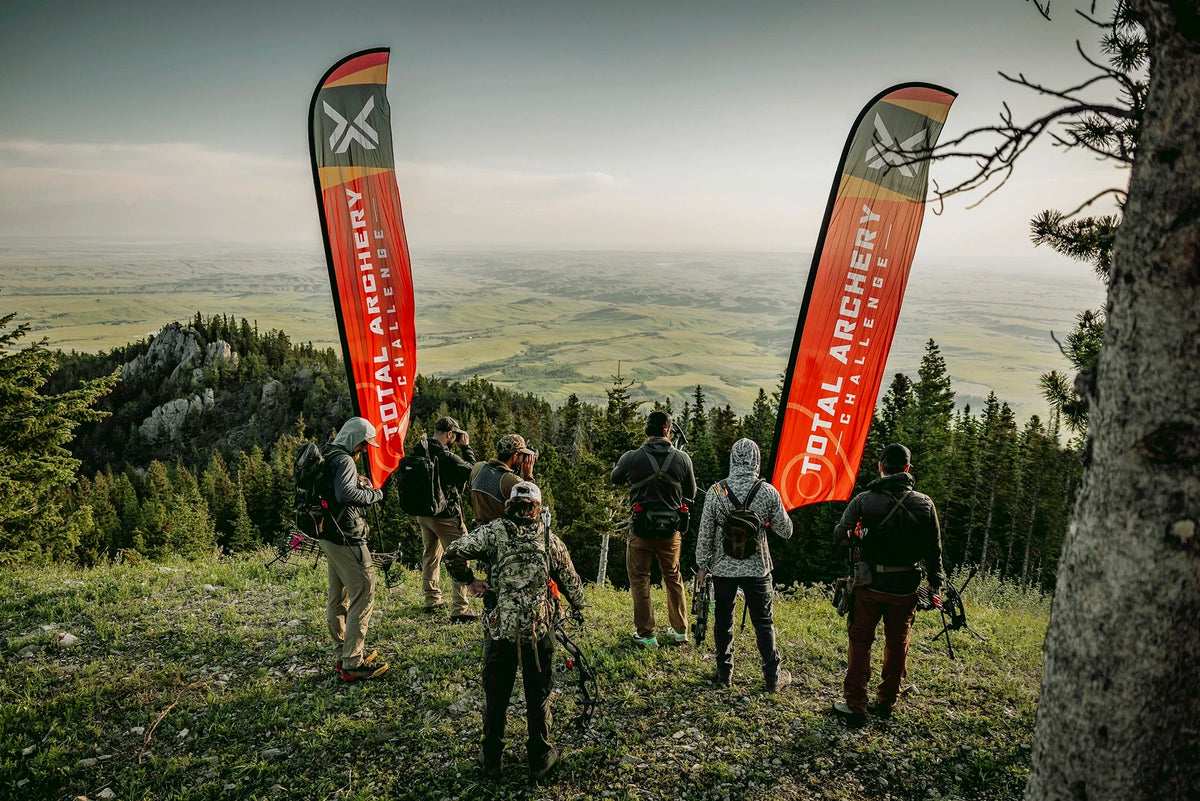
- Total Archery Challenge (TAC) — eight events at ski resorts across the West each summer. 100+ targets, mountain terrain, and shooting lanes that climb 800 vertical feet. Best non-competitive 3D experience in the country.
- R100 National Tour — family-focused two-day events at clubs nationwide with 50 targets each on a Safari Range and a North American Range, including life-sized dinosaurs and African game.
For local club shoots, search “3D archery shoot near me” or check the events calendar at USA Archery. Most clubs charge $15 to $30 per round, and walk-ups are welcome — you don’t need a membership to shoot a single round at most clubs.
Common Beginner Mistakes at 3D Archery Shoots
The fastest way to improve isn’t shooting more targets — it’s not making the same five mistakes everyone makes their first three shoots.
Misjudging the angle, not the distance. A target on a 30-degree downhill slope at 30 yards horizontal is functionally about 26 yards of arrow drop. Most missed shots on hilly courses are over the back, not behind, because the shooter ranged the slope distance and held for it. Range the horizontal.
Using the wrong arrow weight. A 380-grain arrow shoots flat at 280 fps and is forgiving on yardage error. A 480-grain hunting arrow shoots like a rainbow at the same bow setup. If you want to do real hunting prep, run hunting weight all year. If you want to shoot for score, pick a lighter target arrow and stay consistent.
Neglecting the bow setup. Cam timing, peep alignment, and rest height drift over a season. Your first shoot is a great audit. If three of your group’s shots clustered low-right and you can’t blame yardage, something on the bow is off. Before the next shoot, run through our compound bow tuning guide.
Skipping the warm-up. Most ranges have a practice butt near registration. Shoot 8 to 12 arrows there before the first stake. A cold first arrow at the unknown 35-yard target almost always lands low.
Talking through your group’s shots. Quiet at the stake. Talk between targets. Distracting another archer at full draw is the one universal etiquette violation that gets people angry, fast.
Practicing Between Shoots
The single biggest accelerator for new 3D archers isn’t a coaching session or a $1,500 bow — it’s a foam target in the backyard and a willingness to step off measured distances. Eight to twelve arrows a day at random ranges between 15 and 45 yards builds the yardage-judgment muscle no marked range can teach.
If you don’t have a place to set up, a practice backyard archery range can be assembled in a long driveway with a portable backstop. Shoot from different stances — kneeling, leaning out from a tree, off a bucket simulating a treestand — to mirror the awkward positions a course will throw at you.
For form work in the off-season, blank-bale drills at 5 to 10 yards reinforce a clean release without the distraction of aiming. Then layer the 3D variables back in once your shot sequence is automatic.
Sources
- 3D Archery Demystified — Shooting Time — Rules and scoring breakdown for ASA, IBO, and club formats.
- A Guide to 3D Archery Tournaments — Mossy Oak — Beginner walk-through of tournament format and etiquette.
- Scoring Images — ASA Archery — Official ring placement diagrams.
- What Is 3D Archery? — Liberty Safe — Beginner gear and benefits overview.
- The Bowhunter’s Guide to 3D Archery — Bowhunters United — Why 3D shoots translate to better bowhunting.
- Scoring 3D Targets — Archery 360 — In-depth scoring explainer with photos.
- How ASA 3D Archery Scoring Works — Elevation Equipped — ASA-specific ring strategy and class breakdown.
- Find an Event — USA Archery — National sanctioned 3D and target events calendar.
