
Archery Blog
Bow String Wax Guide: 5 Steps to a Longer-Lasting Bowstring
Mar
Bowstring wax is one of the most overlooked maintenance items in any archer’s kit — and one of the easiest things to get right. A properly waxed string lasts longer, performs more consistently, and stays protected from the elements that quietly destroy unprotected fibers. Whether you’re shooting a compound bow, recurve, or traditional longbow, applying wax takes under two minutes and can add months or years to your string’s lifespan.
In this guide, you’ll learn how to wax a bowstring correctly, how often to do it, which waxes actually work, and what happens when you skip this step entirely.
Why Bow String Wax Matters
Modern bowstrings are made from high-performance synthetic fibers — Dyneema, Spectra, BCY-X, and similar materials. These fibers are remarkably strong, but they’re not indestructible. Without regular waxing, here’s what happens:
- Moisture absorption: Water seeps between strands, adding weight and slowing arrow speed. A heavier string changes your sight marks and groups.
- UV degradation: Sunlight breaks down synthetic fibers over time, especially without a protective wax layer.
- Fraying: Unlubricated strands rub against each other and against the cables, creating micro-tears that eventually become visible frays.
- Twist loss: Dry strings shed their twist faster, affecting brace height and bow tuning.
- Dirt accumulation: Grit and debris work into dry string fibers like sandpaper, cutting from the inside out.
The World Archery Federation recommends waxing strings every two to three weeks for active shooters, and before any competition in wet weather.[1] For bowhunters heading into elk or deer season, waxing the night before a hunt is standard practice.
How to Tell When Your Bowstring Needs Wax
You don’t need a schedule to know when to wax. Your string will tell you:
- Dry or rough texture: Run your fingers along the string. A healthy string feels slightly tacky and smooth. A dry string feels rough.
- Fuzziness: When individual strands start to separate and look fuzzy or hairy, the wax has worn off and fibers are rubbing.
- Discoloration: Grayish or dusty-looking areas on the string indicate dirt has penetrated unprotected fibers.
- Squeaking: Some archers report a slight squeak or noise when drawing a dry string — it’s the strands rubbing together without lubrication.
If you see multiple loose strands, visible cuts, or major fraying, don’t wax it — replace it. Wax maintains strings; it can’t repair damaged ones. For guidance on getting a replacement, check out this recurve bow maintenance guide for full string inspection tips.
Choosing the Right Bowstring Wax
Walk into any archery shop and you’ll find a dozen wax options. Here’s what to know:
Beeswax
Pure beeswax is the traditional choice — it’s natural, non-toxic, and has been used on bowstrings for centuries. It works, but pure beeswax is harder to work into modern synthetic strings because it’s stiffer and doesn’t penetrate the strand bundles as easily. It’s a solid emergency option but not optimal for regular maintenance.
Synthetic Wax Compounds
Most modern bowstring waxes use beeswax as a base combined with synthetic additives that improve penetration, flexibility, and water resistance. Popular options include Bohning Tex-Tite, 30-06 String Snot, and October Mountain Products Bow String Wax. These cost between $4–$10 and last for dozens of applications.
What NOT to Use
Don’t use Vaseline, petroleum jelly, or generic lip balm. These petroleum-based products attract dirt and debris, clogging string fibers rather than lubricating them. Some contain solvents that can actually degrade synthetic string materials over time.[2] Chapstick in an emergency? Skip it. A $5 tube of proper string wax is the right answer.
How to Wax a Bowstring: Step-by-Step
The entire process takes two to three minutes. Here’s how to do it correctly:

Step 1: Inspect the String
Before applying any wax, take 30 seconds to run your fingers along the entire string and check the cables (on compound bows). Look for fraying, cuts, or peep sight creep. If the string looks good, proceed. If you spot significant damage, stop and consider a replacement.
Step 2: Clean the String (Optional)
If the string has accumulated visible dirt or old wax buildup, wipe it down lightly with a dry cloth. Don’t use water or cleaning solvents — these can weaken the fibers. Some archers use a very fine-tooth comb to gently separate the strands before waxing, improving penetration.
Step 3: Apply the Wax
Apply wax to all exposed sections of the string — that means the strands between served sections. On a compound bow, this includes the cables and the main string between the cams. On a recurve, it’s the length of string between the string loops and any serving sections.
Do not wax the served sections. The center serving, peep sight serving, and nocking point area are wrapped in serving thread specifically to resist wear. Adding wax there can make the serving slippery and affect nock fit.
Take the wax and rub it along the length of the exposed string, applying moderate pressure. The goal is to coat all the strands.
Step 4: Work It In
After applying the wax, use a piece of leather, a folded cloth, or even your fingers to vigorously rub the wax into the string. Wrap the leather around the string and slide it back and forth in short strokes. The friction generates heat that melts the wax, driving it between the individual strands where protection actually matters.
Do this for 15–20 strokes per section of string. You’ll feel the string warm up slightly — that’s exactly what you want.
Step 5: Remove Excess Wax
After working in the wax, wipe away any excess with a clean cloth. The string should feel slightly tacky, not greasy or sticky. A properly waxed string won’t leave residue on your fingers when you run them along it — the wax has been pushed into the fibers, not sitting on top.
Leaving too much wax on the surface actually attracts dirt, which defeats the purpose. Less is more — thin, consistent applications beat heavy, infrequent ones.
Waxing Compound Bows vs. Recurve Bows
The technique is the same, but the anatomy differs:
Compound Bows
Compound bows have both a main string and a cable harness — all need waxing. The cable slide area experiences the most friction and should receive extra attention. Pay close attention to the areas just above and below the cams where serving ends and bare strands are exposed. The compound bow setup guide covers the full cable and string system if you’re not sure what you’re looking at.

Recurve Bows
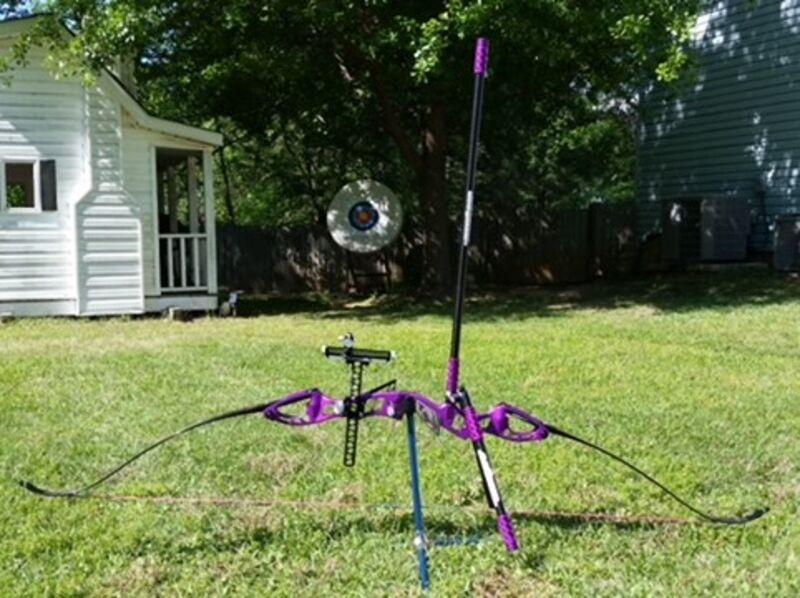
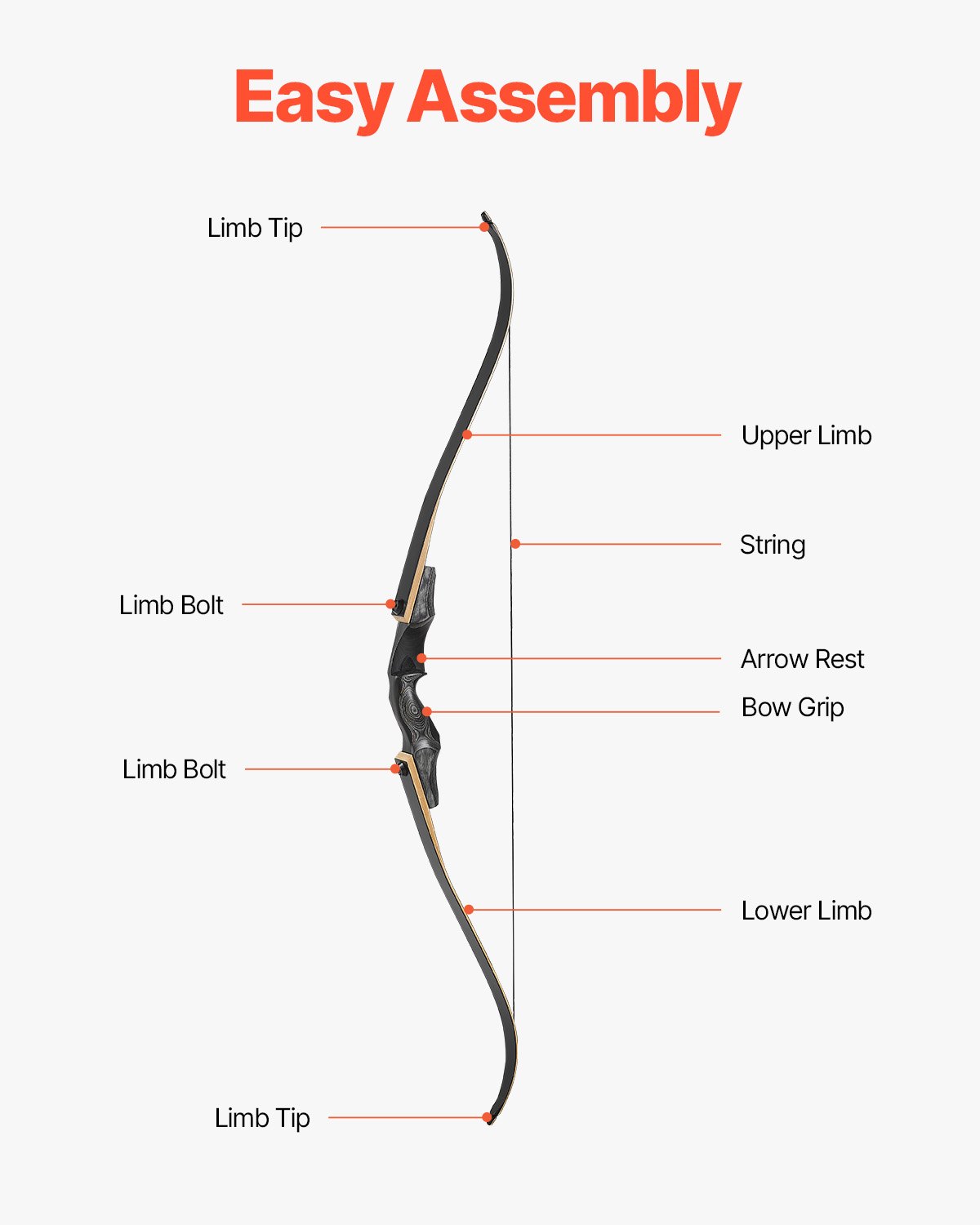
Recurve string care is simpler — you’re working with a single string. Focus on the upper and lower thirds where bare strands are exposed between the string loops and any serving. The string loops themselves (if they’re made from the same string material) can benefit from a light wax coat. If you’re working on your recurve’s overall condition, the full recurve bow maintenance guide is worth reading.
How Often Should You Wax Your Bowstring?
The answer depends on how much you shoot and what conditions you shoot in:
- Recreational shooters (1–2 times per week): Wax every 7–10 shooting sessions, or when the string starts to feel dry.
- Competitive archers shooting daily: Wax every 2–3 weeks. Top competitive archers often keep a small wax stick in their quiver and touch up before any rain.
- Bowhunters in wet environments: Before every hunt and after any session in rain or heavy dew.
- Stored bows: Wax before storage and again when you take the bow out after more than a few weeks.
Accubow recommends waxing every 7–10 sessions as a starting point for most archers.[3] The key is getting in the habit of checking string texture every time you shoot — if it feels dry, wax it. Don’t wait for fuzziness to appear.

Common Bowstring Waxing Mistakes
Even experienced archers make these errors:
Waxing the Serving
Applying wax to the center serving makes the nocking point slippery. Nocks can rotate or seat inconsistently, hurting accuracy. Keep wax off served sections entirely.
Not Working the Wax In
Rubbing wax on the surface without generating heat to drive it into the strands does almost nothing. The heat from friction is what makes wax effective — it melts the wax and pushes it between individual fibers.
Over-Waxing
Too much wax attracts dirt. If you’re applying a fresh coat over old, partially intact wax without cleaning first, you’re building up layers that eventually cake and trap grit. The string should feel tacky, not gummy.
Skipping the Cables
On compound bows, archers sometimes forget that the cable system needs as much care as the main string. The cable slide area in particular experiences constant abrasion.
Ignoring Storage Conditions
Even a well-waxed string will degrade faster if stored in direct sunlight or in a vehicle during summer. Heat breaks down synthetic fibers and melts wax unevenly. Store bows in a cool, dry location away from UV exposure.

When to Replace Instead of Wax
Bowstring wax is preventive maintenance, not a repair product. These are signs that replacement is the right call:
- Multiple loose or broken strands anywhere on the string
- Deep cuts or abrasion marks through the serving into the core fibers
- Significant loss of twist that can’t be restored by re-twisting
- Peep sight rotating dramatically between shots (often a string issue)
- String that’s been shot for several years without replacement
A fraying string is a safety hazard. String failure at full draw can damage the bow, injure the archer, and hurt bystanders. Don’t gamble on a string that’s clearly at end of life — the cost of a quality replacement string is far less than the cost of bow repairs or medical bills.
Video: How to Wax a Bowstring
Watch this step-by-step demonstration to see proper waxing technique in action:
Building Bowstring Wax Into Your Routine
The easiest way to stay consistent is to tie bowstring waxing to something you already do. Many archers keep a wax stick next to their bow case and do a quick check every time they pack up. Others wax at the end of every practice session as part of the cool-down routine.
Competitive archers often make it part of their pre-competition checklist — alongside bow sight adjustment and nock point inspection. It’s a two-minute task that eliminates one variable from your performance equation.

Bowhunters have an especially good reason to stay consistent: hunting seasons often involve wet grass, rain, and morning dew. A string that isn’t waxed will absorb moisture during a hunt, getting heavier and changing arrow flight at exactly the moment accuracy matters most.
Quick Reference: Bow String Wax Guide
| Factor | Recommendation |
|---|---|
| Wax frequency (casual) | Every 7–10 sessions |
| Wax frequency (competitive) | Every 2–3 weeks |
| Best wax type | Synthetic archery wax (beeswax-based) |
| What not to wax | Served sections (center serving, peep area) |
| String feel after waxing | Slightly tacky, not greasy |
| Replace instead of wax when | Broken strands, major fraying, or cuts visible |
Sources
- World Archery Federation — Archery 101: How to wax a bowstring
- 60X Custom Strings — Why Wax a Bow String? & How Often?
- Accubow — String Waxing 101: Preserving Your Bowstring
Browse archery bows, arrows, and accessories at the Archery Supplier shop →
