Archery Blog
How to Tune a Compound Bow | Step-by-Step Tuning Guide
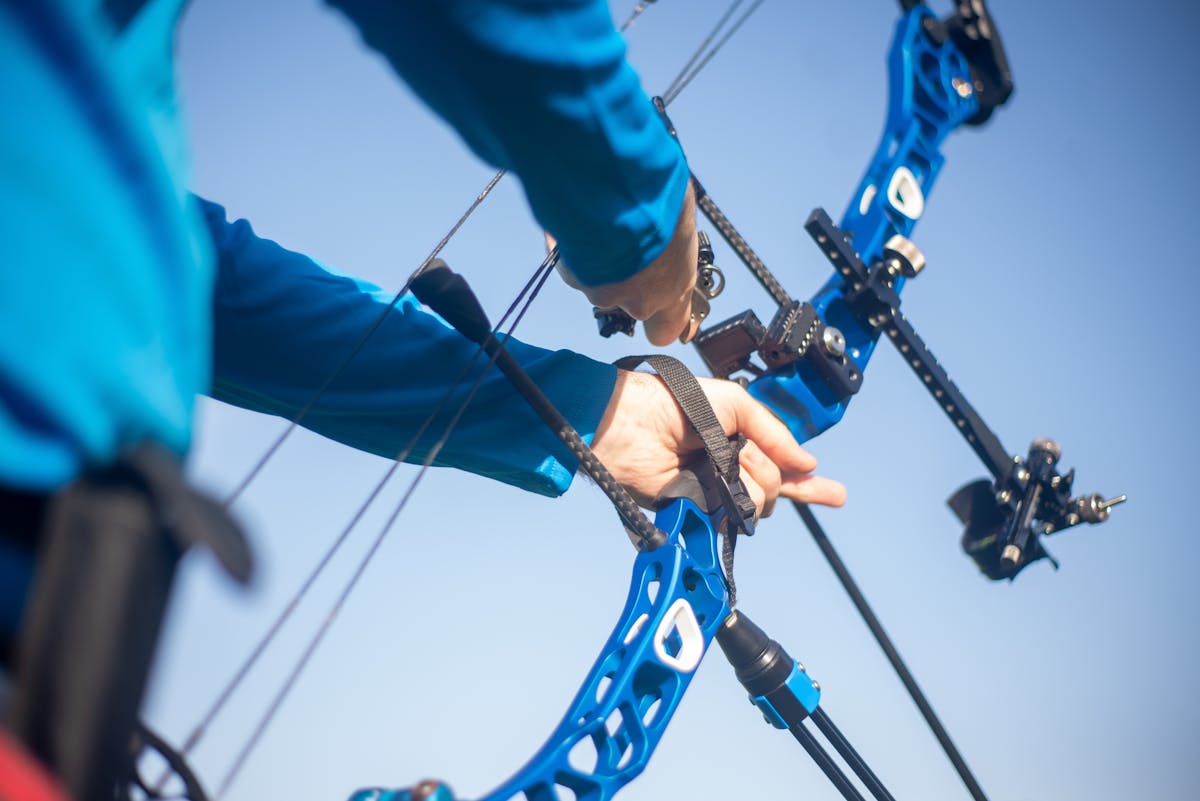
Mar
A perfectly tuned compound bow can be the difference between grouping arrows in the bullseye and watching them scatter across the target. Whether you just picked up your first compound or you are a seasoned archer looking for tighter groups, understanding the tuning process is essential. Compound bow tuning aligns every component — from the cam system and rest to the nock point and arrow spine — so that your arrow leaves the bow with clean, consistent flight every single time.
In this guide, we walk through every stage of compound bow tuning, from the initial centershot alignment all the way to advanced walk-back methods. By the end, you will know how to diagnose common tuning problems, make precise adjustments, and verify that your setup is dialed in for competition or hunting season.
Why Compound Bow Tuning Matters
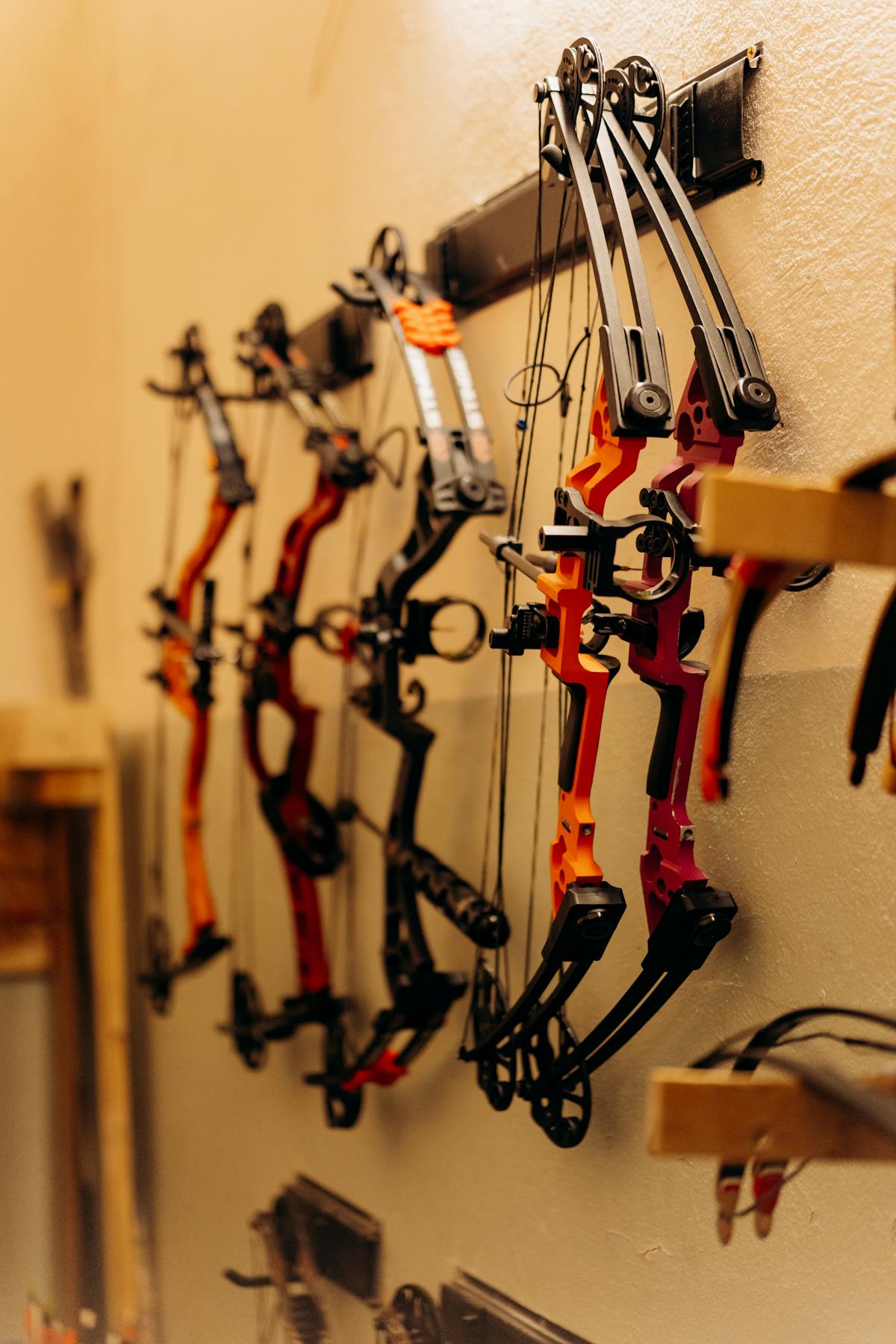
Every compound bow comes from the factory with a baseline setup, but factory settings rarely match your draw length, draw weight preference, arrow choice, and shooting style. Even small misalignments compound over distance. A rest that is one millimeter off center can send an arrow several inches off target at 60 yards. A D-loop positioned slightly too high or too low creates vertical inconsistency that no amount of practice will fix.
Tuning eliminates these variables. When your bow is properly tuned, the arrow leaves the string without contacting the rest or cables, travels in a straight line with minimal oscillation, and impacts where your sight pin is aimed. That is the goal — and it is achievable for any archer willing to follow a systematic process.
Before You Start: Gather Your Tools
Successful compound bow tuning requires a few essential tools. You do not need a full-blown pro shop setup, but having the basics on hand saves time and frustration:
- Bow press — needed for string and cable adjustments (many pro shops offer press time if you do not own one)
- Allen wrench set — for adjusting the rest, sight, and limb bolts
- Bow square (T-square) — to measure nock height and brace height
- Paper tuning frame — a simple wooden frame with butcher paper works perfectly
- Arrow level — to verify arrow sits level on the rest
- Tape measure — for walk-back tuning reference marks
- Sharpie marker and masking tape — for marking target lines
If you are new to the sport, our complete bow buying guide covers how to select a compound that fits your frame and shooting goals before you start the tuning process.
Step 1 — Set Your Draw Weight and Draw Length

Before touching the rest or nock point, make sure the bow’s draw weight and draw length are correct for you. Shooting a bow that is too heavy or too long creates form issues that no amount of tuning can overcome.
Draw length: Have a friend measure your wingspan (fingertip to fingertip) and divide by 2.5. Most modern compounds adjust in half-inch increments using module swaps or rotating draw-length cams. Your draw length should allow you to reach full draw comfortably with a slight bend in your bow arm and your anchor point landing consistently at the corner of your mouth or below your jaw.
Draw weight: Start at a weight you can draw smoothly without raising the bow above your head or straining your shoulder. For more detail on picking the right poundage, check out our draw weight guide for beginners. Most target archers shoot between 40 and 55 pounds, while bowhunters typically range from 55 to 70 pounds depending on game species and local regulations.
Step 2 — Centershot and Arrow Rest Alignment
Centershot refers to the left-right position of your arrow rest relative to the bowstring. When the rest is properly aligned, the arrow tip should sit very close to the center of the riser — usually about 13/16 of an inch from the riser on most compound bows.
To set centershot:
- Nock an arrow and place it on the rest.
- Look down the string from the cam end of the bow.
- Align the string so it bisects the riser vertically.
- Adjust the rest left or right until the arrow tip sits just slightly outside the string (toward the riser on a right-handed bow).
This is your starting point. Paper tuning and walk-back tuning will fine-tune the centershot later, but getting close now saves you adjustment cycles.
Step 3 — Nock Point and D-Loop Position
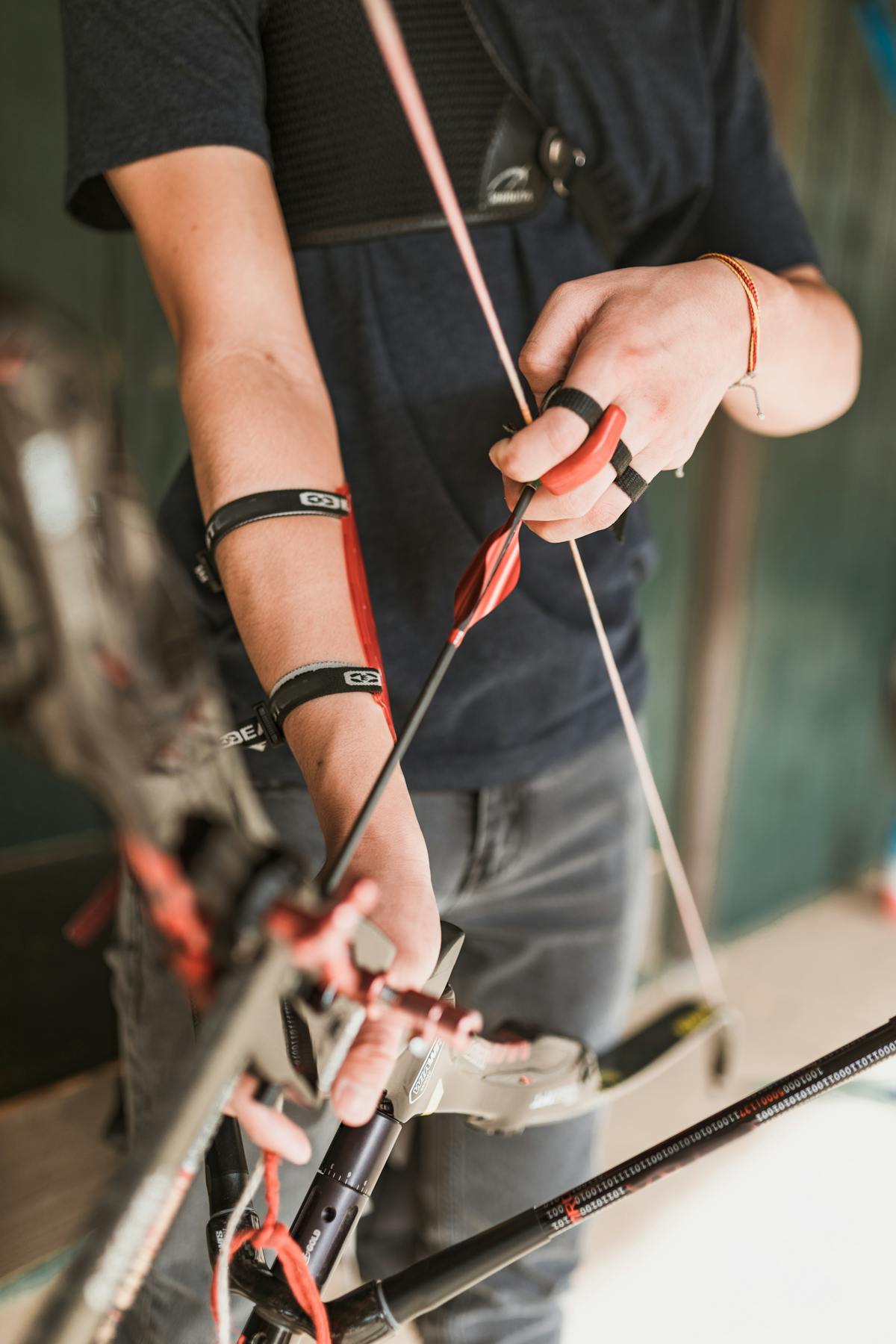
The nock point determines where your arrow sits vertically on the string. Most compound archers use a D-loop — a small piece of braided rope tied above and below the nock — rather than crimped nock sets. The D-loop provides a cleaner release and allows the arrow to leave the string without torque from the release aid.
As a starting point, tie your D-loop so the arrow sits approximately 1/8 inch above perfectly level (known as “nock high”). Use your bow square to measure this. The slight nock-high position compensates for the downward pressure the rest launcher blade puts on the arrow during the shot.
According to USA Archery’s tuning guide featuring world champion Jesse Broadwater, finding the right D-loop position is one of the most critical steps in compound bow setup. Small vertical adjustments here can dramatically affect arrow flight and group consistency.
Step 4 — Paper Tuning

Paper tuning is the diagnostic step that reveals how your arrow is leaving the bow. The idea is simple: shoot an arrow through a sheet of paper at close range (4 to 6 feet) and read the tear pattern.
What the tears mean:
- Bullet hole (small, round hole): Perfect flight. The arrow passed through cleanly with no tail kick. Move on to walk-back tuning.
- Tail-left tear (right-handed shooter): The arrow’s nock end kicked left. Move the rest slightly to the left, or check that your arrow spine is not too stiff.
- Tail-right tear: Move the rest slightly right, or your arrows may be too weak (underspined).
- Tail-high tear: Nock point is too low. Raise the D-loop slightly.
- Tail-low tear: Nock point is too high. Lower the D-loop.
- Combination tears (e.g., tail-high-right): Address the vertical component first (nock height), then horizontal (rest position).
Make small adjustments — 1/32 to 1/16 of an inch at a time — and re-shoot through paper after each change. Patience here pays off in cleaner arrow flight at longer distances.
Step 5 — Walk-Back Tuning for Long-Range Precision
Paper tuning gets you close, but walk-back tuning (sometimes called French tuning) verifies your centershot is perfect over distance. Paper tuning only tests arrow flight at short range; walk-back tuning reveals subtle left-right drift that shows up as yardage increases.
Here is the process:
- Set up a target with a vertical line of tape running top to bottom.
- Sight in at 20 yards so your arrows hit the tape line.
- Without adjusting your sight, step back to 30 yards and shoot a group.
- Step back to 40, then 50 if your range allows.
- If your arrows drift consistently left or right of the tape line as you move back, adjust your rest in the direction your arrows are drifting. Arrows hitting right? Move the rest right. Arrows left? Move it left.
The goal is for all arrows at every distance to stack along the vertical tape line. When they do, your centershot is true and your bow is launching arrows on a straight plane.
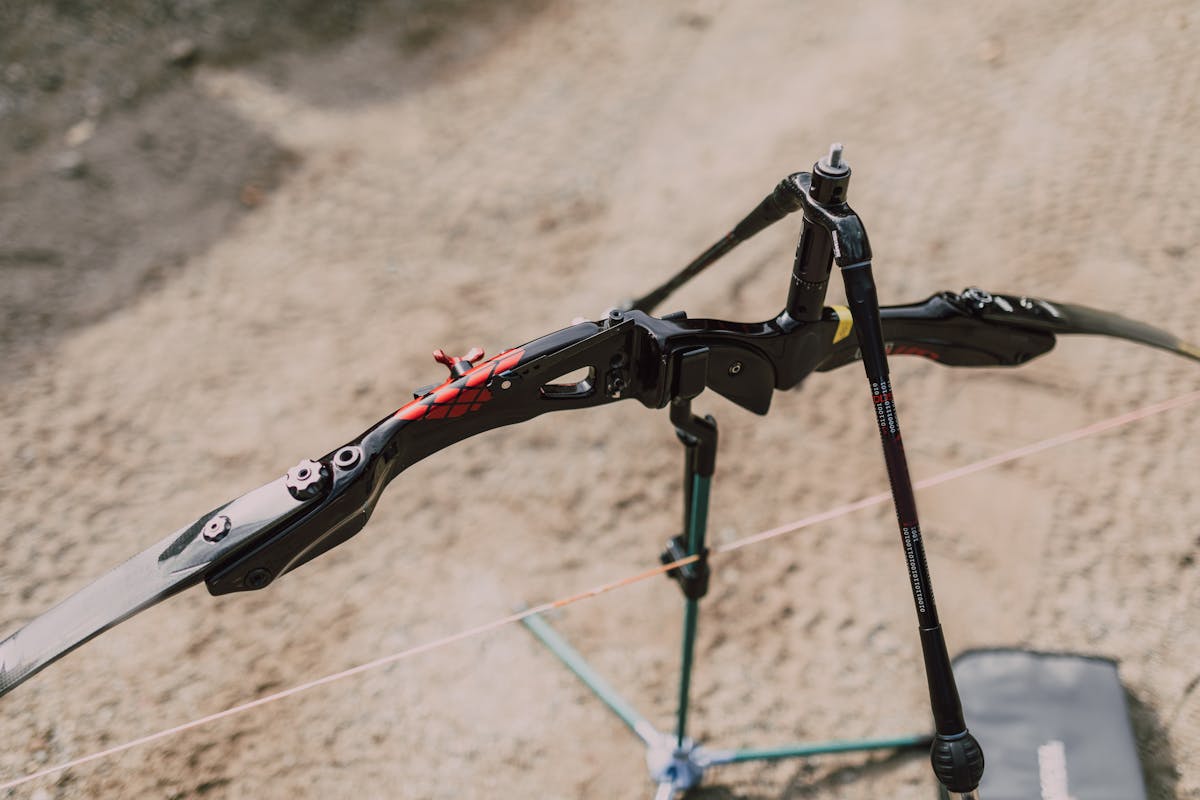
Step 6 — Broadhead Tuning (For Hunters)
If you hunt with fixed-blade broadheads, there is one more tuning step. Broadheads act like small wings — any imperfection in arrow flight gets amplified by the blade surfaces catching air. A bow that shoots perfect bullet holes with field points can still throw broadheads off target if the tune is not precise.
To broadhead tune:
- Shoot a group of three field-point arrows at 30 yards.
- Shoot a group of three broadhead-tipped arrows at the same target.
- If the broadheads impact in a different location, adjust your rest to move the broadhead group toward the field-point group.
- Re-test until both groups overlap.
Many bowhunters skip this step and wonder why their broadheads fly differently in the field. Taking 20 minutes to broadhead tune before season can save you a lost animal.
Common Tuning Mistakes to Avoid
Even experienced archers fall into tuning traps. Here are the most frequent ones:
- Changing too many variables at once. Adjust one thing at a time — rest, nock point, or arrow spine — then test. Changing multiple settings simultaneously makes it impossible to know what fixed (or broke) your tune.
- Ignoring arrow spine. Your arrow’s stiffness must match your draw weight and draw length. An improperly spined arrow will never tune well, no matter how perfectly your bow is set up. Use a manufacturer’s spine chart to verify your selection.
- Tuning with bad form. If you are torquing the grip, punching the trigger, or collapsing at full draw, the bow is not the problem. Tune with your best, most consistent form. Consider having a friend watch your shot cycle or film yourself.
- Skipping the bow press check. Before tuning, verify your cam timing is synchronized. If one cam hits the stop before the other, no rest or nock adjustment will produce clean flight.
- Over-tuning. Once you are shooting bullet holes through paper and your walk-back groups are stacking on the line, stop adjusting. Chasing perfection beyond a solid tune can actually make things worse.
How Often Should You Tune Your Compound Bow?
A well-built compound bow holds its tune for a long time, but certain events should trigger a re-check:
- New strings or cables installed. Fresh strings stretch and settle, shifting nock point and cam timing.
- Draw weight changes. Turning limb bolts in or out changes the power stroke dynamics.
- New arrows or different point weight. Arrow spine is relative to your setup — changing components changes the equation.
- After transport or a hard bump. A fall or a hard case impact can shift the rest or knock cams out of time.
- Start of each season. Even if nothing changed, a quick paper tune test takes five minutes and confirms everything is still dialed.
Most competitive archers paper-test every few weeks during training season. Hunters typically tune once before season and verify after any equipment change or significant travel.
Putting It All Together
Compound bow tuning is not a one-shot process — it is a sequence of deliberate steps that build on each other. Start with draw weight and draw length, set your centershot and nock point, paper tune for clean arrow flight, walk-back tune for long-range consistency, and broadhead tune if you are heading to the woods. Each step narrows the margin of error until your bow is launching arrows exactly where you aim.
The most important thing to remember is patience. Rushing through adjustments leads to chasing problems in circles. Take your time, make one change at a time, and let the paper and targets tell you what the bow needs. A properly tuned compound bow is one of the most satisfying things in archery — and once you feel the difference in your groups, you will never skip the process again.
For more archery fundamentals, explore our guide on archery safety rules or learn how to score in target archery.
Compound Bow Tuning: Quick Reference Chart
| Paper Tear | Cause | Fix |
|---|---|---|
| Bullet hole | Clean flight | No adjustment needed |
| Tail left (RH shooter) | Rest too far right or arrow too stiff | Move rest left or try weaker spine |
| Tail right (RH shooter) | Rest too far left or arrow too weak | Move rest right or try stiffer spine |
| Tail high | Nock point too low | Raise D-loop |
| Tail low | Nock point too high | Lower D-loop |
Watch: Compound Bow Tuning Walkthrough
This detailed walkthrough from John Dudley covers every step of compound bow tuning, from initial setup through paper testing and walk-back verification:
